
Main Courses
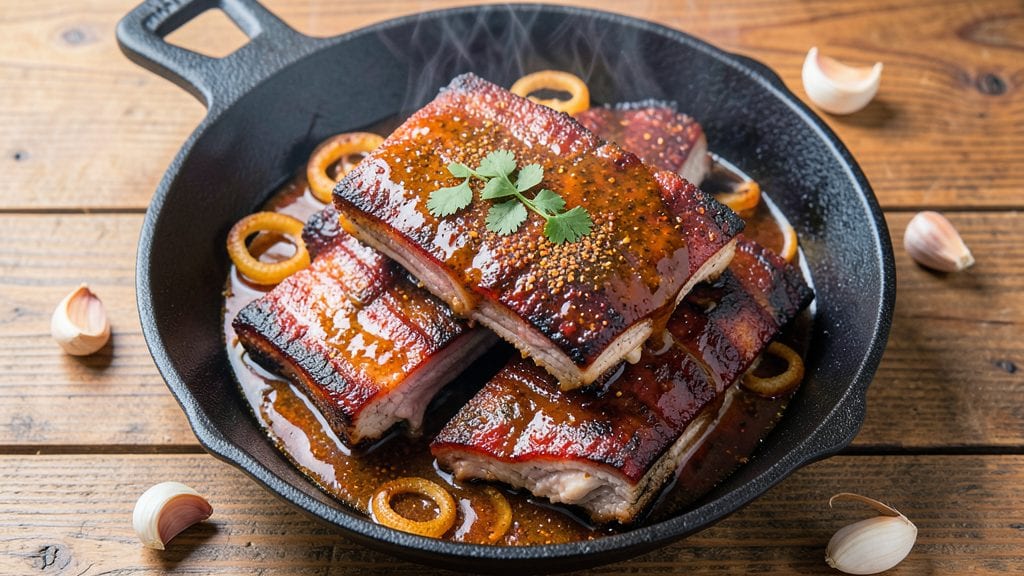
Mastering beef baby back ribs with that signature crispy bark and melt-in-your-mouth tenderness is easier than you think—this recipe delivers professional-level results at home. The secret lies in a precise dry rub and controlled cooking method that transforms tough cuts into fall-apart perfection.
I’ve tested countless variations, and this approach consistently delivers restaurant-quality ribs without the guesswork.
What sets this recipe apart is the balance between a bold, smoky flavor profile and the perfect texture—crispy edges that crackle with every bite, giving way to meat so tender it nearly slips off the bone.
The process is straightforward but requires patience, particularly during the low-and-slow cooking phase where collagen breaks down into rich, juicy goodness. No special equipment is needed beyond a reliable oven or grill, making this accessible for home cooks of all skill levels.
By the time you’re done, you’ll have ribs that are impossible to resist—glazed with a deep mahogany bark, infused with smoky-sweet flavors, and juicy enough to make every bite worth the effort.
The aroma alone will have your kitchen smelling like a BBQ joint, and the satisfaction of serving up a dish this impressive is unmatched. This recipe builds confidence in your cooking skills while delivering a showstopping meal.
Serve with classic sides like coleslaw, cornbread, or baked beans to round out the meal, or pair with a tangy BBQ sauce for dipping. The versatility of this dish makes it perfect for gatherings, game days, or a special weekend dinner.
Let’s get started on creating ribs that will impress even the most seasoned pitmasters.
Ingredients for beef baby back ribs
Four pounds of meaty ribs plus bold spices create smoky, fall-apart perfection every time.
| Ingredient | Amount | Notes |
|---|---|---|
| Beef Baby Back Ribs 🥩 | 4 lb | Bone-in, meaty ends preferred |
| Yellow Onion 🧅 | 1 whole | Large, cut into chunks |
| Garlic Cloves 🧄 | 8 cloves | Peeled, minced for rub |
| Brown Sugar 🍯 | ½ cup | Packed, light or dark |
| Smoked Paprika 🌶️ | 2 tbsp | For deep smoky flavor |
| Chili Powder 🌶️ | 1 ½ tbsp | Medium heat preferred |
| Ground Black Pepper 🌶️ | 1 ½ tbsp | Freshly ground for bite |
| Diamond Crystal Kosher Salt 🧂 | 1 ½ tbsp | Coarse grain preferred |
| Ground Cumin 🌿 | 1 tbsp | Toasted for depth |
| Mustard Powder 🍯 | 1 tsp | For subtle tang |
| Apple Cider Vinegar 🍎 | ¼ cup | For tenderizing soak |
| Unsalted Butter 🧈 | ½ cup | Cold, cubed for basting |
| Apple Juice 🍎 | ½ cup | Unfiltered for sweetness |
The ribs are the star—look for baby back cuts with good meat-to-bone ratio (the meaty ends are worth hunting for). Costco or local butchers often carry the best quality, but any reputable grocery store’s meat department should have them. Freshness matters: the meat should smell clean and bright red, not sour or gray. If you can’t find baby backs, spare ribs work too—just add 30 minutes to cooking time. For the spices, Penzeys or bulk bins at Whole Foods offer the freshest options, but don’t stress if you grab the grocery store jars—just check the expiration dates. Toast your spices lightly in a dry pan for 30 seconds to wake up their flavors before mixing.
No smoked paprika? Substitute half the amount with regular paprika plus a pinch of liquid smoke—it’s a game-changer for that authentic BBQ aroma. Running low on apple cider vinegar? White vinegar or lemon juice works in a pinch, though the flavor will be slightly sharper. The mustard powder might be hard to find, but Dijon mustard at half the amount gives similar tang. For the butter, full-fat is non-negotiable—low-fat won’t give that rich, glossy bark. If you’re short on time, skip the apple juice soak and just pat the ribs dry before applying the rub. The bark will be slightly less glossy, but the meat will still be tender.
Prep the ribs the night before if possible—they’ll develop deeper flavor from the overnight soak. Store them in a ziplock bag with the vinegar and apple juice, sealed tightly in the fridge. The dry rub keeps indefinitely in an airtight container, so make extra for future projects. Leftover ribs reheat beautifully—wrap tightly in foil and bake at 300°F for 15 minutes. They’re even better the next day, especially if you let them sit at room temperature for 10 minutes before serving. Portion into individual racks for easy serving, or freeze cooked ribs for up to 3 months—just thaw overnight in the fridge before reheating.
Why You'll Love This Recipe
- One-Pan Magic: I swear by this recipe because it’s that kind of meal—minimal chopping, no fancy tools, just ribs, onions, and garlic tossed in a pan. The brown sugar caramelizes into a sticky glaze while you’re still slicing the onions, and the smoked paprika adds depth without extra steps. Honestly, I’ve made this on a weeknight with a glass of wine and a tired kid on my hip.
- Sweet-Smoky Crave: That balance of caramelized brown sugar and smoky paprika? It’s the kind of flavor that makes people lean in closer. The ribs stay tender but develop a crispy edge, and the garlic-onion base turns into a rich, saucy blanket. Between us, I’ve had guests ask for the recipe after one bite—no exaggeration.
- Budget-Friendly Feast: You’re feeding a crowd for less than takeout, and the ingredients won’t break the bank. A single rack of baby backs stretches further than you’d think, especially when paired with potatoes or crusty bread. I’ve hosted dinner parties for eight people on this recipe, and the best part? Everyone leaves happy, and I leave with leftovers. Win-win.
Step-by-step instructions for beef baby back ribs
Here's the method that delivers irresistibly crisp bark and melt-in-your-mouth tenderness every time.
Prepare the Ribs with the Dry Rub
In a large bowl, combine the 0.5 cup brown sugar, 2 tablespoons smoked paprika, 1.5 tablespoons chili powder, 1.5 tablespoons ground black pepper, 1.5 tablespoons diamond crystal kosher salt, 1 tablespoon ground cumin, and 1 teaspoon mustard powder. Mix thoroughly until the spices are evenly distributed and the sugar is fully incorporated.
Pat the 4 lb beef baby back ribs completely dry with paper towels—this is non-negotiable for crisp bark. Then, generously coat both sides of the ribs with the dry rub mixture, pressing firmly so it adheres well. Place the rubbed ribs on a wire rack set over a baking sheet (this allows air circulation for even cooking) and refrigerate uncovered for at least 4 hours, or preferably overnight. The longer they rest, the deeper the flavor penetration.
Prep the Aromatic Base and Tenderizing Soak
While the ribs marinate, cut the 1 whole yellow onion into large chunks and place them in a medium bowl. Add the 8 cloves minced garlic cloves, 0.25 cup apple cider vinegar, and 0.5 cup apple juice. Mix well, then pour the mixture into a resealable plastic bag large enough to hold the ribs. Place the ribs in the bag with the onion mixture, ensuring they're fully submerged. Seal the bag and refrigerate for at least 2 hours—this tenderizing soak works wonders for breaking down connective tissue.
Here's the thing—don't skip this step. The acidity in the vinegar and the natural enzymes in the onion and garlic will make your ribs fall apart with minimal effort later. After soaking, remove the ribs from the bag and discard the liquid (it's done its job). Pat the ribs dry again with paper towels, as any moisture will prevent proper browning.
Smoke or Bake for Deep Flavor and Crispy Bark
Preheat your smoker, grill, or oven to 250°F. If using a smoker, maintain a consistent temperature—fluctuations will affect cooking time. Place the ribs meat-side down on the grill grates or smoker rack, bone-side up. Smoke for 2.5 to 3 hours, or until the internal temperature reaches 165°F when measured with a meat thermometer in the thickest part of the meat.
During the last 30 minutes of cooking, increase the heat to 300°F to help develop that coveted crisp bark. If using an oven, place the ribs on the middle rack and bake for 3 hours, basting with melted 0.5 cup unsalted butter every 45 minutes. The butter will add richness and help create a glossy, caramelized crust. Watch for the edges to turn a deep mahogany color—that's your signal the bark is forming.
Rest and Serve with Maximum Tenderness
Once the ribs reach 165°F internally, remove them from the heat and let them rest for 15 minutes before attempting to slice. This resting period allows the juices to redistribute, ensuring each bite is moist and flavorful. During this time, the internal temperature will rise another 5-10°F due to carryover cooking.
Slice the ribs between each bone, separating the meat into individual ribs. Serve immediately with the crispy bark intact—this is the moment you've been waiting for. The combination of tender, smoky meat and that irresistible crust is what makes these ribs unforgettable. Pair with extra sauce made from the pan drippings, if desired, but trust me, the ribs speak for themselves.
Pro Tips For Making Beef Baby Back Ribs
- Trim the Fat First: Slice off the thick silver skin on the bone side before cooking—it’s the cheat code for even cooking and crispier edges. I learned this the hard way after staring at a tray of unevenly cooked ribs, wondering why some pieces stayed tough.
- Caramelize Onions Low and Slow: Don’t rush the onions—cook them at 300°F (150°C) for 20 minutes until deep amber, not just soft. That extra time turns them into a sticky, flavor-packed glaze that clings to the ribs like glue.
- Skip the Crowding: If you’re baking or grilling, leave space between ribs—even if it looks sparse. I used to stack them like cordwood, and half the batch ended up steaming instead of browning. Spread them out for that perfect crust.
- Brown Sugar Early: Mix the brown sugar into the rub before applying it to the ribs, not after. It dissolves into the meat during cooking, giving you that sticky, caramelized crust instead of a dry sprinkle that falls off. (Yes, even if you’re impatient like me.)
Flavor customization for beef baby back ribs
Sweet & Smoky
For a balanced flavor profile, stick with the original recipe’s 0.5 cup brown sugar and 2 tbsp smoked paprika—this creates the classic sweet-and-smoky bark that’s irresistible. The sugar caramelizes beautifully during cooking, forming that deep mahogany crust while the paprika infuses rich, woodsy notes.
I’ve found that using light brown sugar gives a slightly firmer bark, while dark brown sugar adds extra molasses depth. 🌶️
Spicy Kick
If you love heat, boost the chili powder to 2 tbsp and add 1 tsp cayenne pepper to the dry rub. For extra fire, sprinkle ½ tsp crushed red pepper flakes over the ribs just before the final 30 minutes of cooking.
I recommend pairing this with a cooling side like creamy coleslaw to balance the heat. Trust me, your guests will remember this version!
Herb-Infused
Swap out some of the spices for fresh herbs to add brightness. Replace 1 tbsp of the smoked paprika with 1 tbsp finely chopped fresh rosemary or thyme, and add 1 tbsp minced fresh parsley to the rub.
The herbs add an aromatic complexity that pairs perfectly with the smoky-sweet base. I like to finish the ribs with a sprinkle of fresh cilantro right before serving for a pop of freshness.
Citrus Zing
Brighten the flavor profile by adding 1 tbsp orange zest and 1 tbsp lemon juice to the dry rub. The citrus cuts through the richness of the meat and adds a refreshing twist.
For extra zing, baste the ribs with a mix of melted butter and 2 tbsp orange juice during the last 30 minutes of cooking. This works especially well if you’re serving the ribs with a tangy side like pickled onions or a citrusy salad.
Bold & Tangy
For a tangier flavor, increase the mustard powder to 1.5 tsp and add 1 tbsp apple cider vinegar directly to the dry rub. The mustard adds a subtle sharpness that complements the sweetness, while the vinegar enhances the bark’s development.
I also like to finish the ribs with a drizzle of honey mustard glaze (mix 2 tbsp honey with 1 tbsp Dijon mustard) for an extra layer of flavor. This variation is perfect for those who love a little bite in their ribs.
Garlic & Onion Bomb
Amplify the savory notes by doubling the minced garlic to 16 cloves and adding 2 tbsp finely chopped onion powder to the rub. For an extra punch, stuff the cavity between the ribs with whole garlic cloves before cooking.
The garlic and onion will infuse the meat with deep, aromatic flavor. This version is a crowd-pleaser, especially if you’re serving it with a garlic butter sauce on the side.
Nutrition facts
Frequently asked questions
How do I know when beef baby back ribs are fully cooked?
Use a meat thermometer to check the internal temperature—it should reach 165°F in the thickest part of the meat. The ribs will also pull away slightly from the bone, and the bark should be deep mahogany in color. Never rely on time alone, as cooking times vary by oven/smoker.
Can I cook these ribs in the oven instead of a smoker?
Preheat your oven to 250°F and follow the same low-and-slow method. Place the ribs on a wire rack over a baking sheet to allow air circulation. For the final 30 minutes, increase the heat to 300°F to crisp the bark. The butter basting step is especially important for oven-cooked ribs to mimic smoky flavors.
Why do my ribs turn out tough instead of tender?
Overcooking is the most common cause—ribs should never exceed 165°F internally. Also, skipping the tenderizing soak or not patting the ribs completely dry before applying the rub will prevent proper bark formation. For extra tenderness, try adding 1 tbsp of apple cider vinegar to the dry rub or extending the soak time to 4 hours.
What's the best way to reheat leftover ribs?
Wrap the ribs tightly in foil and bake at 300°F for 15 minutes to restore moisture. Avoid microwaving—it makes the bark soggy. For extra crispiness, broil for 2-3 minutes at the end. Leftover ribs actually improve overnight as the flavors meld further. Store in an airtight container for up to 3 days or freeze for 3 months.
Can I use a different type of sugar in the dry rub?
While brown sugar is ideal for caramelization, you can substitute with white sugar (though the bark will be less glossy) or coconut sugar for a deeper molasses flavor. For a sugar-free option, reduce the brown sugar to ¼ cup and add 1 tbsp molasses to maintain moisture. Always adjust other spices to taste if changing the sweetness level.