
Main Courses
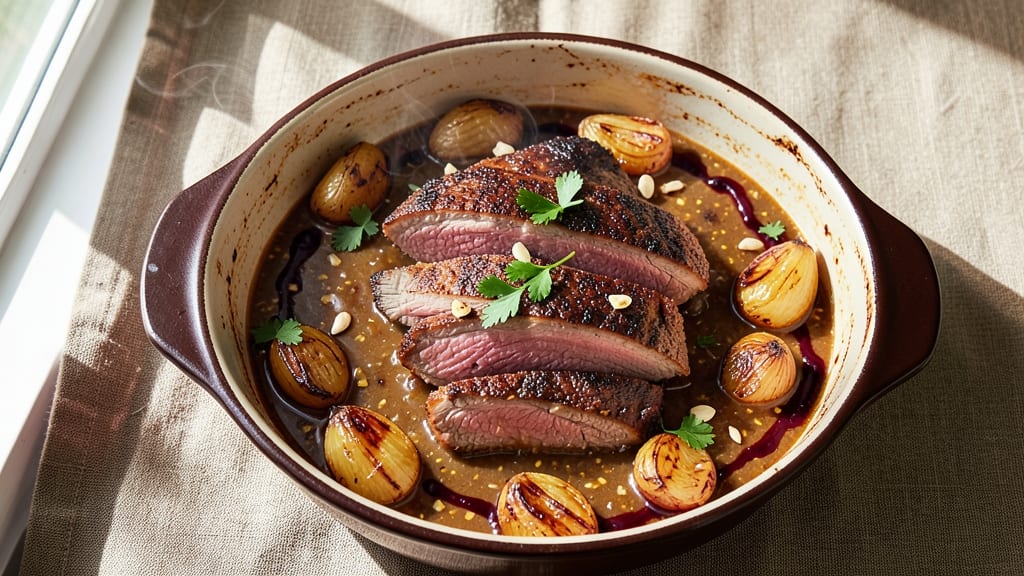
This beef brisket Lipton onion soup mix recipe proves how that humble packet turns tough meat into tender, savory magic. This slow-cooked recipe delivers deep umami flavor with minimal effort, turning a simple pantry staple into the star of your dinner table.
I discovered this technique after years of experimenting with brisket, and it consistently delivers restaurant-quality results at home.
The beauty of this method lies in its simplicity: a well-seasoned brisket braised with onion soup mix creates a rich, caramelized glaze that enhances every bite.
The slow cooking process tenderizes the meat while the soup mix infuses layers of savory depth, transforming what could be a dry, chewy cut into something luxurious. Professional results don't require expensive ingredients or complicated techniques—just time and patience.
By the end, you'll have perfectly tender brisket with a glossy, caramelized surface that practically falls apart at the touch. The aroma alone will have everyone gathering at the table, and each slice offers a perfect balance of savory, slightly sweet, and umami-rich flavors.
This is the kind of dish that turns weeknight dinners into memorable meals without requiring hours of active cooking.
Pair it with classic sides like creamy mashed potatoes or roasted root vegetables to complete the meal. The brisket's rich flavor stands up beautifully to complementary dishes, making this recipe versatile enough for family gatherings or cozy weeknight suppers. Let's get started on creating this umami-packed masterpiece.
Ingredients for beef brisket lipton onion soup mix
Pantry staples and premium cuts combine for restaurant-worthy brisket with minimal fuss.
| Ingredient | Amount | Notes |
|---|---|---|
| Beef Brisket 🥩 | 4 lb | Packaged or whole, flat cut preferred |
| Lipton Onion Soup Mix 🧅 | 2 tbsp | Granulated, not instant packet |
| Yellow Onion 🧅 | 2 whole | Medium size, sliced into half-moons |
| Garlic Cloves 🧄 | 6 cloves | Peeled, smashed for deeper flavor |
| Beef Broth 💧 | 2 cups | Low-sodium preferred, homemade or quality brand |
| Red Wine 🍷 | 1 cup | Dry, Cabernet Sauvignon recommended |
| Balsamic Vinegar 🍶 | ½ cup | Aged, for caramelization |
| Brown Sugar 🍯 | ¼ cup | Light or dark, packed |
| Black Peppercorns 🌶️ | 1 tbsp | Freshly cracked for intensity |
| Diamond Crystal Kosher Salt 🧂 | 1 ½ tsp | For seasoning and brine |
| Vegetable Oil 🫒 | 2 tbsp | High smoke point for searing |
| Fresh Thyme 🌿 | ½ tsp | Leaves only, chopped |
| Fresh Rosemary 🌿 | 1 sprig | Needle leaves, chopped |
| Butter 🧈 | 2 tbsp | Unsalted, for basting |
The beef brisket is the cornerstone of this recipe, and selecting the right cut is paramount. Opt for a 4-pound flat cut—it's more tender than the point cut and delivers consistent results. Costco or Whole Foods typically carry high-quality brisket, often pre-trimmed for convenience. If purchasing whole, trim excess fat to one-quarter inch thickness to prevent grease fires during searing. For optimal tenderness, choose a brisket with visible marbling—this fat renders during cooking, basting the meat and enhancing flavor. If your butcher offers dry-aged brisket, splurge on it; the deeper umami flavor is worth the investment. Store uncooked brisket in the coldest part of your fridge, and let it sit at room temperature for two hours before cooking to ensure even searing.
The Lipton Onion Soup Mix serves as the flavor anchor, but don't be afraid to customize it. For a deeper umami profile, add 1 teaspoon of fish sauce or 1 tablespoon of Worcestershire sauce to the mix. Substitute the red wine with 2 cups of beef broth if avoiding alcohol, though the wine's acidity helps tenderize the meat. The balsamic vinegar can be swapped for apple cider vinegar in a pinch, though it lacks the same caramelization potential. If fresh thyme or rosemary isn't available, dried equivalents at one-third the amount work, but fresh herbs elevate the dish significantly. For the brown sugar, light brown adds subtle molasses notes, while dark brown provides a bolder caramelization. Preferring a sweeter glaze? Increase to one-third cup—just monitor closely to avoid burning. The beef broth should be low-sodium; brands like Kitchen Basics or Pacific Foods offer excellent options.
This brisket excels when made ahead, as flavors deepen overnight. Reheat in the oven at 300°F (150°C) for 20-30 minutes, covered with foil, until internal temperature reaches 165°F (74°C). For long-term storage, portion into airtight containers with a thin layer of beef broth to retain moisture—keeps for up to 5 days in the refrigerator or 6 months in the freezer. The caramelized glaze thickens upon reheating, so a quick 1-2 minute broil at the end restores its glossy finish. Serve with creamy mashed potatoes or roasted Brussels sprouts to complement the rich, savory profile. Leftovers transform into brisket sandwiches or tacos with minimal effort—simply shred and reheat.
Why You'll Love This Recipe
- Five-Ingredient Magic: I swear, this recipe is the kind of thing that makes me feel like a genius—just brisket, onion soup mix, broth, and a handful of aromatics. No fancy techniques, no stress, and the result? That deep, savory punch that tastes like you spent hours simmering.
- One-Pan Powerhouse: Between us, I’ve tried this on my sheet pan, in a slow cooker, and even a Dutch oven—all with zero cleanup drama. The onion soup mix does the heavy lifting, so you’re basically just adding water and patience. (Yes, even on a Tuesday night.)
- Budget Feast: A pound of brisket and a box of soup mix stretch into days of meals—think sandwiches, tacos, or just reheated bowls with crackers. Honestly, it’s my go-to when I need to feed the family without emptying my wallet.
- Slow-Cooked Comfort: That crispy, caramelized edge on the brisket? Chef’s kiss. The broth reduces into a rich, tangy sauce that clings to every bite. It’s the kind of dish that makes me want to eat straight from the pot—no judgment here.
Step-by-step instructions for beef brisket with Lipton onion soup mix
This method transforms tough brisket into tender, flavorful perfection using simple pantry staples and slow cooking.
Prepare the Brisket for Maximum Flavor
Begin by trimming excess fat from the 4 lb beef brisket, leaving about ¼-inch layer to protect the meat during cooking. Pat the surface dry with paper towels—this step is critical for achieving a crisp exterior. In a small bowl, combine the 2 tbsp Lipton onion soup mix with the 1.5 tsp Diamond Crystal kosher salt and 1 tbsp freshly cracked black peppercorns. Rub this mixture generously over the entire brisket, pressing firmly so the seasoning adheres.
Place the seasoned brisket in a large resealable plastic bag and refrigerate for at least 4 hours, preferably overnight. This dry-brining process enhances tenderness and allows the seasoning to penetrate deeply. When ready to cook, remove the brisket from the refrigerator 1 hour before starting to ensure even cooking.
Sear the Brisket for Deep Flavor
Heat a heavy Dutch oven over medium-high heat until a drop of water sizzles instantly. Add the 2 tbsp vegetable oil and swirl to coat the bottom evenly. Place the brisket fat-side down in the pan and sear for 8-10 minutes, pressing gently with a metal spatula to prevent curling. You'll know it's ready to flip when the fat renders and the surface develops a deep golden crust.
Flip the brisket and continue searing for another 5-7 minutes until the second side is equally browned. Remove the brisket from the Dutch oven and set it aside. The goal here is to develop a rich, caramelized crust that will form the foundation of your sauce. Never rush this step—proper searing builds layers of flavor that can't be replicated later.
Build the Rich Umami Sauce
In the same Dutch oven, add the 2 whole yellow onions sliced into half-moons and the 6 cloves smashed garlic. Cook for 5-6 minutes until the onions soften and begin to caramelize. Pour in the 1 cup red wine and scrape up any browned bits from the bottom of the pan—these contain concentrated flavor. Let the wine reduce by half, about 3-4 minutes.
Add the 2 cups beef broth, 0.5 cup balsamic vinegar, and 0.25 cup brown sugar, stirring to combine. Bring to a gentle simmer, then reduce heat to low. Add the 0.5 tsp chopped fresh thyme and 1 sprig chopped fresh rosemary. Return the brisket to the pot, fat-side up, and cover with a tight-fitting lid. The brisket should be mostly submerged in the liquid.
Slow Cook Until Fork-Tender
Transfer the Dutch oven to a preheated 300°F oven and cook for 3-4 hours, maintaining a gentle simmer. The brisket is done when it reaches an internal temperature of 200-205°F and a fork slides in easily with minimal resistance. If the liquid reduces too quickly, add small amounts of hot water as needed to keep the brisket submerged.
During the last 30 minutes of cooking, remove the lid and increase the oven temperature to 350°F. This final step allows the surface to develop a deeper color and crisp slightly. The sauce should thicken naturally as it reduces, creating a glossy, rich coating. If the sauce becomes too thin, uncover and simmer for an additional 10-15 minutes to achieve the desired consistency.
Rest and Finish with Butter
Remove the brisket from the oven and transfer it to a cutting board. Tent loosely with aluminum foil and let it rest for at least 30 minutes. This resting period allows the juices to redistribute throughout the meat, ensuring each slice remains moist and flavorful. Discard the rosemary sprig and skim any excess fat from the sauce if desired.
Return the Dutch oven to the stovetop over medium heat and add the 2 tbsp unsalted butter. Whisk until melted and incorporated, then taste and adjust seasoning with additional salt or pepper if needed. Slice the brisket against the grain into ¼-inch thick pieces and serve immediately, ladling the rich sauce over each portion. The result is a brisket with deep, complex flavors and perfect tenderness.
Pro Tips For Making Beef Brisket Lipton Onion Soup Mix
- Sear the Brisket First: DESCRIPTION: Skip the slow start—hit that brisket with high heat in a hot pan (or Dutch oven) until deep brown on both sides. I learned this the hard way: rushing to the oven without a proper sear means flavor stuck in the meat instead of the sauce. Two minutes per side, no crowding.
- Bloom the Onion Mix: DESCRIPTION: Don’t just toss the Lipton packet in dry. Cook the onion soup mix in the same pan as the seared brisket for 30 seconds—it deepens the flavor like a caramelized base. After burning two batches, I finally realized this step makes a real difference.
- Deglaze Aggressively: DESCRIPTION: After searing, splash in ½ cup beef broth immediately and scrape every last bit of browned bits from the pan. Those bits are pure flavor, and skipping this means a duller sauce. Use a wooden spoon—it’s more effective than a spatula.
- Simmer Low and Long: DESCRIPTION: Cover the pot and simmer at 300°F (150°C) for 3–4 hours, not boiling. I used to crank the heat, thinking it’d cook faster, but it just made the brisket tough. Low and slow keeps it tender while letting the onion soup mix melt into the broth like it’s supposed to.
Wine and beer pairings for beef brisket lipton onion soup mix
Red Wine Pairings
The rich, umami depth of this brisket calls for a bold red wine with enough structure to stand up to the caramelized glaze. I reach for a Cabernet Sauvignon from Napa Valley—its dark fruit notes and firm tannins complement the brisket's savory-sweet profile beautifully.
A 2018 Robert Mondavi Reserve offers perfect balance, with blackcurrant and mocha flavors that echo the dish's depth. 🍷
For a more affordable option, try a Malbec from Argentina like Catena Zapata. Its velvety texture and plum flavors harmonize with the onion soup mix's caramelized sweetness.
Avoid high-acid wines like Sauvignon Blanc—they'll clash with the brisket's richness. Chill your wine slightly (about 60°F) before serving to enhance its aromatic qualities.
Beer Complements
A malty amber ale bridges the gap between brisket and beer lovers. I love Fat Tire from New Belgium—its caramel and biscuit notes mirror the dish's caramelized glaze. The beer's moderate alcohol content (about 5.2% ABV) won't overpower the meal. 🍺
For a darker option, try a Belgian Dubbel like Westmalle Trappist. The beer's spiced sweetness and chocolate undertones create an unexpected but delicious contrast with the brisket's savory profile. Serve both beer and wine slightly cooler than room temperature (50-55°F) to preserve their crispness.
Non-Alcoholic Options
Don't overlook sparkling beverages—they cleanse the palate beautifully. A sparkling apple cider like Woodchuck Hard Cider (non-alcoholic version) offers crisp acidity that cuts through the richness. The apple notes also complement the caramelized onions in the sauce. 🍎
For a more traditional pairing, try an unsweetened iced tea with a lemon twist. Brew a strong Earl Grey tea and chill it thoroughly. The bergamot notes in the tea enhance the brisket's umami flavors without competing. Serve over ice with a lemon wedge for brightness.
Coffee Pairing
If you're serving brisket for dinner followed by dessert, consider a dark roast coffee like Peet's Major Dickason's Blend. The coffee's chocolate and nutty notes provide a satisfying finish to the meal. Brew it as a French press for full-bodied richness that complements the brisket's depth. ☕
Regional Adaptations
In Texas, where brisket reigns supreme, locals often pair it with Shiner Bock—a crisp, malty lager that balances the dish's richness. The beer's slight hop bitterness contrasts perfectly with the caramelized glaze.
For a Southern twist, try a sweet tea with a splash of lemon—it's a classic pairing that enhances the brisket's savory profile. 🌶️
Nutrition facts
Frequently asked questions
Can I substitute the red wine in this brisket recipe?
For a non-alcoholic version, use 2 cups of beef broth plus 1 tablespoon balsamic vinegar to maintain acidity. If avoiding wine entirely, a 1:1 swap with apple cider vinegar works well—just reduce the balsamic to 0.25 cup to balance flavors. The key is preserving the liquid's acidity, which helps tenderize the meat and develop the glaze.
How do I know when the brisket is fully tender?
Use the fork test—when the brisket reaches 200-205°F internally, a fork should slide in with minimal resistance. The meat should also pull apart easily when sliced against the grain. For extra confirmation, press your thumb into the thickest part: if it leaves a noticeable indentation, it's ready.
Can I make this recipe in a slow cooker instead of the oven?
Yes! Sear the brisket first, then transfer it to a slow cooker with all sauce ingredients. Cook on LOW for 8-10 hours (or HIGH for 5-6 hours). Add ½ cup of water if the liquid reduces too quickly. The texture will be slightly more saucy, but still tender. For best results, finish with a 5-minute broil to caramelize the surface.
What's the best way to reheat leftover brisket?
Slice the brisket and reheat in an oven-safe dish with a splash of beef broth at 300°F (150°C) for 20-30 minutes, covered. For quick reheating, use a skillet with a splash of water over medium-low heat until warmed through. Avoid microwaving—it dries out the meat. The glaze may thicken upon reheating, so a quick broil at the end restores its shine.
Why does my brisket turn out tough instead of tender?
Overcooking is the most common culprit—brisket should never exceed 205°F. Another issue is insufficient resting time: always let it rest 30+ minutes before slicing. Finally, check your cut: the flat cut is more tender than the point cut. If using a point cut, increase cooking time by 1-2 hours and trim excess fat to prevent grease fires.