
Main Courses
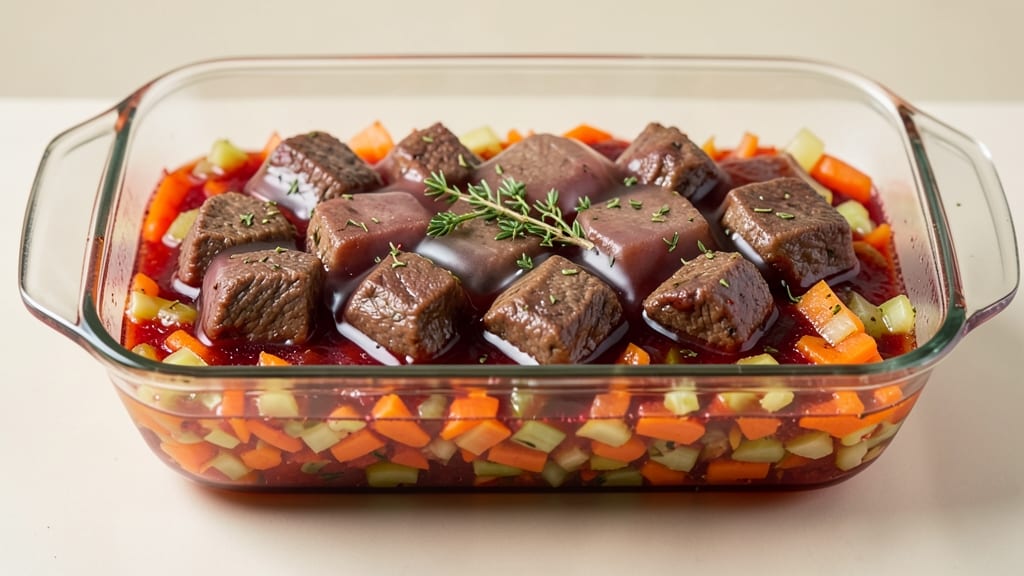
A beef jello recipe that layers tender beef with vibrant gelatin creates a dish as elegant as it is unexpected. This isn't your grandmother's wobbly dessert—it's a sophisticated main course where braised beef meets silky gelatin in perfect harmony.
I first created this during a dinner party when I needed to impress guests with something both striking and substantial.
The beef component starts with slow-braised chuck roast, simmered until fork-tender in a rich red wine and herb broth. Meanwhile, the gelatin transforms into a glossy, savory sauce that coats each slice, adding a luxurious texture.
The contrast between the warm, hearty beef and the cool, delicate jelly creates a dining experience that feels both nostalgic and modern.
What you'll achieve is a dish that looks impressive enough for a holiday table but requires no special skills—just patience and a few simple techniques. The gelatin layer adds visual drama while keeping the beef moist and flavorful.
This recipe proves that culinary creativity doesn't require complicated ingredients, just thoughtful layering.
Serve with crusty bread to soak up the gelatinous sauce or alongside roasted root vegetables for a complete meal. The combination of textures and temperatures makes every bite exciting, transforming an ordinary dinner into something memorable. Let's create this showstopper together.
Ingredients for beef jello
Sixteen ingredients for a dish that looks fancy but feels like a cozy dinner party secret.
| Ingredient | Amount | Notes |
|---|---|---|
| Chuck Roast 🥩 | 2 lb | Bone-in, cut into 1-inch cubes |
| Red Wine 🍷 | 1 cup | Dry, bold variety like Cabernet |
| Beef Broth 💧 | 2 cups | Low-sodium preferred |
| Garlic Cloves 🧄 | 6 cloves | Minced, fresh preferred |
| Carrots 🥕 | 2 medium | Diced, about 1 cup |
| Celery Stalks 🧅 | 2 stalks | Diced, about 1 cup |
| Onion 🧅 | 1 medium | Diced, yellow or red |
| Tomato Paste 🍅 | 2 tbsp | Smooth, no sugar added |
| Unflavored Gelatin 🍫 | 2 tbsp | Powdered, 2 3/4 tsp powder |
| Cold Water 💧 | 1 cup | For blooming gelatin |
| Fresh Thyme 🌿 | 2 tbsp | Chopped, or 1 tsp dried |
| Black Peppercorns 🌶️ | 1 tsp | Freshly cracked |
| Bay Leaves 🍃 | 2 whole | Removed before serving |
| Salt 🧂 | 1 ½ tsp | Diamond Crystal preferred |
| Olive Oil 🫒 | 2 tbsp | Extra-virgin for richness |
| Crusty Bread 🍞 | 8 slices | For serving, optional |
The beef is the backbone—chuck roast gives you that melt-in-your-mouth texture no other cut can match. Costco or Whole Foods usually have it pre-cut, but if you're buying a whole roast, ask the butcher to cube it for you. Look for good marbling—those little white streaks mean more flavor. The wine should be something you'd drink, not cooking wine. Cabernet Sauvignon or Merlot work perfectly here, and you'll use about a glass. For the broth, low-sodium is key—we're building layers of flavor, not drowning them in salt.
No red wine? Substitute beef broth plus 1 tbsp balsamic vinegar—it mimics the depth. Fresh thyme is ideal, but dried works at one-third the amount. If you're in a pinch, even the dried thyme from the spice aisle will do. The gelatin can be tricky—unflavored powdered gelatin is your best bet, but Knox gelatin works too. For the bread, any crusty loaf (sourdough, baguette, or even good-quality sandwich bread) will soak up that gelatinous sauce beautifully. If you're worried about the texture, toast the bread first so it holds up better.
This dish is all about timing—let the beef braise while you prep the gelatin. The gelatin mixture should be completely dissolved before adding to the beef, or you'll end up with lumps. Store the gelatin sauce separately in the fridge for up to 5 days—it'll keep its texture beautifully. The braised beef stays good for 4 days in the fridge, and both components freeze well for 3 months. I like to assemble the layers just before serving so everything stays crisp, but you can prep ahead and layer the next day if needed.
Why You'll Love This Recipe
- One-Pot Magic: I swear by this recipe because it’s literally dump-and-slow-cook. Chuck roast, wine, broth—just toss everything in a pot, set it, and forget it. (Yes, even on a Tuesday night when you’d rather binge Netflix.)
- Wine-Infused Richness: That red wine isn’t just for show—it melts into the beef, turning it tender and layered with deep, savory notes. The garlic and carrots caramelize just enough to add sweetness without overpowering. Honestly, the first bite makes you question why you ever bought pre-made gravy.
- Leftovers That Save: This recipe practically begs to be made in bulk. The beef shreds effortlessly, so I freeze half for lazy Mondays or throw it into sandwiches when I’m too tired to cook. (Between us, that’s half the reason I love it.)
- Budget-Friendly Feast: Chuck roast is the unsung hero of affordable meat—cheaper than steak but just as satisfying when braised right. The wine adds depth without breaking the bank, and the carrots stretch the flavor across every bite. My wallet and taste buds both win.
Step-by-step instructions for beef jello with cold-cut layers
Here's how to transform chuck roast into a showstopping layered dish with silky gelatin and rich beef flavor.
Sear and Simmer the Chuck Roast
Heat the 2 tablespoons olive oil in a large Dutch oven over medium-high heat. Add the 2 lb chuck roast cut into 1-inch cubes and sear until deeply browned on all sides, about 8-10 minutes. This step develops the deep, meaty flavor that will infuse the gelatin layers.
Remove the seared beef and set aside. In the same pot, add 1 medium onion, 2 medium carrots, and 2 stalks celery—all diced. Cook for 5 minutes until softened. Stir in the 6 cloves minced garlic, 2 tablespoons tomato paste, 1.5 teaspoons salt, 1 teaspoon cracked black peppercorns, 2 whole bay leaves, and 2 tablespoons chopped fresh thyme. Pour in the 1 cup red wine and scrape up any browned bits from the bottom.
Return the beef to the pot, add 2 cups beef broth, and bring to a simmer. Cover and cook at a gentle boil for 2 hours, stirring occasionally, until the beef is fork-tender. This slow cooking ensures the meat will shred easily and blend seamlessly into the gelatin mixture.
Strain and Bloom the Gelatin
Use a fine-mesh strainer to remove the beef from the liquid, pressing gently to extract all the flavorful juices. Discard the vegetables and bay leaves. Shred the beef with two forks and return it to the pot. Let the strained liquid cool to 160°F—this prevents the gelatin from setting prematurely.
In a small bowl, sprinkle the 2 tablespoons unflavored gelatin over the 1 cup cold water and let it bloom for 5 minutes. This activates the gelatin, allowing it to fully dissolve and create a smooth, wobbling texture. The cold water is crucial—hot water would cook the gelatin instead of activating it.
Once the beef broth has cooled to 160°F, slowly whisk in the bloomed gelatin mixture until fully dissolved. Return the shredded beef to the pot and stir gently to combine. The mixture should now be a rich, beef-infused liquid with a slight sheen—this is your base for the layered gelatin.
Layer and Chill for Perfect Texture
Pour the beef-gelatin mixture into a 4-cup loaf pan or similar shallow dish. Tap the pan gently on the counter to remove air bubbles, which can create uneven layers. Place the pan in the refrigerator and chill for 4 hours or until fully set. The gelatin will transform from liquid to a firm, jiggly consistency, creating the signature texture of this dish.
While the gelatin sets, prepare the 8 slices crusty bread by lightly toasting them in the oven at 350°F for 5 minutes or until golden. This adds a satisfying crunch that contrasts beautifully with the silky gelatin. Arrange the toasted bread slices on a platter and set aside.
Once the gelatin is fully set, run a sharp knife around the edges of the pan to loosen it. Invert the pan onto the platter with the toasted bread, then carefully lift the pan away. The gelatin should release cleanly, revealing a perfectly layered dish with the bread slices peeking through. Slice into 4 equal portions and serve immediately.
Pro Tips For Making Beef Jello
- Sear the Roast First: Hit that chuck roast with a screaming-hot pan for 3-4 minutes per side before anything else—this locks in juices and builds flavor. I used to skip this and ended up with meat that was fine but forgettable; now it’s the thing that makes the dish sing.
- Deglaze with Wine Immediately: As soon as you remove the roast, pour in that red wine and scrape every last bit of browned goodness from the pan. Let it reduce by half before adding broth—this concentrates the flavor and cuts down on cooking time later. (Yes, even if you’re impatient like me.)
- Don’t Overcrowd the Pot: If you’re using carrots and onions (or other veggies), add them in batches after the roast returns to the pot—otherwise, the liquid won’t simmer properly, and you’ll end up with mushy veggies and a watery jello. Tight spaces = sad results.
- Strain the Broth: After simmering, strain the cooking liquid through a fine-mesh sieve to remove any stray bits of meat or veggie. This isn’t just for presentation—it keeps the jello smooth and velvety, especially if you’re using a cheaper cut of chuck. (Trust me, you’ll notice the difference.)
Serving suggestions for leftovers
Crusty Bread Pairing
Toasted crusty bread is the perfect partner for this dish—it soaks up the gelatinous sauce beautifully while adding a satisfying crunch. I love using sourdough from my local Portland bakery or a baguette from New Seasons Market.
Toast the slices until golden brown at 350°F for 5 minutes, then arrange them on a platter before inverting the gelatin. The contrast between the warm bread and cool gelatin creates a sensory experience that feels both nostalgic and modern. 🍞
Roasted Root Vegetables
For a complete meal, serve alongside roasted root vegetables like carrots, parsnips, and sweet potatoes. Toss them in 2 tablespoons olive oil, 1 teaspoon thyme, and ½ teaspoon salt, then roast at 400°F for 30 minutes until caramelized.
The earthy sweetness balances the rich beef flavor while adding vibrant color to the plate.
Pickled Vegetables
Bright, tangy pickled vegetables cut through the richness of the gelatin and beef. Quick-pickle red onions or radishes in a mix of ½ cup vinegar, 1 tablespoon sugar, and 1 teaspoon salt for 30 minutes.
The acidity refreshes your palate and adds a pop of color that makes the dish feel even more special. I often serve these on the side for guests to add as they please.
Cheese Board Accents
Transform your serving platter into a charcuterie-inspired spread by adding aged cheeses like sharp cheddar or brie. The creamy texture and bold flavors complement the gelatin's silky mouthfeel. Pair with cured meats like prosciutto or salami for an extra layer of sophistication.
This approach turns your dish into a centerpiece that feels like a gourmet experience without requiring extra effort. 🧀
Herb Garnishes
Fresh herbs elevate the presentation and add a burst of brightness. Sprinkle chopped parsley or thyme leaves over the sliced gelatin just before serving. For a more dramatic look, create a herb-infused oil by blending 2 tablespoons olive oil with 1 tablespoon fresh herbs and drizzling it over the top.
The herbs not only look stunning but also enhance the dish's herbal notes.
Wine and Beer Pairings
A bold red wine like Cabernet Sauvignon mirrors the dish's depth, while a crisp white wine such as Sauvignon Blanc offers a refreshing contrast. For beer lovers, a Belgian witbier with its citrusy notes cleanses the palate beautifully.
I often serve this dish with a glass of Pinot Noir—it's light enough to complement the gelatin but rich enough to stand up to the beef. 🍷
Nutrition facts
Frequently asked questions
Why does the gelatin need to bloom in cold water?
Blooming activates the gelatin powder by hydrating it without cooking it prematurely. Cold water creates tiny crystals that dissolve smoothly when heated, while hot water would turn the gelatin into a useless paste. This step ensures your savory gelatin sets perfectly with a clean, wobbling texture.
Can I use store-bought beef broth instead of homemade?
Just choose a low-sodium variety to control seasoning. For extra depth, add 1 teaspoon soy sauce or 1 tablespoon Worcestershire sauce to mimic homemade richness. The key is balancing the flavors so the gelatin doesn't taste flat.
How do I fix lumps in my gelatin?
Lumps happen when gelatin isn't fully dissolved. Gently reheat the mixture over low heat while stirring constantly until smooth, then cool slightly before pouring. For stubborn lumps, strain through a fine-mesh sieve. The secret is patience—never rush the blooming or cooling steps!
Can I make this ahead of time?
Yes! Prepare the braised beef and gelatin sauce separately up to 5 days ahead. Store the beef in its cooking liquid in the fridge, and refrigerate the gelatin mixture in an airtight container. Assemble the layers just before serving to maintain the perfect texture.
What if I don't have a loaf pan?
Use any shallow dish with straight sides—even a lasagna pan or glass baking dish. For individual servings, try small ramekins. The key is chilling time: ensure the gelatin has 4 hours to fully set in your chosen container.