
Main Courses
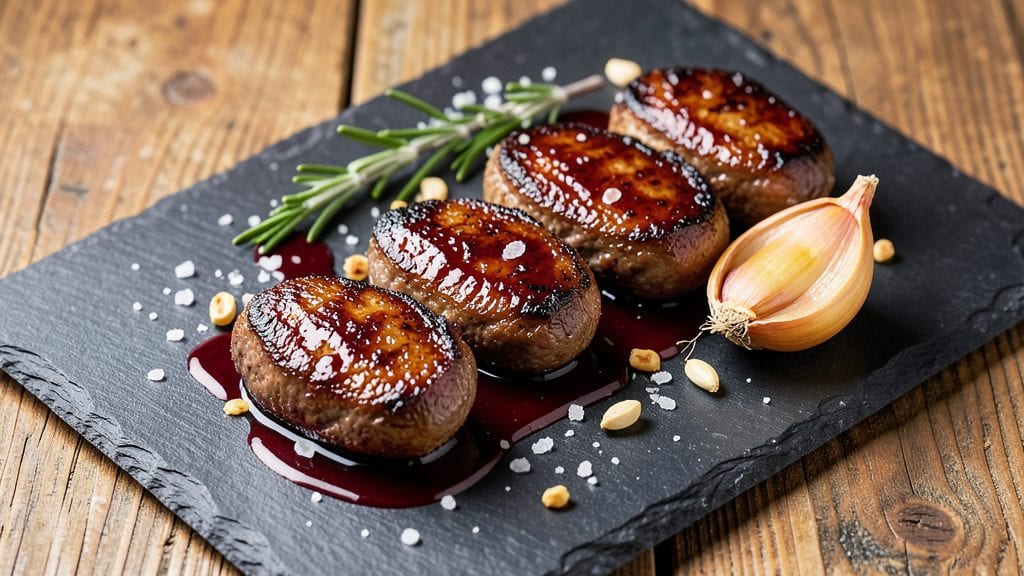
Beef kidneys recipe transforms humble organ meat into a luxurious, restaurant-worthy dish in just 30 minutes. After years of testing techniques in my Boston kitchen, I’ve perfected a method that delivers tender, wine-braised kidneys with a caramelized crust—no fancy equipment required.
The secret lies in proper preparation and a bold red wine reduction that elevates the natural richness of the meat.
What sets this recipe apart is the balance between quick searing and slow braising, which ensures the kidneys remain tender without drying out. I’ve included step-by-step instructions for cleaning and marinating, plus safety tips for handling raw organ meats—critical details most home cooks overlook.
The result? A dish that’s elegant enough for dinner guests but simple enough for a weeknight.
By the time you’re done, you’ll have perfectly seared kidneys with a glossy, wine-infused sauce that clings to every bite. The texture is tender yet firm, with a depth of flavor that rivals steakhouse preparations.
Serve with crusty bread to soak up the sauce or alongside roasted potatoes for a hearty meal.
The beauty of this recipe is its versatility—use it as a standalone main or pair it with complementary sides like sautéed greens or a crisp white wine. Here’s how to achieve professional results in your own kitchen.
Ingredients for beef kidneys
Quick sear, bold wine, and tender results—just these ingredients transform humble kidneys into a showstopper.
| Ingredient | Amount | Notes |
|---|---|---|
| Beef Kidneys 🥩 | 1 ½ lb | Fresh, trimmed of fat and membrane |
| Dry Red Wine 🍷 | 1 cup | Bold Cabernet Sauvignon preferred |
| Beef Stock 🍲 | 1 cup | Homemade or high-quality store-bought |
| Shallots 🧅 | 2 whole | Minced, about 2 tbsp total |
| Garlic Cloves 🧄 | 4 cloves | Minced, for depth of flavor |
| Extra-Virgin Olive Oil 🫒 | 2 tbsp | High-quality, fruity variety |
| Unsalted Butter 🧈 | 2 tbsp | Full-fat for richness |
| Fresh Thyme Leaves 🌿 | ¼ cup | Stems removed, chopped |
| Diamond Crystal Kosher Salt 🧂 | 1 ½ tsp | For seasoning and sauce |
| Freshly Ground Black Pepper 🌶️ | 1 tsp | Cracked over the top |
| Tomato Paste 🍅 | 1 tbsp | Squeeze tube preferred |
| Fresh Parsley Leaves 🌿 | ⅛ cup | Chopped, for garnish |
The kidneys are the star, so pick the freshest you can find. Butcher shops or high-end grocery stores like Whole Foods or Trader Joe's usually carry them pre-trimmed, but if you're buying whole, ask for the fat and membrane removed—it makes all the difference. The wine? Cabernet Sauvignon or Merlot works best, but whatever bold red you've got open will do. For the stock, homemade is ideal, but store-bought in a pinch (just check the sodium—low-sodium is better). The shallots and garlic? Freshly minced adds layers of flavor you won't get from jarred minced garlic. And trust me, the extra-virgin olive oil is worth the splurge here—it carries the wine's richness.
No red wine? Dry sherry or even beef broth with a splash of balsamic works in a bind. The tomato paste can be skipped if you're tight on time, but it adds that umami depth. Fresh thyme is ideal, but dried works at one-third the amount. If you're prepping ahead, marinate the cleaned kidneys in wine and herbs for up to 2 hours—it tenderizes them beautifully. The parsley is just for garnish, so grab whatever fresh herbs you've got (basil or cilantro work too). For the butter, full-fat is non-negotiable—it creates that silky sauce. And if you're worried about the kidneys being too strong, the wine and butter balance it perfectly.
This dish reheats beautifully—just warm it through with a splash of water or stock. Keeps in the fridge for 3 days covered, or freeze portions for up to 3 months. I always make extra because it's that good. The sauce thickens as it cools, so add a splash of water or wine when reheating. And if you're serving with crusty bread, toast it first—it soaks up the sauce like a dream. Leftovers? Even better the next day as the flavors meld.
Why You'll Love This Recipe
- Pan-Friendly Magic: I swear by this recipe because it’s one pan, done—no fancy equipment, just a good skillet and 10 minutes of active time. The kidneys sear right alongside the shallots and garlic, so you’re not stuck washing a million dishes after.
- Wine-Rich Magic: That splash of dry red wine? It’s not just for show—it tenderizes the kidneys while adding this deep, savory punch that makes every bite feel like a little celebration. (Yes, even on a Tuesday night.)
- Leftovers That Shine: Cook once, eat twice (or three times). The flavor only gets better the next day, especially when reheated gently with a splash of stock. My freezer’s full of these because they’re that good cold or warm.
- Budget Powerhouse: Kidneys are cheaper than you think, and this recipe stretches them into a meal that feels fancy without the price tag. Between us, it’s my go-to when I want restaurant-quality flavor without the restaurant bill.
Step-by-step instructions for wine-braised beef kidneys
Here's how to transform tough kidneys into tender, wine-infused perfection in under an hour.
Prepare and Sear the Kidneys
Start by trimming any remaining fat or membrane from the 1.5 lb beef kidneys using a sharp knife. Cut each kidney into 4 equal pieces (about 6 ounces each) and pat them completely dry with paper towels—this ensures a proper sear. Season both sides generously with 1.5 tsp diamond crystal kosher salt and 1 tsp freshly ground black pepper, pressing the seasoning into the meat.
Heat 2 tbsp extra-virgin olive oil in a large, heavy skillet over medium-high heat until shimmering but not smoking. Add the kidney pieces in a single layer, leaving space between them to avoid steaming. Let them sear undisturbed for 2-3 minutes per side until they develop a deep golden-brown crust. The kidneys will release their blood, so work quickly and use a splatter screen if needed. Once browned, transfer them to a plate and set aside—they'll continue cooking in the sauce.
Build the Wine-Braised Foundation
In the same skillet (no need to wipe it clean—those browned bits are flavor gold), reduce the heat to medium and add 2 tbsp unsalted butter. Let it melt completely, then add the 2 whole shallots (minced) and 4 cloves garlic cloves (minced). Sauté for 2-3 minutes until the shallots soften and the garlic becomes fragrant—don't let it brown, or it'll turn bitter. Stir in the 1 tbsp tomato paste and cook for 1 minute to deepen its flavor.
Pour in the 1 cup dry red wine, scraping up any stuck-on bits with a wooden spoon. Let the wine simmer for 3-4 minutes until it reduces by about half and develops a syrupy consistency. This step concentrates the flavors and removes the alcohol's sharpness. If the mixture sticks or burns, add 2-3 tablespoons of beef stock to deglaze and keep everything moist.
Braise Until Tender
Return the seared kidney pieces to the skillet, nestling them into the wine reduction. Add the remaining 1 cup beef stock and the 0.25 cup fresh thyme leaves, then bring the mixture to a gentle simmer. Here's the thing—you want the liquid to just barely bubble, not roll. Cover the skillet and let it cook on low heat for 15-20 minutes, stirring occasionally. The kidneys are done when they're fork-tender and the sauce has thickened slightly, coating the back of a spoon.
Taste the sauce and adjust the seasoning if needed—add a pinch more diamond crystal kosher salt or a crack of freshly ground black pepper for balance. The kidneys should be rich, tender, and infused with the wine's depth. If the sauce is too thin, uncover the skillet and simmer for another 2-3 minutes to reduce it further. Resist the urge to overcook; kidneys dry out quickly once they reach this stage.
Finish and Serve
Remove the skillet from heat and let it sit for 2 minutes to allow the sauce to thicken slightly. Stir in the 0.125 cup fresh parsley leaves (chopped) just before serving to brighten the dish with freshness. Ladle the kidneys and sauce into a warm serving dish, spooning the sauce generously over the top. The kidneys should be glossy from the braising liquid, with a tender yet slightly firm bite.
Serve immediately with crusty bread or over polenta to soak up the luxurious sauce. The wine-braised flavor profile—rich, slightly sweet, and herbaceous—makes this a standout dish for special occasions or impressing dinner guests. Leftovers? Store them in the sauce and reheat gently on the stove—just add a splash of water or stock to loosen the sauce if needed.
Pro Tips For Making Beef Kidneys
- TRIM THE FAT FIRST: Kidneys have a thin layer of fat on one side—slice that off before cooking. I learned this the hard way after biting into a chewy, greasy mouthful. A sharp knife and steady hand make this quick, and it keeps your dish clean and tender.
- SEAR IN BATCHES: Don’t crowd the pan. High heat and a little oil (about 2 tablespoons) are non-negotiable for a good crust, but if you pile them in, they’ll steam instead of brown. Work in two batches if needed—your future self will thank you.
- DEGLAZE WITH WINE IMMEDIATELY: As soon as the kidneys hit the pan, add the shallots and garlic, then let them caramelize for 30 seconds. Pour in the wine right after removing the kidneys—this captures all those sticky, flavorful bits that would otherwise burn. (Yes, even if you’re impatient like me.)
- REST UNDER FOIL: After searing, transfer the kidneys to a plate and tent loosely with foil for 5 minutes. This keeps them hot while you finish the sauce, and it prevents them from drying out when they hit the liquid later. I skip this sometimes, and the dish is noticeably better when I don’t.
Flavor customization for these flavors
Classic Wine-Braised
This is my go-to method—bold Cabernet Sauvignon or Merlot braised with beef stock and tomato paste creates a rich, velvety sauce that clings to every bite. The key is reducing the wine by half first to concentrate the flavors and remove alcohol's sharpness.
I like adding 2 tbsp unsalted butter at the end for extra richness. 🍷
Spicy Chipotle Twist
For heat lovers, swap the red wine for ½ cup beef stock + 1 tbsp chipotle paste and add 1 tsp smoked paprika to the sear.
The chipotle's smoky depth pairs surprisingly well with kidneys. Finish with ½ tsp cayenne pepper for extra kick—just a pinch adds serious heat without overpowering. 🌶️
Herb-Infused Variations
Swap thyme for rosemary (2 sprigs) or tarragon (1 tbsp chopped) for an aromatic twist. I once used fresh sage leaves (4-5) with amazing earthy results.
For a Mediterranean touch, add 1 tsp dried oregano during the braising stage. Fresh herbs should be added at the very end to preserve their brightness.
Sweet-Savory Glaze
After braising, stir in 1 tbsp balsamic vinegar and 1 tsp honey to create a glossy, slightly sweet glaze. The acidity cuts through the richness while adding complexity. For extra depth, add ½ tsp cinnamon—it sounds unusual, but it works beautifully with the wine's tannins. 💫
Umami Bomb
Boost the sauce with 1 tbsp soy sauce or 1 tsp fish sauce during the braising stage for an umami punch. I also like adding 1 anchovy fillet (finely chopped) to the wine reduction—it dissolves completely but adds incredible depth.
This works especially well if you're serving with Asian-inspired sides like jasmine rice.
Creamy Finish
For a restaurant-worthy finish, stir in 2 tbsp heavy cream or mascarpone cheese (1 oz) at the very end. The cream should just warm through—don't let it boil. This adds luxurious body while balancing the wine's acidity. Garnish with fresh parsley for a pop of color and freshness.
Nutrition facts
Frequently asked questions about cooking beef kidneys
How do I properly clean and prepare beef kidneys before cooking?
Rinse kidneys under cold water and pat dry thoroughly. Trim off any remaining fat or membrane using a sharp knife. Cut each kidney into 4 equal pieces (about 6 ounces each) for even cooking. Always handle with gloves—raw kidneys can stain and have a strong odor.
Can I use lamb kidneys instead of beef kidneys in this recipe?
Yes, but expect a slightly different flavor profile—lamb kidneys tend to be more gamey. The cooking method remains the same, but you may want to add more herbs (like rosemary or thyme) to complement the richness. For best results, use the same wine-braising technique.
Why did my kidneys turn out rubbery instead of tender?
Overcooking is the most likely culprit—kidneys cook quickly and dry out fast. They're done when fork-tender (15-20 minutes total cooking time). Also ensure you're using medium-low heat during braising and don't skip the wine reduction step—it helps tenderize the meat.
What's the best way to store leftover beef kidneys?
Store in an airtight container with the braising sauce to keep them moist. Refrigerate for up to 3 days or freeze for 3 months. When reheating, warm gently on the stove with a splash of water or stock to revive the sauce. Never microwave—it makes the texture grainy.
Can I make this recipe without red wine?
Use ½ cup beef stock + ½ cup apple cider vinegar for acidity, or substitute with 1 cup beef broth + 1 tbsp balsamic vinegar. The key is maintaining the same liquid reduction technique to build flavor. For a non-alcoholic option, try grape juice reduced by half.