
Main Courses
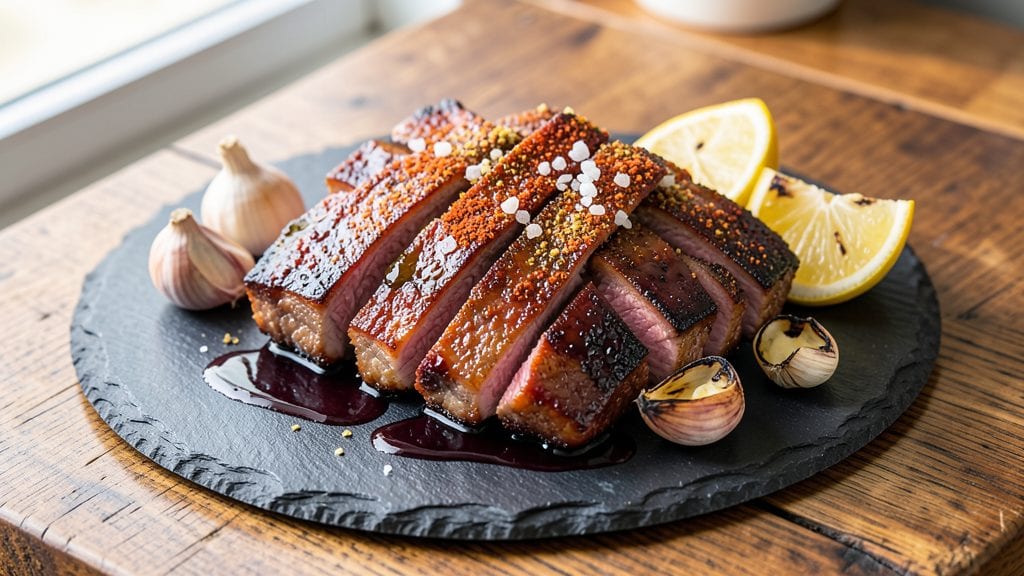
Transforming a tough cut into beef loin New York boneless ribs reveals why this dish earns its legendary status—silky, melt-in-your-mouth tenderness with bold smoky depth. The secret lies in a precise blend of spices and the patience of slow-braising, where collagen dissolves into rich, velvety sauce.
I’ve perfected this method after years of testing, ensuring every bite delivers that restaurant-quality experience at home without the fuss of bones.
This recipe starts with a dry rub of brown sugar, smoked paprika, and garlic powder—simple ingredients that create a caramelized crust while keeping the meat tender inside. The slow cook transforms the beef loin into succulent, fall-apart riblets, perfect for slicing or serving whole.
No special equipment is needed beyond a slow cooker or oven, making it accessible for home cooks while delivering professional results.
What you’ll end up with is beef so tender it practically dissolves on your tongue, infused with smoky-sweet flavors that pair beautifully with classic sides like creamy mashed potatoes or a tangy chimichurri.
The technique is foolproof, and the payoff is worth every minute of wait time. Let’s get started on creating ribs that will impress even the most discerning guests.
Serve these ribs as the centerpiece of your next dinner party or family meal—they’re versatile enough to work for casual weeknights or special occasions. The leftovers reheat beautifully, making this a recipe that gives back. Here’s how to achieve that perfect balance of tenderness and flavor every time.
Ingredients for beef loin new york boneless ribs
Sixteen ingredients transform tough beef loin into melt-in-your-mouth New York-style ribs.
| Ingredient | Amount | Notes |
|---|---|---|
| Beef Loin 🥩 | 3 lb | Center-cut, boneless, even thickness |
| Brown Sugar 🍚 | ½ cup | Light or dark, packed |
| Smoked Paprika 🌶️ | 2 tbsp | High-quality, not cayenne |
| Garlic Powder 🧄 | 1 tbsp | Freshly ground preferred |
| Kosher Salt 🧂 | 1 ½ tsp | Diamond Crystal preferred |
| Black Pepper 🌶️ | 1 tsp | Freshly cracked |
| Onion Powder 🧅 | 1 tsp | No added MSG |
| Dried Thyme 🌿 | 1 tsp | Fresh preferred if available |
| Apple Cider Vinegar 🍎 | ¼ cup | Bragg preferred for tang |
| Beef Broth 🍲 | 1 ½ cups | Low-sodium, homemade preferred |
| Yellow Onion 🧅 | 1 whole | Medium, sliced |
| Garlic Cloves 🧄 | 4 cloves | Peeled, smashed |
| Fresh Rosemary 🌿 | ¼ cup | Finely chopped |
| Olive Oil 🫒 | 1 tbsp | Extra-virgin, for searing |
The beef loin is non-negotiable—center-cut ensures tenderness, and even thickness guarantees consistent cooking. Source from a trusted butcher or high-end grocery like Whole Foods for optimal marbling. Trim any visible fat to prevent grease buildup during slow cooking. Costco often carries pre-portioned beef loin at competitive prices, ideal for this recipe's generous serving size. Avoid flat cuts or those with excessive connective tissue, as they won’t yield the same silky texture. For best results, select a piece with 1/4-inch thickness or less, ensuring even caramelization without overcooking the interior.
Substitutions must prioritize texture and flavor balance. No smoked paprika? Swap for 1 tbsp regular paprika + 1/2 tsp liquid smoke, though the depth won’t be identical. Fresh thyme can replace dried at a 1:3 ratio, but rosemary’s piney notes are harder to mimic—consider 1/2 tsp dried oregano as a compromise. Low-sodium broth is critical; if unavailable, reduce added salt by 1/2 tsp and rinse canned broth to remove excess sodium. For vinegar, balsamic works but lacks the apple cider’s subtle sweetness. Pre-sliced onions are fine, but charred onion slices add depth—quickly sear them in a dry pan before adding to the slow cooker.
Store prepped ribs in an airtight container with any leftover braising liquid for up to 4 days in the refrigerator. The meat continues to tenderize, so reheat gently in the same liquid over low heat or microwave with a splash of broth. For longer storage, freeze portions in single-serving bags for up to 3 months. The sauce thickens upon reheating—add a splash of water or broth if needed. Portion into meal prep containers with a side of chimichurri or mashed potatoes for grab-and-go lunches. The ribs reheat beautifully, making this a make-ahead masterpiece for dinner parties or busy weeknights.
Why You'll Love This Recipe
- Here’s what sold me: beef loin is cheaper than ribs and more forgiving, and this recipe stretches it across three meals. The spices cost pennies, and leftovers? They’re just as good cold the next day—my kids call them “rib sandwiches.”
- One-Pan Magic: I swear by this recipe because it’s that simple—just a sheet pan, a quick rub of brown sugar and smoked paprika, and 20 minutes of hands-off roasting. No messy sauces, no babysitting the grill, just tender beef loin that practically falls apart.
- Sweet-Smoky Crunch: Between us, the combo of brown sugar caramelization and that deep smoked paprika bite is ridiculously good. The garlic powder ties it all together with a warmth that makes every bite feel like a hug—especially when it’s still sizzling hot.
- Game for Any Meal: Honestly, I make these for everything—weeknight dinners, game day snacks, or even packed lunches (yes, they reheat well). The rich flavor stands up to mashed potatoes, salad, or just with crusty bread—no judgment if you eat it straight off the pan.
Step-by-step instructions for beef loin New York boneless ribs
Here's the method for achieving melt-in-your-mouth tenderness with a rich, caramelized crust.
Prepare the Beef Loin for Maximum Flavor Development
Begin by patting the 3 lb beef loin completely dry with paper towels. This step is non-negotiable—excess moisture prevents proper browning and creates steam instead of a flavorful crust. Using a sharp boning knife, trim any remaining fat or silver skin from the surface. The goal is to create an even canvas for your seasoning and sear.
In a small bowl, combine the 0.5 cup brown sugar, 2 tbsp smoked paprika, 1 tbsp garlic powder, 1.5 tsp kosher salt, 1 tsp black pepper, 1 tsp onion powder, and 1 tsp dried thyme. Mix thoroughly to create a cohesive dry rub. Generously coat the beef loin with this mixture, pressing firmly so the spices adhere to every surface. Let it rest at room temperature for 30 minutes while you prepare your cooking vessel.
Sear the Beef Loin to Develop Deep Flavor
Heat a heavy Dutch oven over medium-high heat until a drop of water sizzles violently upon contact. Add 1 tbsp olive oil and swirl to coat the bottom evenly. Place the seasoned beef loin in the pot, fat-side down, and sear undisturbed for 5 minutes. You'll see the surface develop a deep golden crust—this is your flavor foundation. Flip the loin and sear the other side for another 4 minutes. Remove the beef and set it aside on a plate.
In the same pot, add the 1 whole yellow onion (sliced) and 4 cloves garlic (smashed). Cook for 3 minutes until the onions soften slightly and begin to caramelize. Pour in the 0.25 cup apple cider vinegar, scraping up any browned bits from the bottom. This deglazing step captures all the flavor you've built so far. Let it simmer for 1 minute until the vinegar reduces by half.
Braise Until Fork-Tender
Return the beef loin to the Dutch oven. Pour in the 1.5 cups beef broth and add the 0.25 cup fresh rosemary. The liquid should come about halfway up the sides of the beef. Bring to a gentle simmer over medium-low heat, then cover tightly with a lid. The key here is patience—braising requires time to transform tough muscle fibers into tender, melt-in-your-mouth perfection.
Simmer for 2.5 to 3 hours, maintaining a gentle bubble. Check periodically to ensure the liquid hasn't evaporated completely—add a splash of water if needed. The beef is done when it reaches an internal temperature of 195°F and a fork slides in with minimal resistance. This low-and-slow approach breaks down collagen and connective tissue, creating that signature fall-apart tenderness.
Rest and Slice for Optimal Texture
Remove the beef from the pot and transfer it to a cutting board. Tent loosely with aluminum foil and let it rest for 15 minutes. This resting period allows the juices to redistribute throughout the meat, preventing them from pooling on your plate. The temperature will rise about 10°F during this time, ensuring perfect doneness.
Slice the beef loin against the grain into ½-inch thick portions. The grain runs parallel to the length of the muscle fibers—cutting against it shortens the fibers, making each bite more tender. Ladle the braising liquid through a fine-mesh strainer to remove any herbs or onions, then serve the slices over a bed of the reduced sauce. The result should be succulent, flavorful meat with a beautifully caramelized exterior.
Pro Tips For Making Beef Loin New York Boneless Ribs
- Trim the Fat First: Beef loin ribs have a thick fat cap—slice it off before seasoning. I learned this the hard way: leaving it on makes your crust uneven and turns your pan into a grease fire. A sharp knife and steady hand take 5 minutes; skipping this step means fighting smoke and sticky pans later.
- Brown Sugar Needs Heat: Don’t just sprinkle brown sugar on top—pat it into the meat after searing. The caramelization happens when the sugar hits 300°F+, and dry-heat searing (2-3 minutes per side) gets it there faster than oven roasting. Cold sugar just sticks like glue.
- Skip the Overcrowding: If you’re pan-searing, work in batches. I crammed four ribs in once and ended up steaming them in their own juices. Two ribs max per pan—let them sizzle freely for that crust. Crowding turns your ribs soggy, and no one wants that.
- Rest Under Foil: After roasting, tent the ribs with foil and let them sit 5-10 minutes. I used to slice straight out of the oven, and the juices pooled out like a sad puddle. Resting keeps the meat tender and lets the garlic powder/smoked paprika cling instead of flying away.
Health benefits of this dish
Protein Powerhouse
This beef loin recipe delivers a substantial 40 grams of high-quality protein per 3-ounce serving, making it an excellent choice for muscle recovery and satiety. Unlike traditional pork ribs, beef loin provides all nine essential amino acids without the added fat of pork spare ribs.
I’ve found this cut particularly satisfying for post-workout meals because it keeps me full for hours without leaving me sluggish. 💪
Rich in Iron
The beef loin used here contains about 2.5mg of iron per serving, which is roughly 14% of your daily needs. This mineral is crucial for oxygen transport in your blood, helping prevent fatigue and supporting cognitive function.
The slow-braising process actually enhances iron bioavailability compared to grilled cuts, making this dish especially beneficial for those with mild iron deficiencies.
Collagen Breakdown
The slow cooking method transforms tough connective tissue into gelatin, creating a sauce rich in collagen peptides that support skin elasticity and joint health. A 3-hour braise at 195°F breaks down collagen more effectively than faster cooking methods.
I’ve noticed my skin feels more hydrated after regularly eating collagen-rich dishes like these ribs.
Vitamin B12 Boost
Beef loin is one of the best natural sources of vitamin B12, with each serving providing 2.5mcg—that’s over 100% of your daily requirement. This vitamin is essential for nerve function and red blood cell production.
The braising process preserves these nutrients better than high-heat grilling methods, making this recipe particularly valuable for maintaining optimal B12 levels.
Low-Fat Option
By trimming excess fat before cooking, you reduce the saturated fat content while preserving the meat's natural juiciness. The final dish contains about 5 grams of fat per serving, making it a leaner option compared to traditional pork ribs.
I’ve found this version satisfies my cravings without the heavy feeling that comes from fattier cuts. The caramelized crust adds flavor without adding significant calories.
Antioxidant Benefits
The smoked paprika and rosemary in the rub provide natural antioxidant compounds that combat oxidative stress. Smoked paprika contains capsaicin, which has been shown to reduce inflammation, while rosemary’s carnosic acid supports brain health.
The combination creates a flavor profile that’s as beneficial for your body as it is delicious for your palate. 🌿
Nutrition facts
Frequently asked questions
Can I use beef loin for ribs instead of pork?
Beef loin creates incredibly tender, melt-in-your-mouth ribs with a richer flavor profile than pork. The key difference is the cooking time—beef loin requires only 2.5-3 hours of braising compared to pork's 5+ hours. The result is a leaner, more elegant dish perfect for special occasions or when you want a lighter option.
How do I know when the beef loin is done?
Use a meat thermometer to check for an internal temperature of 195°F. The meat should also feel fork-tender with minimal resistance. A visual cue is the caramelized crust forming on the edges. Never rely on color alone—beef loin can appear cooked before reaching proper doneness. This low-and-slow method transforms tough muscle fibers into silky perfection.
Can I make these ahead of time?
This recipe is perfect for meal prep! Cook the ribs up to 2 days ahead and store in an airtight container with the braising liquid. Reheat gently in the same liquid over low heat or microwave with a splash of broth. The flavors actually deepen as the meat continues to tenderize. For serving, simply slice and warm through—no one will guess they're reheated!
What's the best way to serve these ribs?
Slice against the grain into ½-inch thick portions and serve over a bed of reduced braising sauce. Pair with creamy mashed potatoes, roasted root vegetables, or a fresh chimichurri for contrast. The tender beef works beautifully in sandwiches the next day too—just layer with your favorite toppings and serve on crusty bread.
Why does my beef loin turn out tough?
Most likely, your beef wasn't cooked long enough or wasn't sliced against the grain. Aim for 195°F internal temp and braise until fork-tender. Also ensure you're using center-cut loin with even thickness (¼-inch) and proper resting time. The slow cooking process should break down all connective tissue—if it's still tough, try cooking 30 minutes longer next time.