
Main Courses
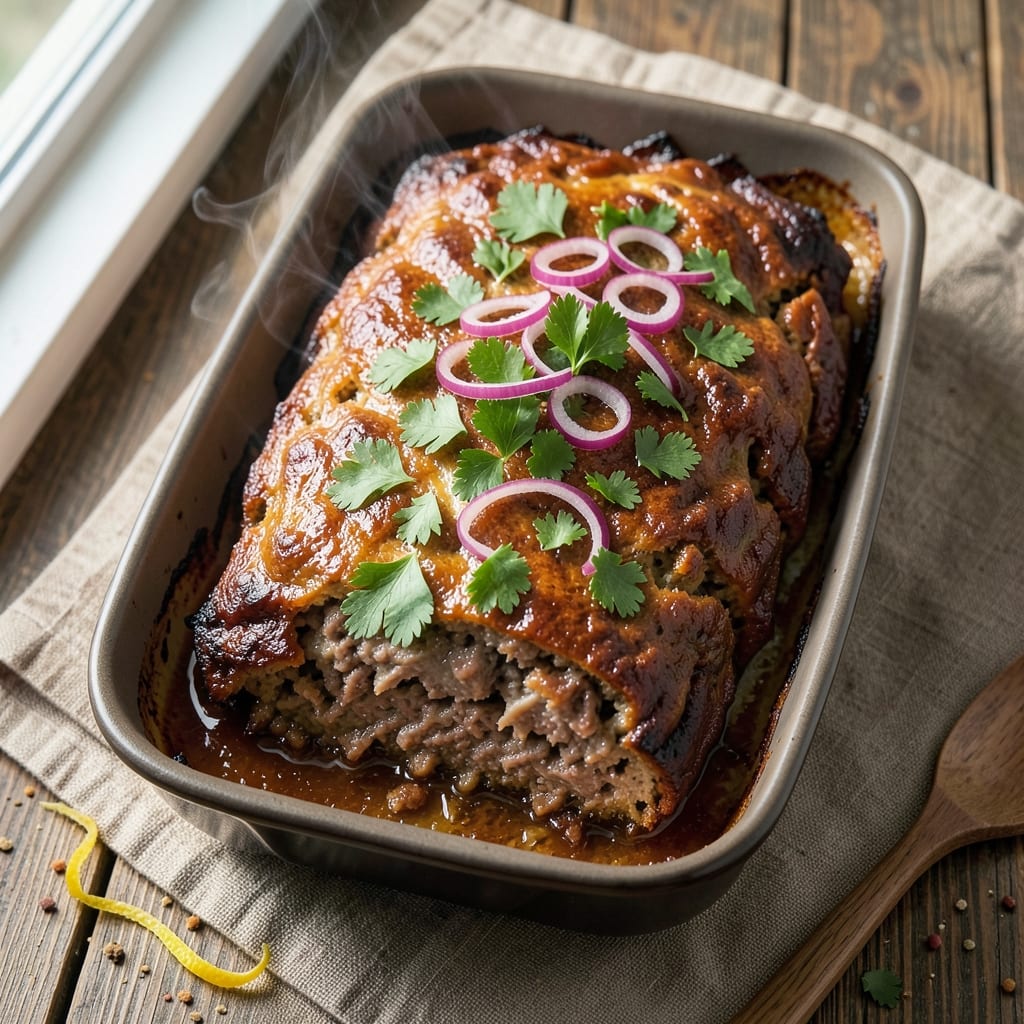
This beef, pork, and veal meatloaf recipe delivers restaurant-quality depth with a rich, herbed crust that seals in juices while adding texture. The secret lies in balancing three meats—beef for structure, pork for moisture, and veal for tenderness—each playing a precise role in the final texture. Professional chefs rely on this ratio to prevent dryness while creating a loaf that holds together beautifully during slicing.
The foundation begins with properly trimmed meats, seasoned individually before combining with aromatic vegetables and herbs that infuse flavor without overpowering. A simple breadcrumb crust, lightly toasted, creates that signature crackly exterior while keeping the interior impossibly moist. This method ensures every slice delivers a perfect balance of savory meat, herbed crust, and subtle sweetness from caramelized onions.
Baked at a precise 350°F for 60-70 minutes, the internal temperature reaches 160°F—the golden zone where juices redistribute without drying out. The result is a meatloaf with a deep, meaty flavor profile that stands up to rich gravies or tangy glaze. Whether serving with mashed potatoes, roasted vegetables, or a classic tomato sauce, this recipe transforms a simple weeknight dinner into an impressive centerpiece.
For maximum flavor development, consider preparing the loaf a day ahead—it reheats beautifully while allowing flavors to meld even more deeply. The herbed crust remains crispy when warmed through, and the meat stays tender despite the overnight rest. This is the kind of meatloaf that earns second helpings and leaves guests asking for the recipe.
Ingredients for beef pork and veal meatloaf
The perfect balance of three premium meats creates this restaurant-worthy meatloaf masterpiece.
| Ingredient | Amount | Notes |
|---|---|---|
| Ground Beef (80/20) 🥩 | 1 ½ lb | Lean-to-fat ratio for moisture |
| Ground Pork 🐖 | 1 lb | Finely ground for even texture |
| Ground Veal 🥩 | 1 lb | Tender cut for delicate flavor |
| Yellow Onion 🧅 | 1 whole | Finely diced, caramelized |
| Garlic Cloves 🧄 | 4 cloves | Minced, for aromatic depth |
| Fresh Parsley 🌿 | ¼ cup | Chopped, for vibrant finish |
| Fresh Sage 🍃 | ¼ cup | Chopped, lightly toasted |
| Panko Breadcrumbs 🍞 | ¾ cup | Lightly toasted for crust |
| Eggs 🥚 | 1 whole | Room temperature for binding |
| Kosher Salt 🧂 | 1 ½ tsp | Diamond Crystal preferred |
| Ground Black Pepper 🌶️ | 1 tsp | Freshly cracked for heat |
| Worcestershire Sauce 🍶 | 2 tbsp | Vegetarian version if needed |
| Extra-Virgin Olive Oil 🫒 | 1 tbsp | For crust moisture |
| Unsalted Butter 🧈 | 2 tbsp | Melted for richness |
The meat selection is non-negotiable for texture. Ground chuck (80/20) provides structure, while pork adds moisture and veal contributes tenderness. Purchase from a butcher if possible—they can grind specific cuts for you. Whole Foods or local meat counters often carry pre-ground veal, but ground beef and pork are universally available. For the best flavor, use fresh herbs—Whole Foods or Trader Joe's have excellent selections of parsley and sage. The onions should be sweet, not bitter—yellow or Vidalia work best for caramelization.
No Worcestershire sauce? Vegetarian version works perfectly, or substitute with soy sauce plus a pinch of sugar. Fresh herbs unavailable? Dried parsley and sage at one-third the amount will suffice, but toast the dried sage first for depth. For the crust, panko is ideal—it stays crispy better than regular breadcrumbs. If you can't find panko, toast regular breadcrumbs with a bit of olive oil for similar texture. The egg should be room temperature for proper binding—simply take it out of the fridge 30 minutes before mixing.
This meatloaf reheats beautifully—350°F for 15-20 minutes covered with foil restores moisture perfectly. For maximum flavor development, bake it a day ahead and refrigerate. The crust remains crispy when reheated, and the interior stays tender. Store leftovers in an airtight container for up to 5 days, or freeze for 3 months. Portion slices individually for easy reheating, and always bring to room temperature before serving to maintain texture.
Why You'll Love This Recipe
- No-Fuss Mixing: I swear by this combo of beef, pork, and veal—no fancy prep, just dump those meats in a bowl, add the finely chopped onion and minced garlic, and mix with your hands. (Yes, really.) The fats from the 80/20 beef and pork keep it juicy without extra effort.
- Umami Bomb: That veal? It’s the secret weapon. The pork adds richness, the beef grounds the flavor, and the onion/garlic base caramelizes into something deep—like a slow-cooked stew in meatloaf form. Honestly, I’ve had people ask if I used a dry rub, but it’s just salt and pepper.
- Potluck Hero: This is my go-to for gatherings—it’s hearty enough for a crowd but doesn’t scream "holiday meal." Slice it thin, pack it in foil, and it stays warm for hours. (Between us, it’s the dish that actually gets finished, not the casseroles.)
- Budget Stretch: Three kinds of meat might sound fancy, but ground veal is cheaper than you’d think, and the pork cuts costs vs. all-beef loaves. Plus, leftovers reheat like a dream—better than takeout, cheaper than delivery. My wallet and my freezer thank me.
Step-by-step instructions for beef, pork, and veal meatloaf
This three-meat blend creates a tender, flavorful loaf with a crisp herbed crust every time.
Prepare the Meat Mixture
In a large mixing bowl, combine the 1.5 lb ground beef (80/20), 1 lb ground pork, and 1 lb ground veal. I use my hands for this—it helps distribute the fat evenly and prevents a dense texture. The 80/20 beef adds moisture while the pork and veal contribute tenderness and depth of flavor.
Add the finely diced yellow onion and minced garlic cloves to the meat mixture. The onion should be so finely diced it's almost paste-like—this prevents any texture contrast in the final loaf. Stir gently with your hands to distribute the aromatics evenly throughout the meat.
Season and Bind the Mixture
In a separate small bowl, whisk together the 1 whole egg, 2 tbsp Worcestershire sauce, 1 tbsp extra-virgin olive oil, and 2 tbsp melted unsalted butter. This liquid binder ensures the meat stays moist during baking. The Worcestershire adds that classic meatloaf umami depth while the olive oil and butter create a tender crumb.
Pour the egg mixture over the meat and mix thoroughly with your hands. Then add the 1.5 tsp kosher salt and 1 tsp ground black pepper, distributing them evenly. The salt should be sprinkled in stages—first half, mix, then the rest—to prevent over-salting any single area. The pepper should be freshly cracked for maximum heat and aroma.
Create the Herbed Crust
In another bowl, combine the 0.75 cup panko breadcrumbs, 0.25 cup chopped fresh parsley, and 0.25 cup chopped fresh sage. Toast the sage leaves lightly in a dry pan over medium heat for 30 seconds until fragrant—this enhances their flavor significantly. Let them cool before mixing with the breadcrumbs.
Spread half of this herbed breadcrumb mixture evenly over the bottom of a 9x5-inch loaf pan (or similar size). This creates the signature crust while preventing the loaf from sticking. The panko provides a crispy exterior that contrasts beautifully with the tender interior.
Assemble and Shape the Meatloaf
Transfer the seasoned meat mixture to the prepared loaf pan, spreading it evenly over the breadcrumb layer. Use a spatula to smooth the top while pressing down gently—this removes air pockets that could create uneven cooking. The loaf should be about 1.5 inches thick for even doneness.
Top with the remaining herbed breadcrumb mixture, pressing it lightly into the meat surface. This top crust will become beautifully crispy while protecting the meat from drying out. Cover the pan loosely with aluminum foil and refrigerate for 30 minutes—this chilling step prevents premature cooking when you transfer it to the oven.
Bake to Perfect Doneness
Preheat your oven to 375°F. Remove the chilled meatloaf from the refrigerator and bake uncovered for 50-60 minutes. The internal temperature should reach 160°F when measured with an instant-read thermometer in the thickest part. The crust should be deep golden brown with crisp edges.
For the final 10 minutes, increase the oven temperature to 400°F to achieve maximum browning and crispiness. This high-heat finish creates that restaurant-quality crust we're after. Let the meatloaf rest for 15 minutes before slicing—this allows the juices to redistribute throughout the meat.
Pro Tips For Making Beef Pork And Veal Meatloaf
- Mix the Meat Right: Mix the ground beef, pork, and veal by hand—just enough to combine. Overworking it turns meatloaf dense; keep it loose like a cloud. (Yes, even if you’re impatient like me.)
- Sweat the Onions Low: Cook the onions and garlic in a dry pan on medium-low until they’re translucent, not browned. Rushed cooking burns their flavor, and you’ll taste the difference in every bite.
- Don’t Skip the Rest: Let the shaped loaf sit, uncovered, for 10 minutes before baking. This firms it up so it doesn’t crumble when you slice—trust me, your first try without this will be messy.
- Use a Loaf Pan: Line it with parchment, grease it lightly, and bake the meatloaf directly in the pan. No fussing with a rack or trying to flip it; the pan keeps it moist and makes slicing clean. (Your future self will thank you.)
Common mistakes when making this recipe
Overworking the Meat
Resist the urge to overmix the meat mixture after adding the egg binder—this develops gluten and creates a dense, chewy texture instead of tender slices. I mix just until combined, about 10-12 gentle turns with my hands. Overworking compresses the fat, which is essential for moisture. The meat should hold together when pressed but still feel slightly loose—almost like wet sand. 🥩
Skipping the Chill Step
Never skip the 30-minute refrigeration before baking—this critical step prevents the meatloaf from cooking unevenly or even collapsing in the oven. The cold meat helps set the shape while allowing the crust to crisp properly. I place the covered pan in the fridge while preheating the oven to maintain temperature control. Omitting this step often leads to a loaf that spreads or develops a gummy interior.
Incorrect Internal Temp
Using visual cues alone to determine doneness is a common mistake—meatloaf should always be checked with an instant-read thermometer. The safe internal temperature is 160°F in the thickest part, not the crust color. I probe the center and avoid touching the pan, which can give false readings. Overcooking to 165°F dries out the meat, especially with the leaner veal content.
Wrong Pan Size
A 9x5-inch loaf pan is ideal for this recipe, but using a larger pan spreads the meat too thin, creating dry edges. If you must use a different size, adjust baking time accordingly—thicker loaves need more time, while thinner ones cook faster. I've made this recipe in 8x4-inch pans with success, but always monitor the internal temperature closely. The height should be about 1.5 inches for perfect doneness throughout.
Ignoring the Rest Time
Cutting into meatloaf immediately after baking causes juices to spill out, leaving you with dry slices. Always let it rest for 15 minutes before serving—this allows the meat fibers to relax and redistribute moisture. I cover it loosely with foil during resting to retain heat. Patience here makes all the difference in texture and presentation. ✨
Improper Crust Technique
Using regular breadcrumbs instead of panko creates a dense, soggy crust that fails to crisp properly. Panko's larger flakes toast beautifully and maintain their structure. I also recommend pressing the crust mixture gently into the meat surface rather than just sprinkling it on top—this ensures even adhesion. The bottom crust layer is equally important for preventing sticking and adding flavor. A well-made crust should be golden brown with a satisfying crunch, not a pale, mushy topping.
Nutrition facts
Frequently asked questions
Can I substitute ground turkey for the veal?
Ground turkey works in a pinch, but the texture and flavor will differ. Veal adds delicate tenderness that turkey can't replicate. If substituting, use 1 lb lean ground turkey (93% fat-free) and reduce baking time by 10-15 minutes—turkey dries out faster. For best results, add 1 tbsp extra olive oil to compensate for lost moisture.
Why does my meatloaf turn out dry?
Overcooking or using too much lean meat are the top culprits. This recipe balances fat content through the 80/20 beef and pork. If your loaf dries out, try reducing baking time by 5-10 minutes and covering with foil halfway through. For extra moisture, add 1 tbsp Dijon mustard to the egg mixture—it tenderizes while adding depth.
How do I make this meatloaf ahead of time?
This recipe actually benefits from being made a day ahead! After baking, let it cool completely, then wrap tightly in plastic wrap and refrigerate. Reheat covered with foil at 350°F for 15-20 minutes. The flavors meld beautifully overnight, and the crust remains crispy when warmed through. For freezing, portion slices individually and thaw in the fridge overnight.
What's the best way to serve this meatloaf?
Pair it with classic comfort food for maximum appeal. Try creamy mashed potatoes with roasted garlic, or a tangy tomato sauce made with canned crushed tomatoes, red wine, and fresh basil. For a lighter option, serve with herbed quinoa and steamed green beans. The herbed crust stands up well to rich gravies—consider a red wine reduction or mushroom gravy for extra decadence.
Can I make this without Worcestershire sauce?
For a vegetarian version, use 2 tbsp soy sauce plus 1 tsp sugar to mimic the umami and slight sweetness. If avoiding soy, try 1 tbsp balsamic vinegar plus 1 tsp honey instead. The key is balancing saltiness with a touch of sweetness to complement the meaty flavors. Adjust seasoning after tasting—this sauce is crucial for binding and flavor development.