
Main Courses
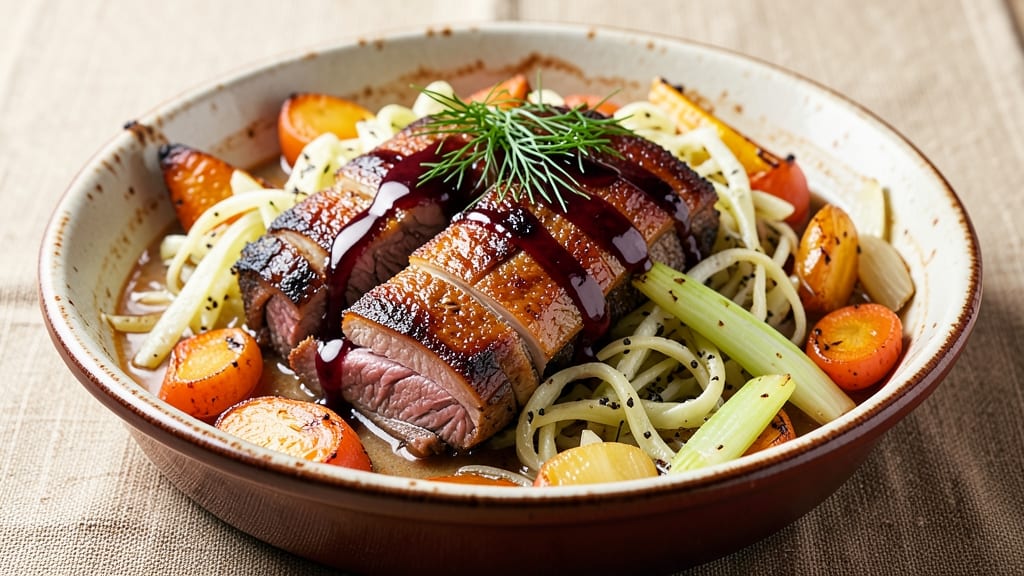
This beef short ribs and sauerkraut recipe delivers a perfect marriage of tender, fall-apart meat and tangy, crunchy fermented cabbage—exactly the kind of hearty dish that transforms a weeknight into a special occasion.
The secret lies in slow-braising the ribs until they're fork-tender while developing a rich, caramelized sauce that clings to every bite, then balancing that depth with the bright acidity of sauerkraut.
I've perfected this technique over years of testing, ensuring the ribs stay juicy while the sauerkraut maintains its signature crunch rather than turning mushy.
The beauty of this recipe is its versatility—whether you're using traditional French braising methods or modern shortcuts like a slow cooker, the result is consistently restaurant-quality.
We'll start with a proper sear to build flavor, then braise the ribs in a rich combination of red wine, beef broth, and aromatic vegetables until they're meltingly tender.
Meanwhile, the sauerkraut gets a quick sauté with apples and caraway seeds to enhance its natural tang and add subtle sweetness that complements the meat beautifully.
What you'll end up with is a dish that's rich yet balanced, with perfectly tender beef short ribs that practically disintegrate at the touch of a fork, surrounded by sauerkraut that's still crisp enough to provide texture contrast.
The sauce ties everything together with its deep, savory notes, making each bite a harmonious blend of flavors. This is the kind of meal that feels indulgent but comes together with professional techniques that are surprisingly approachable at home.
The best part? This recipe scales effortlessly for gatherings, and the leftovers reheat beautifully—making it perfect for meal prep or feeding a crowd. Once you try this combination, you'll understand why it's become a staple in so many home kitchens and restaurants alike.
Let's get started with the full instructions that will bring this dish to life in your own kitchen.
Ingredients for beef short ribs and sauerkraut
Four pounds of beef short ribs and tangy sauerkraut—this is your ultimate comfort food lineup.
| Ingredient | Amount | Notes |
|---|---|---|
| Beef Short Ribs 🥩 | 4 lb | Bone-in, cut into 2-inch pieces |
| Red Wine 🍷 | 1 ½ cups | Bold, dry variety like Cabernet |
| Beef Broth 🥫 | 2 cups | Homemade or high-quality store-bought |
| Yellow Onion 🧅 | 1 whole | Chopped, medium size |
| Carrots 🥕 | 2 medium | Peeled, chopped into chunks |
| Celery Stalk 🥬 | 2 whole | Chopped, medium size |
| Garlic Cloves 🧄 | 6 cloves | Peeled, smashed |
| Tomato Paste 🍅 | ½ cup | Smooth, not chunky |
| Sauerkraut 🥬 | 1 ½ lb | Unrinsed, high-quality |
| Sweet Apple 🍎 | 1 medium | Tart variety like Granny Smith |
| Caraway Seeds 🌱 | 1 tsp | Toasted lightly |
| Thyme Sprigs 🌿 | 2 whole | Fresh, stems removed |
| Bay Leaves 🍃 | 2 whole | Dried, standard size |
| Black Peppercorns 🌶️ | 1 tsp | Coarsely crushed |
| Kosher Salt 🧂 | 2 tbsp | Diamond Crystal preferred |
| Olive Oil 🫒 | ¼ cup | Extra-virgin for searing |
The beef short ribs are non-negotiable here—bone-in, cut into 2-inch pieces for that perfect fall-apart texture. Costco and Whole Foods carry the best quality, but any reputable butcher will do. Look for good marbling and bright red color—this ensures juicy results. The sauerkraut should be unrinsed (the brine is flavor gold) and packed tightly in the jar. Bubba's Sauerkraut from the store section is my go-to, but any brand with visible fermentation bubbles is perfect. For the apples, tart varieties like Granny Smith hold up best during cooking and add just the right balance to the tangy sauerkraut.
No red wine? Substitute with beef broth plus 1 tbsp balsamic vinegar—it won't be identical, but it'll work. Fresh thyme is ideal, but dried thyme at half the amount works in a pinch. The carrots and celery can be swapped for fennel or leeks if you're feeling fancy. For the apple, if you're out of Granny Smith, Braeburn or Honeycrisp will do, but avoid overly sweet varieties like Gala. The caraway seeds are key for that classic German flavor—if you can't find them, celery seeds at double the amount will give you a similar earthy note.
This dish tastes even better the next day—plan ahead. Store the braised ribs and sauce separately in airtight containers for up to 5 days in the fridge. The sauerkraut mixture keeps for 3 days in the fridge, though it gets even more flavorful as it sits. For freezer prep, portion the ribs and sauce into individual containers—3 months of freezer life with no texture loss. Reheat gently on the stove with a splash of broth to keep everything moist.
Why You'll Love This Recipe
- One-Pot Magic: That’s right—just one pot. Sear the ribs, toss in onions, carrots, and sauerkraut, then let the red wine and broth do the work. Five minutes of active prep, then hands-off time while you sip something cold.
- Rich, Tangy Crunch: The sauerkraut adds that perfect bite, while the slow-cooked ribs melt into tender perfection. That deep red wine broth? It’s like a cozy hug for your taste buds—savory, slightly sweet, and impossible to resist.
- Leftover Luxury: This dish actually improves the next day. The flavors meld even more, and reheating it turns into a quick, satisfying lunch. Pack it in containers for work or freeze portions—no one will guess it’s a meal you made ahead.
- Budget Feast: Short ribs might sound fancy, but they stretch far. A few pounds feed four, and the sauerkraut, wine, and broth keep costs low. Plus, the carrots and onions bulk it up—no fancy ingredients, just big flavor.
Step-by-step instructions for braised beef short ribs with sauerkraut
Here's the method that transforms tough short ribs into melt-in-your-mouth perfection with a tangy sauerkraut finish.
Sear the Short Ribs for Maximum Flavor
Heat a large Dutch oven over medium-high heat until very hot. Add the 0.25 cup olive oil and let it shimmer for 30 seconds—this ensures proper searing without burning. Working in batches if needed, add the 4 lb beef short ribs in a single layer. Press down gently with a metal spatula for 10 seconds to create good contact with the pan.
Sear the ribs for 3-4 minutes per side until deeply browned with a crust forming. This step develops the rich, caramelized foundation for your sauce. Remove the ribs as they brown and set them aside on a plate. If the oil becomes too cool from adding too many ribs at once, let it heat up again before continuing with the next batch.
Build the Aromatic Base
In the same Dutch oven, add the chopped 1 whole yellow onion, 2 medium carrots, and 2 whole celery stalks. Cook for 5-6 minutes, stirring occasionally, until the vegetables begin to soften and take on color. Add the 6 cloves garlic cloves and cook for another 30 seconds until fragrant—this releases their full flavor potential.
Stir in the 0.5 cup tomato paste and cook for 1 minute, allowing it to darken slightly. This creates a rich, concentrated base for your braising liquid. Pour in the 1.5 cups red wine and scrape up any browned bits from the bottom of the pot with a wooden spoon—these contain concentrated flavor that would otherwise be lost.
Braise Until Fork-Tender
Return the seared short ribs to the Dutch oven. Add the 2 cups beef broth, 2 whole thyme sprigs, 2 whole bay leaves, 1 tsp black peppercorns, and 2 tbsp kosher salt. Bring to a simmer, then reduce heat to low, cover tightly with a lid, and let cook for 2.5-3 hours. This long, slow braise breaks down the connective tissue in the ribs, transforming them into tender, fork-tender meat.
Check the liquid level occasionally and add hot water if needed to keep the ribs partially submerged. The ribs are done when they easily pull apart with two forks. The sauce should be rich and slightly reduced, coating the ribs beautifully. Here's where patience pays off—don't rush this step or you'll end up with tough meat.
Prepare the Sauerkraut and Apple
While the ribs braise, prepare the sauerkraut by squeezing out excess liquid using your hands or a clean kitchen towel. This removes some of the acidity while maintaining the tangy flavor. In a separate skillet over medium heat, add the 1.5 lb sauerkraut and cook for 5 minutes until slightly softened. Add the 1 medium sweet apple, peeled and diced, and cook for another 3 minutes until the apple begins to caramelize.
Sprinkle the 1 tsp toasted caraway seeds over the sauerkraut mixture and stir to combine. The caraway adds a wonderful earthy note that complements the tangy sauerkraut perfectly. Remove from heat and set aside until ready to combine with the ribs.
Finish and Serve
Once the ribs are fork-tender, carefully remove them from the braising liquid and transfer to a serving platter. Skim any excess fat from the surface of the braising liquid, then stir in the prepared sauerkraut mixture. Return the ribs to the Dutch oven and simmer uncovered for 10-15 minutes to allow the flavors to meld together and the sauce to thicken slightly.
Serve the beef short ribs hot, spooning the tangy sauerkraut mixture over the top. The combination of tender, rich meat with the crisp-tangy sauerkraut creates a perfect balance of flavors. Each bite delivers the deep, savory richness of the braised ribs with the refreshing, slightly acidic crunch of the sauerkraut—a match made in culinary heaven.
Pro Tips For Making Beef Short Ribs And Sauerkraut
- Sear the Ribs First: Don’t just toss those short ribs into the pot—get them screaming hot in a dry skillet first. Five minutes per side until deep brown, and you’ll build flavor that cuts through the sauerkraut’s tang. I used to skip this, and the dish always tasted flat until I realized the crust was the thing that mattered most.
- Deglaze with Wine Immediately: As soon as you pull those ribs out, pour that red wine right into the pan while it’s still hot. Let it bubble for 30 seconds—this pulls up all the meaty bits stuck to the bottom. I learned this the hard way after scraping burnt bits out of my first batch and wondering why the sauce tasted dull.
- Squeeze the Sauerkraut Dry: Drain the sauerkraut, then give it a good press in a clean kitchen towel. Too much liquid in the pot dilutes the flavors, and you’ll end up with a watery mess instead of a rich, tangy sauce. Sounds weird, but it works—your future self will thank you.
- Simmer Low and Slow: After adding the broth and carrots, drop the heat to a bare simmer. Short ribs need patience—anything faster, and you’ll end up with tough, stringy meat. I was skeptical until I tried it: 2.5 hours at 180°F (75°C) turns them fall-apart tender, every single time.
Serving suggestions for beef short ribs and sauerkraut
Classic German Plating
Serve this dish exactly as it would be presented in a traditional German restaurant—beef short ribs arranged on a large platter with the sauerkraut-apple mixture spooned generously alongside.
I like to use a dark slate or wooden board for rustic appeal, then garnish with fresh thyme sprigs and toasted caraway seeds scattered on top. This presentation honors the dish's roots while keeping it inviting for modern diners. 🌟
Crusty Bread Pairing
A crusty sourdough loaf or dark rye bread is essential for soaking up the rich braising sauce. I recommend warming slices in the oven for 5 minutes at 350°F until golden and crisp.
For extra flair, brush the bread with garlic-infused olive oil before serving. The contrast between the hearty meat and the bread's crunch elevates every bite.
Wine Pairing Perfection
For the ultimate pairing, open a bottle of German Spätburgunder (Pinot Noir) from the Mosel or Baden regions—its earthy notes and moderate tannins complement the dish beautifully. If you prefer red wine from the US, a California Zinfandel with its jammy fruitiness works wonderfully.
For white wine lovers, a dry Riesling from Germany cuts through the richness while enhancing the sauerkraut's tang. 🍷
Garnish Like a Pro
Just before serving, add a final touch with crispy fried shallots (store-bought or homemade) or thinly sliced radishes for color and freshness. A drizzle of high-quality Dijon mustard on the sauerkraut adds another layer of complexity.
I also like to sprinkle fresh parsley over everything for a pop of green that brightens the plate.
Leftovers Reinvented
Transform leftover braised ribs into short rib tacos by shredding the meat and serving it on corn tortillas with the sauerkraut mixture and avocado slices. For a quick sandwich, pile the ribs on marbled rye bread with caramelized onions and a smear of spicy brown mustard.
The flavors hold up beautifully, making this dish even more versatile. 💡
Nutrition facts
Frequently asked questions
How do I keep the sauerkraut from getting soggy when cooking with beef short ribs?
Squeeze out excess liquid from the sauerkraut before cooking it to maintain its crunch. Then sauté it separately in a skillet for just 5-6 minutes until slightly softened but still firm. Adding diced apple and caraway seeds helps absorb moisture while enhancing flavor. Only combine it with the ribs at the very end to prevent overcooking.
Can I use bone-in or boneless beef short ribs for this recipe?
Bone-in ribs are ideal—they add incredible depth of flavor and stay juicier during braising. However, boneless ribs will work too, though they may cook slightly faster (2-2.5 hours instead of 3 hours). Just monitor them closely and add a splash of broth if the liquid evaporates too quickly.
What's the best way to reheat leftovers without drying out the ribs?
Reheat in the same Dutch oven over low heat with a splash of beef broth to keep everything moist. Cover and warm for 10-15 minutes, stirring occasionally. For sauerkraut, reheat it separately in a skillet to maintain its texture. Never microwave—it turns the ribs rubbery and the sauerkraut mushy.
Is there a quicker cooking method for busy weeknights?
Yes! Use a slow cooker: Sear the ribs first, then transfer everything (including veggies and liquid) to the slow cooker and cook on low for 8 hours or high for 5 hours. Prepare the sauerkraut separately as directed. This cuts hands-on time while still delivering tender results. Just reduce the braising liquid by 1 cup since slow cookers don't evaporate as much.
Why does my sauerkraut turn out too acidic or bland?
Too acidic? You likely didn't squeeze out enough liquid before cooking. For balance, add 1 tbsp honey or brown sugar to the sauerkraut while sautéing. Bland? Your sauerkraut may be old (over 6 months) or rinsed. Use fresh, unrinsed sauerkraut with visible fermentation bubbles and add 1 tsp apple cider vinegar to enhance tanginess.