
Main Courses
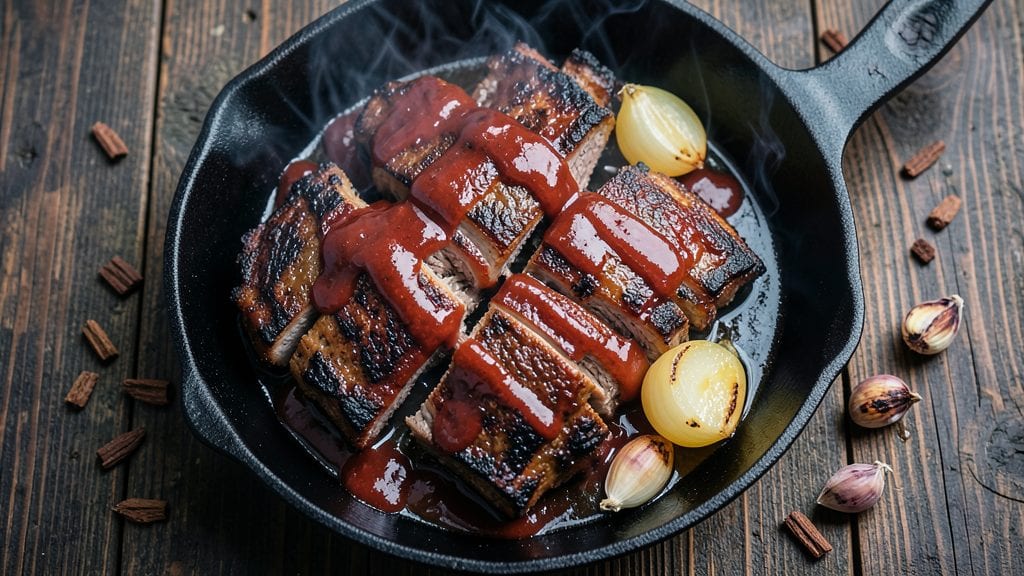
This beef shoulder Texas-style ribs recipe unlocks the secret to melt-in-your-mouth tenderness and a smoky, crackling crust that makes every bite unforgettable. This recipe transforms tough beef shoulder into melt-in-your-mouth perfection using the proven 3-2-1 method—three hours wrapped, two hours unwrapped, and one final hour for that coveted crust.
After years of perfecting this technique, I can confidently say these ribs rival any competition-style cook.
The secret lies in low-and-slow cooking with post-oak or hickory wood, which infuses the meat with deep, smoky flavors while breaking down connective tissue into rich, juicy goodness.
You'll need a reliable heat source—whether it's a smoker, oven, or grill—but the process itself is straightforward once you understand the timing and temperature control. The key is patience; rushing this method will leave you with tough meat instead of the tender masterpiece you're aiming for.
By the time you're done, you'll have ribs that are so tender they practically fall apart at the touch of a fork, with a dark, caramelized bark that adds layers of smoky sweetness.
The aroma alone will have everyone gathering around your table, and the first bite will silence any doubters. These ribs are perfect for feeding a crowd or saving leftovers for sandwiches the next day—just make sure to have plenty of napkins ready.
Serve with classic sides like baked beans, cornbread, or tangy coleslaw to complete the Texas-style experience. The combination of rich, smoky ribs with these traditional accompaniments creates a meal that feels like a celebration. Let's get started on creating ribs that will become your new signature dish.
Ingredients for beef shoulder texas style ribs
Six pounds of beef shoulder and a handful of pantry staples transform into Texas-style ribs that'll have everyone begging for seconds.
| Ingredient | Amount | Notes |
|---|---|---|
| Beef Shoulder (Bone-In) 🥩 | 6 lb | Well-marbled, 1-1.5 inch thickness |
| Yellow Onion 🧅 | 2 whole | Yellow or red, sliced into wedges |
| Garlic Cloves 🧄 | 8 cloves | Peeled, smashed for flavor infusion |
| Post-Oak Wood Chips 🌳 | 2 cups | Or hickory for classic Texas smoke |
| Apple Cider Vinegar 🍏 | ½ cup | For tenderizing and tangy depth |
| Brown Sugar 🍚 | ½ cup | Light or dark, packed firmly |
| Smoked Paprika 🌶️ | 2 tbsp | For that unmistakable Texas smokiness |
| Kosher Salt 🧂 | 2 tbsp | Diamond Crystal preferred for purity |
| Black Peppercorns 🌶️ | 1 tbsp | Freshly cracked for robust flavor |
| Mustard Powder 🍯 | 1 tbsp | Adds subtle tang and depth |
| Worcestershire Sauce 🍶 | 2 tbsp | For umami complexity |
| Beef Broth 🍲 | 1 cup | Low-sodium, for moisture |
| Aluminum Foil 📄 | 2 sheets | Heavy-duty for wrapping |
| Butter 🧈 | 4 tbsp | Unsalted, for basting and bark |
The beef shoulder is non-negotiable here—look for cuts with good marbling and at least 1-1.5 inches of thickness. Local butchers often have better quality than grocery stores, and they'll usually cut it for you if you ask. If you're buying from the store, Costco or Whole Foods carry reliable bone-in beef shoulders. The wood chips? Post-oak is traditional, but hickory works too—just avoid fruitwoods like cherry, which can overpower the beef. Soak the wood chips in water for at least 30 minutes before using to prevent burning, and keep a spray bottle handy to keep them moist during cooking. That first smoke ring? Worth every minute of prep.
No post-oak chips? Hickory or pecan are solid substitutes, though they'll give a slightly different flavor profile. Running out of apple cider vinegar? White vinegar or lemon juice work in a pinch, though the flavor will be slightly sharper. The brown sugar can be swapped for turbinado or muscovado for different depth. For a deeper smoky flavor, add 1 tbsp of liquid smoke to the beef broth. The mustard powder is key—it cuts through the richness and adds complexity. If you're missing it, a mix of Dijon mustard and a pinch of cayenne can stand in, but it won't be quite the same. Always use unsalted butter for basting to control the seasoning—salted can make the bark too salty.
These ribs reheat beautifully—just wrap them in fresh foil and warm in a 275°F oven for 20-30 minutes. Store leftovers in the fridge for up to 5 days, or freeze for 3 months by wrapping tightly in foil and plastic wrap. For sandwiches, slice between the bones and pile high on toasted brioche buns with pickles and coleslaw. The bark gets crispier as it sits, so if you're not serving immediately, let them rest at room temperature for 10-15 minutes before slicing. Trust me, the wait is worth it for that perfect crack.
Why You'll Love This Recipe
- Minimal Chopping Required: I swear by this—just slice the onion into wedges, smash a few garlic cloves, and toss them on the grill with the ribs. No dicing, no mincing, no stress. The post-oak wood chips handle the rest while you sip your drink.
- Smoky-Sweet Magic: That apple cider vinegar in the rub? It’s the secret weapon—tangy enough to cut through the beef’s richness while the oak smoke gives it that deep, campfire-kissed flavor. You’ll taste it in every bite, no fancy sauce needed.
- Leftovers That Don’t Suck: Most ribs turn dry or sad the second day. Not these. The bone-in shoulder stays juicy, and the smoky crust? Even better cold. Wrap them in foil, reheat in the oven, and boom—next-day sandwiches or tacos without the fuss.
- Budget-Friendly Crowd-Pleaser: A whole beef shoulder costs less than half the price of pre-cut ribs, and it feeds six without breaking the bank. Honestly, my grocery budget thanks me every time I make this—plus, no one leaves hungry. (Yes, even my picky teen.)
Step-by-step instructions for Texas-style beef shoulder ribs
Here's the method that delivers that iconic Texas-style bark with melt-in-your-mouth tenderness.
Prepare the Dry Rub and Prep the Meat
In a medium bowl, combine the 2 tablespoons smoked paprika, 2 tablespoons kosher salt, 1 tablespoon black peppercorns (freshly cracked), 1 tablespoon mustard powder, and 2 tablespoons Worcestershire sauce. Mix thoroughly to create a cohesive paste. This blend is what will create that signature Texas bark while keeping the meat tender.
Pat the 6 lb beef shoulder completely dry with paper towels—this is critical for bark formation. You want the surface completely moisture-free so the rub can adhere properly. Spread the dry rub mixture evenly over the entire surface of the beef shoulder, pressing it in firmly so it sticks. Let the seasoned meat sit at room temperature for 30 minutes before cooking—this allows the rub to penetrate slightly and the meat to cook more evenly from the start.
Set Up the Smoker for Low and Slow Cooking
Soak the 2 cups post-oak wood chips in water for 30 minutes before using. This prevents them from burning too quickly. Set up your smoker to maintain a temperature of 225°F—this low-and-slow approach is essential for breaking down the connective tissue and achieving that fall-off-the-bone tenderness. Place the soaked wood chips in the smoker box and let it preheat for 15-20 minutes until you see clean, blue smoke with no white puffs.
Once the smoker reaches temperature, place the seasoned beef shoulder fat-side up on the grill grates. The fat will render slowly and baste the meat throughout the cook. Add the 2 whole yellow onion wedges and 8 smashed garlic cloves to the smoker alongside the beef shoulder—their aromas will infuse into the meat as it cooks. Close the lid and resist the urge to check on it too often—each time you open the lid, you lose heat and moisture.
Smoke Until Probe-Tender (The Stall Phase)
Smoke the beef shoulder undisturbed for 8-10 hours, or until the internal temperature reaches 165°F. This is where you'll encounter "the stall"—a point where the meat's internal temperature stops rising as moisture evaporates. Don't panic; this is completely normal. The beef shoulder will have a deep reddish-pink color at the bone and should feel slightly firm to the touch.
When the internal temperature hits 165°F, it's time for the Texas crutch. Remove the beef shoulder from the smoker and wrap it tightly in one of the 2 sheets aluminum foil. Pour in 0.5 cup apple cider vinegar, 0.5 cup brown sugar, and 1 cup beef broth, then seal the foil completely. This creates a moist environment that helps the meat tenderize through the stall while preserving that beautiful bark on the outside. Return it to the smoker and continue cooking.
Finish Cooking and Rest for Maximum Tenderness
Continue smoking the wrapped beef shoulder until the internal temperature reaches 203°F—this can take another 4-6 hours, but it's worth the wait. The meat should now be fork-tender, with the probe sliding in like butter. The bark should be dark and crispy, while the meat underneath will be juicy and falling apart.
Once probe-tender, remove the beef shoulder from the smoker and let it rest for 1 hour before slicing. During this time, preheat your oven to 350°F. Transfer the beef shoulder to a baking dish, add 4 tablespoons butter melted over the top, and cover loosely with foil. Bake for 30 minutes to redistribute the juices and ensure even warmth throughout. This final step guarantees that every slice is moist and flavorful.
Slice Against the Grain and Serve
After resting, slice the beef shoulder into ½-inch thick slices, cutting against the grain for maximum tenderness. The meat should pull apart easily at the bone, with a dark, smoky bark on the outside and juicy, pink meat inside. Serve immediately with any accumulated juices from the baking dish spooned over the top for extra flavor.
Each bite should deliver that perfect balance of smoky, sweet, and savory flavors with melt-in-your-mouth tenderness. The bark should be crispy enough to stand up to the tender meat underneath—a true Texas-style experience.
Pro Tips For Making Beef Shoulder Texas Style Ribs
- Trim the Fat First: Cut away the thickest layer of fat from the beef shoulder before it hits the smoker—it’s the stuff that turns to grease and smokes up your cooker like a wildfire. I learned this the hard way after watching my grill fill with acrid smoke instead of post-oak aroma. Use a sharp knife and don’t be shy; you’re not ruining the meat, you’re saving your cook.
- Slice Onions Thin: Dice those yellow onions into paper-thin slices—like you’re trying to make onion rings, not French fry toppings. Thinner slices caramelize faster and infuse the ribs with sweetness without turning to mush. I used to chop them roughly, and they’d either burn or stay bland. Precision pays off here.
- Keep the Vinegar Cold: Stash that apple cider vinegar in the fridge until you’re ready to baste the ribs—cold vinegar shocks the meat and tightens the fibers, locking in juices better than room temp ever could. I was skeptical until I tried it; the ribs stayed moist longer, and the tang cut through the richness like a knife. No need to overthink it—just grab it straight from the cold.
- Wrap at 165°F: Once the internal temp hits 165°F, wrap the beef shoulder in butcher paper (not foil—it traps too much steam) and let it rest for 30 minutes. This isn’t the time to rush; the meat needs to reabsorb juices and finish tenderizing. I used to pull it early, and the results were always chewy. Trust the thermometer, not your guesswork.
Creative variations of beef shoulder texas style ribs
Carolina-Style BBQ Twist
Swap the post-oak for hickory wood chips and add 1 tbsp of Carolina Gold sauce (or a mix of ketchup, vinegar, and brown sugar) to your dry rub. Increase the smoked paprika to 3 tbsp for deeper color.
Cook at 250°F for 12-14 hours instead of wrapping, then baste with a vinegar-based sauce during the last 2 hours for that signature tangy glaze. 🌶️
Asian-Inspired Fusion
Add 1 tbsp of five-spice powder and 1 tsp of grated fresh ginger to your rub, then marinate the beef shoulder in ¼ cup soy sauce and 2 tbsp honey for 4 hours before smoking.
Use cherry wood chips instead of oak for a sweeter, fruitier smoke. Serve with a side of steamed jasmine rice and pickled vegetables for a fusion twist.
Spicy Chipotle Bark
Boost the heat by adding 1 tbsp of chipotle powder and 1 tsp of cayenne pepper to your dry rub. After the initial 8 hours of smoking, brush the ribs with a mix of 2 tbsp adobo sauce and 1 tbsp honey before unwrapping.
This creates a sticky, spicy-sweet bark that’s perfect for those who love a kick. 🔥
Honey-Glazed Sweetness
After the stall phase, replace the apple cider vinegar with ½ cup honey and 1 tbsp Dijon mustard in the foil wrap. This creates a caramelized glaze that’s rich and sweet, balancing the smokiness.
Finish by basting with melted butter and a pinch of cinnamon during the last 30 minutes of cooking.
Breakfast Ribs
Turn these ribs into a brunch sensation by adding 1 tbsp of ground coffee and 1 tsp of cinnamon to the dry rub. After cooking, slice and serve on toasted brioche buns with scrambled eggs, cheddar cheese, and a drizzle of maple syrup.
The coffee and cinnamon add a unique depth that pairs surprisingly well with breakfast flavors.
Wine-Braised Shortcut
For a quicker (but still rich) version, sear the beef shoulder in a Dutch oven, then deglaze with 1 cup red wine and 1 cup beef broth. Add 2 tbsp tomato paste and 1 tsp smoked paprika, then braise at 300°F for 4-5 hours until tender.
Finish with a sprinkle of Parmigiano-Reggiano for a restaurant-worthy shortcut. ✨
Nutrition facts
Frequently asked questions
Why do Texas-style ribs need the 3-2-1 method?
The 3-2-1 method (3 hours wrapped, 2 hours unwrapped, 1 hour for bark) creates the perfect balance of tenderness and crust. The wrapped phase breaks down collagen while the unwrapped phase develops that signature dark, caramelized bark. Skipping steps often leads to either tough meat or no crust at all.
Can I make these ribs in an oven instead of a smoker?
Use a meat thermometer to maintain 225°F by adjusting oven temps. Place a water pan on the lower rack for moisture, and use a spray bottle to mimic smoke. The process just takes 2-3 hours longer than smoking. For bark, broil for 5 minutes at the end.
What's the best way to store leftovers?
Wrap ribs tightly in foil and refrigerate for up to 5 days, or freeze for 3 months. For reheating, bake at 275°F for 20-30 minutes until warmed through. The bark gets crispier when reheated, so add a splash of beef broth to keep it moist.
How do I know when the ribs are done?
Use a meat thermometer—203°F internal temp means perfect tenderness. The probe should slide in like butter. Look for a deep reddish-pink color at the bone and a dark, crispy bark. If the meat feels firm, it needs more time.
Can I use a different wood for smoking?
Post-oak is traditional, but hickory or pecan work well too. Avoid fruitwoods like cherry or apple—they can overpower the beef. Soak chips for 30 minutes before using to prevent burning. The right wood makes all the difference in flavor!