
Sauces & Condiments
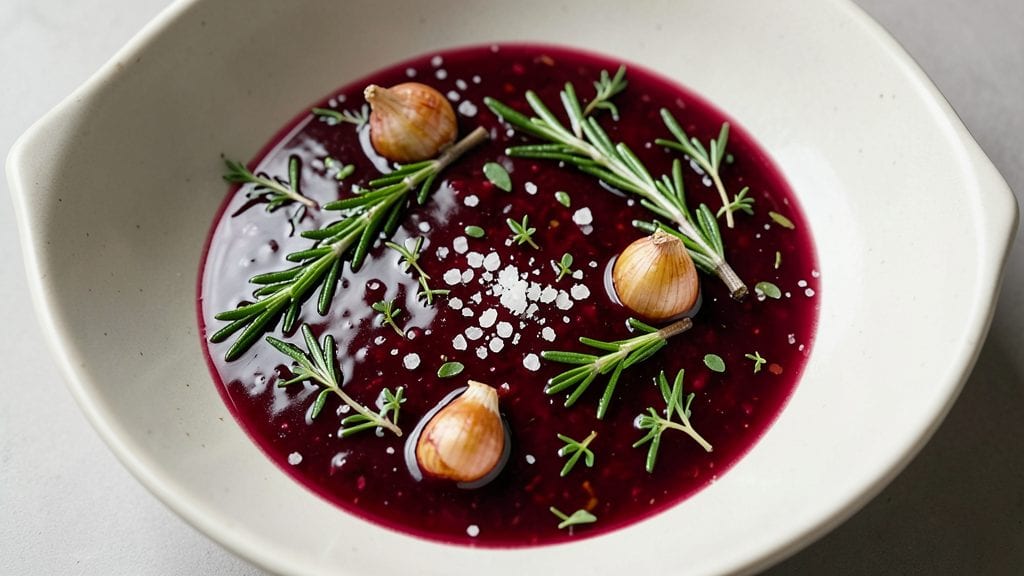
This beef sirloin steak marinade recipe turns even the toughest cuts into melt-in-your-mouth perfection with just 15 minutes of prep and 4-24 hours of marinating. I developed this recipe after years of testing—this garlic-herb blend creates that perfect steakhouse crust while keeping the interior juicy.
The secret lies in balancing acidity, oil, and aromatics for maximum flavor penetration without overpowering the beef's natural richness.
This marinade works with any beef sirloin cut, from thick-cut steaks to flank. The combination of red wine vinegar tenderizes while preserving color, while olive oil carries the garlic, rosemary, and black pepper deep into the meat fibers.
I always let the marinade sit at room temperature for 30 minutes before applying—this activates the flavors and ensures even distribution. For best results, marinate for at least 4 hours, but overnight develops deeper complexity.
What you'll end up with is beef that sears to a perfect crust while remaining tender inside, with layers of garlic and herb aroma that linger long after the first bite. The marinade creates a thin, flavorful crust that caramelizes beautifully during searing, adding both texture and depth.
This is the kind of marinade that makes even simple steak taste like a special occasion meal.
Use this marinade for grilled, pan-seared, or broiled steaks—just pat the meat dry before cooking to ensure that perfect crust. The recipe makes enough for 2-3 steaks, so double it if you're feeding a crowd. Let's get started with this game-changing flavor infusion!
Ingredients for beef sirloin steak marinade
Nine ingredients. One game-changing marinade. Steakhouse flavor in your own kitchen.
| Ingredient | Amount | Notes |
|---|---|---|
| Extra-Virgin Olive Oil 🫒 | ½ cup | High quality, fruity, cold-pressed |
| Red Wine Vinegar 🍷 | ¼ cup | Dry, bold flavor preferred |
| Garlic Cloves 🧄 | 8 cloves | Fresh, peeled, minced finely |
| Fresh Rosemary 🌿 | ¼ cup | Finely chopped, stems removed |
| Fresh Thyme Leaves 🌿 | ¼ cup | Packed, stems removed |
| Kosher Salt 🧂 | 2 tbsp | Fine grain preferred |
| Freshly Ground Black Pepper 🌶️ | 1 ½ tbsp | Coarsely ground for texture |
| Granulated Sugar 🍚 | 1 tbsp | Balances acidity, optional |
| Worcestershire Sauce 🥫 | 1 tbsp | High-quality, umami depth |
The olive oil is non-negotiable—look for extra-virgin with fruity notes at Whole Foods or Trader Joe's. The red wine vinegar should be dry and bold, not sweet. Bartles & Jaymes is my go-to for consistent quality. Fresh herbs are a must here—rosemary and thyme from the grocery store's refrigerated section work, but farmers market herbs have that extra punch. If you're using dried herbs, reduce to one-third the amount—they're way more concentrated. The garlic? Freshly minced makes all the difference—pre-minced jars lack that bright flavor. For the Worcestershire, Lea & Perrins is the gold standard, but any good-quality brand works.
No fresh rosemary? Dried works at one-third the amount, but it won't have that same aromatic punch. Short on vinegar? Lemon juice or apple cider vinegar in a pinch, but the flavor will shift slightly. Want to cut the sugar? Skip it entirely—the acidity and salt balance it out. The Worcestershire can be swapped for soy sauce or fish sauce if you're avoiding it, but you'll lose that classic umami depth. If you're using this marinade for flank steak or skirt steak, add 1 tbsp of honey to help tenderize the tougher cuts. And trust me, never skip the Worcestershire—it's what gives this marinade that restaurant-quality depth.
This marinade keeps beautifully—5-7 days in the fridge once mixed. I like to make a big batch and store it in a glass jar with a tight lid. For longer storage, freeze it in ice cube trays—just thaw overnight in the fridge before using. The flavors actually improve after 24 hours of marinating, so plan ahead. If you're marinating for more than 4 hours, use a ziplock bag to keep the beef fully submerged. And here's a pro tip: pat the steak dry before searing—it makes all the difference for that perfect crust.
Why You'll Love This Recipe
- No-Fuss Blend: I swear by this marinade because it’s literally five ingredients—no fancy techniques, no waiting for hours. Toss everything in a bowl, stir, and let the steak soak while you do your thing. That’s it. No stress, no fuss.
- Herb-Packed Punch: The rosemary and thyme? They cling to the steak like a hug, while the red wine vinegar cuts through the richness just enough to keep every bite bright. Honestly, the first time I tried this, I nearly burned the kitchen because I couldn’t wait to taste it.
- Weeknight to Weekend: This marinade works for grilled steaks on a Tuesday, a fancy dinner with friends, or even meal prep—just double the batch and refrigerate. The flavors actually improve overnight, so it’s my go-to for when I’m too tired to think but still want something special.
- Steak for Less: Between us, sirloin’s already affordable, but this marinade stretches it further. A little oil goes a long way, and the acidity keeps the meat tender without needing to splurge on premium cuts. Plus, leftovers? Still delicious the next day—just reheat and enjoy.
Step-by-step instructions for beef sirloin steak marinade
This marinade transforms tough sirloin into restaurant-quality steak with bold garlic-herb flavor.
Combine the Base Ingredients
In a medium mixing bowl, whisk together the 0.5 cup extra-virgin olive oil and 0.25 cup red wine vinegar until fully emulsified. The oil should look cloudy at first, then gradually clear as the vinegar integrates. This emulsification process ensures even distribution of flavors throughout the marinade.
Next, add the 1 tbsp Worcestershire sauce and 1 tbsp granulated sugar. Stir well to dissolve the sugar completely. The sugar helps balance the acidity of the vinegar while adding subtle sweetness that complements the rich beef flavor. Let the mixture sit for 5 minutes while you prepare the remaining ingredients—this gives the sugar time to fully incorporate.
Add Aromatics and Seasonings
Finely mince the 8 cloves garlic using a knife or garlic press—you want a paste-like consistency for maximum flavor penetration. Add this to the bowl along with the 0.25 cup finely chopped fresh rosemary and 0.25 cup packed fresh thyme leaves. Stir vigorously to combine all ingredients thoroughly.
Now add the 2 tbsp kosher salt and 1.5 tbsp freshly ground black pepper. The coarse texture of the pepper adds visual appeal and a satisfying bite to each bite. Mix until you see no dry spots remaining—this ensures every surface of your steak gets coated with flavor. Here's the thing—don't be shy with the seasoning. Sirloin benefits from bold, well-seasoned marinades.
Marinate the Steak Properly
Place your beef sirloin steaks in a resealable plastic bag or shallow dish. Pour the marinade over the steaks, ensuring they're fully submerged. For best results, I like to use a vacuum sealer or zip-top bag to eliminate air pockets—this guarantees even flavor distribution. Seal the bag and massage the marinade into the steak for about 1 minute to help it penetrate the meat.
Refrigerate the marinated steaks for at least 4 hours, but I recommend 8-12 hours for maximum flavor development. The acid in the vinegar begins breaking down the muscle fibers immediately, but the real magic happens after the first few hours. Don't skip this step—rushing the marinating process results in less tender, less flavorful steak. Pro tip: If you're short on time, you can marinate for just 2 hours in the refrigerator, but the flavor won't be as deep.
Prepare for Cooking
Remove the steaks from the marinade and let them sit at room temperature for 30 minutes before cooking. This step is crucial—it ensures even cooking throughout the steak. Discard any leftover marinade that touched raw meat (never reuse it). Pat the steaks dry with paper towels just before cooking—this creates a better sear and crispier crust.
The marinade should have transformed your steak's surface to a vibrant, aromatic sheen. When you're ready to cook, heat your grill or skillet to high heat—this marinade works best with a good sear to lock in all those flavors. The steaks are now primed for that perfect steakhouse crust you've been craving.
Pro Tips For Making Beef Sirloin Steak Marinade
- Chop Garlic Like a Pro: Use a chef’s knife—don’t smash those cloves with the flat side. Mince them into a fine paste (almost jam-like) so they dissolve into the marinade instead of sitting as chunks. I learned this the hard way when my steak tasted like garlic bits instead of flavor.
- Balance That Vinegar: Red wine vinegar is acidic, but too much will turn your steak mushy. For every ¼ cup of vinegar, use at least ½ cup of olive oil to mellow it out. My first batch was way too sharp—now I measure carefully.
- Don’t Skip the Rest: Let the steak sit in the marinade for at least 4 hours (overnight is better). The acid needs time to tenderize, but don’t exceed 12 hours or the meat will get rubbery. I rushed it once and regretted it—chewy steak is no one’s idea of a good time.
- Toast the Herbs First: Lightly crush the rosemary sprigs and thyme leaves, then warm them in the olive oil for 30 seconds before adding vinegar. This releases their oils and deepens the flavor—no more muted, sad herbs. (Yes, even if you’re impatient like me.)
Storing and reheating this beef sirloin steak marinade
Refrigerator Storage
Your marinated sirloin steaks will stay fresh in the fridge for up to 48 hours if stored properly. I use a glass baking dish or ziplock bag with all air removed—this keeps the meat moist and prevents surface drying.
For best results, place the steaks in a single layer, not stacked, to ensure even cooling. The marinade's acidity helps preserve the meat, but I still recommend using them within 2 days for peak tenderness. 🥶
Freezer Preservation
For longer storage, freeze marinated steaks in airtight freezer bags with excess air squeezed out. I add a parchment paper barrier between steaks to prevent sticking. These will keep for up to 3 months without significant quality loss.
When ready to cook, thaw in the fridge overnight—never at room temperature. The marinade may thicken slightly when frozen, so add 1 tbsp water when reheating to restore consistency.
Thawing Techniques
For quick use, I recommend the cold water bath method: Seal the frozen steaks in a ziplock bag and submerge in cold water, changing the water every 30 minutes until thawed. This takes about 1 hour for a 1-inch thick steak.
Always marinate again for at least 2 hours after thawing to restore flavor penetration. For overnight prep, the fridge method is foolproof—just plan ahead.
Reheating Methods
Never microwave marinated steaks—they'll turn rubbery. Instead, reheat in a skillet over medium heat with 1 tbsp butter for 3-4 minutes per side until reaching 135°F internal temperature. For grilled flavor, use a grill pan over medium-high heat for 2-3 minutes per side.
The residual marinade will create a delicious crust during reheating. Always let the steak rest for 5 minutes before serving to retain juices. 🔥
Reviving Flavor
If your steaks taste slightly muted after storage, revive them with a quick garlic butter baste during reheating. Mix 2 tbsp melted butter with 1 minced garlic clove and brush on during the last minute of cooking.
The fat and aroma will rejuvenate the surface flavors beautifully. For extra moisture, add 1 tbsp beef broth to the pan while reheating—it steams the steak slightly without overcooking.
Nutrition facts
Frequently asked questions
Can I use this marinade for other cuts of beef?
This marinade works beautifully with ribeye, flank steak, or skirt steak. For tougher cuts like flank, add 1 tbsp honey to help tenderize. The garlic-herb blend enhances any beef cut, though sirloin and ribeye benefit most from the balanced acidity and fat ratio.
How long can I marinate beef sirloin safely?
For best results, marinate for 4-24 hours in the fridge. The acid in vinegar tenderizes but won't harm the meat beyond that time. Over-marinating can make the surface too soft for a good sear. If short on time, 2 hours still works, though flavors won't be as deep. Never marinate at room temperature—bacteria grows rapidly above 40°F.
What if I don't have Worcestershire sauce?
Swap it for 1 tbsp soy sauce or fish sauce for umami depth, though Worcestershire's tang is ideal. Another option is 1 tsp liquid smoke for a smoky flavor. The marinade will still work, but the complexity will differ slightly. The sugar and vinegar balance will still hold up without it.
Can I reuse leftover marinade?
Never reuse marinade that touched raw meat—it contains harmful bacteria. For flavor, simmer the used marinade for 5 minutes to kill bacteria, then use it as a sauce. Discard any marinade that sat at room temperature for more than 2 hours. The safety risk isn't worth saving a little flavor.
Why does my steak turn out dry after marinating?
Dry steak usually means overcooking or not resting properly. Always cook to 130°F for medium-rare and let it rest 5-10 minutes before slicing. Pat the steak dry before searing—this creates a better crust. Also, don't over-marinate (24 hours max) or use too much vinegar, which can draw out moisture.