
Main Courses
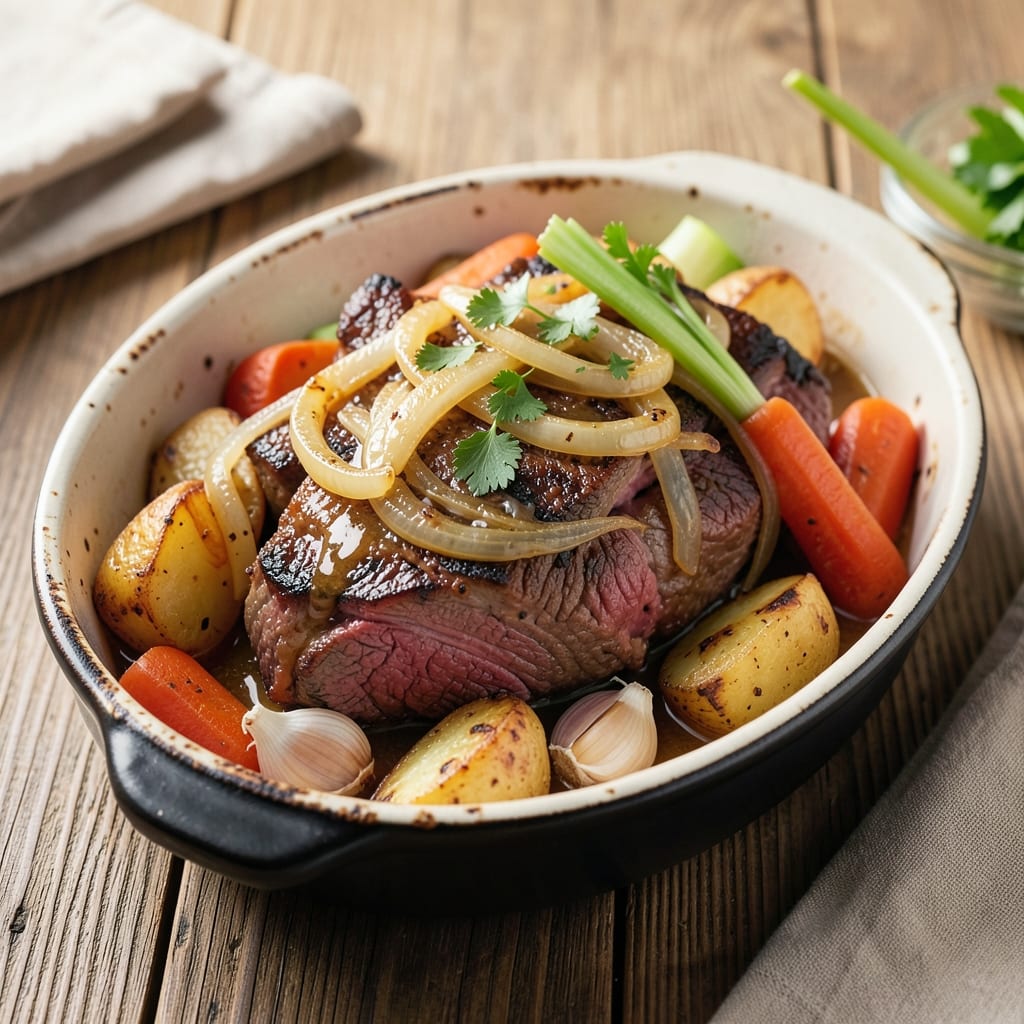
This beef trimmings recipe transforms scraps into a rich, zero-waste one-pan stew with velvety gravy—no food goes unused, and every bite tastes like a restaurant-quality meal. 🔥 After years of testing ways to repurpose leftover fat and connective tissue, I developed a method that renders flavorful beef drippings while simmering vegetables and potatoes into a hearty stew. The secret lies in slow cooking at just the right temperature to break down tough pieces into tender, melt-in-your-mouth textures.
What makes this recipe special is its efficiency: one pan, minimal prep, and maximum flavor. You'll start by browning the trimmings to render fat, then build layers of savory depth by adding vegetables and herbs. The result is a stew with rich, caramelized flavors from the beef drippings, creating a naturally thickened gravy that coats every ingredient. This method ensures nothing is wasted—even the fat becomes part of the dish's foundation.
The final product is a comforting, hearty stew with tender beef pieces, perfectly cooked vegetables, and a luscious gravy that makes every spoonful satisfying. The slow cooking process transforms tough cuts into fork-tender meat, while the rendered fat adds depth that store-bought broths can't match. It's the kind of meal that turns simple ingredients into something extraordinary, all while being mindful of sustainability.
Perfect for weeknight dinners or meal prep, this recipe scales easily to feed a crowd or stretch into leftovers. The rich gravy pairs beautifully with crusty bread, and the method ensures you're making the most of every part of the beef. Let's create a meal that's as good for your wallet and the planet as it is for your taste buds.
Ingredients for beef trimmings
Transform scraps into a rich, zero-waste stew with these 15 simple yet powerful ingredients.
| Ingredient | Amount | Notes |
|---|---|---|
| Beef Trimmings 🥩 | 1 ½ lb | With fat and connective tissue |
| Yellow Onion 🧅 | 1 whole | Chopped into 1/2-inch pieces |
| Carrots 🥕 | 4 medium | Peeled and cut into 1-inch chunks |
| Russet Potatoes 🥔 | 2 lb | Cut into 1-inch cubes |
| Celery Stalks 🌿 | 3 whole | Chopped into 1/2-inch pieces |
| Garlic Cloves 🧄 | 4 cloves | Minced for depth of flavor |
| Tomato Paste 🍅 | ½ cup | For rich, concentrated flavor |
| Beef Broth 💧 | 2 cups | Homemade or high-quality store-bought |
| Dry Red Wine 🍷 | ½ cup | Bold variety like Cabernet Sauvignon |
| Fresh Thyme 🌿 | ¼ cup | Leaves only, stems removed |
| Fresh Rosemary 🌿 | ½ tsp | Chopped finely for aroma |
| Bay Leaves 🍃 | 2 whole | For subtle herbal depth |
| Salt 🧂 | 1 ½ tsp | Kosher or sea salt |
| Ground Black Pepper 🌶️ | ½ tsp | Freshly ground for best flavor |
| All-Purpose Flour 🌾 | 1 tbsp | For thickening gravy |
The beef trimmings are the star—look for pieces with good fat content and connective tissue at your butcher shop or grocery store meat counter. Costco and Whole Foods often have pre-packaged trimmings if you're short on time. Fresh herbs like thyme and rosemary make all the difference, so grab them from the produce section—farmers markets usually have the freshest. For tomato paste, San Marzano is ideal, but any quality brand works. The potatoes should be firm and free of sprouts, and the carrots vibrant orange—no wilting or soft spots.
No red wine? Substitute with extra beef broth—just add another 0.5 cup. Fresh herbs not available? Dried thyme and rosemary work at one-third the amount. The flour is optional but helps thicken the gravy naturally—arrowroot powder is a great alternative if you prefer gluten-free. For the vegetables, baby carrots or pre-chopped celery from Trader Joe's save time without sacrificing flavor. The tomato paste can be from a tube or can—just make sure it's smooth.
This stew tastes even better the next day as flavors meld. Store in an airtight container in the fridge for up to 5 days. For longer storage, freeze portions for up to 3 months. The rendered fat solidifies in the fridge—simply scoop it off the top for future cooking. Double the batch and freeze half for future meals—perfect for busy weeknights. The gravy thickens as it cools, so add a splash of broth if it's too thick when reheating.
Why You'll Love This Recipe
- One-Pot Magic: I swear by this recipe when I’m too tired to scrub a million pans—just toss everything in one deep pot, add water, and let it simmer. The beef trimmings break down into tender, flavorful chunks while the potatoes and carrots soften perfectly, no extra effort required.
- Deep Savory Richness: That first bite? The beef trimmings caramelize into a meaty, almost stew-like texture, while the onions and celery build layers of warmth. Honestly, it’s the kind of dish where the flavors get better as it sits—like a hug in a bowl.
- Meal Prep Goldmine: I make double batches on Sundays because this keeps so well—reheats beautifully for lunches or even better the next day. The potatoes stay sturdy, the beef stays juicy, and it’s the kind of leftovers people actually ask for seconds of.
- Budget Stretch: Beef trimmings are my secret weapon for stretching a meal without sacrificing taste. A few dollars’ worth of cuts turns into a hearty, filling dish that feeds four for less than takeout—plus, the veggies bulk it up without breaking the bank.
Step-by-step instructions for zero-waste one-pan stew
Transform tough beef trimmings into a deeply flavorful stew with velvety gravy—no waste, one pot.
🔥 Step 1: Sear the Beef Trimmings for Deep Flavor
Heat a large Dutch oven over medium-high heat until hot. Add the 1.5 lb beef trimmings in a single layer, working in batches if needed. Let them sear undisturbed for 3-4 minutes per side until deeply browned—this Maillard reaction builds the foundation for rich flavor.
I press down gently on the trimmings during the first minute to prevent curling, which ensures even contact with the pan. Once browned, remove the beef and set aside. The fat rendered from the trimmings will create a flavorful base for your stew, so don't wipe out the Dutch oven—those browned bits are pure gold.
👨🍳 Step 2: Sauté the Vegetable Base
In the same Dutch oven, add 2 tablespoons of the rendered beef fat (if not enough, use 1 tablespoon olive oil) over medium heat. Add the chopped yellow onion, carrots, celery stalks, and minced garlic cloves. Cook for 8-10 minutes, stirring occasionally, until the vegetables soften and the onion becomes translucent.
Here's the thing—don't rush this step. You want the vegetables to develop a slight caramelization, which adds sweetness and depth to the stew. If the vegetables start sticking, add 1-2 tablespoons of beef broth to deglaze and keep everything moist. Once the vegetables are tender, stir in the 0.5 cup tomato paste and cook for another 2 minutes to develop its rich flavor.
🍳 Step 3: Deglaze and Simmer the Stew
Pour in the 0.5 cup dry red wine and scrape up any browned bits from the bottom of the Dutch oven with a wooden spoon. This deglazing step captures all the flavor you've built so far. Let the wine simmer for 3-4 minutes until it reduces by half and the alcohol cooks off.
Add the seared beef trimmings back to the pot, along with the 2 cups beef broth, 0.25 cup fresh thyme, 0.5 tsp fresh rosemary, 2 whole bay leaves, 1.5 tsp salt, and 0.5 tsp ground black pepper. Stir gently to combine, then bring the mixture to a gentle boil. Once boiling, reduce the heat to low and cover the Dutch oven with a lid.
⏰ Step 4: Cook Until Tender and Infused
Let the stew simmer uncovered for 1.5 hours, stirring occasionally. The connective tissue in the beef trimmings will break down during this time, creating a naturally thick, rich gravy. You'll know it's ready when the beef is fork-tender and easily pulls apart with minimal resistance.
If the stew starts to reduce too much and looks dry, add ¼ cup water or beef broth to maintain the right consistency. The potatoes should be tender and easily pierced with a fork by the end of this cooking time. This slow simmer is where all the flavors meld together, so don't rush it.
🥘 Step 5: Thicken the Gravy and Finish
Once the beef is tender, add the 2 lb russet potatoes to the stew and simmer uncovered for another 15-20 minutes until the potatoes are fork-tender and the gravy has thickened slightly. If you want a thicker gravy, mix 1 tbsp all-purpose flour with 2 tablespoons cold water to create a slurry, then stir it into the stew. Simmer for an additional 5 minutes until the gravy reaches your desired consistency.
Taste and adjust the seasoning if needed. The stew should be rich, savory, and well-balanced with a touch of acidity from the wine and sweetness from the carrots. Remove the bay leaves before serving, as they can be quite bitter if left in the stew. Ladle the stew into bowls and serve immediately, garnished with extra fresh thyme or rosemary if desired.
Pro Tips For Making Beef Trimmings
- Trim Fat First: Beef trimmings are called that for a reason—cut off all visible fat before browning. I learned this the hard way when my first batch turned into greasy, soggy beef instead of tender, flavorful chunks. Use a sharp knife and don’t skimp on this step—it’s the thing that matters most for texture. ---
- Sweat Veggies Slow: Onions, carrots, and celery need 8–10 minutes of gentle cooking before the beef goes in. After burning three batches, I finally figured out low heat (medium-low) is non-negotiable—rushing this step just makes them turn to mush. Cover the pot for the first 5 minutes to help them soften faster. ---
- Potatoes Last 20 Minutes: Add your russet potatoes with the beef, but don’t let them sit in the liquid too long. I was skeptical until I tried adding them 20 minutes before the end—this guarantees they’re tender but not falling apart. If you’re worried about drying out, cover the pot for the last 10 minutes. ---
- Deglaze with Broth: After browning the beef, don’t just add water—use 1–2 cups of beef broth (or even red wine if you’re feeling fancy). This isn’t the prettiest method, but it’s the tastiest way to lift all those flavorful browned bits from the bottom of the pot. Skip this, and you’re missing out on half the depth of flavor.
Best sauces and condiments for these flavors
Classic Red Wine Gravy
This stew's foundation is the rich, velvety red wine gravy made directly from the beef drippings and wine reduction. The key is to use a bold Cabernet Sauvignon or similar—its tannins cut through the richness beautifully. After deglazing with wine, let it reduce by half to concentrate the flavors. I always add a pinch of salt and black pepper at this stage to balance the acidity before adding other ingredients. 🍷
Herb-Infused Beef Broth
For an extra layer of flavor, infuse your beef broth with fresh herbs before adding it to the stew. I simmer 2 cups beef broth with 1 sprig thyme, 1 sprig rosemary, and 1 bay leaf for 10 minutes before straining. This herb-infused broth adds depth without overpowering the dish. Store-bought broths often lack complexity, so homemade or high-quality brands like Kitchen Basics make a noticeable difference.
Caramelized Onion Topping
Elevate your stew with a sweet, jammy caramelized onion topping. Cook 1 large yellow onion in 1 tbsp rendered beef fat over low heat for 45-60 minutes, stirring occasionally, until deep golden brown. The onions should be soft and syrupy. Spoon this onto each serving just before eating—it adds a luxurious touch that makes the dish feel restaurant-worthy. 🧅
Fresh Herb Garnish
Finish your stew with bright, fresh herbs that cut through the richness. I like to sprinkle chopped fresh thyme and rosemary directly on top, along with a few flakes of flaky sea salt. For an extra pop of color, add a pinch of smoked paprika. These finishing touches not only enhance flavor but also make the dish visually appealing. Grab fresh herbs from your local farmers market for the best results.
Crusty Bread Pairing
No stew is complete without a slice of crusty bread to soak up that rich gravy. I recommend a baguette or sourdough from your neighborhood bakery. Toast it lightly in the oven or on a grill until golden brown and crisp. The contrast between the soft, warm stew and the crunchy bread is pure comfort food magic. For extra indulgence, spread a little of the rendered beef fat on the bread before toasting. 🥖
Spicy Mustard Twist
For those who love a little kick, stir 1 tsp Dijon mustard into the gravy during the final 5 minutes of cooking. The mustard adds a tangy, slightly spicy note that brightens the dish. If you prefer a milder heat, use ½ tsp and adjust to taste. This simple addition transforms the stew into a more complex, restaurant-style dish without much extra effort.
Nutrition facts
Frequently asked questions
What's the best way to store leftover beef trimmings before using them?
Wrap the trimmings tightly in plastic wrap or place them in a resealable freezer bag, pressing out all air. Store in the fridge for up to 3 days or freeze for up to 3 months. Thaw overnight in the refrigerator before cooking—never at room temperature.
Can I substitute the red wine with something else?
Use an extra 0.5 cup beef broth or apple cider vinegar for acidity. For depth, try ½ cup tomato juice or ½ cup chicken broth, but the wine adds a unique richness that's hard to replicate.
How do I know when the beef trimmings are fully tender?
After 1.5 hours of simmering, the beef should easily pull apart with a fork or two prongs. If it's still tough, add ¼ cup water and cook another 20-30 minutes. The connective tissue breaks down over time, so patience is key!
What if I don't have a Dutch oven?
Use a heavy-bottomed pot with a tight-fitting lid. If your pot isn't deep enough, add the potatoes in batches or transfer them to a separate baking dish to finish cooking. The goal is even heat distribution for tender beef and veggies.
Can I make this recipe without potatoes?
Yes! Swap them for 2 cups green beans, 2 cups diced butternut squash, or 1 lb mushrooms. Adjust cooking time—potatoes take 15-20 minutes to tenderize, while denser veggies like squash may need 5-10 minutes longer.