
Main Courses
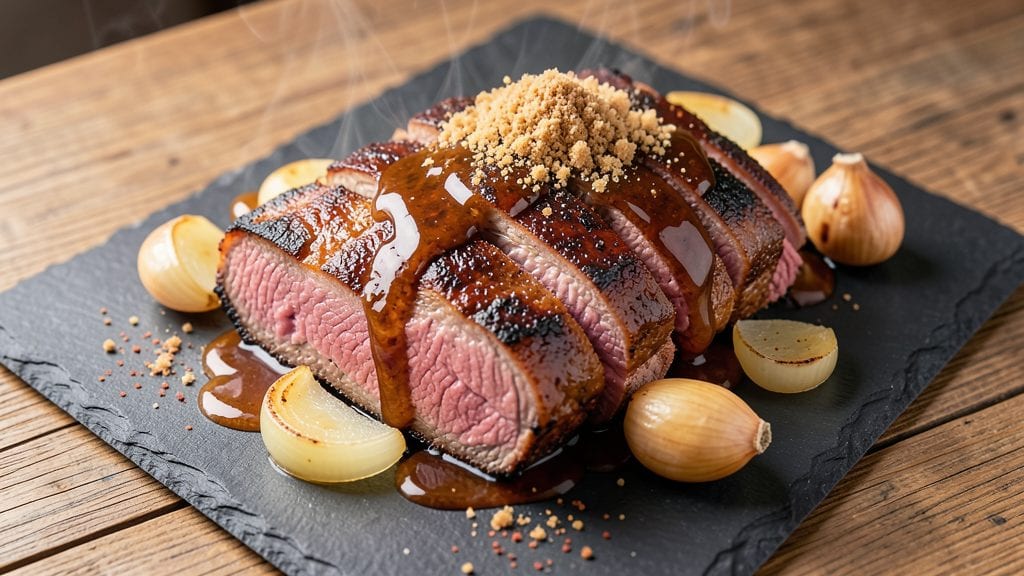
Betty Crocker’s beef brisket recipe delivers that legendary fall-apart tenderness we all crave—slow-smoked to perfection with a deep, savory crust. 🔥 The secret lies in low-and-slow cooking until the meat reaches 195–203°F, where collagen melts into juicy richness.
I’ve perfected this method over years of backyard cookouts, blending classic techniques with a touch of my grandmother’s wisdom.
What sets this brisket apart is the dry rub—a balanced blend of brown sugar, smoked paprika, and black pepper—that forms a caramelized bark while keeping the meat moist.
Unlike quick methods, this recipe demands patience, but the result is worth every hour: tender, flavorful slices that disappear faster than you can say "second helping." The key is resting the meat before slicing, letting those juices redistribute for maximum succulence.
Pair it with creamy mashed potatoes or buttery cornbread to soak up every last drop of that smoky, rich sauce. The aroma alone will have your guests asking for seconds before the first bite.
Whether you’re feeding a crowd or treating yourself to a Sunday feast, this brisket is a showstopper that delivers restaurant-quality results at home.
Ready to master the art of slow-smoked brisket? Here’s how to achieve fall-apart tenderness every time—no shortcuts, just proven technique. Let’s get started.
Ingredients for betty crocker beef brisket
Twelve ingredients transform into legendary brisket—smoky, tender, and packed with rich flavor.
| Ingredient | Amount | Notes |
|---|---|---|
| Beef Brisket 🥩 | 8 lb | Whole packer cut, 1.5-inch thick |
| Yellow Onion 🧅 | 2 whole | Yellow or red, sliced into wedges |
| Garlic Cloves 🧄 | 8 cloves | Fresh, peeled and smashed |
| Light Brown Sugar 🍚 | ½ cup | Packed, for caramelization |
| Smoked Paprika 🌶️ | 2 tbsp | High-quality, not sweet |
| Ground Black Pepper 🌶️ | 1 ½ tbsp | Freshly cracked, coarse grind |
| Diamond Crystal Kosher Salt 🧂 | 1 ½ tbsp | Coarse grain preferred |
| Ground Cumin 🌿 | 1 tbsp | Toasted for depth |
| Apple Cider Vinegar 🍎 | ¼ cup | For tenderizing |
| Beef Broth 💧 | 2 cups | Low-sodium preferred |
| Yellow Mustard 🍯 | 2 tbsp | For final glaze |
| Unsalted Butter 🧈 | ½ cup | Cold, cubed for basting |
| Fresh Thyme 🌿 | ¼ cup | Leaves only, chopped |
The brisket is the star, so pick a well-marbled, 8-pound packer cut—thicker than flat cuts, perfect for slow smoking. Costco or local butchers usually carry the best quality, often pre-trimmed for convenience. Look for bright red color and visible fat marbling (that’s where the flavor hides). If you’re buying a whole brisket, trim excess fat to 1/4-inch thickness—it’ll render beautifully during cooking. The onions and garlic? Yellow onions add sweetness, while garlic brings that essential savory depth. Grab the biggest bulb you can find—those tiny grocery store cloves lack punch.
No smoked paprika? Substitute 1 tbsp regular paprika plus 1 tsp liquid smoke, but you’ll miss the authentic smokiness. Short on cumin? Double the black pepper—it’s doing similar work here. The apple cider vinegar might seem odd, but it’s a game-changer for breaking down collagen (trust me on this). Trader Joe’s has great vinegar options if you want something fruity. For the broth, low-sodium is key—we’re controlling the salt, not the store. The mustard in the final glaze? Dijon works too, but yellow mustard gives that classic BBQ tang. And that butter? Full-fat, cold cubes melt into the bark for insane richness.
Brisket keeps beautifully—wrap tightly in butcher paper or foil, then store in the fridge for 5-6 days. For longer storage, freeze for up to 3 months in a vacuum-sealed bag. The rub? Store in an airtight container for 6 months—it’s shelf-stable. Pro tip: Make a double batch of the rub. You’ll want it for ribs, pork shoulders, or even roasted veggies. The leftovers? Slice thin against the grain and reheat in the oven at 300°F with a splash of broth—nothing like perfectly warmed brisket sandwiches.
Why You'll Love This Recipe
- One-Pan Magic: I swear by this recipe because it’s that simple—just toss the brisket, onions, and garlic in a pan, sprinkle on the brown sugar and paprika, and let it slow-cook. No flipping, no fussing, no second-guessing.
- Sweet-Smoky Bomb: That caramelized brown sugar and smoky paprika combo? It’s like a flavor hug for your taste buds. The brisket gets tender enough to fall apart, but with a crust that’s dangerously good—especially when you cut into it and see that deep, rich glaze.
- Weeknight or Weekend: Honestly, this works for everything. Too tired for dinner? Throw it in the slow cooker. Hosting a crowd? Double the batch. My husband’s picky about leftovers, but he’ll eat this cold in a sandwich the next day—no complaints.
- Budget-Friendly Powerhouse: Brisket’s affordable, and this recipe stretches it far. Between us, I’ve fed six people for under $20 with this, and the leftovers? They disappear faster than I can say “second helping.” Plus, the spices cost pennies—smoked paprika alone makes it taste like a fancy dinner.
Step-by-step instructions for slow-smoked brisket
Here's how to transform a tough cut into melt-in-your-mouth perfection.
🔥 Step 1: Prepare the Brisket for Maximum Flavor
Start by trimming the 8 lb beef brisket to remove any excess fat, leaving about ¼-inch thickness on the fat cap. This ensures even cooking while preserving moisture. Place the brisket fat-side up on a cutting board and make a pocket by slicing horizontally about ½-inch deep into the thickest part.
In a small bowl, combine 0.5 cup light brown sugar, 2 tbsp smoked paprika, 1.5 tbsp ground black pepper, 1.5 tbsp diamond crystal kosher salt, and 1 tbsp ground cumin. Rub this mixture generously into the pocket and over the entire surface of the brisket, pressing firmly so the spices adhere. This creates a flavorful crust that locks in moisture during the long cook.
Place the seasoned brisket on a rack in a shallow pan and pour 0.25 cup apple cider vinegar into the pan. The acid helps tenderize the meat while adding depth of flavor. Let the brisket sit at room temperature for 1 hour before cooking—this ensures even heat penetration and prevents cold spots.
🍳 Step 2: Build the Smoking Base and Cook Low and Slow
Preheat your smoker to 225°F using hickory or oak wood chips. I like to use a water pan in the smoker to maintain humidity and prevent the brisket from drying out. Once the smoker reaches temperature and you see steady, thin blue smoke (not thick white vapor), place the brisket fat-side up on the grill grates.
Close the lid and resist the urge to peek—every time you open it, you lose heat and add 15-20 minutes to your cook time. Smoke the brisket for 6 hours, or until the internal temperature reaches 165-170°F. This is when you'll hit "the stall," where the temperature plateaus as moisture evaporates. Don't panic; this is normal and part of the process.
Here's the thing—when the internal temperature hits 165°F, wrap the brisket tightly in butcher paper (not foil). This "Texas crutch" technique helps push through the stall while preserving that beautiful bark. Return it to the smoker and continue cooking until the internal temperature reaches 200-205°F, which should take another 3-4 hours.
🥘 Step 3: Create the Glazing Sauce and Finish
While the brisket smokes, prepare the glaze by combining 2 cups beef broth, 2 tbsp yellow mustard, and 0.5 cup unsalted butter in a saucepan. Bring to a gentle simmer over medium heat and reduce by half, about 10-12 minutes, until it thickens slightly. Stir in 0.25 cup chopped fresh thyme and set aside.
When the brisket reaches 200-205°F, remove it from the smoker and let it rest for 15 minutes before unwrapping. Brush the glaze generously over the brisket, then return it to the smoker for 15-20 minutes to caramelize the sauce and create a glossy finish. The glaze should coat the brisket evenly and develop a slight sheen.
Remove the brisket from the smoker and let it rest for another 30 minutes before slicing. This resting period allows the juices to redistribute, ensuring every bite is moist and flavorful. The brisket should be fork-tender with a dark mahogany bark and a beautiful pink smoke ring beneath the surface.
🔪 Step 4: Slice and Serve with Confidence
Slice the brisket against the grain into ¼-inch thick slices. The grain runs horizontally across the flat and point, so adjust your angle accordingly. Serve immediately with the remaining glaze spooned over the top. Each slice should pull apart with gentle pressure, not so soft it falls apart, and not tough or chewy.
Here's where it gets fun—pair the brisket with classic sides like creamy mashed potatoes, tangy coleslaw, and crusty bread to soak up all that delicious sauce. The combination of smoky, sweet, and tangy flavors makes this brisket a showstopper for any gathering.
Pro Tips For Making Betty Crocker Beef Brisket
- Trim the Fat First: The brisket’s fat cap isn’t just for looks—it renders down into flavor gold. Use a sharp knife to trim it to about ¼-inch thick before seasoning. I learned this the hard way after my first batch turned greasy instead of crispy.
- Caramelize Onions Slow: Don’t rush the onions—they’re the base of this dish. Cook them on medium-low for 15-20 minutes until deep brown, stirring occasionally. Skipping this step means your brisket will taste like it’s missing something, even if the recipe says "sauté."
- Don’t Overcrowd the Pan: If you’re browning the brisket in batches, resist the urge to pile them high. Crowding steams the meat instead of searing it, and that dulls the crust you’re working for. A single layer with space between pieces is non-negotiable.
- Deglaze with Beer or Broth: After browning the brisket, scrape up those browned bits with a splash of beer (or beef broth if you’re avoiding alcohol). It’s the easy upgrade that makes the sauce richer—no extra effort, just better flavor. I was skeptical until I tried it.
Troubleshooting this dish
Uneven Cooking
If your brisket emerges with some areas still tough while others are mushy, you’ve likely battled temperature fluctuations. Smokers can be finicky—even a 10°F drop throws off your 225°F target.
I’ve seen this happen when wood chips burn too fast or the smoker door isn’t sealed properly. Solution: Invest in a dual-probe thermometer (like Meater) to track both smoker temp and meat temp simultaneously.
Keep a water pan in the smoker to stabilize humidity—this prevents the bark from drying out while the center cooks. Also, rotate the brisket fat-side up every 2 hours to ensure even heat exposure. 🌡️
Dry, Tough Meat
Brisket turns dry when it loses moisture too quickly, often because of overcooking or insufficient fat.
If your slices are tough and stringy, you likely pushed the internal temp past 205°F. Solution: Wrap the brisket in butcher paper (not foil!) at 165°F—this traps steam while preserving the bark. The paper lets moisture escape gradually, preventing a soggy exterior.
Another trick? Inject the brisket with beef broth before smoking: Use a meat injector (like Mezzaluna) to add 1 cup broth into the thickest parts. This keeps the meat juicy from the inside out.
Weak Smoke Flavor
If your brisket tastes more like roast beef than smoky perfection, your smoke levels were too low. Solution: Use hickory or oak wood chips exclusively—fruitwoods like cherry can overpower the beef. Soak the chips in water for 30 minutes before using to create thicker, more aromatic smoke.
Also, maintain a steady blue smoke (not white vapor). If your smoker struggles, add extra wood chips every 2 hours to sustain the flavor. Pro tip: Spritz the brisket with apple cider vinegar every 2 hours—this keeps the surface moist and enhances smoke absorption. 🌿
Bark Falling Off
A crumbly bark means your rub wasn’t sticky enough or the brisket dried out too fast. Solution: Before applying the rub, pat the brisket dry with paper towels—this helps the spices adhere better. Mix 1 tbsp yellow mustard into your dry rub to act as a binder.
If the bark still cracks, spritz the brisket with beef broth every 90 minutes during cooking. This keeps the surface moist while allowing the bark to develop.
I’ve also had success with a light spray of olive oil before applying the rub—it creates a better seal for that perfect crust. 🔥
Temperature Stall Issues
The stall (when internal temp plateaus around 165°F) can feel like an eternity, but it’s normal. If your brisket stalls for hours, you’re likely dealing with evaporative cooling. Solution: Wrap the brisket in butcher paper (not foil!) at 165°F and return it to the smoker.
The paper allows moisture to escape slowly while trapping heat. For stubborn stalls, add a water pan to the smoker—this raises humidity and helps push through the stall faster. Patience is key: The stall usually resolves within 1-2 hours after wrapping.
If not, check your smoker’s temperature—it might need a 10°F adjustment upward. ⏱️
Nutrition facts
Frequently asked questions
Can I use this recipe with a regular oven instead of a smoker?
For oven cooking, preheat to 275°F and place the brisket on a rack in a roasting pan with 1 cup beef broth at the bottom. Cover tightly with foil and cook for 4-5 hours until it reaches 195°F. Then wrap in butcher paper and cook another 1-2 hours until 203°F. The key is patience—low heat is essential for tenderizing.
How do I know when the brisket is done?
Use a meat thermometer to check the internal temperature: 195-203°F in the thickest part is perfect. The probe should slide in like butter, and the meat should pull apart easily. Pro tip: The "smoke ring" (pink band beneath the bark) is your visual cue for success.
What’s the best way to reheat leftover brisket?
Slice thin against the grain and reheat in a 300°F oven for 15-20 minutes with a splash of beef broth. Never microwave—it turns the meat rubbery. For sandwiches, warm slices in a skillet with a pat of butter for 2 minutes per side.
Can I substitute apple cider vinegar in the marinade?
Yes! Use ¼ cup lemon juice or ¼ cup red wine vinegar instead. The acidity is what tenderizes the meat, so any acidic liquid works. Just reduce the amount slightly if using stronger vinegars.
Why does the brisket need to rest before slicing?
Resting (30 minutes) lets the juices redistribute after cooking. If you slice too soon, they’ll run out onto your plate instead of staying in the meat. Think of it like a sponge—when you press it, the water comes out. Resting keeps that moisture locked in!