
Soups & Stews
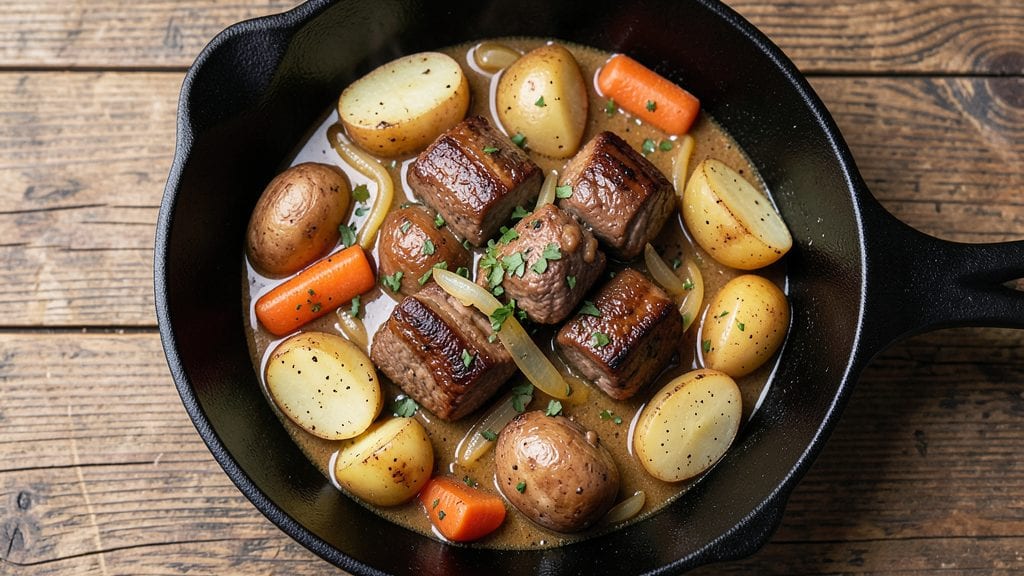
Betty Crocker's old-fashioned beef stew recipe delivers the kind of hearty, slow-simmered comfort that transforms a simple weeknight into a homey tradition. The secret lies in browning the meat properly and letting it develop deep, savory flavors over hours of gentle simmering.
I've perfected this method after years of testing—it's the kind of stew that tastes even better the next day.
This recipe transforms tough cuts of beef into melt-in-your-mouth tenderness through a foolproof technique of slow cooking with root vegetables and aromatic herbs. The rich gravy thickens naturally as it simmers, creating that perfect balance of hearty meat, tender vegetables, and deeply flavorful broth.
It's the kind of dish that makes your kitchen smell like home.
What makes this stew truly special is how it comes together—starting with a well-browned beef chuck, then simmering with potatoes, carrots, and onions until everything is perfectly tender.
The result is a deep-savory simmer that's impossible to resist, with each bite offering layers of flavor from the slow-cooked meat and vegetables. This is comfort food at its finest.
The best part? It's a one-pot meal that gets better with time, making it perfect for busy weeknights or cozy weekend gatherings. Once you try this old-fashioned method, you'll never go back to instant stews again. Let's get cooking!
Ingredients for betty crocker old fashioned beef stew
Hearty beef chuck, aromatic veggies, and slow-simmered magic for Betty Crocker's legendary stew.
| Ingredient | Amount | Notes |
|---|---|---|
| Beef Chuck Roast 🥩 | 3 lb | Cut into 1.5-inch cubes, trimmed of fat |
| Yellow Onions 🧅 | 2 whole | Medium, peeled and halved lengthwise |
| Carrots 🥕 | 4 whole | Medium, peeled and cut into 1-inch chunks |
| Russet Potatoes 🥔 | 3 lb | Peeled and cut into 2-inch chunks |
| Garlic Cloves 🧄 | 6 cloves | Peeled and smashed |
| Tomato Paste 🍅 | ½ cup | High-quality, no sugar added |
| Beef Broth 💧 | 4 cups | Low-sodium, homemade or high-quality |
| Red Wine 🍷 | ½ cup | Dry, like Cabernet Sauvignon |
| All-Purpose Flour 🌾 | 2 tbsp | For thickening gravy |
| Fresh Thyme 🌿 | 2 sprigs | Or 2 tsp dried thyme |
| Fresh Parsley 🌿 | ¼ cup | Chopped, for garnish |
| Bay Leaves 🍃 | 2 whole | Removed before serving |
| Black Peppercorns 🌶️ | 1 tsp | Freshly cracked |
| Salt 🧂 | 2 tsp | Kosher or sea salt |
| Extra-Virgin Olive Oil 🫒 | 2 tbsp | For browning meat |
The beef chuck is non-negotiable here—it needs that marbled fat for melt-in-your-mouth tenderness. Costco or Whole Foods carry it pre-cubed, which saves time, but if you're buying a whole roast, ask the butcher to cut it into 1.5-inch chunks (the secret to even cooking). For the onions and carrots, organic from Trader Joe's or your local farmers market add that extra depth of flavor. The potatoes? Russets hold up best—they won't turn to mush like red potatoes. And don't skip the tomato paste—it's the flavor anchor that makes this stew sing.
No red wine? Substitute beef broth with an extra splash of balsamic vinegar—it mimics that acidity perfectly. Fresh thyme is ideal, but dried works at half the amount if that's what you've got. The bay leaves? Grab the dried ones—they're easier to find and just as effective. For the flour, King Arthur all-purpose is my go-to, but any good-quality brand works. Pro tip: If you're short on time, parboil the potatoes and carrots for 5 minutes before adding them to the stew—they'll cook faster without turning to mush.
This stew tastes even better the next day, so make a double batch if you can. Store leftovers in the fridge for up to 5 days or freeze for 3 months. For reheating, just warm it gently on the stove with a splash of broth—never microwave, or you'll kill that deep savory flavor. The gravy thickens as it cools, so if it's too thin when reheating, just simmer it uncovered for a few minutes. Trust me, the second day is when this dish truly shines.
Why You'll Love This Recipe
- One-Pot Magic: I swear by this recipe because it’s basically set-it-and-forget-it. Toss the chuck roast, onions, carrots, and potatoes into one pot, add water, and let the slow simmer do the work. No chopping like a fine-diner—just rough cuts that melt into tender perfection.
- Garlic-Packed Depth: That first whiff of garlic and thyme sizzling in the pan? Chef’s kiss. The beef chuck roast breaks down into rich, shreddable strands, while the potatoes soak up all the savory broth—like a hug in a bowl. Honestly, the flavor builds with every bite, and it’s the kind of dish that makes you want to linger at the table.
- Weeknight to Holiday: Between us, this stew is my lazy Sunday secret weapon and my Thanksgiving backup plan. Double the batch on Sunday, and you’ve got lunch and dinner covered. Or serve it at a potluck—people will ask for the recipe, and you’ll be the hero who didn’t stress over presentation.
- Budget-Friendly Leftovers: A single chuck roast stretches for days, and the potatoes and carrots stretch even further. I’ll be real: my freezer is full of reheated bowls because this stew tastes just as good cold the next day. Plus, it’s cheaper than takeout, and way healthier—win-win.
Step-by-step instructions for Betty Crocker's old fashioned beef stew
Here's the method that delivers that legendary, hearty stew with tender beef and rich flavors.
Sear the Beef Chuck Roast for Maximum Flavor
Heat a large Dutch oven over medium-high heat. Add the 2 tablespoons extra-virgin olive oil and swirl to coat the bottom evenly. Working in batches if needed, add the 3 lb beef chuck roast cut into 1.5-inch cubes, letting each piece develop a deep brown crust before removing and setting aside. This searing step creates the foundational flavor that infuses the entire stew.
I press down gently on the beef cubes during the first minute of searing—this prevents them from curling and ensures even contact with the pan. You'll know they're ready to remove when they release easily from the bottom and have developed a rich, caramelized crust. Keep the browned beef in a warm spot while you prepare the vegetables.
Build the Flavor Base with Vegetables and Aromatics
In the same Dutch oven, add the 2 whole yellow onions halved lengthwise and the 4 whole carrots cut into 1-inch chunks. Cook for 5-6 minutes, stirring occasionally, until the onions soften and begin to caramelize. This process develops their natural sweetness and creates another layer of flavor complexity.
Add the 6 peeled and smashed garlic cloves, the 0.5 cup tomato paste, and the 2 sprigs fresh thyme. Stir everything together and cook for another 2 minutes until the garlic becomes fragrant and the tomato paste darkens slightly. This aromatic blend forms the flavor foundation for your stew—don't rush this step as it's where all the magic begins.
Deglaze and Combine All Ingredients
Pour in the 0.5 cup red wine and scrape up all the browned bits from the bottom of the pot using a wooden spoon. This deglazing step captures all the concentrated beef flavor that would otherwise be lost. Let the wine simmer for 3-4 minutes until it reduces by about half and the alcohol smell dissipates completely.
Add the 4 cups beef broth, the 2 whole bay leaves, the 1 teaspoon freshly cracked black peppercorns, and the 2 teaspoons salt. Bring the mixture to a gentle boil, then reduce heat to medium-low. Add the 3 lb russet potatoes cut into 2-inch chunks and the browned beef cubes. Stir everything together and bring to a simmer.
Simmer Until Tender and Flavor-Infused
Cover the Dutch oven and let the stew simmer gently for 1 hour and 15 minutes. This slow cooking time is crucial—it allows the beef to become fork-tender while the vegetables absorb all the rich flavors. I check the stew after 45 minutes to make sure the liquid level is still adequate, adding a splash of water if needed.
After the initial simmering period, remove the bay leaves. Taste the stew and adjust seasoning if needed—this is where you can really make it your own. The beef should be tender enough to pierce easily with a fork, and the potatoes should be soft but still hold their shape. If the stew is too thin at this point, sprinkle in the 2 tablespoons all-purpose flour and stir to thicken slightly.
Finish and Serve with Fresh Herbs
Once the beef is perfectly tender, remove the stew from heat and let it rest for 10 minutes. This resting period allows all the flavors to meld together and the juices to redistribute throughout the stew. The result should be a rich, velvety broth with chunks of tender beef and vegetables.
Before serving, stir in the 0.25 cup chopped fresh parsley. This final step adds a bright, fresh note that cuts through the richness of the stew. Ladle the stew into warm bowls and serve immediately with crusty bread or over buttered egg noodles. Each bite should deliver that perfect balance of tender beef, sweet carrots, and rich, savory broth that makes this classic stew so comforting.
Pro Tips For Making Betty Crocker Old Fashioned Beef Stew
- Brown the Roast: Don’t just dump the chuck roast into the pot raw—this isn’t a slow-cooker shortcut. Sear it in batches over medium-high heat until it’s deep brown on all sides, about 3-4 minutes per side. That crust locks in flavor and keeps the meat from turning to mush later.
- Cut Potatoes Small: The recipe probably says "chopped," but trust me, small is better. Aim for 1-inch chunks—any bigger and they’ll turn to glue instead of tender, flavorful bites. And skip the skin if you’re in a hurry; it’s not a soup.
- Deglaze Like a Pro: After browning the onions and garlic, don’t just splash in the broth. Scrape up those stuck-on bits with a wooden spoon and let them sizzle for 30 seconds—it’s the difference between "meh" and "rich, savory depth." (Yes, even if it looks like you’re overcomplicating things.)
- Simmer, Don’t Boil: Low and slow wins here. Keep the stew at a gentle simmer, not a rolling boil, or the potatoes will disintegrate and the broth will turn cloudy. If you’re unsure, your stew should barely bubble—just enough to hear the occasional tiny pop.
Essential equipment for this dish
Dutch Oven
A heavy-bottomed Dutch oven is my non-negotiable choice for this recipe. I use a Le Creuset 5.5-quart because it distributes heat evenly and maintains a steady simmer—critical for tenderizing the beef chuck. The tight-fitting lid traps steam, which helps break down collagen in the meat.
If you don’t own one, a stainless steel pot with a lid (like All-Clad) works too, but monitor the temperature more closely. 🔥
Meat Thermometer
Invest in a digital instant-read thermometer (I prefer Thermoworks Thermapen ONE) to check the internal temperature of your beef. The meat should reach 203°F for perfect tenderness.
Without one, you risk overcooking or undercooking—especially since beef chuck can vary in doneness. Pro tip: Insert the probe into the thickest piece without touching the pot.
Wooden Spoon
A heat-resistant wooden spoon (like OXO Good Grips) is essential for stirring without scratching your Dutch oven. Wood won’t conduct heat like metal, so it won’t scorch the tomato paste or burn the bottom.
I also use it to scrape up those precious browned bits during deglazing—those bits are pure flavor gold. 💛
Chef’s Knife
For prepping the beef, onions, and carrots, a sharp 8-inch chef’s knife (Victorinox or Wüsthof) makes all the difference. A dull knife leads to uneven cuts, which means some pieces will cook faster than others.
I ask the butcher to cube the beef chuck for me if I’m short on time—it’s worth the extra $2 to save effort. Always cut the beef into 1.5-inch cubes for even cooking.
Slotted Spoon
A slotted spoon (like the one from Cuisinart) helps remove vegetables and bay leaves without losing broth. I use it to skim any excess fat from the surface before serving—it keeps the stew lighter and prevents a greasy texture.
The slots also make it easy to drain excess liquid if you need to thicken the stew later.
Measuring Spoons
Precision matters with spices and flour. I use stainless steel measuring spoons (like those from Farberware) for the 2 tablespoons flour and 1 teaspoon black peppercorns. A pinch too much flour can make the stew gluey, while too little won’t thicken it properly.
For the tomato paste, a ¼-cup measure ensures you get the right amount—don’t eyeball it!
Nutrition facts
Frequently asked questions
Can I use a different cut of beef for this stew?
Beef chuck is ideal for its marbled fat and tenderness when slow-cooked, but you can substitute with chuck roast or stew meat. Avoid lean cuts like sirloin—they'll dry out. If using a tougher cut like brisket, increase simmering time by 30-45 minutes to ensure tenderness.
Why does the recipe call for red wine when I don't drink alcohol?
The wine adds depth and acidity that balances the richness, but you can substitute 2 tablespoons balsamic vinegar + 3 tablespoons beef broth for the same effect. For a non-alcoholic version, use apple cider vinegar instead—it mimics the tang without the alcohol content. The flavor difference is minimal.
How do I fix stew that's too thin or too thick?
For thin stew, mix 1 tablespoon cornstarch with 1 tablespoon cold water, stir into the pot, and simmer 5 minutes until thickened. If too thick, whisk in 2-3 tablespoons warm broth gradually until reaching desired consistency. Always stir constantly when adjusting thickness to prevent lumps.
Can I make this stew in an Instant Pot or slow cooker?
Yes! For Instant Pot: Sear beef first, then add all ingredients and cook on high pressure for 40 minutes (natural release). For slow cooker: Combine everything and cook on low for 8 hours or high for 4 hours. The texture will be slightly different but still delicious. Just add 15 minutes of simmering after transfer if using Instant Pot.
What's the best way to reheat leftovers?
Reheat gently on the stove over medium-low heat for 10-15 minutes, stirring occasionally and adding 2-3 tablespoons broth if needed. Never microwave—it creates a rubbery texture. For extra flavor, add a splash of red wine or balsamic vinegar while reheating. Leftovers keep well for 5 days in the fridge or 3 months frozen.