
Sauces & Condiments
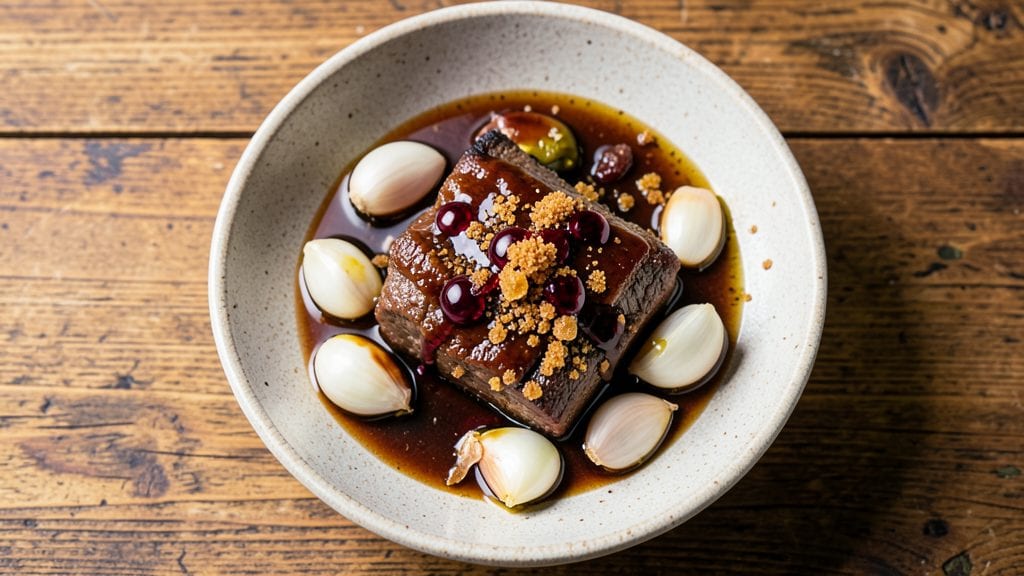
This boneless beef short ribs marinade recipe transforms tough cuts into melt-in-your-mouth tenderness with just 4 hours of marinating. The secret lies in balancing sweet, savory, and umami flavors—think brown sugar, soy sauce, and a touch of garlic—that penetrate deep into the meat.
I developed this marinade after years of experimenting with restaurant-quality techniques at home, and it never fails to deliver restaurant-worthy results.
The marinade’s magic comes from its three-part flavor profile: the caramelization of brown sugar adds depth, while soy sauce and Worcestershire build umami richness. A splash of red wine vinegar brightens the mix, ensuring every bite is balanced.
This isn’t just a marinade—it’s a flavor infusion that tenderizes the meat while creating a sticky, caramelized crust when seared. The result? Juicy, flavorful ribs that practically fall apart with minimal effort.
What sets this marinade apart is its versatility—it works equally well for grilling, roasting, or pan-searing. Whether you’re prepping for a weekend cookout or a weeknight dinner, this recipe guarantees deep, penetrating flavor without overpowering the natural taste of the beef.
The marinade keeps well in the fridge for up to 5 days, making it perfect for meal prep or last-minute cooking.
For those who love experimenting, try swapping the soy sauce for coconut aminos for an Asian-inspired twist or adding smoked paprika for a smoky depth. The key is patience—let the marinade work its magic for the full 4 hours to achieve maximum tenderness.
Ready to elevate your beef game? Let’s get started.
Ingredients for boneless beef short ribs marinade
Nine simple ingredients create restaurant-quality beef marinade that transforms tough cuts into melt-in-your-mouth perfection.
| Ingredient | Amount | Notes |
|---|---|---|
| Brown Sugar 🍯 | ½ cup | Light or dark, packed |
| Soy Sauce 🥢 | ⅓ cup | Low-sodium preferred |
| Worcestershire Sauce 🍶 | 2 tbsp | High-quality, anchovy-based |
| Red Wine Vinegar 🍷 | ¼ cup | Dry, aged variety |
| Garlic Cloves 🧄 | 6 cloves | Freshly minced, aromatic |
| Extra-Virgin Olive Oil 🫒 | ¼ cup | Fruity, peppery quality |
| Kosher Salt 🧂 | 1 ½ tsp | Diamond Crystal preferred |
| Ground Black Pepper 🌶️ | 1 tsp | Freshly cracked |
| Fresh Ginger 🌿 | 1 tbsp | Finely grated, zesty |
| Honey 🍯 | 1 tbsp | Wildflower preferred |
The brown sugar is non-negotiable—it caramelizes beautifully during searing, creating that coveted sticky crust. Trader Joe's has the best-priced light brown sugar in bulk bins, but any quality brand works. For the soy sauce, Kikkoman is a safe bet, but if you're feeling adventurous, Japanese shoyu adds a deeper complexity. The Worcestershire sauce should be the Lea & Perrins original—it's got that perfect umami punch. Fresh ginger? Always buy it pre-peeled from the store—saves time and ensures potency. The garlic cloves should be firm and free of sprouts, or grab pre-minced garlic from the refrigerated section if you're short on time.
No brown sugar? Maple syrup works 1:1, though it'll add a subtle floral note. Short on soy sauce? Coconut aminos for an Asian-inspired twist or fish sauce at half the amount for umami depth. The red wine vinegar can be swapped for apple cider vinegar, but it'll taste slightly sweeter. If you're avoiding honey, agave nectar is a 1:1 substitute. The olive oil matters here—use something you'd drizzle on bread, not the cheap stuff. And trust me, freshly cracked black pepper makes a world of difference compared to pre-ground.
This marinade keeps beautifully in an airtight container in the fridge for up to 5 days. For longer storage, portion into ice cube trays and freeze for 6 months. The flavors actually deepen over time, so don't rush it. When ready to use, thaw overnight in the fridge. Pro tip: Double the batch—you'll want leftovers for next time.
Why You'll Love This Recipe
- Five-Ingredient Magic: I swear by this combo—no fancy prep, just dump-and-stir. The brown sugar caramelizes fast, the soy and Worcestershire do the heavy lifting, and the vinegar cuts through the richness without overpowering.
- Sweet-Savory Balance: That first bite? The garlic’s sharp punch meets the deep umami from the soy, then the vinegar brightens it all up. It’s not just flavor—it’s a full-on experience, and it works even if I forget to marinate overnight.
- Weeknight to Dinner Party: Same marinade, endless uses. Toss it on ribs for a quick weeknight dinner, or let it sit longer for a restaurant-worthy dish. My kids ask for it on Tuesdays; my in-laws think I hired a chef.
- Leftovers That Don’t Suck: The sauce thickens beautifully when reheated, and the ribs stay tender. I make a big batch, freeze half, and still get that same restaurant-quality taste months later—no sad, dry meat here.
Step-by-step instructions for deep-penetrating beef short rib marinade
This marinade transforms tough beef into tender, flavorful bites—let’s make it right.
Combine Wet Ingredients for a Balanced Base
In a medium mixing bowl, whisk together the 0.33 cup soy sauce, 2 tbsp Worcestershire sauce, and 0.25 cup red wine vinegar. The acidity from the vinegar will begin breaking down fibers immediately, while the soy and Worcestershire add umami depth. Stir until fully integrated—this ensures even distribution of flavors throughout the marinade.
Next, add the 0.25 cup extra-virgin olive oil and 1 tbsp honey. The oil carries the marinade’s richness into the meat, while the honey adds subtle sweetness that caramelizes during cooking. Whisk vigorously for 30 seconds to emulsify the mixture—this prevents separation later. The marinade should have a glossy, syrupy consistency, clinging to the back of a spoon.
Incorporate Aromatics and Seasonings
Finely mince the 6 cloves garlic and 1 tbsp fresh ginger using a microplane or sharp knife. The texture should resemble a paste—this maximizes surface area for flavor infusion. Add these to the bowl along with the 1.5 tsp kosher salt and 1 tsp ground black pepper. Stir well to dissolve the salt completely; any undissolved crystals can irritate the meat’s surface.
Now, fold in the 0.5 cup brown sugar. Here’s the thing—this isn’t just for sweetness. The sugar helps create a caramelized crust when the ribs sear, while also feeding beneficial bacteria that enhance tenderness. Mix until the sugar dissolves entirely, scraping the bowl’s sides to ensure no dry pockets remain. The marinade should now smell complex: tangy, sweet, savory, and slightly funky.
Test for Balance and Adjust
Taste the marinade and assess its profile. It should be bold but not overpowering—salty from the soy and salt, sweet from the honey and sugar, with bright acidity from the vinegar. If it tastes flat, add a pinch more salt or a splash of vinegar. If it’s too sharp, stir in a teaspoon of honey. The goal is a harmonious blend where no single flavor dominates.
Pour the marinade into a resealable plastic bag or shallow dish. Place the beef short ribs inside, ensuring they’re fully submerged. Seal the bag and massage the marinade into the meat, working it into crevices. This step guarantees even flavor penetration. Let the ribs marinate in the refrigerator for at least 4 hours, though overnight yields even deeper results.
Prep for Cooking (Critical Final Steps)
Before cooking, remove the ribs from the marinade and let them sit at room temperature for 15–20 minutes. This prevents temperature shock during searing. Pat them dry with paper towels—this is non-negotiable. A dry surface ensures a proper sear, not a steamed exterior. Discard any leftover marinade (never reuse it raw).
Now your ribs are ready to cook. Whether you grill, braise, or roast, this marinade will deliver melt-in-your-mouth tenderness with a glossy, caramelized crust. The flavors will meld beautifully, rewarding your patience with every bite.
Pro Tips For Making Boneless Beef Short Ribs Marinade
- Mince That Garlic: DESCRIPTION: I used to toss in whole cloves and call it a day—big mistake. For this marinade, crush those garlic cloves into a paste first. The flavor infuses faster and deeper, especially when paired with the vinegar and soy. (Yes, even if you're impatient like me, take the 30 seconds.)
- Reduce the Vinegar: DESCRIPTION: That red wine vinegar packs a punch, and if you’re marinating overnight, it can turn your beef into a sad, tangy mess. Simmer the marinade first—just 3-4 minutes—until it thickens slightly. The sugar will caramelize a little, balancing the acid and giving your ribs a glossier finish.
- Don’t Overmix the Sugar: DESCRIPTION: Stirring brown sugar into cold liquids makes it clump like a stubborn child. Warm the soy, Worcestershire, and vinegar together first—just until the sugar dissolves smoothly. Trust me, your marinade will coat the ribs evenly, and you’ll avoid that grainy texture no one wants.
- Marinate Cold, Not Warm: DESCRIPTION: I learned this the hard way—submerging ribs in warm marinade starts cooking them before they hit the pan. Use a sealed container in the fridge for 4-12 hours, and the acid will tenderize without turning your meat to mush. (Pro tip: Flip the ribs halfway if they’re thick.)
Storing and reheating your leftovers
Fridge Storage Tips
Store leftover marinade in an airtight glass container (I love Pyrex with snap-on lids) in the fridge for up to 5 days. The flavors actually deepen over time, so don’t rush it.
If you’re prepping for multiple meals, portion into small glass jars—this keeps everything fresh and ready to go. Always label with the date to track freshness. 💡
For the marinated ribs themselves, transfer them to a sealed container lined with parchment paper (prevents sticking). Store for up to 3 days in the fridge, but cook within 2 days for best texture.
The marinade’s sugars can start caramelizing on the meat’s surface during storage, so plan to cook sooner rather than later. 🌡️
Freezer Prep
Freeze unused marinade in ice cube trays for easy single-use portions. Once frozen, transfer cubes to a freezer bag and flatten to save space. These last 6 months—perfect for future meal prep. Thaw overnight in the fridge before using. 🧊
For marinated ribs, freeze them raw in a single layer on a tray first to prevent clumping. Once solid, transfer to a heavy-duty freezer bag with parchment between layers.
Cook straight from frozen using the braising method (add 30 minutes to cooking time). The marinade’s moisture helps protect the meat during freezing. ❄️
Reheating Methods
For best results, reheat ribs in a heavy-bottomed skillet over medium heat with 2 tbsp beef broth to prevent drying. Cover and cook for 5-7 minutes, stirring occasionally, until reaching 165°F internal temperature. This method preserves the caramelized crust while reviving tenderness. 🔥
If using the oven, wrap ribs in foil and bake at 350°F for 15-20 minutes. The trapped steam ensures juiciness. For microwave reheating (quick but less ideal), use 50% power for 2-minute intervals, adding a splash of water to prevent drying.
Always check the internal temperature—165°F is non-negotiable for safety. ✨
Reviving Texture
If ribs seem dry after reheating, brush with a 50/50 mix of beef broth and the original marinade (thawed) before serving. The acidity and moisture will restore that melt-in-your-mouth quality. I also recommend finishing with a quick sear in a hot pan to restore the caramelized crust. 💫
For extra tenderness, slice against the grain and serve with a sauce reduction made from the leftover marinade (simmer on the stove for 5 minutes). This turns reheated ribs into a restaurant-quality dish with minimal effort. The key is patience—don’t rush the process! 🍴
Nutrition facts
Frequently asked questions
Can I use this marinade for other cuts of beef?
This marinade works beautifully on chuck roast, flank steak, or even pork shoulder. The sweet-savory balance tenderizes tough cuts while adding depth. For leaner meats like sirloin, reduce the marinating time to 2 hours to avoid over-softening. The key is adjusting time based on cut thickness—thicker pieces need longer marinating.
What if I don’t have brown sugar?
No problem! Swap it 1:1 with maple syrup for a similar caramelization effect, or use agave nectar for a neutral sweetness. For a deeper umami boost, add 1 tbsp fish sauce (reduce soy sauce by 1 tbsp to balance). The marinade will still work—just expect slightly different flavor notes.
How do I fix overly salty marinade?
If your marinade tastes too salty, dilute it by adding 2-3 tbsp water per ½ cup marinade and stir well. For extra help, add 1 tsp honey or sugar to balance the saltiness. Never add more meat—this will concentrate the salt. Taste as you go! The goal is harmony, not masking the salt.
Can I marinate the ribs overnight?
Overnight marinating (8-12 hours) works perfectly and enhances tenderness, but don’t exceed 24 hours—acidic ingredients can start breaking down meat fibers too much. For best results, marinate for 4-6 hours at minimum. If using a slow cooker, reduce marinating time to 2 hours since the cooking process will tenderize further.
Why does my marinade separate?
Separation happens when oil and vinegar aren’t properly emulsified. Whisk vigorously for 30 seconds before using, or blend all ingredients briefly. Add ½ tsp mustard or 1 tsp cornstarch to stabilize. Always store marinade in an airtight container—shake well before using. The emulsified version clings better to meat, maximizing flavor penetration.