
Sauces & Condiments
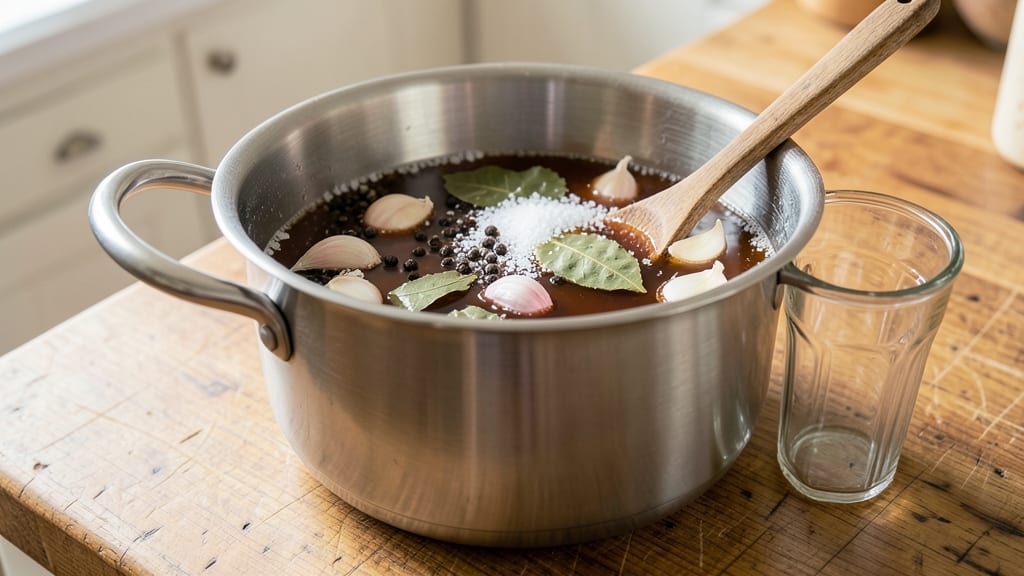
This brine for beef ribs recipe transforms tough cuts into melt-in-your-mouth perfection by balancing salt, sugar, and time—no guesswork required. The key lies in precise ratios and controlled soaking, ensuring ribs that fall apart effortlessly while retaining juicy depth.
I developed this method after years of experimenting with commercial brines that left ribs either overly salty or unevenly tender.
For fall-off-the-bone tenderness, this brine uses a 3:1 water-to-salt ratio with just a touch of sugar to caramelize the surface while keeping the meat moist. Optional aromatics like garlic, bay leaves, and black pepper add layers of flavor without overpowering the beef.
The process is simple: dissolve the ingredients, submerge the ribs, and refrigerate for 12-24 hours—no special equipment needed.
What you’ll achieve is ribs with perfectly balanced seasoning and texture: crisp edges where the sugar caramelizes, tender meat that shreds easily, and a surface that sears beautifully. This brine works equally well for dry-heat cooking or slow smoking, making it a professional shortcut for home cooks.
The results speak for themselves—juicy, flavorful, and restaurant-quality every time.
Store leftover brine in the refrigerator for up to 3 days or freeze for longer use, though fresh is always best. For best results, use within 48 hours of brining. Now let’s get to the precise measurements and step-by-step method that delivers these results.
Ingredients for brine for beef ribs
Precision meets simplicity: eight components for restaurant-quality rib tenderness at home.
| Ingredient | Amount | Notes |
|---|---|---|
| Coarse Kosher Salt 🧂 | 3 cups | Diamond Crystal preferred for precise solubility |
| Granulated White Sugar 🍯 | ½ cup | Light brown sugar for deeper caramelization |
| Ice Cold Water 💧 | 12 cups | Enough to fully submerge ribs |
| Fresh Garlic Cloves 🧄 | 6 cloves | Peeled, smashed for aromatic release |
| Fresh Bay Leaves 🍃 | 4 whole | Organic preferred for purity |
| Freshly Ground Black Peppercorns 🌶️ | 1 tbsp | Coarse grind for visible texture |
| Beef Ribs 🍖 | 4 lbs | Bone-in, baby back or St. Louis style |
| Ice Cubes ❄️ | 1 cup | For rapid temperature stabilization |
The salt-to-water ratio is non-negotiable—Diamond Crystal kosher salt dissolves more efficiently than table salt, ensuring even distribution. For sugar, light brown sugar creates subtle caramelization without overpowering the beef's natural flavor. Sourcing high-quality beef ribs is critical: USDA Prime or Choice cuts from Whole Foods Market or trusted butchers deliver optimal marbling. The ice cubes serve a dual purpose: they rapidly chill the brine to 38°F for maximum absorption while preventing bacterial growth during the 12-24 hour soak. Fresh garlic and bay leaves from Trader Joe's organic section add depth without competing with the beef's primary flavor profile.
Substituting table salt requires adjusting to 1.5 tablespoons per cup of water due to its finer grain density. Brown sugar can be swapped for white, though the caramelization effect will be less pronounced. Short on bay leaves? Thyme sprigs or rosemary work as alternatives, though their flavors differ slightly. For a smokier profile, add 1 teaspoon smoked paprika to the brine. If using frozen ribs, thaw them completely before brining—never submerge frozen meat as it alters the brine's temperature equilibrium. The peppercorns should be freshly ground; pre-ground loses potency within weeks. For large batches, double the brine ingredients proportionally while maintaining the 3:1 water-to-salt ratio.
Store unused brine in an airtight container in the refrigerator for up to 3 days, or freeze for 3 months in ice cube trays for portion control. Brined ribs should be cooked within 48 hours of removal from the brine to preserve texture. The brine's effectiveness diminishes after this window as the salt begins to draw moisture from the meat. For best results, use a meat thermometer to monitor internal temperature during cooking—145°F for medium-rare ensures optimal tenderness. Leftover brine can be repurposed for marinating other tough cuts like pork shoulder or chicken thighs, though the flavor profile will differ.
Why You'll Love This Recipe
- No-Fuss Setup: I swear by this brine because it’s literally dump-and-go. Toss the salt, sugar, and water in a big container, add smashed garlic and bay leaves, and let the ribs soak while I handle the rest—no fancy equipment, no stress.
- Deep, Caramelized Magic: That sugar in the brine? It’s not just for sweetness—it melts into the meat, giving you tender ribs with a glossy, almost sticky crust. The garlic and bay leaves? They seep in like a secret weapon, leaving every bite with layers of flavor that stick around.
- Tailgate or Tuesday: Between us, this brine works for backyard cookouts and lazy weeknight dinners. Use it for ribs that feed a crowd or just two—same effort, same results. I’ve even brined smaller cuts for quick sandwiches when I’m in a hurry.
- Budget-Friendly Luxury: Honestly, you’re spending less than $5 for ingredients that make ribs taste like a high-end BBQ joint. The salt and sugar are pennies, and the garlic/bay leaves last for multiple batches. Plus, brined ribs stay juicy for days—so leftovers? They’re basically free meals.
Step-by-step instructions for preparing the perfect brine for beef ribs
This method guarantees fall-off-the-bone tenderness through precise salt-sugar balance and aromatic infusion.
Combine the Brine Base with Exact Precision
In a large, non-reactive container—preferably a food-grade plastic bucket or stainless steel stockpot—combine the 12 cups ice cold water and 3 cups coarse kosher salt. Stir vigorously with a wooden spoon or silicone spatula until the salt fully dissolves and the mixture becomes completely clear, with no visible granules remaining. This ensures even distribution throughout the brine.
Add the 0.5 cup granulated white sugar and stir again until fully integrated. The sugar will dissolve quickly in the cold water, creating a subtle sweetness that enhances flavor while preventing the meat from becoming overly salty. Here's the thing—using ice cold water creates a more rapid and even penetration of the brine into the meat fibers, which is critical for achieving consistent tenderness.
Incorporate Aromatics and Seasonings
Add the 6 cloves fresh garlic cloves (peeled and lightly smashed with the flat side of a chef's knife) and 4 whole fresh bay leaves to the brine mixture. These aromatic elements will infuse the ribs with deep, complex flavors during the brining process. Stir gently to ensure they're fully submerged but not crushed, as this could release bitter compounds.
Next, sprinkle in the 1 tablespoon freshly ground black peppercorns and stir once more. The coarse grind ensures visible specks of pepper throughout the meat, adding both visual appeal and a subtle, robust heat. The peppercorns will settle naturally, so no need for additional mixing. This step transforms the brine from a simple salt solution into a flavorful marinade that will elevate the ribs beyond basic salt-cured tenderness.
Prepare the Beef Ribs for Brining
Pat the 4 lbs beef ribs completely dry with paper towels, removing any excess moisture from the surface. This step is crucial because it allows the brine to penetrate more effectively rather than being repelled by water. Examine the ribs for any silver skin or connective tissue that might need trimming—while not strictly necessary, removing these elements ensures cleaner meat and more even brining.
Place the ribs in the brine container, ensuring they're fully submerged. If needed, use a small plate or weight to keep them under the liquid. Add the 1 cup ice cubes to the brine, which will rapidly chill the solution and help maintain a consistent temperature throughout the process. This cold immersion also prevents the meat from warming up too quickly, which could lead to uneven brining.
Brine at Controlled Temperature for Optimal Results
Cover the container with a lid or plastic wrap and refrigerate for 12 to 24 hours. The longer brining time—up to 24 hours—allows for maximum flavor penetration and tenderness, but even 12 hours will yield impressive results. During this time, the brine will gradually cool to refrigerator temperature, ensuring a slow and even infusion of seasonings.
Here's what to watch for: The ribs should float slightly as they absorb moisture and begin to plump. The brine liquid may become slightly cloudy or develop a faint pinkish tint, which is normal and indicates the salt and sugar are working their magic. When ready, remove the ribs from the brine, rinse briefly under cold water to remove excess surface salt, and pat dry again before proceeding with your preferred cooking method. This preparation guarantees ribs that are not just tender, but infused with layers of aromatic depth.
Pro Tips For Making Brine For Beef Ribs
- CHILL THE BRINE FIRST: I learned this the hard way—dumping ice water into a warm container makes the salt dissolve unevenly. Fill your container with ice cold water first, then add salt and sugar. The brine will stay colder longer, and the ribs won’t start cooking prematurely in lukewarm liquid.
- PEEL AND SMASH GARLIC: Skip the minced garlic—it turns to mush and clouds the brine. Peel whole cloves, smash them lightly with the flat side of your knife, and drop them in. They’ll infuse flavor without falling apart, and you can fish them out before using the brine.
- WEIGH THE RIBS: If your recipe calls for a ratio (like 1 cup brine per pound of ribs), eyeballing it leads to weak or overly salty results. Use a kitchen scale to measure the ribs first—it’s the only way to guarantee the right balance of salt and sugar.
- STRAIN AND REUSE: The leftover brine after removing the ribs is still packed with flavor. Strain it through a fine-mesh sieve to catch any sediment, then use it for a quick marinade for veggies, grains, or even a sauce. (Yes, even if it looks murky—taste it first.)
Serving suggestions for brine for beef ribs
Classic BBQ Sauce Pairing
Serve your brined ribs with a homemade tangy-sweet BBQ sauce—I love a vinegar-based sauce with apple cider vinegar and chipotle peppers for depth. Brush on during the last 15 minutes of cooking to caramelize the sugar.
For a smoky twist, try Sticky Fingers BBQ Sauce from Whole Foods Market. 🍖
Fresh Slaw Contrast
A creamy coleslaw with shredded cabbage, carrots, and a tangy buttermilk dressing cuts through the richness. I use 1 cup mayonnaise, 2 tbsp apple cider vinegar, and 1 tsp celery seed for a bright, crunchy contrast. Serve chilled alongside the ribs for texture balance.
Grilled Onion Toppings
Slice 2 large yellow onions into rings, brush with olive oil, and grill until caramelized. The sweetness enhances the brined ribs' natural flavor. Sprinkle with flaky sea salt and smoked paprika before serving for an extra layer of complexity. 🌟
Pickled Jalapeños
Add a spicy kick with pickled jalapeños—slice jalapeños, pack into a jar with vinegar, sugar, and salt, then refrigerate for 24 hours. The acidity and heat complement the ribs' tenderness perfectly. Store leftovers in the fridge for up to 2 weeks.
Creamy Mashed Potatoes
For a hearty side, serve with buttery mashed potatoes infused with roasted garlic and sour cream. The creaminess contrasts the ribs' caramelized exterior. I use Yukon Gold potatoes and European-style butter for a velvety texture. 🥔
Beverage Pairings
Pair your brined ribs with a bold amber ale like Fat Tire or a smoky mezcal cocktail with lime and agave. For non-alcoholic options, sparkling water with lemon or iced hibiscus tea refreshes the palate between bites. The effervescence cleanses the rich flavors beautifully. 🍺
Nutrition facts
Frequently asked questions
Why does the brine recipe call for ice cold water instead of room temperature?
Cold water creates a rapid temperature shock that helps the brine penetrate the meat fibers more evenly and quickly. This prevents uneven seasoning and ensures consistent tenderness throughout the ribs. The ice cubes also help maintain a stable 38°F temperature during the brining process, which is ideal for preventing bacterial growth while maximizing flavor absorption.
Can I use table salt instead of kosher salt in this brine?
Yes, but you'll need to adjust the measurement. Use 1.5 tablespoons of table salt per cup of water since it's finer and denser than kosher salt. The key is achieving the same 3:1 water-to-salt ratio to maintain proper seasoning balance. Diamond Crystal kosher salt is preferred because it dissolves more completely and evenly.
How long can I leave the ribs in the brine? Will longer brining make them tough?
For optimal results, brine the ribs for 12-24 hours. Beyond 24 hours, the meat may start absorbing too much salt, which can make it overly salty or even slightly tough. The sugar in the brine helps prevent this by balancing the salt's effect. If you're short on time, even 6-8 hours will improve tenderness, though maximum flavor development occurs at the 24-hour mark.
What should I do if my ribs aren't fully submerged in the brine?
Use a small plate or weight to keep the ribs fully submerged, especially if they're large or irregularly shaped. If you don't have weights, you can place the ribs in a zip-top bag, remove as much air as possible, and submerge the bag in the brine. This ensures even seasoning and prevents dry spots. Never skip full submersion—the surface of the meat needs the brine's protection and flavor infusion.
Can I reuse the brine for another batch of ribs?
Yes, but only if you've used it within 24 hours and it still contains some of the original ingredients. For best results, store leftover brine in an airtight container in the fridge for up to 3 days or freeze it in ice cube trays for later use. However, the flavor will be less potent after the first use, so it's best for secondary applications like marinating chicken or pork.