
Soups & Stews
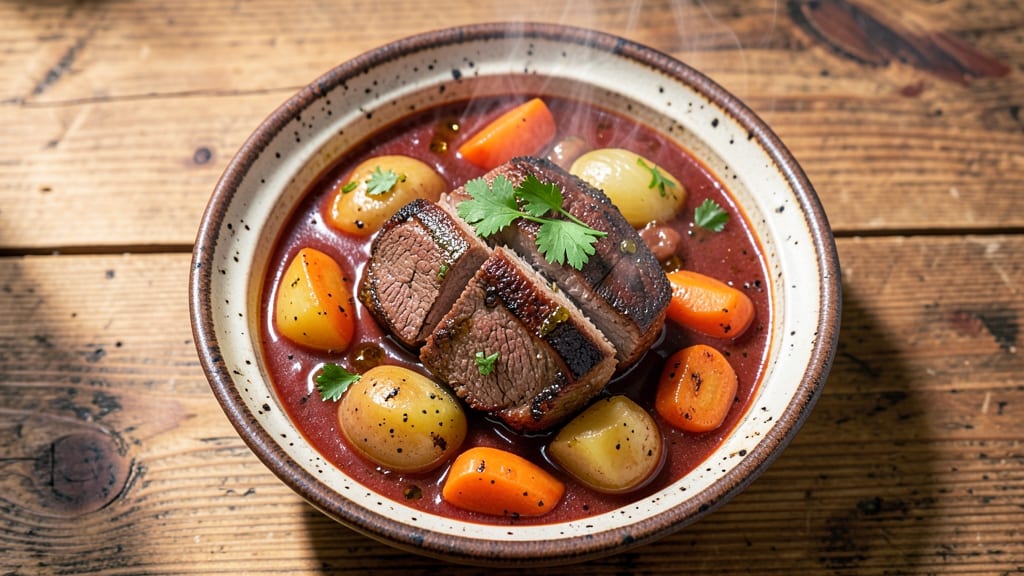
Creating a Campbell's-inspired beef stew at home delivers that same comforting, hearty richness you love from the can—but with real ingredients and deeper flavor. The secret lies in slow-simmering tender beef with caramelized onions, transforming tough cuts into melt-in-your-mouth perfection while building a velvety, aromatic broth.
I developed this recipe after years of testing variations, ensuring every bite captures that classic Campbell’s warmth without shortcuts.
This method focuses on three key elements: proper browning of the meat, layering vegetables for balanced texture, and a long simmer that develops complex flavors. You’ll start with chuck roast (the ideal cut for stew) seared until deeply browned, then deglaze the pot to capture all those flavorful bits.
The onions caramelize slowly, adding natural sweetness that rounds out the savory depth of the broth.
By the time your stew finishes simmering, you’ll have fork-tender beef, perfectly soft potatoes, and carrots that stay crisp-tender. The broth will be rich but not greasy, with just the right balance of herbs and spices.
The aroma alone will transform your kitchen into a cozy winter haven—this is the kind of meal that makes people linger at the table.
While this recipe delivers classic Campbell’s-style comfort, it’s flexible enough for modern twists: swap red wine for beef broth, add mushrooms for earthiness, or finish with a sprinkle of fresh parsley. Let’s get cooking—this stew is worth every minute of simmering time.
Ingredients for campbell's beef stew
Real beef, caramelized onions, and slow-simmered comfort—this is your pantry’s new go-to stew.
| Ingredient | Amount | Notes |
|---|---|---|
| Chuck Roast 🥩 | 2 lb | Tough cut for tender results |
| Yellow Onions 🧅 | 2 whole | Thinly sliced for caramelizing |
| Carrots 🥕 | 4 medium | Whole, peeled and cut |
| Russet Potatoes 🥔 | 2 lb | Cut into 2-inch chunks |
| Tomato Paste 🍅 | 2 tbsp | For rich depth of flavor |
| Beef Broth 💧 | 4 cups | Low-sodium preferred |
| Red Wine 🍷 | 1 cup | Dry, like Cabernet |
| Garlic Cloves 🧄 | 4 cloves | Minced for aromatic base |
| Fresh Thyme 🌿 | 2 tbsp | Leaves only, chopped |
| Bay Leaves 🍃 | 2 whole | Remove before serving |
| Olive Oil 🫒 | 2 tbsp | For searing meat |
| Salt 🧂 | 1 ½ tsp | Kosher or sea salt |
| Black Pepper 🌶️ | 1 tsp | Freshly ground preferred |
| Worcestershire Sauce 🍶 | 1 tbsp | For umami depth |
The chuck roast is non-negotiable here—Costco or Walmart usually have it pre-cut, but if you’re buying whole, ask for a well-marbled piece. Thinly sliced onions caramelize best, so take the time to cut them evenly. I grab the yellow onions from the store’s produce section—they’re sweeter than red. The carrots should be medium-sized, not baby—they hold up better during simmering. If you’re short on time, frozen carrots work fine, just don’t peel them first.
No red wine? Substitute extra beef broth—just add an extra splash of balsamic vinegar for depth. Fresh thyme is ideal, but dried works at half the amount. The tomato paste can be from a tube or a can—Trader Joe’s has great tubes that last forever. For the Worcestershire, Lea & Perrins is the gold standard, but any good brand works. If you’re avoiding wine, mushroom broth adds earthiness that pairs perfectly. The bay leaves? Don’t skip them—they’re the secret to that classic Campbell’s aroma.
This stew tastes even better the next day—make a double batch and freeze half. Store leftovers in the fridge for up to 5 days, or freeze for 3 months. I like to portion it into containers so I can grab a meal straight from the freezer. The potatoes will soften further when reheated, so add a splash of broth to loosen them up. If you’re meal prepping, cool the stew quickly in an ice bath to preserve texture.
Why You'll Love This Recipe
- One-Pot Wonder: The chuck roast and potatoes soften right in the same pot—no chopping boards or extra dishes. Honestly, I just toss everything in, add broth, and let it simmer while I fold laundry. That’s the kind of recipe that makes me feel like a hero.
- Deep, Rich Flavor: The tomato paste and onions caramelize into this unreal base—sweet, savory, and just a little smoky. Between us, the slow cook gives the beef that melt-in-your-mouth texture, and the potatoes soak up all the goodness like little flavor sponges.
- Leftovers for Days: This stew tastes even better the next day, which is perfect because it basically makes itself. I’ll be real: I make a double batch on Sundays, freeze half, and still have enough for lunches all week. (Yes, even on a Tuesday night.)
- Budget-Friendly Feast: Chuck roast is cheap, and you’re stretching it across veggies and potatoes for four or five servings. I’ll admit, it’s not the fanciest dish, but it’s the kind of meal that fills the house with warmth—and my wallet with savings.
Step-by-step instructions for slow-cooked beef stew
Here's how to transform tough chuck roast into fork-tender perfection with caramelized onions and aromatic herbs.
Sear the Chuck Roast for Deep Flavor
Pat the 2 lb chuck roast dry with paper towels and season generously with 1.5 teaspoons salt and 1 teaspoon black pepper. Heat 2 tablespoons olive oil in a large Dutch oven over medium-high heat until shimmering. Place the roast in the pot and sear for 4-5 minutes per side until deeply browned. This step develops the Maillard reaction, creating rich, caramelized flavors that form the stew's foundation.
Don't rush the searing—you'll know it's ready when the meat releases easily from the pot. Remove the roast and set it aside on a plate. The browned bits left in the pot will dissolve into the stew later, adding depth to every bite. Here's the thing—if your pot isn't large enough to accommodate the roast comfortably, work in batches to ensure proper browning.
Caramelize Onions and Build the Aromatic Base
In the same Dutch oven, add the 2 whole yellow onions that have been thinly sliced. Cook over medium heat for 10-12 minutes, stirring occasionally, until the onions turn golden brown and sweet. This caramelization process transforms their flavor from sharp to rich and mellow. You'll see the onions reduce significantly in volume as they cook down.
After the onions are caramelized, add the 4 cloves garlic that have been minced and cook for another 30 seconds until fragrant. Stir in the 2 tablespoons tomato paste and cook for 1 minute to deepen its flavor. Here's where it gets fun—add the 1 cup red wine and scrape up all those delicious browned bits from the bottom of the pot using a wooden spoon. This deglazing step captures all the flavor you've built so far.
Simmer the Stew Until Tender
Return the chuck roast to the Dutch oven. Add the 4 cups beef broth, 2 tablespoons fresh thyme leaves, 2 whole bay leaves, and 1 tablespoon Worcestershire sauce. Bring the mixture to a boil over high heat, then reduce the heat to low, cover partially, and let it simmer for 1 hour 30 minutes. This long cooking time breaks down the tough muscle fibers in the chuck roast, transforming it into tender, fork-friendly meat.
After the initial hour, add the 4 medium carrots (whole, peeled and cut) and 2 lb russet potatoes (cut into 2-inch chunks) to the stew. Return to a simmer and continue cooking for another 45-60 minutes, until the vegetables are tender and the meat is falling apart easily. The stew should have thickened slightly, with a rich, flavorful sauce that coats the vegetables and meat.
Adjust Seasoning and Finish
Remove the 2 whole bay leaves from the stew. Taste and adjust the seasoning if needed—you might need to add more salt or pepper, depending on the quality of your beef broth. The stew should be rich and flavorful, with a balance of meaty, herby, and slightly sweet notes from the caramelized onions.
Let the stew sit off the heat for 10 minutes before serving. This resting period allows the flavors to meld together and the juices to redistribute throughout the stew. Serve it hot with crusty bread to soak up every last bit of that delicious sauce. The result should be a hearty, comforting stew that's perfect for cold evenings or meal prep.
Pro Tips For Making Campbell'S Beef Stew
- SEAR THE ROAST UNTIL DARK: That chuck roast won’t brown properly if you’re half-hearted about the sear. Get it deep golden in a hot pan with 1 tablespoon of oil—it’s the only way to build real flavor before the slow simmer. I used to rush this and wondered why my stew tasted bland.
- CUT POTATOES UNIFORM: Russets break down at different rates, and uneven pieces mean some turn to mush while others stay hard. Aim for 1.5-inch chunks that’ll soften together—no need to peel, just scrub them well first. This isn’t gourmet; it’s just practical.
- SIMMER LOW AND LONG: Skim the foam off the top in the first 30 minutes, then drop the heat to a bare simmer—just small bubbles breaking the surface. Too much heat now means tough meat and a thin broth. I learned this after serving rubbery chuck to a crowd.
- ADD TOMATO PASTE LAST: Stir it in during the final 20 minutes, not at the start. The acidity needs time to mellow, and you want that rich, caramelized depth right when the potatoes are tender. This isn’t rocket science—just a habit I picked up after burning the paste flavor.
Pro cooking tips for this dish
Sear Like a Pro
The key to deep flavor starts with a proper sear. Use a large Dutch oven (I recommend All-Clad’s 5.5-quart) and heat it over medium-high heat until a drop of water sizzles instantly. Pat the 2 lb chuck roast completely dry with paper towels—this ensures maximum browning.
Sear for 4-5 minutes per side until a deep crust forms. Let the meat rest for 5 minutes before cutting to keep it juicy. 🔥
Caramelize Onions Slowly
Don’t rush the onions—they’re the flavor foundation! Cook 2 thinly sliced yellow onions over medium heat (not high) for 10-12 minutes, stirring occasionally. They should turn golden brown and release their natural sugars.
If they burn, reduce the heat slightly. For extra depth, add a pinch of sugar (about ½ teaspoon) halfway through. This step makes all the difference in that Campbell’s-inspired richness. 🧅
Deglaze with Precision
After removing the roast, scrape up every browned bit from the pot—this is where umami magic happens. Pour in 1 cup red wine (or sub beef broth + 1 tbsp balsamic) and let it simmer for 3-4 minutes until reduced by half.
This step builds the stew’s depth and removes any metallic taste from the searing. I use a wooden spoon to stir vigorously and release those flavorful bits. 🍷
Simmer at Low Heat
Maintain a gentle simmer (small bubbles, not a rolling boil) to prevent tough meat. Cover the pot partially (a loose lid) to allow steam to escape—this helps thicken the broth naturally. If the stew reduces too quickly, add ¼ cup water or broth.
The goal is tender meat and thick sauce, not a watery mess. Trust the process—this is where patience pays off. ⏰
Vegetable Timing Matters
Add carrots and potatoes only after the meat has simmered for 1 hour 30 minutes. This ensures they cook through without turning mushy. For crisp-tender carrots, cut them into 1-inch chunks and add them 15 minutes before serving.
Potatoes should be 2-inch chunks—they’ll soften perfectly in the remaining time. 🥕
Rest Before Serving
Never skip the 10-minute rest after cooking! This lets the juices redistribute, keeping every bite moist. Serve with crusty bread or buttered noodles to soak up the sauce.
For extra flair, garnish with fresh parsley or a drizzle of hot sauce. The flavors will be even richer the next day—this stew tastes better reheated! 💫
Nutrition facts
Frequently asked questions
Can I make this beef stew in a slow cooker?
Brown the meat first in a skillet, then transfer everything to your slow cooker. Cook on low for 7-8 hours or high for 4-5 hours. Add the potatoes and carrots during the last 1 hour of cooking. The slow cooker method is perfect for hands-off prep, especially on busy days.
What's the best cut of beef for stew?
Chuck roast is ideal—it's tough but becomes fork-tender when slow-cooked. Other good options include stew meat (pre-cut chuck) or short ribs for extra richness. Avoid lean cuts like sirloin, as they won't develop the same texture. Look for well-marbled pieces at your local butcher or grocery store's meat counter.
How do I fix stew that's too watery?
Simmer uncovered for 10-15 minutes to reduce the liquid, or make a quick slurry with 1 tablespoon cornstarch mixed with 1 tablespoon cold water. Stir it into the stew and cook for 2-3 minutes until thickened. For extra richness, add a pat of butter at the end. This happens when the broth isn't reduced enough during cooking.
Can I use beef bouillon cubes instead of broth?
Yes, but use low-sodium cubes and dissolve them in 4 cups hot water first. For deeper flavor, add 1 teaspoon soy sauce or 1 tablespoon tomato paste to compensate for the missing umami. Homemade broth always tastes better, but bouillon works in a pinch. The key is balancing the seasoning after cooking.
Why did my stew turn out mushy?
Overcooking or adding potatoes too early are common culprits. Always add potatoes and carrots in the last 45-60 minutes of cooking. For extra structure, try Yukon Gold potatoes (they hold up better than russets) or add them 15 minutes before serving. Keep the heat at a gentle simmer—not a boil—to maintain texture.