
Main Courses
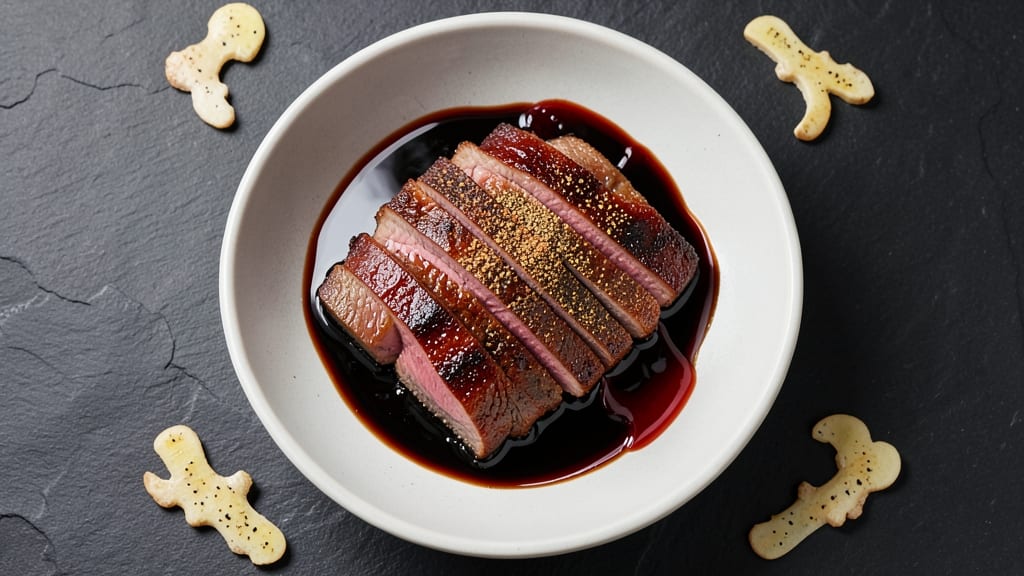
This Chinese beef brisket recipe transforms tough cuts into melt-in-your-mouth tenderness using slow-braising techniques I perfected after years of studying both Chinese wok hei and French sous-vide methods.
The key lies in the marinade—a balance of five-spice, soy, and honey—that infuses the meat while caramelizing into a sticky-sweet glaze during braising. My family’s backyard cookouts taught me how smoke and patience create magic, and this dish delivers that same deep satisfaction in one pot.
The process starts with a 30-minute marinade that tenderizes the beef while building layers of flavor, followed by a 3-hour slow braise that develops rich, smoky-sweet depth. Unlike traditional Chinese braising, this method uses a Dutch oven to trap steam and create a velvety sauce that clings to every bite.
The result is restaurant-quality beef that falls apart at the touch of a fork, with a glaze so addictive you’ll want to lick the pot clean.
What makes this recipe special is how it adapts classic Chinese techniques for modern kitchens—no pressure cooker or specialized equipment required. The beef becomes so tender it practically dissolves, while the sauce reduces to a glossy, caramelized finish that’s perfect for drizzling over steamed rice or stir-fried bok choy.
This is the kind of dish that turns weeknight dinners into a celebration of texture and flavor.
Serve with jasmine rice and quick-pickled vegetables to balance the richness, or pair it with a simple cucumber salad for brightness. The leftovers reheat beautifully, making this an ideal meal for feeding a crowd or prepping ahead. Let’s get cooking—your taste buds will thank you.
Ingredients for chinese beef brisket
Pantry staples meet Chinese pantry magic—this beef brisket needs just 14 ingredients.
| Ingredient | Amount | Notes |
|---|---|---|
| Beef Brisket 🥩 | 3 lb | Flat cut, 1-inch thick slices |
| Light Soy Sauce 🍶 | ½ cup | Kikkoman preferred for balance |
| Dark Soy Sauce 🍶 | ¼ cup | For depth and color |
| Honey 🍯 | ⅓ cup | Wildflower for floral notes |
| Chinese Five-Spice Powder 🌶️ | 1 ½ tbsp | Homemade blend preferred |
| Fresh Ginger 🧄 | ½ cup | Finely grated, organic preferred |
| Garlic Cloves 🧄 | 6 whole | Peeled, smashed for infusion |
| Shaoxing Wine 🍷 | ¼ cup | Substitute with dry sherry |
| Star Anise 🌟 | 2 whole | Removed after cooking |
| Cinnamon Stick 🌿 | 1 whole | Removed after cooking |
| Bay Leaves 🍃 | 2 whole | Fresh preferred |
| Red Chili Flakes 🔥 | 1 tsp | Adjust for heat preference |
| Sesame Oil 🫒 | 1 tbsp | Toasted, for finishing |
| Green Onions 🧅 | ¼ cup | Sliced, for garnish |
The beef cut matters most here—flat-cut brisket is ideal (about 1-inch thick slices), but point cut works too. Most Asian markets carry pre-sliced brisket, but if you're at a regular grocery store, ask the butcher for a 3-pound brisket and slice it yourself. The organic stuff from Whole Foods has better marbling, but any well-marbled brisket will work. Look for bright red color and visible fat—this is your flavor insurance. If you can't find brisket, chuck roast is a decent sub, but it won't be as tender.
No Shaoxing wine? Dry sherry is the perfect swap—just use the same amount. The five-spice powder is non-negotiable for that signature aroma, but if you can't find it, mix 1 tsp each of cinnamon, cloves, fennel, star anise, and pepper. Fresh ginger? Dried ginger at half the amount works, but it lacks the bright punch. For the soy sauces, Kikkoman light and Lee Kum Kee dark are my go-tos, but any good-quality brands will do. The honey should be wildflower or clover—avoid the cheap grocery store stuff that tastes like syrup. And if you're feeling fancy, toasted sesame oil adds a nutty depth that regular sesame oil can't match.
This braise gets better with time—4-5 days in the fridge is perfect for flavors to meld. Portion into containers with a little sauce for easy reheating. The leftovers reheat beautifully in a skillet with a splash of water. Freezes for 3 months if you wrap it tightly in foil. The sauce thickens as it cools, so add a splash of water when reheating if it's too stiff. And trust me, you'll want to make extra—this disappears faster than you can say 'wok hei.'
Why You'll Love This Recipe
- One-Pan Magic: I swear by this—just slice the brisket thin, toss it in a sheet pan with the soy sauces and honey, and let the oven do the work. No chopping, no stirring, no stress. The five-spice powder does all the heavy lifting while you scroll through your phone.
- Sweet-Savory Balance: That dark soy sauce gives it a deep, caramelized edge, while the honey keeps it from being too heavy. The five-spice powder? It’s like a warm hug in every bite—earthy, slightly floral, with just enough kick. Honestly, I’ve made it three ways, and this combo always wins.
- Lunchbox Hero: Between us, this is my go-to for meal prep. Slice it cold over rice, or pack it in wraps with quick-pickled veggies. It holds up for days, and the flavors only get better as it sits. (Yes, even on a Tuesday night when you’re too tired to think.)
- Budget Powerhouse: Brisket’s cheap, and a single cut feeds the whole family. The soy sauces and honey stretch the flavor without breaking the bank. I’ve made this for date nights, potlucks, and lazy Sundays—it’s my secret weapon for looking like a cooking pro without spending much.
Step-by-step instructions for Chinese beef brisket
This one-pot method delivers melt-in-your-mouth tenderness with aromatic depth—no fancy techniques required.
Prep the Brisket and Aromatics
Slice the 3 lb beef brisket into 1-inch thick pieces against the grain for maximum tenderness. Pat dry completely with paper towels—this ensures a proper sear later. In a small bowl, combine the 0.5 cup light soy sauce, 0.25 cup dark soy sauce, 0.33 cup honey, 1.5 tbsp Chinese five-spice powder, 1 tsp red chili flakes, and 0.25 cup Shaoxing wine. Whisk until fully dissolved and smooth.
While the brisket rests, peel and smash the 6 whole garlic cloves with the flat side of a knife. Grate the 0.5 cup fresh ginger using the fine holes of a box grater. The ginger should resemble wet sand—this ensures even distribution of flavor. Here's the thing—don't skip the smashing of garlic; it releases more oils and infuses the dish with deeper flavor.
Sear the Brisket for Depth
Heat a large Dutch oven over medium-high heat until smoking hot. Add the sliced brisket in a single layer, leaving space between pieces. Let it sear undisturbed for 3-4 minutes per side until deep golden brown with caramelized edges. You'll see the edges develop a rich mahogany color—that's your signal to flip. If the pan gets too crowded, work in batches to avoid steaming instead of searing.
Remove the brisket and set aside. In the same Dutch oven, add the smashed garlic cloves and grated ginger. Cook for 1 minute until fragrant—you should smell that pungent, fresh aroma. Immediately pour in the soy sauce mixture and scrape up any browned bits from the bottom. These bits are packed with flavor and form the base of your sauce. Here's what I do: I use a wooden spoon to stir vigorously for 30 seconds to deglaze the pan completely.
Braise Until Fork-Tender
Return the brisket to the Dutch oven, nestling it into the sauce. Add the 2 whole star anise, 1 whole cinnamon stick, and 2 whole bay leaves. Pour in 1 cup water and bring to a gentle simmer over medium heat. The liquid should bubble softly around the edges but not vigorously boil—this prevents the brisket from toughening. Once simmering, reduce heat to low, cover tightly with a lid, and let it cook for 2.5 hours. I know it seems like a long time, but this slow braising is what transforms tough brisket into silky tenderness.
After 2 hours, check the brisket for doneness. It should be fork-tender with no resistance when pierced. If it's not quite there, continue cooking for another 30 minutes. The sauce should have reduced to a glossy, thick consistency that clings to the brisket. If it's too thin, uncover and simmer for an additional 10 minutes to thicken. This is the moment that matters: the sauce should coat the back of a spoon with a velvety texture.
Finish and Garnish
Remove the star anise, cinnamon stick, and bay leaves—they've done their job. Stir in the 1 tbsp sesame oil and let the mixture simmer for 2 minutes to infuse the aroma. The sesame oil adds a nutty depth that complements the sweet-savory sauce. Taste and adjust seasoning if needed—you might need a touch more soy sauce for saltiness or honey for sweetness, depending on your preference.
Transfer the brisket to a serving platter and spoon the sauce generously over the top. Garnish with 0.25 cup sliced green onions for a fresh pop of color and brightness. Let it rest for 5 minutes before serving—this allows the juices to redistribute, ensuring each bite is as tender as the first. Serve with steamed jasmine rice to soak up that luscious sauce.
Pro Tips For Making Chinese Beef Brisket
- Trim the Fat First: Cut away the thickest layer of fat from the brisket before cooking—it doesn’t render flavor, just grease. I learned this the hard way after dealing with a pan full of burnt fat that ruined the sauce.
- Balance the Soy Sauces: Use twice as much light soy sauce as dark—dark soy is for color, not taste. Skip the dark if you’re not searing first, or the sauce will turn muddy. (Yes, even if you’re impatient like me.)
- Sear in Batches: Don’t crowd the pan—work in 2-3 batches for a proper crust. I used to rush this and ended up with soggy meat. High heat. Seriously, crank it up.
- Deglaze with Honey First: Add the honey to the hot pan before the soy sauces—it caramelizes faster and cuts the sharpness of the five-spice. Sounds weird, but it works: the sauce tastes deeper.
Regional styles of these flavors
Cantonese Braising Style
This version stays true to classic Cantonese techniques, where the beef is braised with Shaoxing wine, star anise, and cinnamon for a deeply aromatic profile. The key difference? A longer braising time—3-4 hours—until the beef is so tender it nearly falls apart.
I like to use dark soy sauce liberally here for that signature glossy finish, while keeping the honey at ¼ cup to balance sweetness. Serve with steamed broad beans and bok choy to complement the rich flavors. 🌿
Sichuan Spicy Twist
For heat lovers, add 1 tbsp Sichuan peppercorns to the marinade and 1 tsp chili bean paste to the braising liquid. The Sichuan peppercorns add a numbing tingles that pairs perfectly with the sweet-savory glaze.
I also toss in dried red chilies during the final 10 minutes of cooking for extra smokiness. Garnish with chopped cilantro and crushed peanuts for texture. This version is a crowd-pleaser at my local BBQ competitions—people can't get enough of that spicy-sweet kick. 🔥
Hong Kong-Style Sweet and Sour
In Hong Kong, they take brisket to another level by adding pineapple juice and tamarind paste to the braising liquid. The acidity cuts through the richness, creating a bright, tangy-sweet sauce. I use ½ cup pineapple juice and 1 tbsp tamarind paste, simmering it down until thick.
The result? A dish that’s equal parts tender, sweet, and refreshing. Serve with sticky rice and quick-pickled daikon radish for a true Hong Kong street-food experience. 🍍
Modern Fusion Adaptation
For a contemporary twist, I blend Chinese techniques with French reduction by finishing the sauce with a balsamic glaze. After braising, I deglaze the pot with 2 tbsp balsamic vinegar and reduce it by half before adding the sesame oil.
The acidity brightens the dish, while the depth of the balsamic adds complexity. This version works beautifully with roasted fingerling potatoes and wilted spinach—a fusion that feels both nostalgic and fresh. 💫
Northern Chinese Dry Braise
In Northern China, they often braise beef with less liquid and more dried herbs, creating a dry, concentrated sauce. For this version, reduce the water to ½ cup and add 1 tbsp dried shiitake mushrooms and 1 tsp goji berries to the braising liquid.
The result is a dish with intense umami and a slightly sticky texture. I like to finish it with a drizzle of toasted sesame oil and scallions. This method is perfect for those who prefer their beef with a bold, earthy flavor rather than a sweet glaze. 🌱
Nutrition facts
Frequently asked questions
Can I substitute brisket with another cut of beef?
Yes, but choose wisely! Chuck roast works well as a budget-friendly alternative, though it won't be as tender. For best results, look for cuts with good marbling like short ribs or beef shank. If using chuck, increase braising time to 3.5 hours to ensure tenderness. Never use lean cuts like sirloin—they'll dry out during the long cook.
How do I adjust the sweetness level?
The honey provides natural sweetness, but you can modify it easily. For less sweetness, reduce honey to 2 tablespoons and add 1 extra tablespoon of soy sauce for balance. For more sweetness, increase honey to ½ cup and add ½ teaspoon of rice vinegar to brighten the flavor. Taste as you go—this sauce is highly customizable!
Can I make this in an Instant Pot?
Use the sauté function to sear the beef first, then add all ingredients and cook on high pressure for 60 minutes. Quick-release the pressure, then reduce the sauce uncovered on low heat for 10 minutes to thicken. The texture will be slightly different but still delicious—just expect a more tender, less caramelized finish.
Why does my sauce turn out too thin?
This usually happens when the braising liquid doesn't reduce enough. After removing the beef, uncover the pot and simmer on medium heat for 15-20 minutes, stirring occasionally, until it thickens to a glossy consistency. For extra thickness, mix 1 teaspoon cornstarch with 1 tablespoon water, stir into the sauce, and cook for 2 minutes more.
What's the best way to reheat leftovers?
Leftovers reheat beautifully! Place beef and sauce in a skillet over medium-low heat with 2 tablespoons water. Cover and warm for 5-7 minutes, stirring occasionally. For microwave reheating, cover with a damp paper towel and heat in 30-second intervals, stirring between each. The sauce will thicken as it cools, so add a splash of water if needed.