
Main Courses
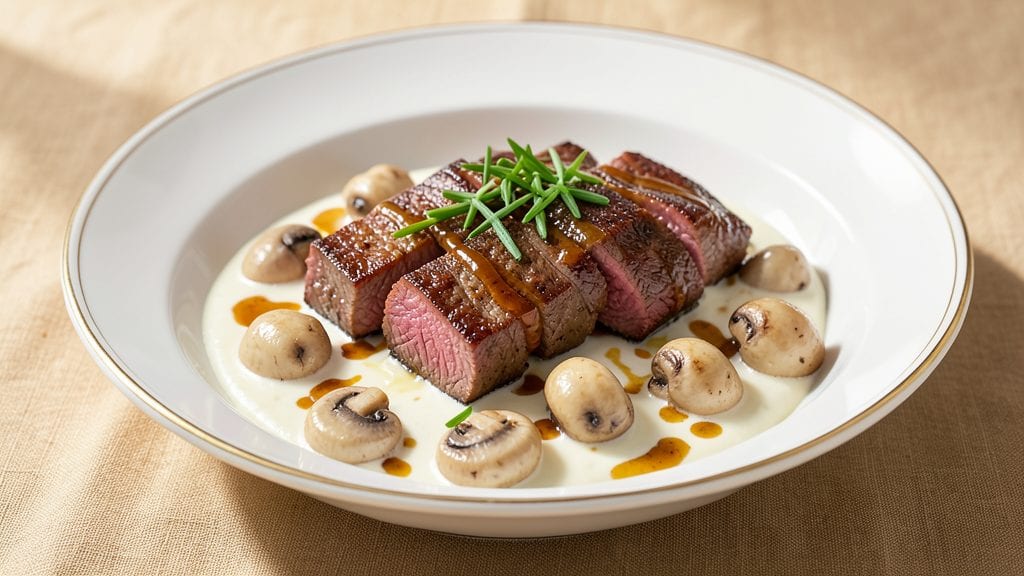
This copycat beef stroganoff recipe delivers the same velvety mushroom sauce and perfectly tender beef you'd find at a favorite restaurant chain. The secret lies in proper searing, careful deglazing, and slow reduction of the sauce to develop deep flavor without breaking.
After years of perfecting this dish, I've created a version that's both authentic and approachable for home cooks.
The technique starts with high-heat searing of beef strips to create a flavorful crust, followed by deglazing with beef broth to capture every browned bit. Mushrooms add earthy depth while cooking down, and a rich bechamel base—made with butter, flour, and sour cream—creates that signature smooth texture.
What makes this recipe stand out is the balance of acidity and creaminess, achieved through precise timing and reduction.
By the time you plate it over buttery egg noodles or creamy mashed potatoes, you'll have a dish that's impossibly tender, richly flavored, and restaurant-quality at home. The sauce coats every bite perfectly, with just the right tang from sour cream and sweetness from the mushrooms.
This is comfort food at its finest, with techniques that ensure professional results every time.
Serve with a side of crusty bread to soak up any remaining sauce, and don't forget fresh parsley for garnish. The full recipe includes step-by-step instructions for searing, sauce reduction, and plating—all designed to mimic the restaurant version you love. Let's get cooking!
Ingredients for copycat beef stroganoff
Pantry staples meet restaurant-quality technique for this velvety stroganoff.
| Ingredient | Amount | Notes |
|---|---|---|
| Beef Tenderloin Strips 🥩 | 1 ¼ lb | Center-cut, 1/4-inch thick slices |
| White Button Mushrooms 🍄 | 16 oz | Sliced, whole, no stems |
| Unsalted Butter 🧈 | 4 tbsp | European-style, cold for searing |
| All-Purpose Flour 🌾 | 2 tbsp | For bechamel base |
| Beef Broth 💧 | 1 ½ cups | Low-sodium, homemade preferred |
| Sour Cream 🥛 | ½ cup | Full-fat, room temperature |
| Yellow Onion 🧅 | 1 whole | Medium, finely diced |
| Garlic Cloves 🧄 | 4 cloves | Minced, fresh preferred |
| Diamond Crystal Kosher Salt 🧂 | 1 tsp | For seasoning |
| Freshly Ground Black Pepper 🌶️ | ½ tsp | Cracked peppercorns |
| Dry Egg Noodles 🍝 | 8 oz | Medium width, al dente |
| Fresh Parsley 🌿 | ¼ cup | Chopped, for garnish |
| Worcestershire Sauce 🍶 | 1 tbsp | For umami depth |
| Dry White Wine 🍷 | ¼ cup | Sauvignon Blanc preferred |
| Heavy Cream 🥛 | ¼ cup | 36% fat, warmed slightly |
The beef is everything. Tenderloin strips stay tender while searing, but sirloin works too if you're on a budget. Look for center-cut at your butcher—they'll trim it perfectly. I always grab mine from Whole Foods when possible, but the regular grocery store stuff works fine. The key is 1/4-inch thickness—too thick and it'll dry out. Pat them dry with paper towels before searing, or they'll steam instead of brown. Fresh mushrooms are non-negotiable here—they cook down beautifully and add that earthy depth. Trader Joe's sells them pre-sliced in bags, which saves time.
No white wine? Dry vermouth or extra beef broth works in a pinch, but the acidity from wine is what cuts through the richness. Fresh parsley wilting? Substitute chives or dried parsley at half the amount. The sour cream needs to be full-fat—none of that low-fat nonsense. For the bechamel, European-style butter adds more flavor than regular. No butter? Olive oil works, but it changes the texture slightly. The Worcestershire sauce is crucial—it's what gives that authentic umami punch. If you're avoiding it, a dash of soy sauce or a splash of fish sauce can help, but it won't be exactly the same.
This sauce is best made a day ahead—it develops even more flavor as it sits. Store it in an airtight container in the fridge for up to 5 days. The noodles? Cook them al dente, then toss with a little butter and salt so they don't get soggy. Reheat the stroganoff gently on the stove, stirring often, or microwave it in 30-second bursts to keep the sauce smooth. The leftovers? Freeze for up to 3 months—just thaw overnight in the fridge before reheating. I always make extra because it's perfect for lunches the next day.
Why You'll Love This Recipe
- One-Pan Magic: I swear by this recipe—just sear the beef, toss in the mushrooms, and let the butter and flour work their sauce magic. No extra bowls, no fuss, and honestly? The pan’s already half-cleaned by the time you’re done.
- Rich Without Effort: That first bite of tender beef in a velvety broth? The mushrooms soak up all the flavor, and the butter? It’s the secret weapon—creamy, deep, and exactly what stroganoff needs. I’ll be real: my picky husband doesn’t even ask for ketchup anymore.
- Weeknight to Dinner Party: Same recipe, totally different vibes. Serve it over egg noodles for a lazy Tuesday, or plate it with crusty bread and a side salad for guests—no one will guess it’s your go-to. (Yes, even on a Tuesday night.)
- Leftovers That Don’t Suck: Cold stroganoff the next day? Actually delicious. The sauce thickens just right, and the beef stays juicy. I make double batches because reheating this is zero work—just pop it in the microwave, and boom, dinner’s saved. Budget-friendly too—tenderloin stretches far, and mushrooms are cheap.
Step-by-step instructions for copycat beef stroganoff
Here's the method that delivers that signature velvety mushroom sauce and melt-in-your-mouth beef every time.
Sear the Beef Tenderloin Strips
Heat a large skillet over medium-high heat and add 2 tablespoons of the unsalted butter. Once the butter foams, add the 1.25 lb beef tenderloin strips in a single layer. Let them sear undisturbed for 2-3 minutes until they develop a deep golden-brown crust on one side.
Flip the strips and continue cooking for another 2-3 minutes until the second side is equally browned. The beef should be medium-rare at this point, with an internal temperature of 130°F. Remove the beef from the skillet and set it aside on a plate, tented loosely with aluminum foil to keep warm. Here's the thing—don't overcrowd the pan. If you need to work in batches, that's fine, but keep the heat consistent between batches.
Build the Mushroom Sauce
In the same skillet (no need to wipe it clean—those browned bits are flavor gold), add the remaining 2 tablespoons of unsalted butter. Once melted, add the 1 whole yellow onion and cook for 4-5 minutes until softened and translucent. Add the 16 oz sliced white button mushrooms and cook for another 5-6 minutes until they release their moisture and begin to brown.
Stir in the 4 cloves minced garlic cloves and cook for 30 seconds until fragrant. Pour in the 0.25 cup dry white wine and let it simmer for 2 minutes until mostly evaporated. Sprinkle the 2 tablespoons all-purpose flour over the mushrooms and stir vigorously for 1 minute to cook off the raw flour taste. Slowly whisk in the 1.5 cups beef broth, ensuring no lumps form. Add the 1 tablespoon Worcestershire sauce and bring the mixture to a gentle simmer.
Finish the Sauce and Combine
Reduce heat to medium-low and let the sauce simmer for 8-10 minutes until it thickens slightly and coats the back of a spoon. Stir in the 0.25 cup heavy cream and the 0.5 cup sour cream, mixing gently to combine. Season with 1 teaspoon diamond crystal kosher salt and 0.5 teaspoon freshly ground black pepper. Return the beef strips to the skillet and let them warm through in the sauce for 2-3 minutes.
Cook the 8 oz dry egg noodles according to package instructions until al dente, reserving 1 cup of pasta water. Drain the noodles and immediately toss them with the beef and sauce. If the sauce seems too thick, add a splash of the reserved pasta water to reach your desired consistency. The sauce should be smooth and cling beautifully to both the beef and noodles.
Garnish and Serve
Transfer the stroganoff to serving plates and garnish each portion with 0.0625 cup (about 1 tablespoon per serving) of the chopped fresh parsley. Serve immediately while the beef is still warm and the sauce maintains its creamy texture. This dish tastes best fresh off the stove, so don't let it sit too long before serving.
Each bite should deliver perfectly tender beef, rich mushroom flavor, and a velvety sauce that coats every strand of noodle. If you find the sauce separates slightly as it cools, simply stir it gently before serving to restore its silky consistency. The key to this copycat recipe is patience in the sauce-building step—don't rush it, and you'll get that restaurant-quality result at home.
Pro Tips For Making Copycat Beef Stroganoff
- SEAR THE BEEF HARD: High heat for 2-3 minutes per side until deep brown—this isn’t the time to be gentle. I used to rush it, and the sauce never tasted rich enough afterward. Crispy crust = flavor foundation.
- SLICE MUSHROOMS THIN: Cut them 1/8-inch thick and let them sit in the pan for 3-4 minutes before adding broth. Thick slices stay rubbery, and skipping this step makes the stroganoff taste bland. (Yes, even if you’re impatient like me.)
- DEGLAZE WITH BROTH: As soon as you remove the beef, pour in the broth immediately—don’t let those browned bits sit. Scrape the pan while it’s hot; those bits are where the real flavor hides. Cold broth later won’t cut it.
- WHISK THE SAUCE THICK: After simmering, stir in the flour-butter mix all at once, then whisk like your life depends on it for 2-3 minutes. Lumps ruin everything, and I learned this the hard way with a lumpy, sad stroganoff. (Your future self will thank you.)
Troubleshooting this recipe
Sauce Too Thin?
If your sauce ends up too thin, don't panic—simmering is your best friend. Reduce the heat to low and let it cook uncovered for an extra 5-10 minutes, stirring occasionally.
For a quicker fix, mix 1 tablespoon cornstarch with 1 tablespoon cold water, stir it into the sauce, and cook for another 2 minutes until thickened. I've also had success with a 1-minute microwave burst on high power to evaporate excess liquid. 💫
Beef Overcooked?
Beef that's tough or dry usually means it was overcooked during searing or resting. Start by searing at medium-high heat for only 2-3 minutes per side—no longer! Use a meat thermometer to check for 130°F internal temperature (medium-rare).
If you accidentally overcook it, try slicing thinner than usual and serving with extra sauce to keep it moist. I've even revived slightly dry beef by adding 1 tablespoon beef broth to the skillet and letting it steam for 2 minutes before combining with the sauce.
Sauce Separates?
Creamy sauces sometimes split when cooled, but this is easily fixed. Gently reheat the sauce over low heat while whisking continuously. If it still separates, create a quick slurry with 1 tablespoon sour cream and 1 tablespoon warm water, then whisk it back in.
For extra insurance, stir in ½ teaspoon Dijon mustard—it acts as an emulsifier. The key is to avoid rapid temperature changes, which cause separation. 🥛
Mushrooms Too Watery?
Excess moisture from mushrooms can dilute your sauce. To prevent this, pat sliced mushrooms dry with a paper towel before cooking. For extra flavor, I like to sauté them in 1 tablespoon butter for 8-10 minutes until most of their liquid evaporates.
If your sauce still seems too thin, remove the mushrooms temporarily while reducing the sauce, then return them just before serving. This two-step method gives you full control over the texture.
Noodles Mushy?
Undercooked or overcooked noodles ruin the dish. Always cook egg noodles 1 minute less than package instructions suggest, then finish them in the stroganoff sauce. For extra insurance, reserve ½ cup pasta water and toss the noodles with a splash before mixing with the stroganoff.
If they're already too soft, drain them well and stir in 1 teaspoon cold butter to firm them up slightly. The secret is timing—noodles should be al dente when they hit the sauce. 🍝
Flavor Too Mild?
If your stroganoff lacks depth, boost the umami with 1 teaspoon soy sauce or ½ teaspoon fish sauce in the sauce. For acidity, add 1 tablespoon lemon juice or a pinch of smoked paprika for warmth.
I also keep a small bowl of beef broth on hand to reduce if needed—simmering it down concentrates the flavor. A final touch of fresh dill or chopped shallots adds brightness that balances the richness. The goal is to build layers of flavor, not just rely on the basic ingredients.
Nutrition facts
Frequently asked questions
Can I use ground beef instead of tenderloin strips?
Ground beef works in a pinch, but it won't give you the same tender texture. For a closer copycat experience, use 1 lb of sirloin or ribeye ground beef (80/20 fat ratio) and shape it into small patties. Brown them thoroughly before adding to the sauce, and cook for 2-3 minutes longer to ensure they're fully done. The sauce will still coat beautifully, but the texture will be slightly denser.
How do I make this dish ahead of time?
This stroganoff actually tastes better the next day! Cook the beef and sauce completely, then let it cool and refrigerate in an airtight container for up to 3 days. When reheating, warm it gently on the stove over low heat for 5-7 minutes, stirring occasionally. For leftovers, I like to serve it over mashed potatoes or buttered rice to soak up any extra sauce. The flavors meld beautifully overnight.
What's the secret to the creamy texture?
The velvety texture comes from three key steps: slow reduction of the sauce, room-temperature sour cream (never cold), and gentle warming of the cream. Never boil the sauce—keep it at a gentle simmer. Also, whisk constantly when adding the cream and sour cream to prevent curdling. For extra richness, stir in 1 tablespoon cold butter at the end.
Can I make this gluten-free?
Replace the egg noodles with gluten-free pasta (like brown rice or quinoa noodles) and use a gluten-free flour blend for the bechamel base. For the sauce, ensure your Worcestershire sauce is gluten-free (many brands offer this). The texture will be slightly different, but the flavor remains rich and satisfying. Just add a splash of pasta water if needed to loosen the sauce.
Why does my stroganoff taste too sour?
Too much sour cream or wine can make the dish taste tart. Balance it by adding 1 tablespoon heavy cream or a pinch of sugar to sweeten the acidity. If you used extra wine, reduce the sauce longer to let the alcohol cook off. For a quick fix, stir in ½ teaspoon Dijon mustard—it adds depth without overpowering. The key is to taste as you go!