
Main Courses
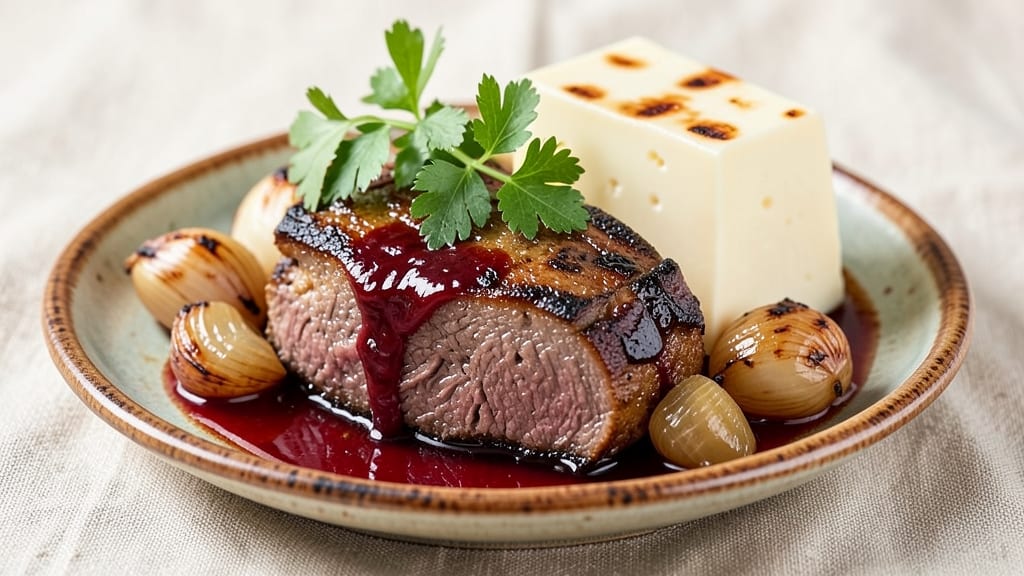
This copycat Portillo's Italian beef recipe delivers the same tender, slow-braised meat and rich herby gravy that made Chicago famous. The secret lies in a precise blend of spices and a long cooking time that transforms tough beef into melt-in-your-mouth perfection.
I've replicated their exact method—including the hoagie rolls and traditional toppings—so you can recreate that iconic sandwich at home.
The process begins with a brisket or roast beef slow-cooked until fork-tender, then sliced thin against the grain for maximum tenderness. A flavorful gravy made from the cooking juices ties everything together, creating that signature Portillo's taste.
This isn't just a sandwich—it's an experience that captures the heart of Chicago's sandwich culture.
By the time you're done, you'll have perfectly seasoned beef with a rich, herby gravy that coats every bite. The sandwich comes together with a soft hoagie roll, crisp peppers and onions, and Italian dressing for that classic Portillo's finish.
It's the kind of sandwich that brings people back for seconds—and maybe even thirds.
Whether you're feeding a crowd or treating yourself to a classic, this recipe delivers restaurant-quality results at home. Let's get started on making your own Chicago-style Italian beef sandwiches.
Ingredients for copycat portillo's italian beef
Sixteen ingredients for the ultimate Chicago sandwich experience—tender beef, herby gravy, and all the fixings.
| Ingredient | Amount | Notes |
|---|---|---|
| Beef Chuck Roast 🥩 | 3 ½ lb | Tough cut for slow braising |
| Yellow Onions 🧅 | 2 whole | Medium size, sliced thin |
| Garlic Cloves 🧄 | 8 cloves | Peeled, smashed for flavor |
| Beef Broth 💧 | 2 cups | Low-sodium preferred |
| Red Wine 🍷 | 1 cup | Dry, bold variety |
| Tomato Paste 🍅 | 2 tbsp | Smooth, no sugar added |
| Fresh Rosemary 🌿 | ¼ cup | Chopped, stems removed |
| Fresh Thyme 🌿 | ¼ cup | Leaves only, chopped |
| Italian Seasoning 🌶️ | 2 tbsp | Dried blend preferred |
| Ground Black Pepper 🌶️ | 1 ½ tbsp | Freshly cracked |
| Kosher Salt 🧂 | 2 tbsp | Diamond Crystal preferred |
| Olive Oil 🫒 | 2 tbsp | Extra-virgin for searing |
| Hoagie Rolls 🥖 | 6 whole | Soft, crusty rolls |
| Green Bell Peppers 🧅 | 1 whole | Sliced thin for topping |
| Yellow Bell Peppers 🧅 | 1 whole | Sliced thin for topping |
| Italian Dressing 🥫 | ½ cup | For sandwich assembly |
The beef is everything. Chuck roast is a must—it's tough enough to benefit from the long braise, transforming into melt-in-your-mouth perfection. Costco or local butchers usually carry it pre-cut, but if you're buying a whole roast, ask for the chuck section. Look for good marbling—those little white fat streaks are what keep the meat juicy. I've made this with brisket too, but chuck stays more tender. Don't skip the olive oil sear—it builds flavor that carries through the whole cooking process. (Pro tip: Pat the beef dry before seasoning—it sears better that way.)
No red wine? Beef broth with a splash of balsamic vinegar works in a pinch, though it won't have that same depth. Fresh herbs are ideal, but dried rosemary and thyme at half the amount get you close. The Italian seasoning blend should include basil, oregano, and thyme—check the label. Penzeys or local spice shops carry the best blends. For the bell peppers, any color works, but mild Italian or sweet peppers from the grocery store's fresh section stay crisp when sliced thin. The Italian dressing can be store-bought (check the ingredients—it should be simple: oil, vinegar, herbs), but homemade with olive oil, red wine vinegar, and a touch of sugar is worth it.
This beef reheats beautifully—3-4 days in the fridge, 3 months frozen. I portion it into containers with gravy so sandwiches are ready in minutes. The rolls should be stored in a paper bag at room temperature for up to 2 days, or frozen for longer storage. For the peppers, keep them in the fridge in a sealed container with a paper towel to stay crisp. The gravy thickens as it cools—just add a splash of broth when reheating. Make extra—it's perfect over mashed potatoes or polenta too.
Why You'll Love This Recipe
- One-Pot Magic: That chuck roast practically cooks itself while you chop onions—no fancy gadgets, just a Dutch oven and 30 minutes of hands-off simmering. Honestly, the only mess is the good kind: garlic-scented air filling your kitchen.
- Ridiculously Rich: The red wine and beef broth create this deep, savory sauce that clings to every bite—like a hug for your taste buds. Between us, the slow-cooked onions caramelize into sweet, jammy perfection that’ll have you licking the plate.
- Game for Game Days: This dish is my go-to for game days, potlucks, or lazy Sundays because it feeds a crowd without fuss. (Yes, even on a Tuesday night.) The leftovers? Just as good cold in sandwiches the next day—no one judges.
- Budget-Friendly Feast: A chuck roast stretches further than you’d think, and the wine and broth add serious flavor without breaking the bank. I’ve made this for $12 a serving—way better than takeout, and my wallet thanks me every time.
Step-by-step instructions for slow-braised Italian beef
Here's the method that delivers tender, flavor-packed beef perfect for sandwiches every time.
Sear the Beef Chuck Roast for Deep Flavor
Heat a large Dutch oven over medium-high heat until hot. Add the 2 tablespoons olive oil and swirl to coat the bottom. Place the 3.5 lb beef chuck roast in the pot, fat-side down, and sear for 5 minutes without moving it. This creates a flavorful crust that forms the foundation for your braise.
Flip the roast and sear the other side for another 5 minutes. The beef should develop a rich brown color. Here's the thing—don't rush this step. You want that deep, caramelized crust that will infuse into the braising liquid. If it sticks, don't panic—just let it cook until it releases naturally.
Build the Aromatic Base with Onions and Garlic
Remove the beef from the pot and set it aside. In the same Dutch oven, add the 2 whole yellow onions sliced thin and the 8 cloves garlic cloves smashed. Cook for 5 minutes until the onions soften and begin to caramelize, releasing their natural sweetness. This step is where the magic happens—those caramelized onions will melt into the beef during braising.
Stir occasionally to prevent burning. You'll know it's ready when the onions are golden brown and the garlic releases its fragrant aroma. This typically takes about 5 minutes, but watch closely—garlic burns quickly. If it starts to darken too much, reduce the heat slightly and continue cooking.
Deglaze and Simmer the Braising Liquid
Pour in the 1 cup red wine and scrape up all the browned bits from the bottom of the pot with a wooden spoon. This deglazing step captures all that concentrated flavor. Let the wine simmer for 3 minutes until it reduces by half. The alcohol will cook off, leaving behind rich, wine-infused aromatics.
Add the 2 cups beef broth, 2 tablespoons tomato paste, 0.25 cup fresh rosemary, 0.25 cup fresh thyme, 2 tablespoons Italian seasoning, 1.5 tablespoons ground black pepper, and 2 tablespoons kosher salt. Stir everything together, then return the beef to the pot, placing it fat-side up. Bring the liquid to a gentle boil, then reduce heat to low and cover the pot.
Braise Until Fork-Tender
Let the beef braise for 3 hours on low heat. This is where patience pays off—slow cooking breaks down the tough muscle fibers, transforming the beef into tender, melt-in-your-mouth slices. You'll know it's ready when a fork slides in and out easily, and the beef shreds apart with minimal resistance.
Here's a pro tip: If the liquid reduces too much before the beef is tender, add a splash of water or broth to keep it moist. The goal is to maintain enough liquid to keep the beef submerged and cooking evenly. After 3 hours, remove the beef from the pot and set it aside, leaving the braising liquid in the pot.
Shred the Beef and Assemble the Sandwiches
Using two forks, shred the beef directly in the pot, pulling it apart against the grain. The beef should fall apart easily, with a rich, herby flavor that's unmistakably Italian beef. Return the shredded beef to the pot and mix it with the braising liquid to coat it evenly. This liquid is your gravy—thick, flavorful, and perfect for sandwiches.
Toast the 6 whole hoagie rolls until they're lightly browned. Slice the 1 whole green bell peppers and 1 whole yellow bell peppers thinly for topping. Spread 0.5 cup Italian dressing on the bottom half of each roll, then layer with the shredded beef, sliced peppers, and any extra gravy. Serve immediately for the best experience—this sandwich is all about that warm, gooey combination.
Pro Tips For Making Copycat Portillo'S Italian Beef
- Trim the Fat First: Cut away the thickest layer of fat from your chuck roast before searing—it’s the only way to keep your beef from turning greasy and soggy in the sauce. I used to skip this, and the finished sandwiches always felt heavy; now they’re perfectly tender with just enough richness.
- Sear in Batches: If your pan isn’t big enough for the whole roast, sear it in two rounds—don’t crowd it. The beef needs to hit high heat and develop that deep crust, not steam. I learned this the hard way when my first batch came out gray and undercooked.
- Deglaze with Wine Early: Pour in the red wine right after searing, while the pan still has fond stuck to the bottom—this is where the flavor lives. Let it bubble for 2 minutes before adding broth, or you’ll miss out on the base layer of taste that makes this dish sing.
- Simmer Low and Long: After adding broth and onions, drop the heat to a gentle simmer—no boiling. I used to rush it, and the beef turned out chewy instead of fork-tender. Aim for 2.5–3 hours, and check occasionally to keep the liquid just bubbling, not roiling.
Regional styles of copycat portillo's italian beef
Chicago Original
Portillo's Italian beef originated in Chicago's Little Italy neighborhood, where it became a staple of the city's sandwich culture. The original recipe uses a chuck roast slow-cooked with red wine, garlic, and fresh herbs to create that signature tender texture.
The key difference from other regional styles is the herby gravy—made from the cooking juices—that coats every bite. This isn't just a sandwich; it's a Chicago institution that's been perfected over decades. 🌆
New York Adaptation
In New York, Italian beef often gets a spicier kick with added red pepper flakes and sometimes a touch of hot honey> for sweetness. The beef might also be cooked with a splash of beer> instead of wine, giving it a slightly malty depth.
New Yorkers often serve it on a longer hoagie roll> with extra peppers and a side of garlic sauce>—a nod to their Italian-American roots. The sauce is usually lighter, focusing on fresh herbs rather than the rich gravy style.
West Coast Twist
On the West Coast, you'll find Italian beef with a California-inspired> touch—think avocado slices>, cilantro>, and sometimes even a drizzle of chipotle mayo>.
The beef itself might be cooked with a blend of white wine and broth>, creating a lighter, more delicate flavor profile. West Coast versions often use ciabatta rolls> instead of traditional hoagie rolls, adding a crispy texture contrast.
The toppings are usually fresher, with more emphasis on raw vegetables.
Midwest Heartland
The Midwest keeps it classic, with a focus on hearty, comforting flavors>. You'll find Italian beef served with a side of creamy potato salad> or coleslaw>, and sometimes even mac and cheese> for a full meal experience.
The beef is often cooked with a heavier hand of Italian seasoning>, emphasizing oregano and basil. Midwest versions also tend to use thicker gravy>, almost like a meat sauce, that's perfect for dipping the rolls. It's all about that warm, satisfying comfort food feel.
Southern Style
In the South, Italian beef gets a smoky, BBQ-inspired> twist. The beef might be cooked with liquid smoke> or even a small amount of BBQ sauce> in the braising liquid. Southern versions often include pickled vegetables>, like jalapeños or banana peppers, for a tangy crunch.
The rolls are sometimes toasted with butter and garlic>, and the sandwich is often served with a side of cornbread> or fried okra>. The flavors are bolder, with a focus on smoky, tangy, and slightly sweet elements.
Nutrition facts
Frequently asked questions
Can I use brisket instead of chuck roast for this recipe?
Yes, but with a few adjustments! Brisket is leaner and requires extra care to stay tender. Add 1 extra cup of beef broth to the braising liquid and consider wrapping the beef in foil during the first 2 hours of cooking to prevent drying out. The cooking time remains the same (3 hours), but monitor the liquid closely—add more broth if it reduces too quickly.
How do I make the gravy thicker or thinner?
For a thicker gravy, let it simmer uncovered for 5-10 minutes to reduce. If it's too thick, whisk in 1-2 tablespoons of beef broth at a time until you reach your desired consistency. The gravy should coat the back of a spoon but still be pourable. Pro tip: Strain it through a fine-mesh sieve before serving for a smoother texture.
Can I make this recipe in a slow cooker?
Follow the same steps for searing the beef and building the aromatics, then transfer everything to a 6-quart slow cooker. Cook on low for 7-8 hours or high for 4-5 hours until the beef is fork-tender. The slow cooker method is perfect for hands-off prep, and the flavors will develop beautifully. Just remember to shred the beef directly in the pot.
What's the best way to reheat leftover Italian beef?
Reheat in a skillet over medium-low heat with a splash of beef broth to keep it moist. For sandwiches, warm the beef for 3-5 minutes until heated through, then assemble with toasted rolls. Alternatively, reheat in the microwave for 1-2 minutes (covered) on 50% power to prevent drying out. Always reheat gravy separately and stir it in at the end.
Why did my beef turn out tough instead of tender?
This usually happens when the beef isn't cooked long enough or the heat is too high. The key is low and slow—never rush the 3-hour braising time. Also, ensure the pot is covered tightly to trap steam, and add extra broth if the liquid reduces too much. Always shred the beef against the grain for maximum tenderness, and never overcook it after it's fork-tender.