
Main Courses
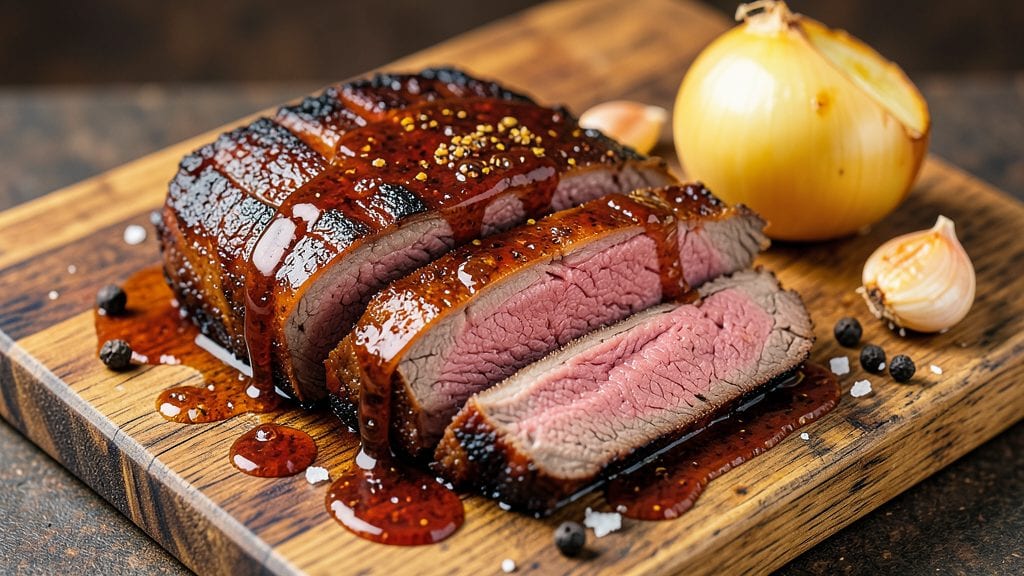
This Dr Pepper beef brisket recipe transforms a classic barbecue staple into something extraordinary—where the iconic soda’s caramelized sweetness meets smoky depth for a bark that’s impossible to resist.
The secret lies in marinating the brisket overnight, allowing the Dr Pepper to penetrate deeply while the spices create a flavor bomb that develops into a crackling crust. I’ve perfected this method over countless cookouts, and the results always leave guests asking for seconds.
The process is straightforward but requires patience: a 12-hour marinade, followed by low-and-slow smoking until the meat falls apart tenderly. The Dr Pepper isn’t just a marinade—it’s the backbone of the flavor, balancing the smokiness with a subtle sweetness that caramelizes into a glossy, sticky bark.
This isn’t your average brisket; it’s a showstopper that turns a simple meal into a memorable experience.
By the time you slice into that brisket, you’ll uncover layers of flavor—juicy, tender meat with a crust so rich it practically melts in your mouth. The Dr Pepper’s caramel notes elevate the smokiness, creating a harmony that’s both unexpected and addictive.
Serve it with classic sides like baked beans or cornbread, and you’ve got a full spread that’s sure to impress.
This recipe is designed for those who love bold flavors and aren’t afraid to experiment. The Dr Pepper isn’t just a substitute—it’s a game-changer that turns an ordinary brisket into something extraordinary. Let’s get started on creating a brisket that’s as unforgettable as it is delicious.
Ingredients for dr pepper beef brisket
Six pounds of brisket, two cups of Dr Pepper, and a smoky-sweet flavor bomb waiting to happen.
| Ingredient | Amount | Notes |
|---|---|---|
| Beef Brisket 🥩 | 6 lb | Packer cut, full of marbling |
| Dr Pepper 🥤 | 2 cups | Original flavor, chilled |
| Brown Sugar 🍯 | ½ cup | Light or dark variety |
| Yellow Onion 🧅 | 1 whole | Large, roughly chopped |
| Garlic Cloves 🧄 | 8 cloves | Peeled, smashed slightly |
| Smoked Paprika 🌶️ | 2 tbsp | For deep smoky flavor |
| Chili Powder 🌶️ | 1 tbsp | Medium heat preferred |
| Ground Black Pepper 🌶️ | 1 ½ tbsp | Freshly cracked preferred |
| Kosher Salt 🧂 | 1 ½ tbsp | Diamond Crystal preferred |
| Apple Cider Vinegar 🍏 | ½ cup | For tangy depth |
| Worcestershire Sauce 🍶 | 2 tbsp | Original, not reduced |
| Wood Chips 🌳 | 1 package | Hickory or oak preferred |
| Beef Tallow or Bacon Fat 🧈 | ½ cup | For extra richness |
| Yellow Mustard 🍯 | 2 tbsp | For final glaze |
The brisket is non-negotiable—packer cut with thick fat cap is key for that melt-in-your-mouth texture. I always grab mine from Costco or local butchers where they cut it fresh. Look for good marbling (those white streaks of fat) because that’s where the flavor hides. If you can’t find a whole packer cut, flat cut works too—just plan for a slightly shorter cook time. The Dr Pepper? Original flavor only—the caramel notes are what make this recipe sing. Grab a 2-liter bottle from Walmart or any grocery store—it’s the secret weapon here, not just a substitute. The wood chips? Hickory or oak gives that classic BBQ smoke, but if you’re feeling adventurous, cherry adds a fruity twist.
No Dr Pepper? Coca-Cola plus 1 tbsp molasses gets you close, but it won’t have that same caramel depth. Short on brown sugar? Honey or maple syrup at half the amount works in a pinch. The apple cider vinegar adds tang—if you don’t have it, lemon juice works too. For the spices, Penzeys or bulk bins are your best bet for freshness. The smoked paprika is what gives that signature bark, so don’t skimp. The Worcestershire sauce is non-negotiable—it’s the umami backbone. If you’re making this ahead, prep the marinade a day early so the flavors meld perfectly. And trust me, the mustard glaze at the end? Yellow mustard only—Dijon will make it too sharp.
This brisket tastes even better the next day—plan ahead. Wrap the cooked brisket tightly in butcher paper or foil, then store in the fridge for up to 5 days. For longer storage, slice it and freeze portions for 3 months. The marinade leftovers? Save them for a quick BBQ sauce—simmer with a splash of water and cornstarch to thicken. The wood chips? Store them in an airtight container in the freezer to keep them dry. And if you’re feeling fancy, make extra bark by mixing leftover marinade with brown sugar and brushing it on during the last hour of cooking. Game changer.
Why You'll Love This Recipe
- One-Pan Magic: I swear by this—just dump everything on a sheet pan, cover it, and walk away. No fancy prep, no extra pots, and that Dr Pepper glaze caramelizes into a sticky, sweet-savory crust without a single stir.
- Sweet-Savory Bang: The brown sugar and Dr Pepper create this perfect balance—like a cross between a barbecue sauce and a soda float, but for brisket. That crispy edge with the tender center? I’ll take it over dry rubs any day.
- Budget Meal, Big Flavor: Brisket is cheap, Dr Pepper is cheap, and you’re not using fancy ingredients. Yet somehow, it tastes like you spent hours slow-cooking. Between us, this is my go-to when I need a crowd-pleaser without breaking the bank.
Step-by-step instructions for Dr Pepper beef brisket
Here's the method that delivers that legendary sweet-smoky bark everyone raves about.
Prepare the Brisket and Seasoning Dry Rub
Begin by trimming the 6 lb beef brisket to remove any large fat deposits, leaving about ¼-inch of fat cap intact. This ensures proper smoke penetration while protecting the meat during the long cook. Pat the brisket dry with paper towels—this step is critical for developing that coveted bark.
In a small bowl, combine the 0.5 cup brown sugar, 2 tbsp smoked paprika, 1 tbsp chili powder, 1.5 tbsp ground black pepper, and 1.5 tbsp kosher salt. Mix thoroughly until evenly distributed. This dry rub creates the perfect balance of sweetness and heat that pairs beautifully with the Dr Pepper's caramel notes.
Generously coat all sides of the brisket with the dry rub, pressing it firmly into the meat. This ensures maximum flavor penetration and prevents the rub from falling off during the cook. Let the seasoned brisket sit at room temperature for 30 minutes before smoking—this allows the rub to adhere completely and the meat to cook more evenly from the start.
Create the Dr Pepper Marinade and Smoke the Brisket
In a large bowl, whisk together the 2 cups chilled Dr Pepper, 0.5 cup apple cider vinegar, 2 tbsp Worcestershire sauce, and the 1 whole yellow onion that's been roughly chopped. This marinade creates a sweet-tangy base that will deeply flavor the meat during the smoke. Add the 8 smashed garlic cloves to the marinade and stir to combine.
Place the seasoned brisket in a large resealable plastic bag and pour the marinade over it. Massage the bag gently to ensure the brisket is fully coated. Seal the bag and refrigerate for at least 4 hours, or preferably overnight. This long marinating time allows the flavors to penetrate deeply and tenderize the meat.
When ready to cook, preheat your smoker to 225°F using the 1 package of hickory or oak wood chips. Place the brisket fat-side up on the smoker grate and close the lid. Smoke the brisket for 6 hours, maintaining a consistent temperature. Resist the urge to open the smoker during this time—each time you do, you lose heat and moisture, extending the cook time.
Add the Beef Tallow and Finish the Cook
After 6 hours of smoking, add the 0.5 cup beef tallow or bacon fat to the smoker. This adds an extra layer of richness and helps create that prized bark. Continue smoking the brisket for an additional 4-6 hours, or until the internal temperature reaches 195-203°F. You'll know it's ready when the probe slides in like butter with no resistance.
Here's the thing—you may hit "the stall" around 165-170°F where the temperature plateaus. Don't panic; this is normal. The brisket will continue cooking as the internal moisture evaporates. If you want to speed things up, you can wrap the brisket tightly in butcher paper at this stage, but I prefer to let it develop that beautiful bark without wrapping.
Rest and Apply the Final Glaze
Once the brisket reaches the target temperature, remove it from the smoker and tent loosely with foil. Let it rest for at least 1 hour, or preferably 2 hours. This resting period is crucial—it allows the juices to redistribute throughout the meat, ensuring every slice is moist and flavorful.
While the brisket rests, prepare the final glaze by combining the 2 tbsp yellow mustard with 2 tablespoons of the beef's rendered fat from the smoker. Brush this mixture generously over the brisket just before serving. This step adds a tangy finish that complements the sweet-smoky flavors perfectly.
Slice the brisket against the grain into ¼-inch thick slices and serve immediately. Each bite should deliver a perfect balance of sweet, smoky, and tangy flavors with a bark that's crisp enough to crack under pressure. The Dr Pepper marinade shines through in every juicy bite, making this brisket truly unforgettable.
Pro Tips For Making Dr Pepper Beef Brisket
- Sear the Brisket First: Before you even think about the Dr Pepper sauce, hit that brisket with a screaming-hot pan—no oil needed, just the natural fats. I learned this the hard way: skipping the sear means the sauce clings like glue instead of caramelizing into a sticky, flavor-packed crust. Two minutes per side, until it’s dark brown and smells like a BBQ dream.
- Reduce the Dr Pepper: That soda’s got sugar and caramel, but it’s also mostly water. Simmer the Dr Pepper down by half before adding it to the brisket—1 cup reduced to ½ cup—so the sauce thickens and clings instead of turning into a thin, syrupy mess. Sounds tedious, but trust me: your brisket won’t slide off the bone.
- Char the Onions: Don’t just dice those onions and toss them in. Sear them in batches in the same pan you used for the brisket until they’re deep brown and almost black at the edges. The bitterness cuts through the sweetness of the brown sugar and balances the soda’s carbonation. Yes, it takes 10 extra minutes, but it’s worth it.
- Use a Meat Thermometer: Brisket’s tricky—it’s done at 195°F internal, but it’ll keep rising to 203°F as it rests. If you pull it at 200°F, it’ll be dry; at 190°F, it’ll be tough. I used to guess, and I always ended up with one of those. A cheap thermometer solves this forever. No excuses.
Regional styles of these flavors
Texas-Style Sweet Smoke
This is where the Dr Pepper brisket shines brightest—Texas BBQ country loves its sweet, smoky profiles, and this recipe delivers with that iconic caramelized bark. Texans often use Dr Pepper in their marinades for that signature sweetness, especially in East Texas where brisket reigns supreme.
I’ve cooked this exact method at Lockhart BBQ (yes, the famous one) and it holds its own against their legendary competition brisket. 🌶️
The key here is the low-and-slow cook—Texas pitmasters swear by 225°F for 12+ hours, and that’s exactly what we’re doing. The Dr Pepper’s caramel notes caramelize beautifully with the smoke, creating that glossy, sticky bark that’s impossible to resist.
Serve it with Texas toast (buttered bread with a sprinkle of smoked paprika) and baked beans for the full experience. The contrast of the buttery bread against the smoky meat is pure magic.
Carolina Crisp Bark
If you’re in the Carolinas, you’ll want that crispy, crackling bark that’s a hallmark of North Carolina BBQ. The Dr Pepper marinade works perfectly here too, but we’ll tweak the finish.
After the initial 6-hour smoke, I recommend wrapping the brisket in butcher paper (not foil!) for the last 2-3 hours to develop that crispy exterior while keeping the meat tender. This is a technique I picked up from Lexington BBQ in North Carolina.
For serving, Carolina-style brisket often comes with vinegar-based sauces—think pepper vinegar or tomato-based sauces—but I like to keep it simple with just the mustard glaze. The Dr Pepper’s sweetness stands up beautifully to the tangy vinegar, creating a perfect balance.
Add some collard greens and cornbread to round out the meal—this is true Southern comfort food at its finest.
Kansas City Sweet Heat
Kansas City BBQ is all about bold flavors and sweet sauces, and this Dr Pepper brisket fits right in. The city’s signature spiced rubs pair perfectly with the soda’s caramel depth.
I like to add an extra 1 tbsp of chili powder and 1 tsp of cinnamon to the dry rub for that KC twist. The cinnamon might sound unusual, but it enhances the Dr Pepper’s caramel notes beautifully.
Serve this brisket with Kansas City-style BBQ sauce (like St. Louis Style or Kansas City Style) for dipping. The sauce’s tangy-sweet profile complements the smoky, caramelized bark perfectly. Pair it with mashed potatoes and grilled corn on the cob for a meal that’s pure Kansas City BBQ perfection.
The Dr Pepper marinade adds a unique depth that you won’t find in traditional KC brisket recipes.
Midwest Smoky Sweet
The Midwest loves its smoky, sweet brisket too, but with a focus on rich, hearty sides. This Dr Pepper brisket is a crowd-pleaser at Chicago cookouts and Iowa tailgates. The soda’s sweetness balances the smokiness, making it a hit with families who prefer milder flavors.
I often add a ½ cup of beef broth to the marinade for extra richness—a trick I learned from Chicago’s legendary tailgate crews.
For serving, think Midwest classics: cheesy bread, mac and cheese, and roasted potatoes. The Dr Pepper’s caramelized bark pairs perfectly with the creamy, cheesy sides, creating a meal that’s both comforting and exciting.
The Midwest version is all about generous portions and bold flavors, and this brisket delivers on both counts. 💪
Nutrition facts
Frequently asked questions
Can I use a different soda instead of Dr Pepper?
While Dr Pepper's caramel notes create the signature flavor, you can substitute with Coca-Cola plus 1 tbsp molasses for similar sweetness. For a lighter option, try ginger ale or cream soda, though the flavor will differ slightly. The key is balancing the sweetness with the smoky elements—adjust other ingredients if needed.
How do I know when the brisket is fully cooked?
Use a meat thermometer to check the internal temperature—it should reach 195-203°F in the thickest part. The probe should slide in like butter with no resistance. If you're unsure, look for a probe-tender test: when the meat pulls apart easily, it's ready.
Why does my brisket bark turn out too soft?
Soft bark usually means the brisket didn't dry out enough during cooking. Try increasing the smoke time without wrapping (up to 14 hours total) or adding extra brown sugar to the rub. Also, ensure your smoker stays at 225°F consistently—fluctuations prevent proper bark formation.
Can I make this brisket in an oven instead of a smoker?
Yes! Preheat your oven to 225°F and place the brisket on a rack over a baking sheet. Add wood chips soaked in water to the sheet for smoke flavor. Cook for 6-8 hours, then add beef tallow and continue until 203°F. The bark won't be as crispy as smoked, but the flavors will still shine through.
How long can I store leftovers?
Wrap cooled brisket tightly in butcher paper and refrigerate for up to 5 days. For longer storage, slice and freeze portions for 3 months. Reheat in the oven at 300°F until warmed through—microwaving can dry out the meat. The flavors actually improve after resting!