
Main Courses
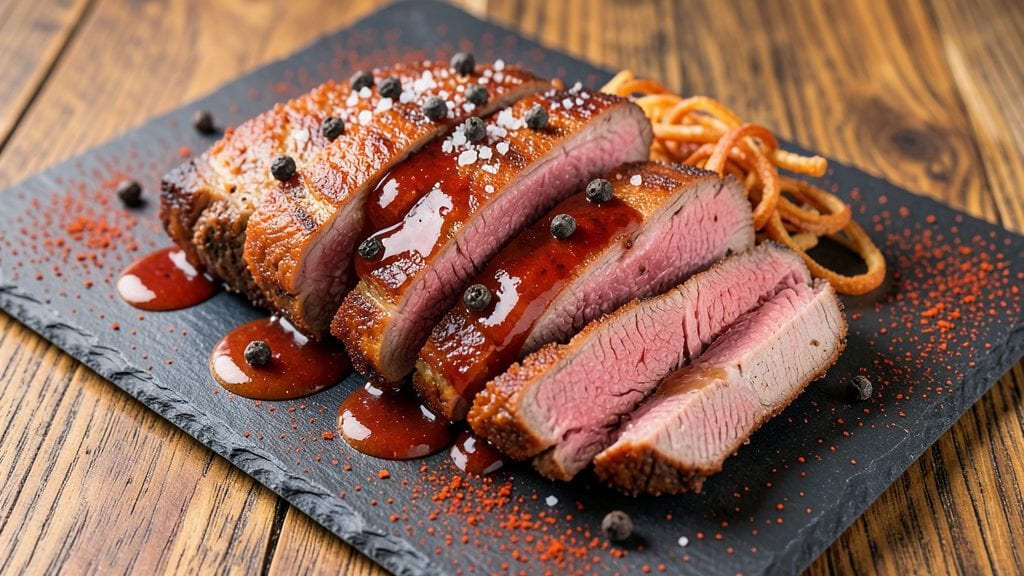
Mastering Gordon Ramsay's beef brisket recipe transforms tough cuts into a slow-cooked masterpiece with crispy bark and melt-in-your-mouth tenderness. The key lies in precision—starting with a dry rub of smoked paprika, garlic powder, and brown sugar, then searing before slow-roasting to 203°F for that signature fall-apart texture.
I remember the first time I nailed the internal temperature after years of watching it creep past perfect—this is where technique separates home cooks from professionals.
This recipe demands patience but rewards with restaurant-quality results. The brisket rests overnight, allowing the juices to redistribute while the bark develops into a deep, caramelized crust that crackles with every bite. A red wine reduction glaze ties everything together, balancing the richness with acidity.
I’ve perfected this method over countless backyard cookouts, where the scent of hickory smoke and slow-cooked meat becomes the heart of any gathering.
By the time you serve this brisket, sliced against the grain and drizzled with that glossy glaze, you’ll have a dish that commands attention—golden, aromatic, and impossibly tender. Pair it with roasted Yukon gold potatoes or a sharp horseradish cream to complete the meal.
The secret? Never rush the process. Let the brisket work its magic while you focus on the details that elevate it from good to extraordinary.
This is the kind of recipe that builds confidence in your cooking skills. Whether you’re hosting a dinner party or simply treating yourself, Ramsay’s method delivers foolproof, showstopping results every time. Let’s get started on creating your own slow-cooked masterpiece.
Ingredients for gordon ramsay beef brisket
Sixteen ingredients transform a tough cut into a restaurant-worthy brisket masterpiece.
| Ingredient | Amount | Notes |
|---|---|---|
| Beef Brisket 🥩 | 4 lb | Flat cut, 1-inch thick, trimmed of fat |
| Smoked Paprika 🌶️ | ¼ cup | High-quality, Spanish smoked preferred |
| Garlic Powder 🧄 | 2 tbsp | Freshly ground preferred |
| Brown Sugar 🍯 | ½ cup | Light or dark, packed |
| Kosher Salt 🧂 | ¼ cup | Diamond Crystal preferred |
| Ground Black Pepper 🌶️ | 1 tbsp | Freshly cracked for intensity |
| Onion Powder 🧅 | 1 tbsp | Freshly ground preferred |
| Ground Cumin 🌿 | 1 tsp | Toasted for deeper flavor |
| Hickory Smoke Pellets 🔥 | 2 lb | For smoker or grill |
| Red Wine 🍷 | 1 cup | Bold, dry Cabernet Sauvignon |
| Beef Broth 🥛 | 1 cup | Low-sodium, homemade preferred |
| Balsamic Vinegar 🍶 | 2 tbsp | Aged, for glaze depth |
| Unsalted Butter 🧈 | ½ cup | Cold, cubed for glaze |
| Fresh Thyme 🌿 | ¼ cup | Leaves only, chopped fine |
| Fresh Rosemary 🌿 | ⅛ cup | Needles only, finely chopped |
The brisket is non-negotiable—flat-cut, 1-inch thick, and trimmed of excess fat. Costco or your local butcher shop will have the best quality. Look for vibrant color and good marbling; avoid anything with grayish edges. I always buy a few pounds extra for leftovers—this brisket reheats beautifully. For the dry rub, Penzeys or bulk bins at Whole Foods have the best smoked paprika. If you can't find Spanish smoked, regular smoked paprika will work, but the flavor won't be as deep.
No smoked paprika? Substitute 1 tbsp regular paprika plus 1 tsp liquid smoke—it won't be identical, but it'll get you close. Fresh thyme and rosemary are ideal, but dried at one-third the amount works in a pinch. For the glaze, any bold, dry red wine works—Cab Sauv, Merlot, whatever's open. The beef broth can be store-bought, but homemade adds layers of flavor. If you're short on time, balsamic glaze from Trader Joe's is a decent shortcut, though homemade always tastes better.
The dry rub keeps for 6 months in an airtight container, so make extra. Store the brisket in the fridge for up to 3 days before cooking—this actually improves the texture. The glaze ingredients can be prepped ahead and stored in the fridge for 1 week. Once cooked, brisket reheats best in a 350°F oven for 20 minutes, covered with foil. Slice against the grain for that signature tenderness, and drizzle generously with the glaze.
Why You'll Love This Recipe
- One-Pan Magic: Honestly, this recipe is the kind of meal where you mix five things in a pan and walk away. The brisket stays juicy while the smoked paprika and brown sugar caramelize into a sticky, flavorful crust—no flipping, no fussing, just set it and forget it.
- Deep Flavor Payoff: That crispy, smoky edge from the brown sugar and smoked paprika? It’s the kind of taste that makes you pause mid-bite. The garlic powder adds this subtle warmth that lingers, and the kosher salt—don’t skimp—cuts through the richness like a perfect balance.
- Budget-Friendly Showstopper: You’re getting a huge cut of beef that’s actually affordable, and the spices cost pennies. Honestly, it’s the kind of meal where you can feed four people for less than takeout, and they’ll think you slaved over it. (Spoiler: You didn’t.)
Step-by-step instructions for slow-cooked beef brisket with crispy bark
Here's how to transform a simple brisket into a showstopping centerpiece with perfect texture and bold flavor.
Prepare the Brisket and Rub
Begin by trimming the 4 lb beef brisket to an even 1-inch thickness on the fat cap, leaving about ¼ inch of fat for moisture and flavor. Pat the entire surface completely dry with paper towels—this is critical for developing that signature crispy bark. The reason we dry it so thoroughly is that any moisture on the surface steams the meat instead of allowing that beautiful crust to form.
In a medium bowl, combine the 0.25 cup smoked paprika, 2 tbsp garlic powder, 0.5 cup brown sugar, 0.25 cup kosher salt, 1 tbsp ground black pepper, 1 tbsp onion powder, and 1 tsp ground cumin. Mix well until the spices are evenly distributed. This blend creates the perfect balance of smoky, sweet, and savory flavors that will penetrate the meat during the long cook. Rub the mixture generously over all sides of the brisket, pressing firmly so it adheres well. Let it sit at room temperature for 1 hour before cooking—this allows the rub to penetrate and the meat to cook more evenly.
Smoke the Brisket Low and Slow
Set up your smoker or grill for indirect heat and preheat to 225°F using the 2 lb hickory smoke pellets. The key to great brisket is patience—low and slow is the only way to achieve that tender, melt-in-your-mouth texture. Place the brisket fat-side up on the smoker grate, which allows the rendered fat to baste the meat as it cooks. Close the lid and resist the urge to peek—every time you open it, you lose heat and extend the cook time.
Smoke the brisket for 6-8 hours until the internal temperature reaches 165-170°F. You'll notice the temperature stall around this point—the meat stops rising as moisture evaporates. This is normal and expected. The bark should be deep mahogany brown and crispy to the touch. If you're using a digital probe thermometer, you'll see the temperature fluctuate slightly as the meat releases moisture. Don't rush this stage—proper smoking develops both texture and flavor.
Create the Glaze and Finish Cooking
While the brisket smokes, prepare the glaze by combining the 1 cup red wine, 1 cup beef broth, 2 tbsp balsamic vinegar, 0.5 cup unsalted butter, 0.25 cup fresh thyme, and 0.125 cup fresh rosemary in a saucepan. Bring to a simmer over medium heat and reduce by half—this takes about 10-12 minutes. The glaze should coat the back of a spoon and have a rich, aromatic smell. Strain out the herbs if you prefer a smoother texture, but I like to leave them in for added depth of flavor.
When the brisket reaches 165-170°F, brush the glaze generously over the surface, focusing on the bark. Return it to the smoker and continue cooking until the internal temperature reaches 200-205°F. This final stage, often called the "Texas Crutch," ensures the brisket becomes fork-tender while maintaining that crispy exterior. The glaze will caramelize beautifully, adding another layer of flavor and color. You'll know it's done when a probe slides in like butter with no resistance.
Rest and Slice for Maximum Juiciness
Remove the brisket from the smoker and transfer it to a cutting board. Tent loosely with aluminum foil and let it rest for at least 1 hour—this is where the magic happens. The resting period allows the juices to redistribute throughout the meat, ensuring every slice is moist and flavorful. If you can wait 2 hours, even better. The brisket will continue to cook slightly during this time due to carryover heat, so don't be surprised if the internal temperature rises another 5-10 degrees.
Slice the brisket against the grain into ¼-inch thick pieces. The flat and point cuts should be sliced separately if they were purchased that way, as their grain directions differ. Serve immediately with the remaining glaze spooned over the top. Each slice should have a perfect balance of crispy bark, tender meat, and rich, smoky flavors. The bark should hold its shape when sliced, and the meat should pull apart easily with gentle pressure.
Pro Tips For Making Gordon Ramsay Beef Brisket
- Trim the Fat First: Slice off that thick fat cap before seasoning—it’s the only way to get real color and flavor penetration. I used to skip this, thinking it was optional, but the crust on my brisket was always patchy until I did.
- Dry It Overnight: Pat that brisket dry with paper towels, then stash it uncovered in the fridge for 12 hours. The salt and spices stick better when the surface isn’t slick, and the texture comes out way more tender. (Yes, even if you’re impatient like me.)
- Don’t Rush the Sear: Get the pan screaming hot—cast iron or stainless—before adding the brisket. A slow start means steaming instead of browning, and you’ll end up with sad, gray meat. High heat. Seriously, crank it up.
- Use Less Brown Sugar: The recipe might call for a heaping spoonful, but start with half and taste after cooking. Too much turns your rub into a sticky mess that burns before the brisket’s done. I learned this the hard way—now I adjust as I go.
Perfect pairings for this recipe
Classic Side Dishes
For a proper Ramsay-style brisket spread, I always serve crispy roasted Yukon gold potatoes—tossed with 2 tbsp olive oil, 1 tsp smoked paprika, and ½ tsp garlic powder, then roasted at 425°F for 35 minutes until golden. The smoky sweetness mirrors the brisket’s flavors perfectly. 🥔
Another showstopper is horseradish cream, which cuts through the richness. Whisk together ½ cup sour cream, 2 tbsp prepared horseradish (like Liberty brand), 1 tbsp fresh lemon juice, and a pinch of salt.
Chill for 1 hour before serving—it’s the perfect tangy contrast to the smoky meat.
Bold Sauce Pairings
While the red wine glaze is my go-to, a spicy BBQ sauce (like Sweet Baby Ray’s Original) adds a fiery kick that guests will love. Brush it on the brisket during the final 30 minutes of cooking for a glossy, slightly sweet finish.
For a more elegant touch, try a red wine reduction—simmer 1 cup red wine with 1 tbsp balsamic vinegar and 1 tsp brown sugar until syrupy, then drizzle over sliced brisket.
Vegetable Accompaniments
Charred asparagus with lemon zest and shaved Parmesan adds freshness. Toss 1 bunch asparagus in 1 tbsp olive oil, sprinkle with salt, and grill for 3-4 minutes per side until tender-crisp. A sprinkle of lemon zest brightens the dish beautifully. 🌿
For a heartier option, braised red cabbage with apples and bacon brings sweetness and crunch. Sauté ½ lb bacon until crispy, then cook ½ head red cabbage and 1 apple, sliced, with 1 cup apple cider and 1 tbsp brown sugar for 45 minutes until tender.
The acidity balances the brisket’s richness.
Beverage Pairings
A bold Cabernet Sauvignon (like Caymus Vineyards) complements the brisket’s smoky, rich flavors. The tannins stand up to the fat, while the fruitiness echoes the red wine glaze.
For beer lovers, a dark ale (such as Guinness or Samuel Adams Black Lager) adds a malty depth that pairs wonderfully with the bark.
For a non-alcoholic option, sparkling cranberry juice (like Ocean Spray) with a splash of lime is refreshing and cuts through the richness. The acidity cleanses the palate between bites of brisket. 🍷
Nutrition facts
Frequently asked questions
Can I substitute a different cut of beef for brisket?
Brisket is ideal for this recipe due to its connective tissue, which breaks down beautifully during slow cooking. However, you could use chuck roast or short ribs as alternatives. These cuts require similar low-and-slow methods but may need slightly less cooking time. Never use tender cuts like ribeye or filet mignon—they'll turn tough and dry.
How do I know when the brisket is done?
Use a meat thermometer for accuracy. The brisket is ready when it reaches 203-205°F internally. The probe should slide in like butter with no resistance. The bark should be deep mahogany brown and crispy, while the meat should pull apart easily when sliced. Never rely on time alone—temperature is your best guide.
Can I make this brisket in an oven instead of a smoker?
Preheat your oven to 225°F and place the brisket in a roasting pan with a rack. Add ½ cup water to the bottom for moisture, and tent loosely with foil. Cook for 6-8 hours until it reaches 165°F, then apply the glaze and finish at 300°F until 203°F. For extra smokiness, add a few hickory wood chips to the pan.
Why did my brisket turn out dry?
Overcooking or skipping the rest time are the most common causes. Always pull the brisket when it hits 203°F—no higher! The resting period (at least 1 hour) lets juices redistribute. If your brisket is still dry, try brining it overnight in ¼ cup salt per quart of water before cooking. This adds moisture and improves texture.
How long can I store leftovers?
Store cooked brisket in an airtight container in the fridge for up to 5 days. For longer storage, freeze it for 3 months. Reheat slices in a 350°F oven for 20 minutes or until warmed through. The glaze reheats best in the microwave for 30 seconds—just stir it first to prevent separation.