
Appetizers
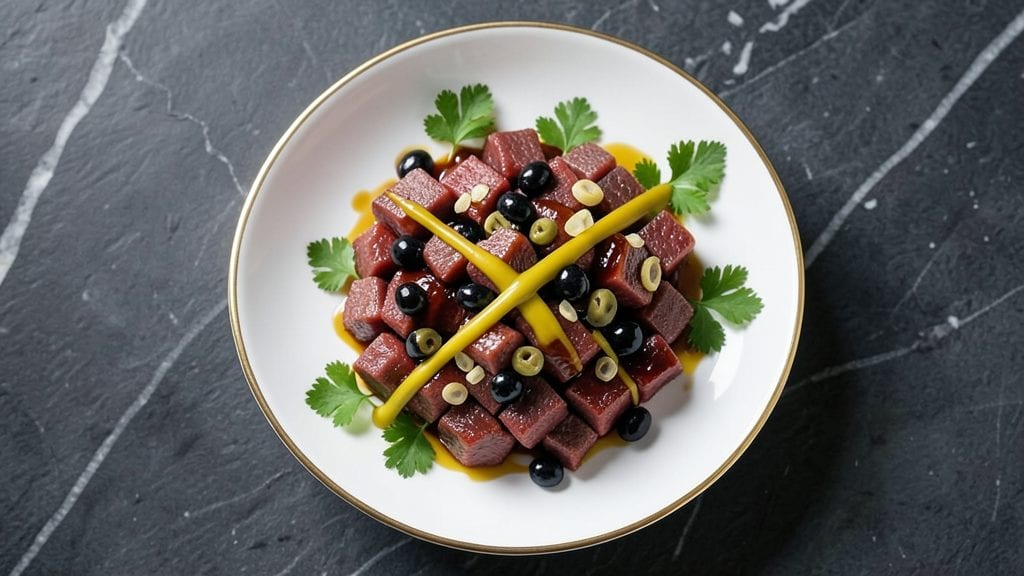
Gordon Ramsay’s beef tartare recipe delivers restaurant-quality finesse without cooking—just ultra-fresh beef, precise seasoning, and expert technique. The dish relies on perfectly chilled cuts and delicate knife work to create a texture that’s tender yet structured, with bright flavors that pop against the raw meat.
I’ve refined this version to balance Ramsay’s signature boldness with traditional French elegance, ensuring every bite feels luxurious yet approachable.
What sets this recipe apart is the emphasis on food safety first—using only the freshest beef, proper handling, and chilling methods to guarantee a dish that’s as safe as it is spectacular.
The secret lies in the seasoning: a mix of capers, shallots, and Worcestershire that cuts through the richness while enhancing the beef’s natural flavor. Even beginners can master this with the right guidance.
By the end, you’ll have a dish that’s visually stunning—vibrant, artfully plated—and packed with flavor: tender beef, crisp capers, and a zesty aioli that ties everything together. This isn’t just an appetizer; it’s a showstopper that transforms any meal into an experience. Let’s get started.
The beauty of beef tartare is its versatility—serve it as a standalone appetizer or pair it with crispy potatoes and a bold red wine. The key is confidence in presentation, but don’t worry: even if your plating isn’t perfect, the flavors will impress.
This is Ramsay-style cooking at its finest—elegant, precise, and utterly delicious.
Ingredients for gordon ramsay beef tartare
Fresh beef, sharp seasonings, and a silky aioli—this is Ramsay’s no-cook masterpiece.
| Ingredient | Amount | Notes |
|---|---|---|
| Beef Tartare Cut (Ribeye or Strip) 🥩 | 1 ½ lb | Ultra-fresh, trimmed of fat, chilled |
| Shallots 🧅 | 4 whole | Finely minced, 1 tbsp juice reserved |
| Capers 🫐 | 2 tbsp | Nonpareils, rinsed and drained |
| Worcestershire Sauce 🍶 | 1 tbsp | Lea & Perrins preferred |
| Fresh Parsley 🌿 | ¼ cup | Finely chopped, flat-leaf preferred |
| English Mustard 🌶️ | 1 tsp | Dijon-style, for brightness |
| Diamond Crystal Kosher Salt 🧂 | ½ tsp | Fine grain for delicate seasoning |
| Freshly Ground Black Pepper 🌶️ | ½ tsp | Coarsely cracked for texture |
| Extra-Virgin Olive Oil 🫒 | 1 tbsp | High-quality, fruity variety |
| Egg Yolks 🥚 | 2 whole | Fresh, room temperature |
| Lemon Juice 🍋 | 1 tbsp | Freshly squeezed, strained |
| Cold Butter 🧈 | 2 tbsp | Unsalted, cubed and chilled |
| Bone Marrow (Optional) 🦴 | ½ cup | Roasted, for luxurious finish |
The beef is non-negotiable. Ribeye or strip steak with excellent marbling is ideal—ask your butcher for the freshest cut possible. It should arrive ice-chilled and be used immediately. I always buy from Whole Foods or a trusted local butcher for this; the supermarket beef just doesn’t cut it. Trim away any visible fat or silver skin before dicing into 1/4-inch cubes—this ensures tender texture. The shallots? French-style from the specialty section at Trader Joe's add a subtle sweetness that’s perfect here. Capers should be nonpareils—the tiny ones pack more punch than the larger berry-style.
No Worcestershire? Fish sauce plus a pinch of sugar works in a pinch, but the umami depth is different. Short on shallots? Extra-fine onion powder at half the amount gets you close, though it lacks the moisture. The parsley is critical—flat-leaf Italian from the grocery store’s fresh section holds up better than curly parsley. For the aioli, Lea & Perrins Worcestershire is a must; the vinegar balance is perfect. No bone marrow? Extra butter or a dollop of crème fraîche adds richness without overpowering. The lemon juice should be freshly squeezed—bottled juice has no brightness.
This dish is all about timing. The beef must stay ice-cold until serving—use a chilled platter and keep everything on ice. The aioli should be made just before serving; it thickens as it sits. Store any unused beef in an airtight container with plastic wrap pressed directly on the surface for up to 2 days in the fridge, but honestly, it’s best eaten fresh. The aioli keeps for 2 days in the fridge, covered with a thin layer of olive oil. For presentation, use small ramekins or chilled spoons—Ramsay’s signature touch is the artful mound, but even a simple plate works if you focus on the flavors.
Why You'll Love This Recipe
- No-Fuss Prep: I’ll be real—this isn’t about fancy knife skills. You grab a ribeye, slice it thin (or ask the butcher to do it), and toss in shallots and capers. Five minutes of chopping, and you’re done. That’s it.
- Umami Bomb: The Worcestershire and capers hit differently—bright, tangy, and packed with that deep savory punch. It’s the kind of flavor that makes you reach for seconds without even thinking.
- Date Night Ready: Serve it with toasted baguette slices or crispy fries, and suddenly, you’ve got a restaurant-worthy dish. No plates needed, no fuss—just pure, bold flavor that’ll impress anyone.
- Budget Flex: A single ribeye goes a long way, and the rest of the ingredients cost pennies. Leftovers? Toss them in a pan with eggs for breakfast the next morning. Smart, simple, and satisfying.
Step-by-step instructions for gordon Ramsay's beef tartare
Here's the precise method for crafting restaurant-quality beef tartare with perfect texture and balance.
Prepare the Beef and Aromatics
Begin by trimming the 1.5 lb beef tartare cut of any visible fat or connective tissue, working over an ice bath to keep it chilled. Cut the beef into ¼-inch cubes, discarding any silver skin or gristle. The pieces should be uniform in size for even seasoning and texture.
Finely mince the 4 whole shallots using a mandoline or sharp knife, reserving 1 tablespoon of the juice in a small bowl. This shallot juice will be used later to balance the dish. Chop the 0.25 cup fresh parsley into tiny pieces—you want it so fine it nearly dissolves when mixed. The parsley adds freshness that cuts through the richness of the beef.
Season and Combine the Base Mixture
In a large mixing bowl, combine the cubed beef, minced shallots, 2 tbsp capers, and 1 tbsp Worcestershire sauce. Using your hands, gently fold these ingredients together until evenly distributed. This is where the flavors start to meld—don't overwork the beef or it will turn mushy.
Add the 0.5 tsp diamond crystal kosher salt, 0.5 tsp freshly ground black pepper, 1 tsp English mustard, and 1 tbsp extra-virgin olive oil. Mix thoroughly with your hands, pressing down gently to ensure the seasoning penetrates each piece of beef. The mustard adds brightness, while the olive oil helps bind everything together.
Incorporate the Egg Yolks and Finishing Touches
In a separate small bowl, whisk together the 2 whole egg yolks and 1 tbsp lemon juice until smooth and slightly thickened. This mixture will add richness and acidity to balance the dish. Gently fold this yolk-lemon combination into the beef mixture, being careful not to overmix—just enough to distribute evenly.
If using, add the 0.5 cup roasted bone marrow at this stage. The marrow should be cooled and finely chopped, adding a luxurious depth of flavor. For the final touch, fold in the reserved 1 tablespoon shallot juice and the finely chopped parsley. The tartness of the lemon and shallot juice will brighten the dish, preventing it from feeling too heavy.
Chill and Rest for Optimal Texture
Cover the tartare mixture with plastic wrap and refrigerate for at least 1 hour—this resting period allows the flavors to fully develop and the textures to settle. The beef will firm up slightly, making it easier to serve without falling apart. For best results, prepare the tartare up to 4 hours in advance.
When ready to serve, give the mixture one final gentle fold to redistribute any settled juices. The tartare should look vibrant, with a glossy sheen from the olive oil and egg yolks. Each bite should offer a perfect balance of tender beef, briny capers, fresh parsley, and a touch of citrus brightness.
Pro Tips For Making Gordon Ramsay Beef Tartare
- Freeze First: DESCRIPTION: Pop the beef tartare cut in the freezer for 15–20 minutes before chopping—it stays firmer and slices cleaner. I learned this the hard way when my first batch turned into a mushy pile because I rushed it. (Yes, even if you’re impatient like me.)
- Sweat Shallots Low: DESCRIPTION: Cook the shallots in butter over low heat until they’re translucent, not browned—you want flavor, not bitterness. I used to crank the heat and ended up with a sad, burnt-on mess that ruined the whole dish.
- Capers Rinse: DESCRIPTION: Drain and rinse the capers in a fine-mesh strainer before adding them—salty brine hides in those little guys. Trust me, you’ll taste the difference, and you won’t need to adjust the seasoning later.
- Worcestershire Last: DESCRIPTION: Add the Worcestershire sauce right before serving—it mellows and blends better with the raw beef when tossed fresh. I used to mix it in early, and it always made the dish taste slightly off, like something was missing.
Pro cooking tips for this recipe
Knife Skills Matter
Your beef cubes should be ¼-inch uniform—any larger and they’ll feel chewy, any smaller and they’ll turn mushy. I use a Wüsthof Ikon chef’s knife and cut against the grain of the meat for clean slices.
Work over an ice bath to keep the beef chilled while you prep. The shallots? Mince them so finely they’re nearly invisible—this prevents them from overpowering the beef. 🔪
Cold Chain is Critical
Beef tartare relies on ice-cold temperatures throughout the process. Keep your beef on ice while trimming and dicing, and store it in the fridge until ready to use. I place the prepared tartare on a chilled platter and keep it covered with plastic wrap until serving.
Never let it warm above 40°F—this is non-negotiable for food safety. The chilling also helps the flavors meld beautifully.
Hand-Mixing Technique
Use your hands to gently fold the ingredients—this ensures even seasoning without breaking down the beef. Press down lightly to distribute the Worcestershire sauce and mustard throughout. I find that using room-temperature hands (not cold) prevents the beef from chilling too quickly.
The goal is to create a cohesive mass that holds its shape when plated. Overmixing turns tartare into a paste—keep it tender.
Egg Yolk Emulsion
The egg yolk-lemon mixture should be smooth but not fully emulsified—think of it as a light dressing. Whisk vigorously for 30 seconds until slightly thickened, then fold it in just until combined.
Adding it too early causes the beef to warm up; I wait until the final minute before mixing. The result? A silky, cohesive texture that binds everything together without making the tartare heavy. 🥚
Resting Enhances Flavor
Let the tartare rest for at least 1 hour (up to 4 hours) before serving. This allows the shallot juice and lemon to fully penetrate the beef, brightening the flavors. I cover it with plastic wrap pressed directly on the surface to prevent drying.
The resting period also lets the beef firm up slightly, making it easier to plate without falling apart.
Plating Like Ramsay
Use a small, chilled spoon to mound the tartare into an elegant pile on each plate. I like to create a volcano shape with the beef at the center, then scatter extra capers and parsley around it.
Drizzle with a thin line of aioli (whisked with the reserved shallot juice) for that signature Ramsay touch. The presentation should look effortless—even if it takes a few tries to get it right. 💫
Nutrition facts
Frequently asked questions
Can I use any cut of beef for this recipe?
Only the freshest, leanest cuts work—ribeye or strip steak with excellent marbling are ideal. Avoid tougher cuts like flank or skirt, as they won't yield the tender texture tartare requires. The beef should be ice-chilled and used immediately after purchase for best results.
How do I keep the beef tartare safe to eat?
Food safety is critical! Use beef that's been freshly trimmed and chilled (never pre-cut or vacuum-sealed). Keep everything on ice while prepping, store the finished tartare in an airtight container with plastic wrap pressed directly on the surface, and serve within 2 days. Never let it sit at room temperature.
What's the secret to perfect texture?
Uniform ¼-inch cubes and gentle hand-mixing are key. Overworking the beef turns it mushy, while under-seasoning makes it bland. The 1-hour rest before serving firms up the texture while letting flavors meld. For extra cohesion, fold in the egg yolk mixture just before plating.
Can I make this ahead of time?
Yes, but with precautions. Prepare the tartare up to 4 hours ahead and store it in the fridge, covered tightly. Refrigerate the aioli separately and whisk it fresh before serving. The beef should never exceed 40°F—use an ice bath if needed. The flavors actually improve with resting!
What if I don't have bone marrow?
No problem! Substitute with 2 extra tablespoons of cold butter or a dollop of crème fraîche for richness. The dish will still be delicious—bone marrow just adds that luxurious depth Ramsay loves. The key is balancing the fat content to keep the tartare cohesive.