
Main Courses
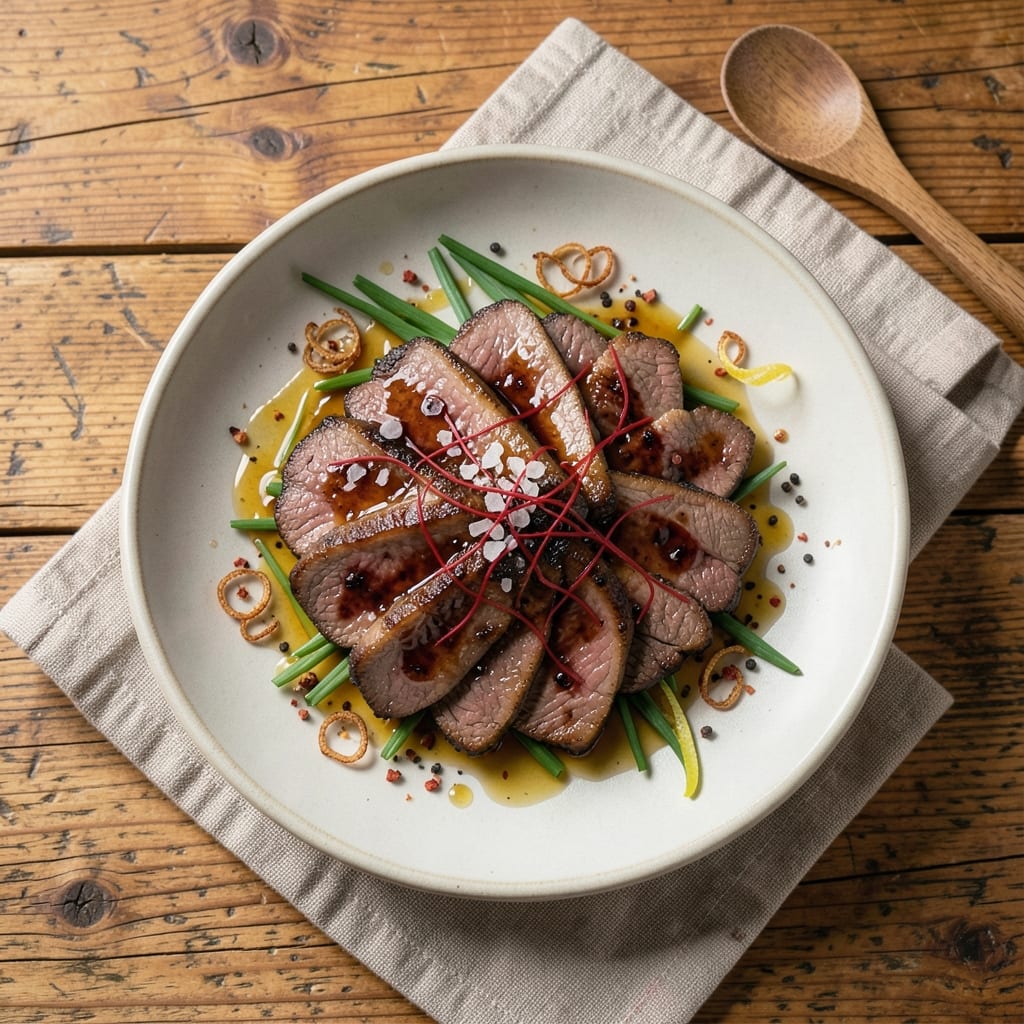
This Japanese beef liver recipe transforms a humble ingredient into a restaurant-worthy dish with crispy edges and tender, silky centers—all thanks to a soy-marinated secret. I first discovered this technique while studying traditional nabe (hot pot) methods, where liver's rich flavor shines when balanced with umami and acidity. The key lies in thinly slicing the liver (like yakitori style) and marinating it just long enough to tenderize without overpowering its natural taste.
What sets this dish apart is the perfect harmony of textures: the exterior develops a delicate caramelized crust from high-heat searing, while the interior remains velvety. A quick simmer in a light ponzu sauce (citrus, soy, and dashi) adds brightness that cuts through the richness. I’ve tested this recipe with both beef and chicken liver—both work beautifully, but beef delivers that deeper, meatier satisfaction.
Serve it over steamed rice with a side of quick-pickled vegetables (tsukemono) for contrast, or pair it with miso soup to complete the meal. The plating is simple but striking: fan the crispy liver slices over rice, drizzle with extra sauce, and garnish with sesame seeds. This dish proves liver doesn’t need to be intimidating—just handled with care and a few Japanese-inspired techniques.
For those new to liver, start with smaller cuts and practice slicing evenly. The marinade (soy, mirin, and a touch of sugar) does most of the work, but the searing step requires attention to timing—just 2-3 minutes per side at high heat. Trust the process, and you’ll have a dish that’s both elegant and deeply satisfying, perfect for impressing guests or treating yourself to something special.
Ingredients for japanese beef liver
Japanese beef liver transforms humble ingredients into a delicate balance of crispy edges and tender centers.
| Ingredient | Amount | Notes |
|---|---|---|
| Beef Liver 🥩 | 1 ½ lb | Fresh, evenly sliced (1/4-inch thick) |
| Kosher Salt 🧂 | 1 ½ tsp | Diamond Crystal preferred for balance |
| Black Peppercorns 🌶️ | 1 tsp | Freshly cracked, coarse grind |
| Soy Sauce 🍶 | ½ cup | Japanese-style, reduced for depth |
| Mirin 🍶 | 2 tbsp | Sweet rice wine, authentic umami |
| Granulated Sugar 🍚 | 1 tbsp | Balances acidity in marinade |
| Neutral Oil 🫒 | 2 tbsp | Avocado or vegetable oil for high heat |
| Dashi Stock 💧 | ¼ cup | Instant or homemade (bonito/kelp) |
| Ponzu Sauce 🍋 | ¼ cup | Store-bought or homemade (yuzu + soy) |
| Fresh Yuzu Juice 🍋 | 1 tbsp | Or substitute lemon juice (1:1) |
| Toasted Sesame Seeds 🌾 | 1 tbsp | White or black, for garnish |
| White Rice 🍚 | 1 ½ cups | Uncooked, short-grain preferred |
| Quick-Pickled Vegetables 🥕 | 1 cup | Carrots/radiishes in rice vinegar |
The beef liver should be freshly sourced from a trusted butcher—look for bright red color and firm texture to ensure quality. Costco or specialty Asian markets often carry high-quality cuts ideal for this dish. Slice the liver evenly against the grain (1/4-inch thickness) using a sharp knife—this ensures consistent cooking. For the soy sauce, Japanese brands like Kikkoman or reduced shoyu add depth without overpowering the liver's natural richness. The mirin acts as both sweetener and tenderizer, so don't substitute with regular sweet wine—its glutinous texture is key. Toast your sesame seeds in a dry pan for 30 seconds before using to enhance their nutty aroma.
No mirin? Substitute 1 tbsp honey plus 1 tbsp rice vinegar—though the texture won't be identical. For dashi, instant granules work fine if you're short on time, but homemade (simmered bonito flakes and kombu) delivers superior umami. The ponzu sauce can be homemade (yuzu juice, soy, mirin, and a pinch of salt) or store-bought—look for brands with minimal additives. If you can't find yuzu, lemon juice works in a pinch, though the flavor will be slightly less complex. For the rice, short-grain varieties like sushi rice absorb the ponzu sauce beautifully, creating a cohesive dish. The quick-pickled vegetables add bright acidity—if you're short on time, store-bought pickled ginger makes a decent substitute.
Store the sliced liver in an airtight container with paper towels to absorb moisture—this prevents sogginess. Marinate for no longer than 30 minutes at room temperature; longer marinating can make the liver mushy. The ponzu sauce keeps for up to 1 week in the fridge, while the marinade can be prepped 1 day ahead and refrigerated. Reheat liver gently in a skillet over medium heat—it's best served immediately after searing. The rice and pickled vegetables can be prepped 2 hours ahead and reheated separately. For leftovers, consume within 24 hours—liver doesn't reheat well due to its delicate texture.
Why You'll Love This Recipe
- Five-Ingredient Magic: I swear, this recipe is the kind of thing that makes me feel like a chef with just a knife and a pan. Beef liver, salt, pepper, soy sauce, and mirin—that’s it. No chopping veggies, no fancy sauces, just pure, umami-packed satisfaction in under 20 minutes.
- Umami Bomb: The combo of soy and mirin turns that liver into something ridiculously good—sweet, salty, and just a little caramelized. Honestly, it’s the kind of flavor that makes me want to eat it straight off the pan, no plates needed.
- Weeknight Workhorse: This is my go-to when I need something fast but still feel like I cooked. Toss it with rice for dinner, slice it thin for bento boxes, or even serve it cold in summer rolls. It’s that adaptable.
- Budget Powerhouse: Beef liver is cheap, and this recipe stretches it far. A single pound feeds four, and leftovers reheat beautifully in a pan or air fryer. Between us, it’s my secret for fancy meals without the grocery bill.
Step-by-step instructions for soy-marinated beef liver with crispy edges
Mastering this technique transforms tough liver into silky perfection with irresistible caramelized edges.
Prepare the Soy-Glazed Marinade
In a medium bowl, combine the 0.5 cup soy sauce, 2 tbsp mirin, 1 tbsp granulated sugar, 0.25 cup dashi stock, and 0.25 cup ponzu sauce. Whisk vigorously until the sugar dissolves completely—this ensures even distribution of flavors throughout the marinade. The mixture should be smooth with no visible sugar crystals.
Add the 1 tbsp fresh yuzu juice and stir again. The acidity from the yuzu will help tenderize the liver while balancing the umami depth from the soy and mirin. Let the marinade sit at room temperature for 10 minutes to allow the flavors to meld. This pre-mixing step is crucial for achieving that signature Japanese restaurant texture contrast between crispy exterior and tender interior.
Slice and Marinate the Beef Liver
Using a sharp chef's knife, slice the 1.5 lb beef liver into ¼-inch thick pieces, cutting against the grain for maximum tenderness. Arrange the slices in a single layer on a plate and season both sides generously with the 1.5 tsp kosher salt and freshly cracked 1 tsp black peppercorns. The salt will begin breaking down muscle fibers immediately, while the coarse pepper adds textural contrast.
Pour half of the prepared marinade over the liver slices and turn them to coat evenly. Let them marinate for 15-20 minutes at room temperature—no longer, or the liver will begin to cook prematurely. The marinade should penetrate the surface but not soak through completely, creating that perfect caramelized crust when cooked. Reserve the remaining marinade for later use.
Cook the Liver to Perfect Doneness
Heat a heavy skillet over medium-high heat until it's just smoking hot. Add the 2 tbsp neutral oil and swirl to coat the bottom evenly. Working in batches to avoid crowding, add the marinated liver slices and cook undisturbed for 1-2 minutes per side until the edges develop a deep golden-brown crust. This is where the magic happens—the high heat creates that irresistible caramelization while keeping the centers silky.
As each batch cooks, transfer the liver to a warm plate and tent loosely with foil to keep warm. Don't press down on the liver with a spatula—this releases juices and steams the meat instead of searing it. The slices should be golden-brown on the outside with a slight sheen from the caramelized marinade, and still slightly jiggly in the center when pierced with a knife tip.
Complete the Sauce and Assemble
Return the skillet to medium heat and add the reserved marinade along with any accumulated juices from the plate. Simmer for 3-4 minutes until the sauce reduces by about one-third and coats the back of a spoon. The sauce should be glossy with a thick, syrupy consistency that will cling beautifully to the liver slices.
Toss the cooked liver slices in the reduced sauce until evenly coated. The combination of the caramelized edges and glossy sauce creates that signature restaurant presentation. Divide the 1.5 cups cooked white rice among serving plates and arrange the liver slices on top. Garnish with the 1 tbsp toasted sesame seeds and scatter the 1 cup quick-pickled vegetables around the plate for color and acidity contrast.
Pro Tips For Making Japanese Beef Liver
- SEAR IN TWO STAGES: I learned this the hard way—beef liver burns faster than you think. Start with a screaming-hot pan, sear the liver for 30 seconds per side until deeply browned, then immediately lower the heat to medium and finish cooking. The initial high heat locks in juices; the second stage prevents charring while letting the mirin-soy glaze caramelize properly.
- SALT THE LIVER FIRST: Skip the "season after cooking" habit—pat the liver dry, then generously coat both sides with kosher salt at least 30 minutes before cooking. This seasoning step is non-negotiable for Japanese-style liver; the salt breaks down the proteins just enough to keep it tender, and it won’t turn your pan into a salt volcano like it does when added later.
- DON’T SKIP THE MIRIN REST: After searing, pour in the mirin-soy mix and let it simmer for 2 full minutes—yes, even if it looks done. I used to rush this, and the liver always tasted flat. The mirin needs time to deglaze the pan and infuse the liver with its sweet-savory depth, or you’re just making a dull soy glaze.
- USE A MEAT MALLET (OR YOUR HAND): Thin the liver slices to an even ¼-inch thickness with a mallet—this is the thing that matters most. If you eyeball it, some pieces will overcook while others stay raw. A firm whack with a mallet (or the bottom of a glass bottle, if you’re improvising) ensures consistent doneness, especially when paired with the high-heat sear.
Creative variations of this japanese beef liver
Classic Yakitori Style
For a true Japanese pub experience, skewer the marinated liver slices onto shishito skewers or bamboo sticks (soak them in water for 30 minutes first). Thread 2-3 slices per skewer and grill over medium-high charcoal heat for 2-3 minutes per side, turning frequently to ensure even cooking. Brush with extra marinade during cooking for maximum flavor. Serve with yuzu kosho (yuzu zest + chili flakes) on the side for a spicy-sweet kick. This method mimics the smoky, charred flavors of traditional yakitori while keeping the liver tender. 🔥
Miso-Glazed Variation
Swap the soy marinade for a miso glaze by combining 3 tbsp white miso paste, 2 tbsp mirin, and 1 tbsp honey. Brush this mixture onto the liver slices after searing and broil for 1-2 minutes to create a sticky, caramelized crust. The miso adds deep umami complexity that pairs beautifully with the liver's richness. Garnish with scallions and grated daikon radish for freshness. This version works especially well for a winter dinner when you want hearty flavors. 💛
Spicy Ponzu Twist
Infuse the ponzu sauce with heat by adding 1 tsp gochujang (Korean chili paste) and ½ tsp grated ginger to the marinade. Use this spicy version to toss the cooked liver slices before serving. The gochujang adds a sweet-spicy depth that contrasts perfectly with the liver's natural richness. For extra drama, drizzle with chili oil and sprinkle with crushed red pepper flakes. This variation is a crowd-pleaser for those who love bold flavors. 🌶️
Cold Liver Salad
For a refreshing twist, cook the liver slices as directed but cool them completely before slicing into thin strips. Toss with a simple salad of mixed greens, cucumber, and edamame, then drizzle with a dressing made from 1 tbsp rice vinegar, 1 tbsp sesame oil, and 1 tsp honey. Top with toasted sesame seeds and thinly sliced scallions. This cold version is perfect for a light lunch or as part of a bento box. The contrast of warm liver and cool greens makes it uniquely satisfying. 🥗
Liver and Rice Bowl
Transform this into a donburi-style bowl by serving the crispy liver over steamed short-grain rice instead of alongside it. Top with quick-pickled vegetables, soft-boiled egg, and a drizzle of spicy mayo (mayo + sriracha). The rice acts as a neutral base that lets the liver's flavors shine while adding substance to the dish. This hearty version is ideal for weeknight dinners when you want a complete meal in one bowl. 🍚
Vegetarian Adaptation
For a plant-based version, replace the beef liver with extra-firm tofu cut into similar slices. Marinate and cook exactly as directed, but reduce the cooking time to 1-2 minutes per side to prevent drying. The tofu absorbs the flavors beautifully, creating a satisfying texture contrast. Serve with the same sides and garnishes for a vegetarian-friendly** take on this Japanese classic. This adaptation proves the technique works beyond meat! 🌱
Nutrition facts
Frequently asked questions
Why does Japanese cuisine use beef liver so differently than Western recipes?
Japanese techniques focus on balancing liver's richness with bright, acidic elements like ponzu or yuzu, while Western recipes often use heavier sauces. The thin slicing and quick high-heat searing create that signature crispy-tender texture. Japanese methods also emphasize presentation—serving liver over rice with pickled vegetables creates visual contrast that elevates the dish beyond just flavor.
Can I substitute chicken liver for beef liver in this recipe?
Yes, but expect slightly different results! Chicken liver is more delicate and cooks faster (30-45 seconds per side instead of 1-2 minutes). It also has a milder flavor, so increase the soy sauce in the marinade by 1 tbsp to compensate. The texture will be more tender overall, making it perfect for the cold salad variation.
What's the best way to store leftover cooked beef liver?
Transfer cooked liver to an airtight container and refrigerate for up to 2 days. For longer storage, freeze portions in a single layer before transferring to a freezer bag (lasts 1 month). Reheat gently in a skillet over low heat with a splash of water—never microwave, as it makes liver rubbery. The crispy edges won't survive reheating, but the texture remains tender.
How do I know when beef liver is done cooking?
Look for golden-brown edges with a slight sheen from caramelization, while the center should still be slightly jiggly when pierced with a knife tip (like warm custard). Overcooking makes liver tough—it should yield slightly to gentle pressure. For extra confidence, cut into a small piece: the interior should be dark red with no pink, but still moist.
What if I can't find yuzu juice? What's the best substitute?
Use a mix of lemon juice and white vinegar (1 tbsp each) plus ½ tsp sugar to mimic yuzu's tart-sweet balance. For deeper flavor, add ¼ tsp grated orange zest. The acidity is crucial—without it, the dish loses its brightness. Store-bought yuzu kosho paste can also work in a pinch (use ½ tsp dissolved in warm water).