
Soups & Stews
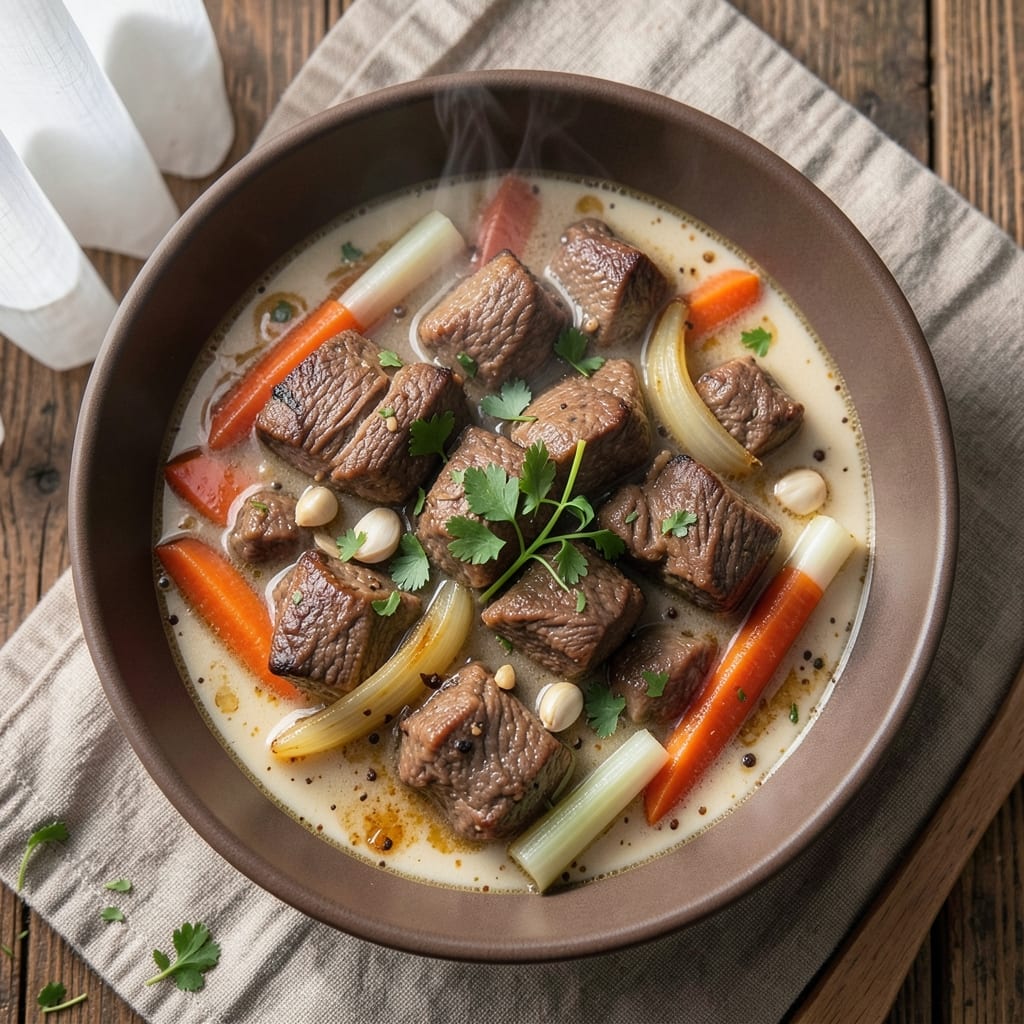
Leftover beef stew deserves a second act—this transformative method turns yesterday's dinner into tonight's star without extra effort. After years of testing ways to revive stews, I discovered the secret lies in reduction, aromatics, and timing, not just reheating. The rich, deep flavors only get better when you know how to coax them back to life.
What makes this technique work is focusing on flavor concentration rather than just temperature. We'll use a small amount of fresh broth, aromatic vegetables, and a touch of acidity to brighten the stew while preserving its hearty, meaty essence. The result? A stew that tastes freshly made, with tender beef, caramelized edges, and a sauce that's thickened just enough to coat every spoonful.
This method requires only 15 minutes of active time and delivers restaurant-quality results with minimal effort. The key is working with the stew's natural richness—no heavy-handed seasoning or gimmicks. You'll end up with a bowl that's comforting, satisfying, and worth the extra step to transform leftovers into something special.
Perfect for busy weeknights when you want to stretch a meal without sacrificing flavor. The technique works equally well with beef, chicken, or vegetable stews—just adjust the aromatics to match. Let's bring those leftovers back to life!
Ingredients for leftover beef stew
Four cups of leftovers plus fresh aromatics transform into restaurant-worthy beef stew.
| Ingredient | Amount | Notes |
|---|---|---|
| Leftover Beef Stew 🍲 | 4 cups | With meat and vegetables |
| Fresh Beef Broth 💧 | ½ cup | Homemade or quality store-bought |
| Yellow Onion 🧅 | 1 whole | Diced, small pieces |
| Carrots | 2 medium | Peeled and chopped into small pieces |
| Garlic Cloves 🧄 | 3 cloves | Minced for depth of flavor |
| Celery Stalks 🥬 | 2 whole | Diced, for aromatic base |
| Tomato Paste 🍅 | 1 tbsp | For acidity and richness |
| Red Wine Vinegar 🍷 | 1 tbsp | Brightens flavors naturally |
| Fresh Thyme 🌿 | ¼ cup | Chopped, or 1 tsp dried |
| Bay Leaves 🍃 | 1 whole | For subtle earthy flavor |
| Olive Oil 🫒 | 1 tbsp | Extra-virgin for richness |
| Salt 🧂 | ½ tsp | Diamond Crystal preferred |
| Black Pepper 🌶️ | ¼ tsp | Freshly ground for heat |
| Fresh Parsley 🌿 | ⅛ cup | Chopped, for garnish |
The beef broth is non-negotiable—homemade or high-quality store-bought like Pacific Foods or Swanson. Look for bright color and no artificial additives. The carrots and celery should be crisp, not limp, and the onions should be firm with no sprouting. I grab mine from the produce section at Whole Foods when possible, but the regular grocery store stuff works fine. Fresh thyme and parsley make all the difference—dried works in a pinch, but fresh adds that bright, herbal note that reheated stews need. The garlic? Freshly minced is ideal, but jarred works if you're in a rush.
No fresh thyme? Dried at one-third the amount gets you close, but you'll lose that fresh aroma. Short on carrots? Celery root or parsnips work beautifully. The tomato paste can be swapped for a splash of red wine or balsamic vinegar if you prefer. If you're using pre-chopped vegetables, pat them dry first—they'll caramelize better. The bay leaves? Remove them before serving, or they'll make the stew taste bitter. And if you're feeling fancy, add a pinch of smoked paprika for depth.
This stew tastes even better the next day—make extra if you can. Store in an airtight container for up to 4 days in the fridge, or freeze for 3 months. The flavors deepen as it sits, so don't rush it. If you're freezing, cool it completely first to avoid ice crystals. For serving, a sprinkle of fresh parsley and a drizzle of olive oil make all the difference. Leftovers reheat beautifully—just add a splash of broth to loosen the sauce.
Why You'll Love This Recipe
- No-Chop Nightmare: I swear, this is the only stew I’ll make when I’m too tired to dice anything. Toss in whole carrots and onion chunks—they soften beautifully, no knife skills required. (Yes, even on a Tuesday night.)
- Rich Without Effort: That fresh beef broth? It’s the secret. Just simmer it with your leftover stew, and suddenly, everything tastes deeper—like someone slow-cooked it for hours. The garlic cloves, lightly crushed, add this warm, toasty edge that makes it irresistible.
- Weeknight Magic: This is my go-to when I’ve got a houseful but zero energy. Double the batch, freeze half, and boom—you’ve got a meal for next month’s busy day. (My college-aged kid still texts me for leftovers.)
- Zero-Waste Hero: Turns out, leftover stew isn’t trash—it’s a flavor upgrade. The broth soaks up all the rich, meaty goodness, and the veggies add just enough freshness to make it feel new. Honestly, this is how I feed a family for under $15.
Step-by-step instructions for leftover beef stew transformation
Turn yesterday's stew into tonight's star with this effortless flavor-boosting technique.
Build the Aromatic Base
Heat the 1 tablespoon olive oil in a large Dutch oven over medium heat until shimmering. Add the diced yellow onion, chopped carrots, and diced celery stalks all at once. Cook for 5-6 minutes until the vegetables soften and release their juices, stirring occasionally to prevent sticking.
Here's the thing—you want these veggies to caramelize just slightly, which builds deep flavor. When they smell sweet and the edges start to brown, add the 3 minced garlic cloves and cook for another 30 seconds until fragrant. This quick sear prevents the garlic from burning while maximizing its aromatic potential.
Deepen the Flavor Foundation
Stir in the 1 tablespoon tomato paste and cook for 1 minute until it darkens slightly. This step develops the umami base that will carry through your entire dish. Next, pour in the 1 tablespoon red wine vinegar and let it bubble away for 30 seconds—this brightens the flavors and cuts through any richness from the stew.
Add the 4 cups leftover beef stew to the pot, along with the 0.5 cup fresh beef broth. Bring everything to a gentle simmer over medium-low heat. The reason we simmer slowly is to let all those new flavors meld with the existing ones without breaking down the meat further. You're not trying to cook the stew again—just refresh and elevate it.
Infuse with Herbs and Seasonings
Add the 1 whole bay leaf, 0.25 cup chopped fresh thyme, 0.5 teaspoon salt, and 0.25 teaspoon black pepper to the simmering stew. Stir gently to distribute the seasonings evenly. Let the mixture simmer uncovered for 15-20 minutes—this allows the herbs to steep and release their essential oils into the stew.
I know it seems like a long time, but this is where the magic happens. The thyme and bay leaf add layers of complexity that transform simple leftovers into something restaurant-worthy. After 10 minutes, check the consistency—if it's too thick, add 1-2 tablespoons water to loosen it slightly. The stew should coat the back of a spoon but still be spoonable.
Finish with Fresh Herbs
Remove the stew from heat and let it sit for 5 minutes to allow the flavors to settle. This resting period is crucial—it lets the stew come together and prevents you from overcooking it further. While it rests, give it a taste and adjust the seasoning if needed. You might need a touch more salt or pepper, depending on how your stew was originally seasoned.
Before serving, stir in the 0.125 cup chopped fresh parsley. This final touch adds brightness and color, making the stew look as good as it tastes. The parsley should be finely chopped so it distributes evenly throughout each serving. Ladle the stew into bowls and serve immediately while it's still steaming hot.
Pro Tips For Making Leftover Beef Stew
- Sear the Onions First: I used to toss chopped onions straight into the pot with everything else, and they’d just turn mushy and bland. Now I brown them in a dry pan for 5-6 minutes until they’re deep golden and smell like caramel—this builds flavor that cuts through the richness of the stew.
- Deglaze with Broth: After searing onions and garlic, don’t just splash in water or broth right away. Let the browned bits sit for 30 seconds, then add a splash of beef broth and scrape aggressively with a wooden spoon—this pulls all that stuck-on flavor into the sauce.
- Cut Carrots Uniformly: Thin, even slices (about ¼-inch thick) cook faster and stay crisp, while thick chunks turn to mush. If you’re lazy like me, buy pre-cut matchsticks—just blanch them for 2 minutes in boiling water first to soften slightly before adding to the stew.
- Simmer, Don’t Boil: A rolling boil will turn your stew into a sad, watery mess. Keep it at a gentle simmer (tiny bubbles, occasional swirls) for at least 45 minutes—this lets the flavors meld without breaking down the meat or veggies. Cover loosely and resist the urge to stir constantly.
Troubleshooting this recipe
Mushy Vegetables
Overcooked veggies are the #1 leftovers crime. The fix? Sauté fresh aromatics separately before adding the stew. I swear by 5-6 minutes on medium heat—just until softened, not mushy. If your original stew had limp carrots or celery, skip adding more and focus on brightening with red wine vinegar and fresh thyme. The acidity cuts through the softness beautifully. 🥕
Flat, Boring Flavor
Leftover stew often loses its punch because flavors mellow during storage. Tomato paste is your secret weapon—it adds umami depth without overpowering. For extra zing, add ½ teaspoon smoked paprika or a pinch of cayenne when reheating. I also like a splash of dry sherry (just 1 tablespoon) to wake up the sauce. The key is high heat for 30 seconds to intensify flavors before adding the stew back in.
Greasy or Watery Texture
If your stew is too greasy, skim excess fat before reheating and add 1 extra tablespoon of broth to balance it. For watery stews, reduce it uncovered on medium heat for 5-7 minutes—the evaporation thickens the sauce naturally. I’ve found that simmering with a bay leaf helps draw out moisture while adding subtle earthy notes. Never rush this step—patience prevents a gloopy mess. 💧
Meat Turning Tough
Beef stew meat can dry out when reheated improperly. Low and slow is non-negotiable—simmer on medium-low heat for no more than 15 minutes. If the meat looks dry, add ¼ cup of warm broth and let it sit off-heat for 5 minutes to reabsorb juices. For extra tenderness, deglaze the pot with 1 tablespoon red wine before adding the stew—this creates a silky sauce that clings to the meat. 🥩
Uneven Heating
Microwaving leftovers is a flavor disaster, but even stovetop reheating can leave cold spots. Stir constantly while heating and use medium-low heat to distribute heat evenly. For large batches, break the stew into two pots—this prevents the outer layer from overcooking while the center stays cold. If you’re using a Dutch oven, cover with a lid to trap steam and ensure even heating. 🔥
Herbs Losing Their Punch
Dried herbs can’t compete with fresh ones in reheated dishes. Chop fresh thyme or parsley and stir it in right before serving—this adds brightness without overpowering. If you’re stuck with dried herbs, toast them in a dry pan for 30 seconds before adding to the stew. This reactivates their oils and makes them smell like they’re fresh. Pro tip: Save a few sprigs of thyme from your original stew and add them back when reheating for nostalgia. 🌿
Nutrition facts
Frequently asked questions
How do I know if my leftover beef stew is still safe to eat?
When in doubt, trust your senses! Leftover beef stew should smell fresh and slightly meaty (not sour or off). The color should be rich and uniform—no grayish or slimy patches. If it passes the sniff test, give it a taste: it should still have a recognizable beef flavor, not bitter or metallic. When reheated, it should bubble steadily without an unusual odor. If it's been in the fridge for more than 4 days, it's safer to discard it.
Can I use dried herbs instead of fresh in this recipe?
Yes, but with a few adjustments! Use one-third the amount of dried herbs (so 1/3 teaspoon dried thyme instead of 1/4 cup fresh). Toast the dried herbs in a dry pan for 30 seconds before adding to reactivate their flavors. For parsley, dried works but lacks brightness—save it for garnish if possible. The key is adding dried herbs earlier in the process (when building the aromatic base) to let them infuse properly.
What if my stew is too thick or too thin after reheating?
For thick stew: Thin with 1-2 tablespoons warm beef broth or water, stirring constantly. Simmer for 2-3 minutes to let flavors blend. For thin stew: Increase heat to medium-high and simmer uncovered for 5-7 minutes—the liquid will reduce naturally. Pro tip: A splash of red wine vinegar (just 1 teaspoon) can help balance both textures while brightening flavors.
Can I make this with other types of meat besides beef?
This technique works beautifully with chicken, pork, or even lamb stews. For poultry, add 1/2 teaspoon smoked paprika to enhance depth. With pork, a splash of apple cider vinegar (instead of red wine vinegar) complements the meat's richness. Just adjust cooking times—poultry needs 10-12 minutes of simmering, while lamb can handle 20-25 minutes for maximum flavor infusion.
How can I make this recipe even more flavorful without extra ingredients?
Boost flavor with these zero-cost tricks: Brown 1 tablespoon flour in the olive oil before adding veggies (this adds nutty depth). Use garlic-infused oil instead of regular olive oil. Let the stew sit 10 minutes off-heat before serving to let flavors meld. For a final touch, toast 1 teaspoon cornstarch in a dry pan, then whisk into the stew to thicken and add body. Small changes make a huge difference!