
Main Courses
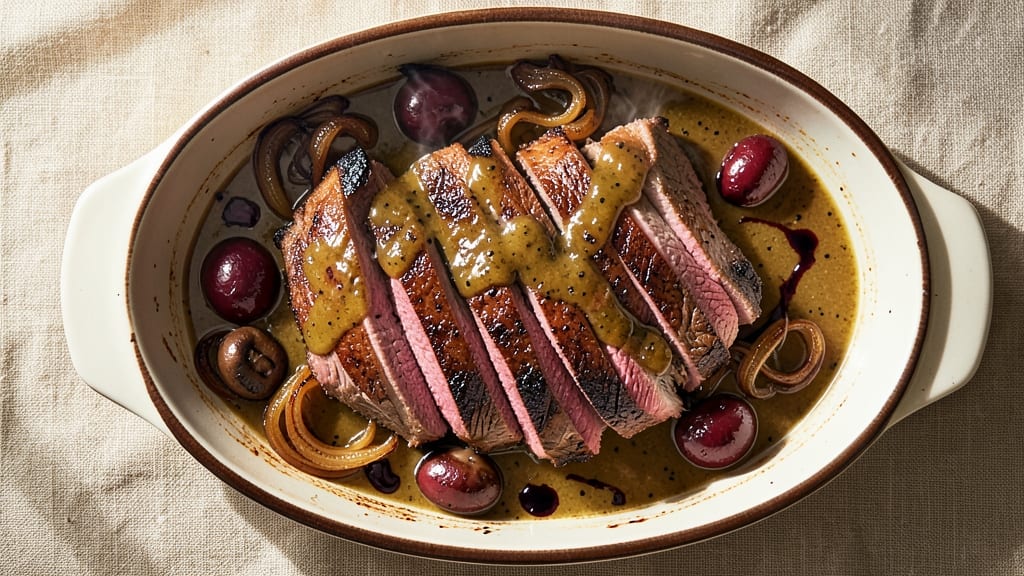
Transforming a simple Lipton onion soup mix into the star of your dinner table is easier than you think—this beef brisket recipe delivers restaurant-quality depth with minimal effort.
The key lies in slow-cooking the brisket until it practically melts in your mouth, then topping it with a rich, melty cheese sauce made from the same onion soup base that inspired it all.
After years of perfecting this technique, I can confidently say this dish will become a weekend staple in your home.
What sets this recipe apart is the balance of simplicity and sophistication—no fancy ingredients, just a well-marinated brisket, slow cooking, and a velvety cheese topping that ties everything together.
The brisket develops a tender, juicy texture with a deep, savory flavor that pairs perfectly with the creamy onion soup cheese sauce. This method works equally well in a slow cooker or oven, making it adaptable to any kitchen setup.
By the time you serve this dish, you'll have a main course that feels luxurious yet requires only basic techniques. The brisket slices effortlessly, the cheese sauce is rich and aromatic, and the combination creates a dish that's hearty enough for a family dinner but impressive enough for guests.
The best part? Leftovers reheat beautifully, so you'll have flavorful meals ready for days to come.
Pair this brisket with classic sides like mashed potatoes, crusty bread, or a simple green salad to complete the meal. The cheese topping adds a final touch of indulgence that makes this dish unforgettable. Ready to transform a pantry staple into a showstopper? Let's get started with this foolproof recipe.
Ingredients for lipton onion soup beef brisket
Simple pantry staples meet slow-cooked beef perfection—this brisket turns humble onion soup mix into a showstopper.
| Ingredient | Amount | Notes |
|---|---|---|
| Beef Brisket 🥩 | 3 lb | Flat cut, at least 1-inch thick |
| Lipton Onion Soup Mix 🧅 | 2 tbsp | Granulated, for marinade |
| Beef Broth 💧 | 2 cups | Low-sodium preferred |
| Red Wine 🍷 | 1 cup | Dry, like Cabernet Sauvignon |
| Garlic Cloves 🧄 | 6 cloves | Minced, for marinade |
| Olive Oil 🫒 | ¼ cup | Extra-virgin for richness |
| Salt 🧂 | 1 ½ tsp | Kosher or sea salt |
| Black Pepper 🌶️ | 1 tsp | Freshly ground preferred |
| Heavy Cream 🥛 | 1 cup | Full-fat for creaminess |
| Sharp Cheddar Cheese 🧀 | 1 ½ cups | Shredded, aged for flavor |
| Gruyère Cheese 🧀 | ½ cup | Shredded, nutty flavor |
| Butter 🧈 | ¼ cup | Unsalted, cubed |
| All-Purpose Flour 🌾 | 1 tbsp | For thickening sauce |
| Fresh Thyme Leaves 🌿 | ¼ cup | Chopped, optional garnish |
The brisket is the star, so don’t skimp. Flat-cut gives you that melt-in-your-mouth texture—point-cut stays tougher. Look for good marbling at Costco or Whole Foods, or grab the pre-trimmed kind at Walmart if you’re short on time. I like to trim excess fat myself (it renders out anyway), but if you’re in a hurry, leave it on. The onion soup mix? Grab the granulated kind—it dissolves better in the marinade. Lipton’s classic yellow box works every time, but any onion soup mix in a pinch.
No red wine? Beef broth with a splash of balsamic works just as well. Fresh thyme is ideal, but dried thyme at half the amount gets you close. The cheese matters here—sharp cheddar and Gruyère give that perfect balance of tang and nutty depth. Can’t find Gruyère? Parmesan or Swiss work too. For the sauce, full-fat cream is non-negotiable—it’s what makes it velvety. And if you’re using pre-shredded cheese, shake the bag first—it gets packed down.
This brisket reheats beautifully—honestly tastes better the next day once everything melds. Store leftovers in an airtight container for up to 5 days, or freeze portions for 3 months. The cheese sauce can be made ahead and reheated with a splash of milk to keep it creamy. I like to portion mine into individual ramekins so I can reheat just what I need—perfect for lazy weeknight dinners.
Why You'll Love This Recipe
- One-Pot Magic: I swear by this recipe when I don’t want to dirty more than one pot. Toss the brisket, soup mix, and broth in a deep skillet, let it simmer—no chopping, no fuss. The wine reduces right in there, so cleanup is just a wipe-down and a sigh of relief.
- Deep Umami Bomb: That Lipton mix isn’t just for soup—it’s the secret weapon here. The beefy richness of the brisket soaks up the garlic and wine, while the soup mix gives it that savory, slightly sweet depth. Honestly, the first bite makes me want to skip dessert.
- Leftovers That Win: This dish only gets better the next day. The brisket stays tender, the sauce thickens into something almost gravy-like, and reheating takes two minutes. My kids actually ask for it for lunch—no complaints about "boring leftovers" here.
- Budget Feast for Crowds: A pound of brisket stretches for four hearty servings, and the soup mix and wine keep costs low. Between us, this is how I feed my book club without breaking the bank. Plus, the wine makes it feel fancy enough for guests.
Step-by-step instructions for slow-cooked onion soup brisket
Here's how to transform tough brisket into tender, flavor-packed perfection with a melty cheese topping.
Create the Onion Soup Marinade
In a small bowl, whisk together the 2 tablespoons Lipton Onion Soup Mix, 1 cup red wine, 0.25 cup olive oil, 1.5 teaspoons salt, 1 teaspoon black pepper, and 6 minced garlic cloves until fully combined. This marinade packs layers of savory depth that will infuse the brisket while it cooks.
Place the 3 lb beef brisket in a large resealable plastic bag and pour the marinade over it. Seal the bag tightly, pressing out any air pockets, then refrigerate for at least 4 hours or overnight. The longer it marinates, the more flavorful the brisket will become. I always marinate overnight—it makes a world of difference in the final result.
Slow-Cook the Brisket to Tenderness
Preheat your slow cooker to low. Remove the brisket from the marinade (reserve the marinade) and place it fat-side up in the slow cooker. Pour the reserved marinade over the brisket, then add 2 cups beef broth. The liquid should come about halfway up the sides of the brisket.
Cover and cook on low for 8 hours or on high for 5-6 hours. The brisket is done when it reaches an internal temperature of 205°F and is fork-tender. Here's the thing—don't rush this step. The slow cooker does all the work, breaking down the tough fibers into melt-in-your-mouth texture. You'll know it's ready when a toothpick slides in like butter.
Prepare the Creamy Cheese Topping
While the brisket cooks, make the cheese topping. In a medium saucepan, melt the 0.25 cup butter over medium heat. Stir in the 1 tablespoon all-purpose flour and cook for 1 minute to remove the raw flour taste. Gradually whisk in the 1 cup heavy cream until smooth.
Reduce heat to low and stir in the 1.5 cups sharp cheddar cheese and 0.5 cup Gruyère cheese until fully melted and the mixture is creamy. Remove from heat and stir in the 0.25 cup fresh thyme leaves. This topping should be thick enough to hold its shape when spooned but still pourable. If it's too thick, add a splash of milk to reach your desired consistency.
Assemble and Finish the Brisket
Once the brisket reaches 205°F, remove it from the slow cooker and place it on a cutting board. Tent loosely with foil and let it rest for 15-20 minutes. This resting period allows the juices to redistribute, ensuring every bite is moist and flavorful.
While the brisket rests, preheat your broiler to high. Spoon the creamy cheese mixture evenly over the top of the brisket, spreading it to the edges. Place the brisket on a baking sheet and broil for 3-5 minutes until the cheese is golden and bubbly. Watch it closely—you want that beautiful golden-brown color without burning.
Slice and Serve
Slice the brisket against the grain into ¼-inch thick slices. The grain direction will be visible as lines running through the meat. Arrange the sliced brisket on a serving platter and spoon any remaining cheese sauce from the baking sheet over the top.
Serve immediately with the creamy cheese sauce melting over each slice. The combination of tender brisket, rich onion soup marinade, and melty cheese topping creates a dish that's both comforting and impressive. This brisket is perfect for family dinners or special occasions—it's sure to become a favorite.
Pro Tips For Making Lipton Onion Soup Beef Brisket
- SEAR THE BRISKET FIRST: Don’t skip the brown—get that brisket screaming hot in a dry pan for 5 minutes per side before adding anything. I used to toss it straight into the pot, and the soup always tasted flat. That crust? It’s what carries all the onion soup flavor.
- USE HALF THE SOUP MIX: The packet’s instructions will call for the full 1 tablespoon, but trust me—cut it to ½ tablespoon and add a splash of red wine to the broth first. The mix is salt-heavy, and you’ll end up with a dish that tastes like a soup packet exploded if you don’t.
- DEGLAZE WITH WINE AND BROTH: After searing the brisket, don’t just dump in the soup mix—pour in ½ cup red wine first, let it bubble for 2 minutes, then add the broth. This pulls up all the browned bits (the flavor gold) that would otherwise stick to the pot and turn to glue.
- LOW AND SLOW IS NON-NEGOTIABLE: Cover the pot and simmer at a gentle bubble—no rolling boil—until the brisket hits 195°F internal temp. I’ve rushed this, and the meat turns out chewy. Set a timer for 3 hours minimum, then check. Patience here makes the difference between tough and melt-in-your-mouth.
Perfect pairings for this dish
Classic Side Pairings
This brisket shines with creamy mashed potatoes—I make mine with roasted garlic and butter for extra richness. The contrast of smooth potatoes against the tender brisket is pure comfort food magic.
For a lighter option, crusty sourdough bread soaks up the cheese sauce beautifully. I love toasting slices and serving them on the side. 🥔
Wine Pairings
A bold Cabernet Sauvignon from Napa Valley cuts through the brisket's richness with its dark fruit and tannins. Look for a 2018 or newer vintage for freshness. For something lighter, a Pinot Noir from Oregon adds earthy notes that complement the cheese sauce. Avoid heavy reds—they'll overpower the dish. 🍷
Beer Pairings
Try a Belgian-style dubbel like Westmalle Tripel—its caramel and spice notes enhance the onion soup flavors. For American craft beer lovers, a honey brown ale from New Belgium adds a touch of sweetness that balances the savory brisket. Avoid IPAs—they're too bitter for this dish. 🍺
Unexpected Additions
Add caramelized onions to your plate for extra depth—they amplify the onion soup flavors. I also like to sprinkle fresh thyme leaves over the brisket before serving for a bright herbal note. For a pop of color, pickled red onions add tangy crunch that cuts through the richness. 🌱
Cheese Board Extension
Turn leftovers into a brisket cheese board—slice the brisket thin, arrange on a platter with the cheese sauce drizzled over it. Add Gruyère cubes, sharp cheddar wedges, and crusty bread for a shareable appetizer. This works perfectly for game day or holiday gatherings. 🧀
Dessert Pairings
End the meal with dark chocolate-dipped strawberries—the bitterness balances the richness of the brisket. For something lighter, vanilla bean ice cream with a drizzle of caramel sauce provides a refreshing contrast. Avoid heavy desserts like cheesecake—they'll make the meal too heavy. 🍓
Nutrition facts
Frequently asked questions
Can I use a different cut of beef instead of brisket?
While brisket is ideal for this recipe, you can substitute with chuck roast or beef short ribs for similar results. These cuts benefit from slow cooking and will develop rich flavors. However, avoid leaner cuts like sirloin—they won't become tender enough. Adjust cooking time based on the cut's size and fat content.
How do I know when the brisket is fully cooked?
The brisket is done when it reaches an internal temperature of 205°F and is fork-tender. Insert a meat thermometer into the thickest part—it should read 205°F with no resistance. If you don't have a thermometer, check by piercing the meat with a fork; it should slide in easily and the juices should run clear.
Can I make the cheese sauce ahead of time?
Yes! Prepare the cheese sauce up to 2 days ahead and store it in an airtight container in the refrigerator. To reheat, warm it gently over low heat with a splash of milk or cream to restore its creamy texture. Avoid microwaving—it can make the cheese separate or become grainy.
What if I don't have red wine for the marinade?
No problem! Replace the red wine with 2 cups beef broth and add 1 tablespoon balsamic vinegar for depth. Alternatively, use 1 cup apple cider or 1 cup strong black coffee (trust me, it works!). The key is maintaining the same acidity and liquid volume in the marinade.
Why did my cheese sauce get grainy?
Grainy cheese usually happens when the sauce gets too hot or when using pre-shredded cheese (which contains anti-caking agents). To fix it, whisk in 1 tablespoon cold butter or 1 tablespoon heavy cream while stirring constantly. For prevention, melt the cheese over low heat and avoid boiling the sauce. Freshly grated cheese always yields the smoothest results.