
Main Courses
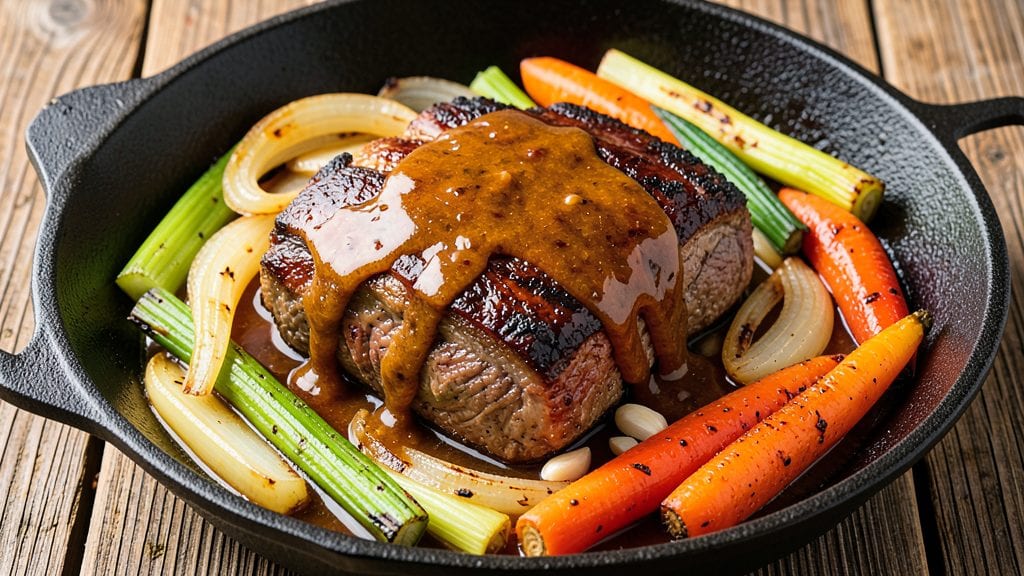
This magnolia beef recipe transforms tender beef into a slow-simmered masterpiece with a floral, caramelized glaze that tastes like a Southern kitchen secret. The key lies in balancing rich beef flavors with magnolia’s delicate sweetness—something I perfected after years of experimenting with regional techniques.
What sets this dish apart is the deep, layered aroma that develops during the long cook, where magnolia syrup and spices meld into a sauce so velvety it clings to every bite.
The process is straightforward but requires patience: a chuck roast braises for hours until fork-tender, then finishes with a glossy magnolia reduction that adds both depth and a hint of floral elegance.
This isn’t just a beef dish—it’s a celebration of Southern comfort food, where the magnolia’s natural sweetness cuts through the richness without overpowering the meat’s natural depth. The result? A restaurant-worthy centerpiece that pairs beautifully with roasted vegetables or buttery mashed potatoes.
By the time you’re done, you’ll have a dish so rich and aromatic that it feels like a hug in a bowl. The magnolia glaze caramelizes into a sticky, irresistible finish, while the beef remains so tender it practically melts.
This recipe is designed for special occasions, but the simplicity of the technique means you can recreate it anytime—just plan for a few hours of hands-off cooking. Let’s get started on this Southern classic.
Once mastered, this dish becomes a versatile centerpiece—equally impressive for holiday feasts or intimate dinner parties. The magnolia element elevates it beyond typical beef braises, adding a unique floral note that’s both unexpected and unforgettable.
Serve with crusty bread to soak up every last drop of that luscious sauce. The effort is worth it for a meal that tastes like home.
Ingredients for magnolia beef
Sixteen ingredients for a dish that tastes like Southern tradition meets modern comfort.
| Ingredient | Amount | Notes |
|---|---|---|
| Chuck Roast 🥩 | 3 lb | Well-marbled, 2-2.5 inch thick |
| Magnolia Syrup 🌸 | ½ cup | Pure, no artificial flavors |
| Yellow Onion 🧅 | 1 whole | Medium size, diced |
| Garlic Cloves 🧄 | 6 cloves | Fresh, peeled and smashed |
| Carrots 🥕 | 2 medium | Peeled, cut into chunks |
| Celery Stalks 🥬 | 3 whole | Trimmed, chopped |
| Beef Broth 💧 | 2 cups | Low-sodium preferred |
| Dry Red Wine 🍷 | 1 cup | Bold, like Cabernet Sauvignon |
| Tomato Paste 🍅 | 2 tbsp | Smooth, no sugar added |
| Ground Black Pepper 🌶️ | 1 tsp | Freshly cracked |
| Kosher Salt 🧂 | 1 ½ tsp | Diamond Crystal preferred |
| Dried Thyme 🌿 | 1 tsp | Or 1 tbsp fresh |
| Bay Leaves 🍃 | 2 whole | Fresh preferred |
| Unsalted Butter 🧈 | 2 tbsp | Cold, for finishing |
The chuck roast is non-negotiable here—look for thick-cut pieces with good marbling at your butcher or the meat counter. Costco and Whole Foods often have great options, but don't overlook the regular grocery store—just ask for the best cut they have. Magnolia syrup is the secret weapon; pure, single-ingredient brands like Magnolia Sweet Tea or Gulf Coast Magnolia work best. If you can't find it, honey plus a few drops of vanilla extract is a decent stand-in, though it won't be identical. The tomato paste? Trader Joe's has a great squeeze tube that lasts forever and never goes to waste.
No red wine? Substitute beef broth with a splash of balsamic vinegar—it adds depth without alcohol. Fresh thyme is ideal, but dried works at one-third the amount. The carrots can be baby carrots if that's what you've got, but whole carrots make the sauce sweeter as they caramelize. For the butter finish, European-style unsalted butter like Plugrá adds more flavor than regular. The bay leaves? Tear them slightly before adding—they'll release their aroma faster. And if you're short on time, pre-chopped mirepoix from the store saves 10 minutes of prep.
This dish tastes even better the next day—plan ahead. The braised beef keeps for 4-5 days in the fridge, and the sauce freezes beautifully for up to 3 months. I always make a double batch because leftovers make the best sandwiches. Store in airtight containers, and if you're freezing, portion the sauce separately so you can reheat just what you need. The butter finish? Add it right before serving—that's what makes it shine. Serve with crusty bread to soak up every last drop of that velvety sauce.
Why You'll Love This Recipe
- One-Pot Magic: I swear by this recipe because it’s that kind of dish—dump everything in one pot, walk away, and come back to something that smells like home. No fancy searing, no last-minute chopping—just slice onions, crush garlic, and let the slow cooker or Dutch oven do the work while you sip wine (or coffee, no judgment).
- Sweet-Savory Wham: That magnolia syrup isn’t just a gimmick—it’s the secret weapon. The deep caramel notes from the syrup balance the rich chuck roast, while the garlic and onions add layers of warmth. Honestly, the first time I tasted it, I nearly burned my mouth from how good it was.
- Leftovers? More Like Leftovers: This beef stays ridiculously tender for days, so I make it on Sundays and freeze portions. Reheat with a splash of broth or even straight from the fridge, and it’s still hearty enough for lunch. My kids beg for it—yes, even on a Tuesday night—because it’s just that reliable.
- Budget Stretch: Chuck roast is cheap, but it feels special. A single roast feeds six, and the carrots and onions bulk it up without breaking the bank. Between us, this is my go-to when I need a filling meal that doesn’t require a second paycheck. Plus, the syrup adds a touch of indulgence for pennies.
Step-by-step instructions for magnolia beef
This Southern classic delivers melt-in-your-mouth tenderness with a deep, caramelized sweetness.
Sear the Chuck Roast for Deep Flavor
Heat a heavy Dutch oven over medium-high heat until it's very hot. Pat the 3 lb chuck roast completely dry with paper towels—this ensures a proper sear. Add 2 tablespoons unsalted butter and let it melt completely, coating the bottom of the pot evenly. Place the roast in the pot, fat-side down, and let it sear undisturbed for 5 minutes until a deep golden-brown crust forms.
Flip the roast and sear the other side for another 5 minutes. The key here is patience—the crust should be dark and caramelized, not just light brown. If it releases easily from the pan, it's ready. Remove the roast and set it aside on a plate.
Build the Sweet-Savory Base
In the same Dutch oven, add 1 whole yellow onion, 2 medium carrots, and 3 whole celery stalks, all chopped into roughly ½-inch pieces. Cook over medium heat for 8-10 minutes, stirring occasionally, until the vegetables begin to soften and the onion turns translucent. This step develops the base flavors and removes excess moisture.
Add 6 cloves garlic cloves (smashed with the side of your knife), 2 tablespoons tomato paste, 1 teaspoon dried thyme, 2 whole bay leaves, and 1.5 teaspoons kosher salt. Stir for 1 minute until fragrant. Pour in 1 cup dry red wine and scrape up any browned bits from the bottom of the pot—this is where all the flavor lives. Let the wine simmer for 3-4 minutes until reduced by half.
Slow-Simmer the Beef in Sweet Broth
Return the seared chuck roast to the pot. Pour in 2 cups beef broth and 0.5 cup magnolia syrup, then bring everything to a gentle simmer. The liquid should just barely bubble at the edges—this is crucial for tenderizing the meat without toughening it. Cover the pot with a tight-fitting lid and reduce heat to low.
Simmer for 3 hours, turning the roast occasionally to ensure even cooking. Here's the thing—don't peek or stir too often. Every time you lift the lid, you release moisture and potentially dry out the meat. After 3 hours, the beef should be fork-tender and easily pull apart with two forks.
Finish with Richness and Serve
Remove the roast from the pot and transfer it to a cutting board. Tent it loosely with foil and let it rest for 15 minutes—this allows the juices to redistribute, ensuring each bite is moist and flavorful. Skim any excess fat from the cooking liquid in the pot, then return the pot to medium heat.
Add 1 teaspoon ground black pepper and stir the remaining vegetables and sauce. Let it reduce for another 5-7 minutes until slightly thickened. Swirl in the 2 tablespoons cold unsalted butter until melted and creamy. Slice the beef against the grain into ¼-inch thick pieces and serve with the reduced sauce spooned over the top.
Pro Tips For Making Magnolia Beef
- SEAR THE ROAST FIRST: Don’t skip the brown—get that chuck roast screaming hot in a dry pan for 4-5 minutes per side before adding anything. I used to rush this, and the final dish never had that deep, caramelized flavor that makes the magnolia syrup sing. (Yes, even if you’re impatient like me.)
- USE THICK MAGNOLIA SYRUP: Grab the heaviest bottle of magnolia syrup you can find—this isn’t the time for the thin, watery stuff. The thicker syrup clings better to the meat and caramelizes into a glossy, sticky glaze instead of turning into a sad, runny sauce. (Your future self will notice the difference.)
- DON’T BOIL THE CARROTS: Toss those carrots in after the roast and onions are already simmering in the syrup. If you boil them first, they’ll turn mushy and lose their natural sweetness—you want them tender but still holding shape, like little edible jewels in the sauce. (This is the thing that matters most.)
- SALT THE MEAT TWICE: Generously salt the chuck roast before searing, then add another pinch when you return it to the pot with the onions and syrup. The first layer dissolves into the meat, while the second layer helps build a better crust when it re-sears. (I skip this when I’m lazy, but the dish is noticeably better when I don’t.)
Perfect pairings for this dish
Southern Sides
This dish pairs beautifully with creamy mashed sweet potatoes—their natural sweetness complements the magnolia glaze. I like to roast them with ½ cup maple syrup, 1 tsp cinnamon, and ½ tsp salt until tender, then mash with 2 tbsp butter.
For a heartier option, try cornbread with a hint of honey—its crumbly texture soaks up the rich sauce perfectly. 🥔
Wine Pairings
A bold Cabernet Sauvignon from Napa Valley elevates the dish, with its dark fruit notes mirroring the magnolia's floral depth. I recommend Caymus Vineyards or Opus One for their velvety textures.
For something lighter, a Pinot Noir from Oregon offers bright acidity that cuts through the richness. Avoid heavy tannins—they’ll clash with the sweet glaze. 🍷
Beer Complements
For beer lovers, a Southern-style amber ale like Southern Tier's Two Hearted works wonders—its caramel and toasted malt notes harmonize with the magnolia syrup. A Belgian dubbel (try Allagash) adds spice and depth, balancing the dish’s sweetness. Skip IPAs—they’ll overpower the delicate floral flavors. 🍺
Unexpected Additions
Add toasted pecans for crunch—toss ½ cup pecan halves with 1 tbsp brown sugar and ½ tsp cayenne, then toast until golden. Sprinkle over the beef before serving.
For extra brightness, a microgreens salad with lemon vinaigrette provides fresh contrast. I also love serving with crusty sourdough to mop up every last drop of sauce. 🌿
Sweet Endings
Finish the meal with magnolia-infused shortbread cookies—mix 1 cup flour, ½ cup butter, ¼ cup sugar, and 1 tsp magnolia extract, then bake until golden.
Alternatively, vanilla bean ice cream with a drizzle of magnolia syrup offers a creamy, floral finish. The floral notes tie the entire meal together beautifully. 🍪
Nutrition facts
Frequently asked questions
Can I substitute magnolia syrup with something else?
Yes! If you can't find magnolia syrup, use ½ cup honey plus 1 teaspoon vanilla extract for a similar sweetness. For a deeper floral note, try 1 teaspoon magnolia extract mixed with ½ cup honey. The dish will still taste rich and aromatic, though the exact floral profile will differ slightly.
How do I know when the chuck roast is fully tender?
The beef is done when it easily separates with two forks—no resistance at all. After 3 hours of simmering, pierce the thickest part with a fork. If it slides apart cleanly, it's ready. For extra assurance, check the internal temperature: it should reach 203°F for ultra-tender results.
Can I make this recipe in a slow cooker?
Sear the roast first, then transfer everything to a 6-quart slow cooker. Cook on low for 8 hours or high for 5-6 hours. The sauce will be thinner, so reduce it on the stovetop afterward by simmering uncovered for 10-15 minutes. The slow cooker method is perfect for hands-off prep.
Why does the sauce turn out too thin?
This usually happens if the liquid wasn't reduced enough. After removing the roast, simmer the sauce uncovered on medium-high heat for 5-10 minutes, stirring occasionally, until it thickens slightly. For extra richness, whisk in 1 tablespoon cornstarch mixed with 2 tablespoons cold water and cook for another 2 minutes. The butter finish also helps emulsify the sauce.
What’s the best way to reheat leftovers?
Reheat in a skillet with a splash of beef broth over medium-low heat for 5-7 minutes, stirring occasionally, until warmed through. Avoid microwaving—it can make the sauce watery. For extra flavor, add a pat of butter and a pinch of thyme while reheating. Leftovers taste even better the next day!