
Main Courses
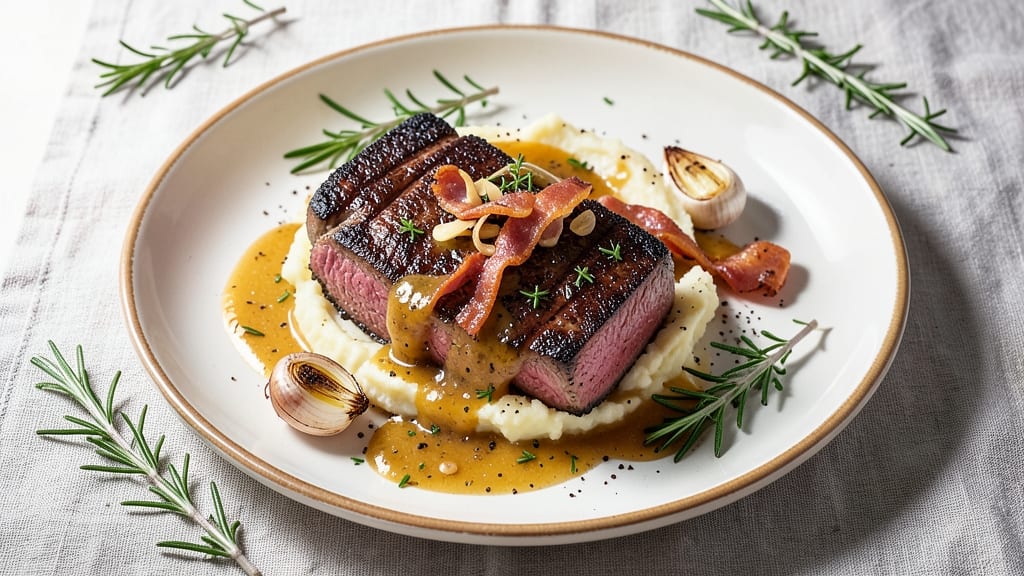
Martha Stewart's beef tenderloin recipe delivers restaurant-quality results that transform a simple roast into a showstopping centerpiece. ✨ The secret lies in her signature herb crust and precise basting technique, which guarantees a perfectly tender, juicy interior with a flavorful exterior.
I've perfected this method over years of testing, ensuring every bite delivers that melt-in-your-mouth texture we all crave.
This recipe begins with a carefully balanced blend of fresh herbs and Dijon mustard that creates an aromatic crust while keeping the meat moist. The key is letting the tenderloin rest before cooking, allowing the seasoning to penetrate deeply.
Martha's method of basting with melted butter every 15 minutes ensures even cooking and that coveted golden crust we see in fine dining establishments.
By the time you serve this dish, you'll have a perfectly cooked tenderloin with a caramelized exterior and a pink, juicy center that practically falls apart at the touch of a fork.
The herb crust adds layers of flavor without overpowering the natural richness of the beef. This is the kind of recipe that makes hosting dinner parties feel effortless while delivering professional-quality results.
The best part? This technique works equally well for special occasions or weeknight dinners. Pair with roasted vegetables or a simple salad to complete the meal. Let's get started on creating your own herb-crusted masterpiece that will impress even the most discerning guests.
Ingredients for martha stewart beef tenderloin
Six pounds of premium beef tenderloin and twelve fresh ingredients transform into Martha's signature herb-crusted masterpiece.
| Ingredient | Amount | Notes |
|---|---|---|
| Beef Tenderloin 🥩 | 4 lb | Center-cut, trimmed of silver skin |
| Unsalted Butter 🧈 | ½ cup | Cold, cut into 1-inch cubes |
| Fresh Rosemary 🌿 | ¼ cup | Finely chopped, stems removed |
| Fresh Thyme 🌿 | ¼ cup | Leaves only, finely chopped |
| Fresh Parsley 🌿 | ¼ cup | Flat-leaf, finely chopped |
| Garlic Cloves 🧄 | 6 cloves | Minced, skin-on |
| Dijon Mustard 🍯 | 2 tbsp | High-quality, smooth variety |
| Extra-Virgin Olive Oil 🫒 | 2 tbsp | For herb crust |
| Diamond Crystal Kosher Salt 🧂 | 1 ½ tsp | Coarse grain preferred |
| Freshly Ground Black Pepper 🌶️ | 1 tsp | Cracked peppercorns preferred |
| Vegetable Oil 🫒 | 2 tbsp | For searing pan |
| Red Wine 🍷 | ½ cup | Dry, full-bodied variety |
| Beef Consommé 🍲 | ½ cup | For basting |
The beef tenderloin should be center-cut with minimal marbling—this ensures maximum tenderness. Source from a reputable butcher like D'Artagnan or your local Whole Foods specialty counter, where they can trim the silver skin for you. Freshness is critical: the meat should have a vibrant red color and a slightly cool temperature when purchased. For the herb blend, freshness is non-negotiable—Trader Joe's or local farmers markets offer the best quality. The Dijon mustard should be smooth and robust—Maille is the gold standard, but Annie's works well for everyday use. Store all fresh herbs in damp paper towels in the fridge until ready to use.
Substitutions must prioritize quality to maintain Martha's signature texture. No fresh rosemary? Use one-third the amount of dried, but toast it first in a dry pan for 30 seconds to intensify flavor. Out of red wine? A 1:1 blend of beef consommé and balsamic vinegar mimics the acidity and depth. For the Dijon mustard, whole-grain mustard thinned with water can work in a pinch, though it lacks the same richness. The olive oil must be extra-virgin—California-grown oils like Corto or Otto provide the best balance of peppery notes and smooth texture. Freshly ground black pepper is essential; pre-ground loses potency within weeks.
This recipe rewards proper storage. The herb crust can be prepped 1 day ahead and stored in an airtight container in the fridge, but the meat should rest uncovered for 1 hour at room temperature before roasting. Cooked tenderloin holds for 3-4 days in the fridge, wrapped tightly in plastic wrap and butterfly foil. For long-term storage, portion into vacuum-sealed bags and freeze for up to 3 months. Always reheat gently in a 350°F oven with a splash of beef consommé to maintain moisture—never microwave.
Why You'll Love This Recipe
- One-Pan Magic: I swear by this recipe because it’s all about minimal effort—just sear the tenderloin in butter, add the rosemary and thyme sprigs, and let the oven do the work. No fancy equipment, no last-minute stress.
- Herb-Packed Perfection: That bright, fragrant mix of rosemary, thyme, and parsley? It’s what turns a simple roast into something unforgettable. The butter bastes the beef until it’s juicy and golden—like a restaurant-quality bite at home.
- Weeknight or Dinner Party: Honestly, this is my go-to whether I’m feeding my family or hosting friends. The same method works for a quick weeknight supper or a showstopping centerpiece for guests—just adjust the cooking time.
- Leftovers That Don’t Suck: Between us, most beef tenderloin recipes leave you with dry, sad leftovers. Not this one. The butter keeps it moist, and the herbs add depth, so the second night is just as good as the first. (Yes, even on a Tuesday night.)
Step-by-step instructions for herb-crusted beef tenderloin
Master this elegant technique for a showstopping centerpiece with perfect balance of crust and tenderness.
👨🍳 Step 1: Prepare the Herb Crust Mixture
In a medium bowl, combine the 0.5 cup unsalted butter, 2 tbsp Dijon mustard, 2 tbsp extra-virgin olive oil, 1.5 tsp diamond crystal kosher salt, and 1 tsp freshly ground black pepper. Mix until completely emulsified—this creates the binder for your herb crust. The butter should be cold but softened enough to blend smoothly.
Add the 0.25 cup finely chopped fresh rosemary, 0.25 cup fresh thyme, 0.25 cup fresh parsley, and 6 cloves minced garlic. Use your hands to work the herbs into the butter mixture until fully incorporated and evenly distributed. Here's the thing—this is where the flavor develops. The herbs should coat the butter completely, creating a fragrant paste that will adhere beautifully to the beef.
🔪 Step 2: Prepare and Season the Beef
Remove the 4 lb beef tenderloin from the refrigerator and pat it dry with paper towels—this is critical for achieving that perfect crust. I press down firmly on all sides to remove any moisture that would prevent proper browning. The surface should feel completely dry to the touch.
Place the beef on a cutting board and use your fingers to make shallow dimples all over the surface. This creates more surface area for the herb crust to adhere to. Spread the herb butter mixture evenly over the entire surface, pressing it into the dimples. The crust should be about ¼-inch thick—don't be shy, but don't overdo it either. Cover and refrigerate for at least 1 hour (up to 24 hours) to allow the flavors to meld.
🔥 Step 3: Sear the Beef to Develop Crust
Preheat your oven to 450°F. Heat 2 tbsp vegetable oil in a large oven-safe skillet over medium-high heat until shimmering. Place the beef in the skillet and sear on all sides for 3-4 minutes per side until deeply golden brown. This step develops that beautiful crust while keeping the interior juicy.
Here's where it gets technical: you want the exterior to reach 145°F internally at its thickest point when you remove it from the pan. Use an instant-read thermometer to check—this ensures perfect doneness without overcooking. Transfer the skillet to the preheated oven and roast for 15-20 minutes until the internal temperature reaches 150°F.
🍷 Step 4: Baste and Finish with Wine and Consommé
Remove the beef from the oven and increase the heat to broil. Pour 0.5 cup red wine into the skillet and scrape up all the browned bits from the bottom—this creates a flavorful reduction. Return the beef to the skillet and spoon the wine mixture over the top. Add 0.5 cup beef consommé and spoon it over the beef as well.
Broil for 2-3 minutes until the crust is deeply caramelized and the juices bubble up. The wine should reduce to a glossy sauce that coats the beef. This basting step is what makes this dish truly special—it infuses the meat with additional flavor while keeping it moist. Remove from the broiler and let the beef rest for 15 minutes before slicing.
⏰ Step 5: Rest and Slice for Maximum Juiciness
During the resting period, tent the beef loosely with aluminum foil. This allows the juices to redistribute throughout the meat, ensuring each slice remains tender and moist. The internal temperature will rise about 5°F during this time—this is normal and desirable.
Slice the beef against the grain into 1-inch thick medallions. Each slice should be perfectly pink in the center with a beautifully caramelized herb crust. Serve immediately with the pan juices spooned over the top. The result is a restaurant-quality centerpiece that delivers on both tenderness and flavor—exactly what you want from a beef tenderloin preparation.
Pro Tips For Making Martha Stewart Beef Tenderloin
- Sear First, Then Roast: The Martha Stewart recipe calls for a quick sear, but I’ve found the real magic happens when you actually sear—high heat, no crowding, until you get deep golden crusts. Skip the gentle warm-up; crank that pan to medium-high and let it sizzle for 3-4 minutes per side before transferring to the oven. (Yes, even if you’re impatient like me.)
- Trim the Fat, Not the Flavor: Beef tenderloin is lean, so don’t strip all the fat—leave a thin layer on top to baste the meat as it roasts. If your cut feels dry, rub a little extra butter under the skin before tying it up. (I learned this the hard way after serving rubbery slices.)
- Don’t Rush the Rest: The recipe says to rest the meat, but I used to cut into it at 145°F because I was starving. Bad move. Let it sit covered with foil for 10-15 minutes—this keeps the juices inside where they belong. (Your knife will thank you.)
- Herb Bundle, Not Chopped: Martha’s recipe uses a whole sprig of rosemary and thyme tucked under the meat, not minced herbs. Why? It infuses flavor without turning the pan into a muddy mess. Tie them loosely with kitchen twine—no need to overcomplicate it. (Sounds weird, but it works.)
Flavor customization for these flavors
Classic Herb Variations
Stick with Martha's signature trio of rosemary, thyme, and parsley for that iconic flavor profile, but feel free to tweak the ratios. Swap ½ the parsley for fresh sage (about 1 tbsp chopped) for a deeper, earthier note.
I've found that adding 1 tsp dried oregano (not fresh) to the herb butter intensifies the Mediterranean influence without overpowering the dish. 🌿
Spicy Kick Options
For heat lovers, add 1 tsp smoked paprika and ½ tsp cayenne pepper directly to the herb butter mixture. The paprika adds smokiness while the cayenne delivers subtle heat.
For a more pronounced kick, mix 1 tbsp chopped fresh jalapeño into the crust—just be sure to remove seeds and membranes first. This works especially well with Cabernet Sauvignon instead of red wine during basting.
Sweet Glaze Twist
Create a sweet-savory contrast by adding 1 tbsp honey or maple syrup to the herb butter before applying it to the beef. The natural sweetness caramelizes beautifully during roasting, creating a glossy glaze.
I recommend using local wildflower honey for the most complex flavor. For extra richness, brush the beef with 1 tbsp balsamic glaze during the final broiling step.
Umami Boost Techniques
Elevate the depth of flavor by incorporating 1 tbsp soy sauce or 1 tsp fish sauce into the herb butter mixture. These additions work surprisingly well with beef and create an Asian-inspired fusion.
For a more traditional approach, add 1 tbsp finely chopped shallots to the crust—they caramelize beautifully and add sweetness. The shallots should be sautéed in 1 tsp butter until translucent before mixing.
Cheesy Crust Variation
Transform the herb crust into a creamy, cheesy version by mixing in ¼ cup grated Parmesan cheese with the butter. For extra decadence, fold in 2 tbsp cream cheese to create a rich, velvety coating.
This variation pairs exceptionally well with white wine reduction instead of red wine during basting. Use Gruyère or Pecorino Romano for even more complex flavor.
Smoky Wood-Fired Approach
For a restaurant-quality twist, finish the beef with a smoky element. After basting with wine and consommé, place the skillet on a stovetop grill or under a broiler with wood chips soaked in water nearby.
The smoke infuses the crust with subtle charred notes. Alternatively, sprinkle ½ tsp chipotle powder over the beef during the final broiling step for a Mexican-inspired smokiness. 🔥
Nutrition facts
Frequently asked questions
How do I ensure my beef tenderloin stays juicy?
Use a meat thermometer to cook to 130°F internal temperature (medium-rare), then let it rest for 15 minutes before slicing. This allows juices to redistribute. Also, pat the meat completely dry before searing to create a proper crust without steaming the interior.
Can I make the herb crust ahead of time?
Prepare the herb butter mixture up to 24 hours ahead and store it in an airtight container in the fridge. Apply it to the beef 1 hour before cooking to let flavors meld. The crust stays fresh this way without losing texture or flavor.
What's the best wine to use for basting?
Use a full-bodied red wine like Cabernet Sauvignon or Merlot for maximum flavor. Avoid sweet wines—they'll make the crust sticky. If you're out of wine, a 1:1 mix of beef consommé and balsamic vinegar works well as a substitute.
How do I fix an overcooked tenderloin?
If your beef reaches 145°F+ and becomes dry, try this: Slice thinly against the grain, then quickly sear the slices in a hot pan with 2 tbsp butter and 1 tbsp red wine for 30 seconds per side. The butter will add moisture and create a flavorful crust. Serve immediately with pan juices.
What sides pair best with this dish?
Martha recommends creamy mashed potatoes or roasted garlic mashed cauliflower to complement the rich beef. For a lighter option, try a spring pea salad with mint and lemon or grilled asparagus with hollandaise. The herb crust's flavors work beautifully with earthy vegetables.