
Main Courses
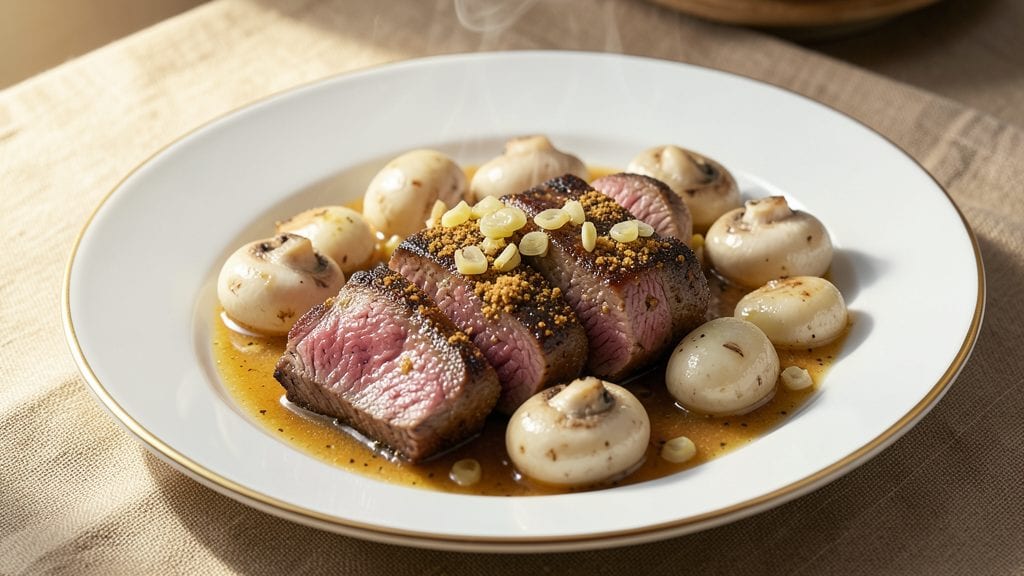
This Natasha's Kitchen beef stroganoff recipe delivers restaurant-quality richness with a velvety mushroom cream sauce that clings to every bite of tender beef. The secret lies in proper searing and slow simmering, transforming simple ingredients into a dish that feels indulgent yet balanced.
I've perfected this technique over years, ensuring the sauce never breaks and the beef stays fork-tender.
The foundation begins with searing beef strips until golden, then deglazing the pan to capture all those flavorful browned bits. Mushrooms sautéed until just tender form the base of the sauce, which thickens beautifully with a classic roux before being enriched with sour cream for that signature velvety texture.
This isn't just stroganoff—it's a velvety, aromatic masterpiece that pairs perfectly with egg noodles or rice.
What sets this recipe apart is the careful balance of acidity and creaminess, where a splash of lemon juice brightens the rich sauce while preserving its luxurious consistency.
The result is a dish where each forkful delivers perfectly cooked beef, earthy mushrooms, and a sauce so rich it coats every noodle without being heavy. This is comfort food elevated to restaurant-quality standards.
Whether serving for a weeknight dinner or impressing guests, this stroganoff delivers consistent, professional results every time. The technique remains approachable while producing a dish that feels special—proof that home cooking can rival the best restaurant versions. Let's get cooking with this velvety, flavor-packed masterpiece.
Ingredients for natasha's kitchen beef stroganoff
Restaurant-quality beef stroganoff begins with these carefully selected ingredients designed for velvety texture and deep flavor.
| Ingredient | Amount | Notes |
|---|---|---|
| Beef Tenderloin Strips 🥩 | 1 ½ lb | Cut into 1/2-inch strips, boneless |
| White Button Mushrooms 🍄 | 16 oz | Sliced into 1/4-inch pieces |
| Shallots 🧅 | 2 whole | Finely minced, about 2 tbsp |
| Garlic Cloves 🧄 | 4 cloves | Minced, for aromatic depth |
| All-Purpose Flour 🌾 | 2 tbsp | For classic roux formation |
| Unsalted Butter 🧈 | 4 tbsp | Cold, for proper roux color |
| Beef Broth 💧 | 2 cups | Homemade or high-quality store-bought |
| Sour Cream 🥛 | ¾ cup | Full-fat for optimal texture |
| Heavy Cream 🥛 | ¼ cup | 36% fat minimum |
| Fresh Lemon Juice 🍋 | 1 tbsp | Brightens rich flavors |
| Diamond Crystal Kosher Salt 🧂 | 1 ½ tsp | Adjust to taste |
| Freshly Ground Black Pepper 🌶️ | ½ tsp | Cracked peppercorns preferred |
| Dried Thyme 🌿 | ½ tsp | Or 1 tsp fresh thyme leaves |
| Egg Noodles 🍝 | 12 oz | Fresh or high-quality dried |
| Extra-Virgin Olive Oil 🫒 | 1 tbsp | For initial beef searing |
The beef selection is critical—tenderloin delivers consistent tenderness, though top round or sirloin work well if preferred. Whole Foods Market or Costco carry excellent pre-cut strips, but butcher sections can provide superior quality. Look for strips with visible marbling and uniform thickness (about 1/2-inch). For mushrooms, cremini or oyster varieties elevate the earthy depth, but white buttons remain versatile. The shallots should be firm and pale—avoid any with green shoots or soft spots. Fresh thyme is ideal, but Penzeys brand dried thyme offers excellent quality when fresh isn't available.
No beef tenderloin? Top round or sirloin strips work beautifully with slightly longer cooking times. Substituting mushrooms? Chanterelles or cremini add complexity, while portobello slices provide meaty texture. The roux requires precise attention—European-style butter (82% fat) develops better color than American. For a lighter version, replace half the sour cream with Greek yogurt, though texture may vary. The lemon juice is non-negotiable—it prevents the sauce from curdling while brightening the richness. Freshly ground black pepper contains more piperine than pre-ground, enhancing aroma significantly.
Beef strips should be refrigerated for no more than 2 days before cooking, while mushrooms keep 5-7 days in the fridge. The roux mixture can be prepared ahead and refrigerated for up to 2 days, though texture may slightly degrade. Sour cream and heavy cream should be stored at 40°F or below—never at room temperature. For meal prep, cook the stroganoff completely, then refrigerate for up to 3 days or freeze for 3 months. Reheat gently on low heat, stirring frequently to prevent curdling. The egg noodles cook in minutes—boil them separately to maintain al dente texture.
Why You'll Love This Recipe
- No-Fuss Sear: The beef tenderloin strips cook in just 3 minutes—no fancy technique, just a hot pan and a quick toss in flour. That golden crust? It’s the secret weapon here, turning simple beef into something that tastes like it came from a restaurant.
- Umami Bomb: Shallots and mushrooms caramelize right in the pan, so you get this deep, earthy richness without extra prep. Honestly, the way the garlic cloves sizzle into the mix? It’s the kind of aroma that makes your kitchen smell like a cozy dinner party.
- Leftovers That Shine: This reheats like a dream—just a splash of broth or milk, and it’s just as good the next day. I’ll be real: my lunchbox gets packed with this for days, and no one complains (not even my picky teenager).
- Weeknight Workhorse: Serve it over noodles for a quick weeknight dinner, or pile it onto crusty bread for a weekend brunch. Between us, I’ve even used it as a filling for stuffed peppers when I’m feeling fancy. Minimal effort, maximum flexibility.
Step-by-step instructions for natasha's kitchen beef stroganoff
This method delivers restaurant-quality stroganoff with a velvety sauce that clings perfectly to tender beef and mushrooms.
Sear the Beef Tenderloin Strips
Heat a large Dutch oven or heavy skillet over medium-high heat until very hot. Add the 1 tablespoon extra-virgin olive oil and swirl to coat the pan. Working in batches to avoid overcrowding, add the 1.5 lb beef tenderloin strips and sear for 2-3 minutes per side until they develop a deep golden-brown crust.
You'll know they're ready when the beef releases easily from the pan and reaches an internal temperature of 145°F. Transfer the seared beef to a plate and set aside, leaving any rendered juices in the pan. This step is critical for building flavor—don't skip it. If the beef releases too early, press gently with a spatula to ensure proper browning.
Build the Roux and Sauté Aromatics
Reduce the heat to medium and add 2 tablespoons all-purpose flour to the same pan, stirring constantly for 1-2 minutes until the flour turns a pale golden color. This creates a light roux that forms the foundation of your sauce. Be patient—rushing this step will result in a raw flour taste.
Immediately add 2 tablespoons unsalted butter and stir for 30 seconds until melted and combined. Add the 2 whole finely minced shallots and 4 cloves minced garlic, cooking for 1-2 minutes until the shallots soften and become translucent. This aromatic base will infuse the sauce with depth. If the mixture darkens too quickly, reduce the heat slightly to prevent burning.
Develop the Sauce with Mushrooms and Broth
Increase the heat to medium-high and add the 16 oz sliced white button mushrooms, stirring frequently for 5-6 minutes until they release their moisture and develop a golden-brown color. The mushrooms should be tender but still hold their shape—overcooking will make them mushy.
Pour in the 2 cups beef broth, scraping up any browned bits from the bottom of the pan with a wooden spoon. This deglazing step captures all the flavor you've built so far. Bring the mixture to a gentle simmer and let it reduce by half, which should take about 8-10 minutes. The sauce should thicken slightly and coat the back of a spoon. If it reduces too quickly, add a splash of water to maintain the proper consistency.
Finish with Cream and Acid
Reduce the heat to low and stir in the 0.75 cup sour cream and 0.25 cup heavy cream, allowing the mixture to warm through gently. This step is delicate—adding cold dairy to a hot liquid can cause the sauce to curdle. Stir constantly for 2-3 minutes until the sauce is completely smooth and velvety.
Remove the pan from heat and stir in the 1 tablespoon fresh lemon juice, 1.5 teaspoons diamond crystal kosher salt, 0.5 teaspoon freshly ground black pepper, and 0.5 teaspoon dried thyme. The acid brightens the rich flavors, while the seasonings balance the dish. Return the beef to the pan and toss gently to coat everything in the sauce. Let it sit off the heat for 2-3 minutes to allow the flavors to meld.
Cook and Serve with Egg Noodles
In a separate pot, cook the 12 oz egg noodles according to package instructions until al dente, reserving 1 cup of pasta water. Drain the noodles and immediately toss them with the beef stroganoff mixture, adding reserved pasta water as needed to reach your desired consistency. The sauce should cling to the noodles without being overly thin.
Serve immediately, garnished with additional cracked black pepper if desired. The stroganoff should be rich, velvety, and perfectly balanced—each bite delivering tender beef, earthy mushrooms, and a creamy sauce that coats every strand of noodle. This dish tastes even better the next day, so consider making it ahead and reheating gently on the stove.
Pro Tips For Making Natasha'S Kitchen Beef Stroganoff
- SEAR THE BEEF FAST: Natasha’s recipe calls for beef tenderloin strips, and if you let them sit in the pan too long, they’ll turn tough before they brown. Hit medium-high heat first—get those strips sizzling hard for 1-2 minutes per side before backing off to medium. The crust forms in that first rush, and once it’s golden, you’ve won half the battle.
- SLICE SHALLOTS THIN: Thick shallot chunks hide in stroganoff and stay raw. Grab a sharp knife and cut them paper-thin—almost like you’re shaving them off the root. They’ll melt into the sauce instead of sitting as chewy bits, and the flavor spreads evenly. (Yes, it’s tedious, but your future self will notice.)
- DON’T BOIL THE MUSHROOMS: Mushrooms release water like a leaky faucet when tossed raw into the pan. Sauté them first for 3-4 minutes until they’ve sweated out most of their liquid, then add them to the sauce. This keeps the stroganoff silky, not watery. I learned this after one soggy disaster—now I always do the prep step.
- STIR THE SAUCE CONSTANTLY: The moment you add the flour-butter mixture to the beef, grab that wooden spoon and don’t let up. Stirring every 30 seconds prevents lumps and burns, especially if your heat’s too high. The sauce should thicken in 2-3 minutes—if it darkens too fast, pull the pan off the heat and let it cool slightly. Patience here saves you from scraping burnt bits off the bottom.
Serving suggestions for this natasha's kitchen beef stroganoff
Classic Plating
Serve this stroganoff in wide, shallow bowls to showcase the velvety sauce clinging to tender beef and egg noodles.
I like to spoon the mixture generously over the noodles, then finish with a sprinkle of freshly cracked black pepper and a drizzle of extra-virgin olive oil—this adds a subtle brightness that cuts through the richness.
For an elegant touch, garnish with chopped chives or parsley right before serving. 🍽️
Bread Pairings
A warm, crusty sourdough loaf or fresh baguette is essential for soaking up any extra sauce. I recommend toasting slices until golden and serving alongside the stroganoff.
For a lighter option, try crusty rye bread—its slight bitterness balances the creamy sauce beautifully. Avoid soft, fluffy breads that will turn mushy when dipped.
Vegetable Sides
Roasted asparagus or green beans add freshness and color to the plate. Toss them in 1 tablespoon olive oil, ½ teaspoon salt, and ¼ teaspoon black pepper, then roast at 425°F for 12-15 minutes until tender-crisp.
A simple arugula salad with lemon vinaigrette also works—its peppery bite refreshes the palate between rich bites. 🥦
Wine Recommendations
For a classic pairing, choose a medium-bodied red wine like Pinot Noir or Gamay. These wines complement the dish's richness without overpowering it. If you prefer white, a Chardonnay with minimal oak (like one from California or New Zealand) balances the creamy sauce beautifully.
Avoid heavy, tannic reds that could clash with the sour cream.
Make-Ahead Serving
This stroganoff actually tastes better the next day, making it perfect for meal prep. After cooking, let it cool completely, then refrigerate in an airtight container for up to 3 days. To reheat, warm gently on the stove over low heat for 5-7 minutes, stirring frequently.
Add a splash of beef broth or water if the sauce thickens too much. Serve with freshly cooked noodles for the best texture.
Kid-Friendly Adaptations
For picky eaters, serve the stroganoff over buttered pasta instead of egg noodles—the familiar shape often wins them over. You can also blend the sauce slightly to make it smoother, or offer it as a dip with toasted bread strips.
Keep the flavors mild by reducing the lemon juice to ½ tablespoon and omitting the thyme. 👶
Nutrition facts
Frequently asked questions
Why does Natasha's Kitchen stroganoff sauce turn grainy when I add sour cream?
The sauce curdles when cold dairy hits hot liquid too quickly. Always warm the sour cream and heavy cream together over low heat for 2-3 minutes while stirring constantly. Remove from heat before adding to the pan to prevent breaking. For extra insurance, temper the dairy by mixing a spoonful of hot sauce into it first before combining.
Can I substitute mushrooms in this recipe?
For deeper flavor, try cremini mushrooms or wild mushrooms like chanterelles. Portobello slices add meaty texture, while shiitake mushrooms bring umami richness. Just ensure they're sliced uniformly so they cook evenly. White buttons work best for classic texture, though.
How do I make this stroganoff ahead of time?
Cook the stroganoff completely, then cool it to room temperature. Store in an airtight container in the fridge for up to 3 days or freeze for 3 months. Reheat gently on low heat with a splash of beef broth to restore creaminess. Cook noodles fresh when serving for best texture. The flavors actually improve overnight!
What's the best way to cook the beef to medium-rare?
Sear the beef as directed, then remove from the pan when it reaches 130°F internal temperature (about 2 minutes per side for 1/2-inch strips). Let it rest 5 minutes before adding to the sauce. The residual heat will bring it to 145°F while keeping it tender. Never overcook—it should be fork-tender but still slightly pink inside.
Can I make this recipe gluten-free?
Yes! Replace the egg noodles with gluten-free pasta (like brown rice or chickpea noodles) and use a gluten-free flour blend for the roux. For extra richness, make a cornstarch slurry (1 tbsp cornstarch + 1 tbsp cold water) instead of flour. The sauce will still cling beautifully to gluten-free noodles.