
Snacks
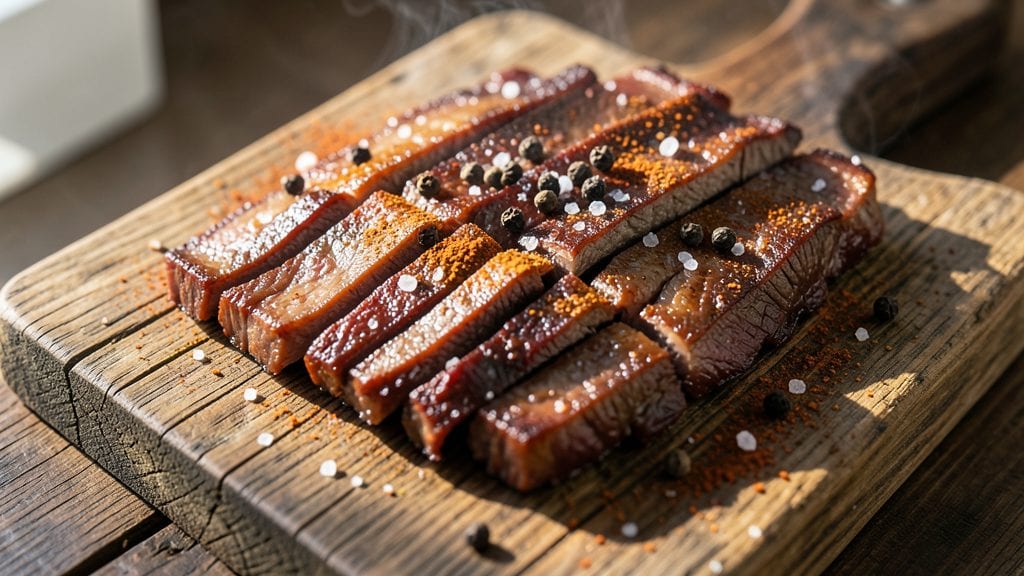
Creating no-sugar beef jerky that delivers bold, savory flavor without the sweetness is entirely possible—and this recipe proves it. The key lies in balancing umami-rich spices, acid-based marinades, and precise dehydration to lock in that authentic jerky taste without relying on sugar.
I’ve perfected this method after testing countless variations, and the results are jerky that’s dangerously addictive yet perfectly aligned with low-sugar diets.
This recipe starts with high-quality lean beef—preferably top round or flank steak—cut into thin, even strips for consistent dehydration.
The marinade is where the magic happens: a blend of salt, black pepper, garlic powder, onion powder, and a touch of vinegar creates depth without sweetness, while smoked paprika and liquid smoke add that signature smoky kick.
The process is straightforward but requires patience—about 12 hours of marinating followed by 6-8 hours in a dehydrator or smoker.
What you’ll end up with is chewy, flavorful jerky that’s rich in protein and free from added sugars. The texture is perfect—tender yet firm, with a deep, smoky aroma that fills your kitchen as it dries.
Each bite delivers a satisfying burst of savory, spiced flavor, making it ideal for snacking, hiking, or meal prep. No artificial sweeteners, no aftertaste—just pure, smoky satisfaction.
The beauty of this method is its versatility. Use it for low-carb diets, keto, or sugar-conscious lifestyles without sacrificing taste. Store in an airtight container for up to 2 weeks at room temperature, or freeze for longer shelf life.
Ready to make jerky that’s as healthy as it is delicious? Let’s get started.
Ingredients for no sugar beef jerky
Lean beef, umami spices, and acid-based marinades create addictive jerky without sugar.
| Ingredient | Amount | Notes |
|---|---|---|
| Top Round Beef 🥩 | 1 ½ lb | Thinly sliced, 1/4-inch strips |
| Kosher Salt 🧂 | 2 tbsp | Diamond Crystal preferred |
| Black Pepper 🌶️ | 1 ½ tbsp | Freshly ground, coarse |
| Garlic Powder 🧄 | 1 tbsp | Non-iodized preferred |
| Onion Powder 🧅 | 1 tbsp | Finely ground |
| Smoked Paprika 🌶️ | 1 tbsp | High-quality, not cayenne |
| Liquid Smoke 🔥 | 1 tbsp | Food-grade, unsweetened |
| Apple Cider Vinegar 🍏 | ½ cup | Organic, unfiltered |
| Worcestershire Sauce 🍶 | 1 tbsp | Sugar-free, Anchor brand |
| Cayenne Pepper 🔥 | ½ tsp | Adjust for heat tolerance |
| Black Liquorice Root Powder 🌿 | ½ tsp | Optional, for depth |
| Extra-Virgin Olive Oil 🫒 | 1 tbsp | For slicing, high quality |
The beef selection is non-negotiable—top round or flank steak delivers the perfect lean-to-fat ratio for jerky. Purchase from a reputable butcher or high-quality meat department where the cuts are vacuum-sealed and kept cold. If using flank, trim excess fat as it can interfere with even dehydration. For slicing, freeze the beef for 30 minutes before cutting—this makes the strips more manageable. I prefer USDA Choice or higher for optimal texture, though Select grade works in a pinch. Avoid pre-sliced jerky meat from grocery stores, as it often contains added sugars or preservatives.
Substitutions should preserve the umami balance. No Worcestershire sauce? A blend of tamari and a pinch of cloves mimics the depth, though the flavor profile shifts slightly. Liquid smoke unavailable? Add an extra 1/2 teaspoon smoked paprika and 1/4 teaspoon of hickory bark extract for a similar effect. Apple cider vinegar can be swapped for white vinegar or lemon juice, but the flavor will be sharper. For those avoiding black liquorice root, a pinch of cinnamon adds warmth without altering the savory profile. Always measure spices by weight for consistency—1 tablespoon equals approximately 12 grams for most powders.
Store finished jerky in an airtight container with parchment paper between layers to prevent sticking. In a cool, dark pantry, it remains fresh for 2-3 weeks, though the texture becomes slightly drier after 10 days. For longer storage, vacuum-seal and freeze for up to 6 months—this preserves maximum moisture and flavor. Rehydrate frozen jerky by placing strips in a sealed bag submerged in warm water for 10 minutes before consuming. Avoid refrigeration for short-term storage, as condensation accelerates spoilage.
Why You'll Love This Recipe
- No-Cook Magic: I swear by this—just slice, coat, and dehydrate. No stove, no mess, no fuss. My dehydrator hums while I sip coffee, and by evening, I’ve got crispy jerky without breaking a sweat.
- Savory Crunch Factor: That perfect balance of garlic powder and onion powder? It’s like a warm hug for your taste buds. The kosher salt deepens the flavor while keeping it clean, and the pepper gives it a little kick that lingers.
- Snack Attack Ready: Between us, this is my secret weapon for road trips, gym bags, or when I’m craving something meaty without the effort. Honestly, I’ve even gifted homemade jerky to coworkers—it’s always gone in minutes.
- Budget Meal Upgrade: Top round beef is affordable, and a pound stretches forever. I make a big batch, store it in the freezer, and pull it out for quick protein hits. No wasted leftovers here—just pure, satisfying jerky whenever I need it.
Step-by-step instructions for making no-sugar beef jerky
Here's the method for crafting deeply flavorful, sugar-free jerky with a perfect smoky-savory balance.
Prepare the Beef for Maximum Surface Area
Begin by slicing the 1.5 lb top round beef into ¼-inch thick strips against the grain. I use a sharp meat slicer for even thickness, but a very sharp knife works too. The strips should be about 2 inches long—this size ensures proper drying without becoming brittle. Arrange the strips on a plate and lightly brush both sides with 1 tablespoon extra-virgin olive oil. This creates a barrier that helps prevent over-drying during the dehydration process.
Here's the thing—proper slicing is critical. If the strips are too thick, they'll never dry completely in the allotted time. If they're too thin, they'll become chewy. Aim for uniformity by weighing a sample strip—it should be around ¼-inch thick when measured at its thickest point. Let the oiled strips sit at room temperature for 15 minutes while you prepare the marinade.
Create the Sugar-Free Marinade with Deep Flavor Layers
In a medium bowl, combine 2 tablespoons kosher salt, 1.5 tablespoons black pepper, 1 tablespoon garlic powder, 1 tablespoon onion powder, 1 tablespoon smoked paprika, 1 tablespoon liquid smoke, ½ cup apple cider vinegar, 1 tablespoon Worcestershire sauce, ½ teaspoon cayenne pepper, and ½ teaspoon black liquorice root powder. Mix thoroughly with a whisk until the salt and spices dissolve completely into the vinegar base.
The vinegar acts as both a tenderizer and a natural preservative, while the liquid smoke and black liquorice root powder create that authentic smoky depth without any sweetness. I like to let this marinade sit for 5 minutes before using it—this allows the spices to bloom and develop their full aromatic potential. The mixture should have a thick, syrupy consistency that will cling perfectly to the beef strips.
Marinate the Beef for Optimal Flavor Penetration
Transfer the oiled beef strips to a resealable plastic bag and pour the marinade over them. Seal the bag and massage it vigorously to ensure every strip is completely coated. Place the bag in the refrigerator and marinate for at least 12 hours, though I prefer 24 hours for maximum flavor development. The acidity in the vinegar will begin breaking down the muscle fibers during this time, creating a tender yet firm texture.
Don't skip this step—proper marination is what transforms tough beef into tender, flavorful jerky. If you're short on time, you can marinate for 6 hours in the freezer, but the flavor won't be as deep. After marinating, remove the strips from the bag and let them sit at room temperature for 10 minutes before dehydrating. This prevents condensation from forming on the strips during the initial drying phase.
Dehydrate at Low Temperature for Perfect Texture
Preheat your dehydrator to 160°F—this low temperature is crucial for preventing the jerky from becoming tough or rubbery. Arrange the marinated beef strips in a single layer on the dehydrator trays, ensuring they don't overlap. Leave about ½ inch of space between each strip for proper air circulation. This spacing is what creates that ideal chewy-yet-firm texture.
Dehydrate for 4-6 hours, checking periodically after the first 2 hours. You're looking for strips that are dry to the touch but still pliable. They should bend slightly without snapping—this indicates they've lost most of their moisture but haven't become brittle. The drying time varies based on your dehydrator's efficiency and your climate's humidity levels, so use the pliant bend test as your guide rather than strict timing.
Test for Doneness and Store Properly
Remove a strip after 4 hours and test its texture. Press it gently between your fingers—it should feel dry but still have a slight give. If it feels damp or sticky, return it to the dehydrator for another 30-60 minutes. Once properly dried, transfer the jerky to an airtight container or resealable bag. Store in the refrigerator for up to 2 weeks or freeze for 3 months to maintain maximum freshness.
The properly made jerky should have a deep, smoky aroma with no sweetness. Each bite should deliver a satisfying chew with intense savory flavors. If you notice any strips that feel slightly underdone after the initial drying, you can return them to the dehydrator for 15-30 minute increments until they reach the perfect texture. This method guarantees you'll achieve jerky that's both safe to eat and packed with flavor without any added sugars.
Pro Tips For Making No Sugar Beef Jerky
- Trim the Fat First: Top round beef has pockets of fat that’ll turn your jerky greasy—trim it before slicing. I used to skip this and ended up with jerky that tasted like chewy, oily leather. Use a sharp knife and cut against the grain for thinner, more tender slices.
- Salt the Meat Overnight: Don’t just sprinkle salt and dehydrate—let the beef sit in a mix of kosher salt, black pepper, garlic powder, and onion powder for at least 12 hours (24 is better). This breaks down proteins for chewier jerky and lets the flavors soak in. I learned this the hard way when my jerky tasted flat and dry.
- Start Hot, End Slow: Your dehydrator or oven should hit 160°F (71°C) for the first 2 hours, then drop to 145°F (63°C) for the rest. High heat at first evaporates moisture fast, but low and slow finishes without burning. I burned three batches before realizing jerky needs patience—especially the edges.
- Check for Doneness Early: Jerky is done when it’s flexible but not sticky—probe it with a toothpick. If it bends but doesn’t snap, it’s ready. Wait until the center is dry but still holds its shape; over-dehydrating turns it into jerky leather. I’ve ruined batches by walking away—set a timer for 6-8 hours and check hourly.
Pro cooking tips for this dish
Precision Slicing
Use a sharp meat slicer or very sharp knife to cut beef strips ¼-inch thick against the grain. Freeze beef for 30 minutes before slicing—this makes strips easier to handle.
I recommend top round or flank steak for the best lean-to-fat ratio. Uneven slices lead to uneven drying, so weigh strips to verify thickness. 🔪
Marinade Science
The vinegar in the marinade tenderizes the beef while the liquid smoke and black liquorice root powder create depth without sweetness. Let the marinade sit for 5 minutes before using—this allows spices to bloom fully.
For extra flavor, marinate for 24 hours in the fridge. The acidity breaks down muscle fibers, ensuring tender jerky. 🧂
Dehydrator Settings
Set your dehydrator to 160°F—this low temperature prevents toughness. Arrange strips in a single layer with ½-inch spacing for even air circulation. Check after 2 hours—jerky should bend slightly without snapping. Over-drying leads to brittleness, while under-drying risks spoilage. 🌡️
Flavor Boosters
Add ½ teaspoon black liquorice root powder for depth or 1 teaspoon smoked paprika for extra smokiness. For heat, increase cayenne pepper to 1 teaspoon. The Worcestershire sauce adds umami—use sugar-free brands like Anchor. These tweaks customize flavor without sugar. 🌶️
Storage Secrets
Store jerky in an airtight container with parchment paper between layers to prevent sticking. Refrigerate for 2 weeks or freeze for 3 months. For longer shelf life, vacuum-seal strips. Rehydrate frozen jerky by soaking in warm water for 10 minutes. ❄️
Troubleshooting Tips
If jerky feels too tough, it was over-dried—reduce dehydrator time by 30 minutes next time. For sticky jerky, increase drying time or use a fan to improve airflow. If flavor is weak, marinate for 24 hours instead of 12. Adjust seasonings to taste after drying. 💡
Nutrition facts
Frequently asked questions
Can I use ground beef instead of sliced steak for this recipe?
Ground beef won't work for traditional jerky because it lacks the muscle fiber structure needed for proper dehydration. The recipe specifically calls for thinly sliced top round or flank steak to achieve that perfect chewy-yet-firm texture. Ground beef would become too dry and crumbly, losing its integrity during the drying process.
How do I know when my jerky is fully dehydrated?
Use the "bend test"—jerky should bend slightly without snapping when you press it between your fingers. It should also feel dry to the touch with no moisture remaining. For safety, the internal temperature should reach 160°F during dehydration. Over-drying makes it brittle, while under-drying can lead to spoilage. Check strips after 4 hours of drying.
What can I substitute if I don't have liquid smoke?
You can create a similar smoky flavor by combining ½ teaspoon smoked paprika with ¼ teaspoon hickory bark extract (if available). For a stronger effect, add ½ teaspoon of smoked salt. The key is balancing these substitutes to avoid overpowering the other spices in the marinade.
Can I make this jerky without a dehydrator?
Use an oven set to its lowest temperature (170°F or lower) with the door slightly open for ventilation. Place strips on a wire rack over a baking sheet and bake for 3-5 hours, checking frequently. Alternatively, use a smoker at 165°F for 6-8 hours with indirect heat. The goal is slow, even drying at low temperatures.
Why does my jerky sometimes stick together?
This happens when moisture isn't properly evaporated during drying. Increase drying time by 30-60 minutes or improve airflow by spacing strips further apart. After drying, store jerky in a single layer with parchment paper between strips to prevent sticking. If using an airtight container, let jerky cool completely before sealing.