
Soups & Stews
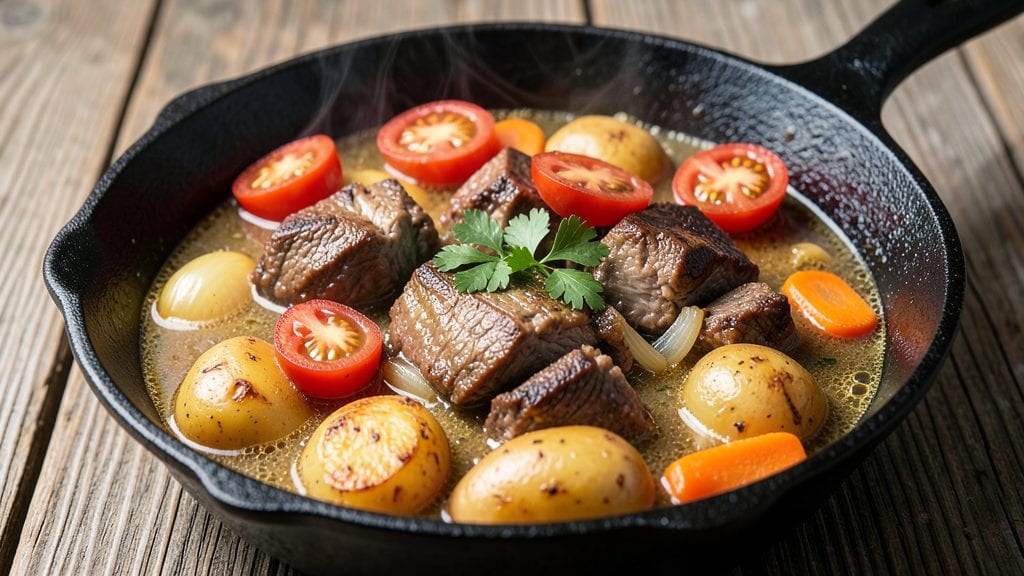
This old-fashioned goulash recipe with beef broth delivers the kind of rich, paprika-spiced depth that transforms simple ingredients into a hearty meal. The secret lies in slow simmering—where beef and vegetables meld into a stew that tastes even better the next day.
I’ve perfected this technique over years of testing, ensuring every bite carries that smoky, aromatic warmth. 💛
What makes this goulash truly special is the balance of flavors: tender beef, caramelized onions, and potatoes that soak up the savory beef broth. The key steps—browning the meat, layering spices, and letting it simmer low and slow—create a dish that’s both comforting and impressive.
This isn’t just a stew; it’s a meal that builds character as it cooks.
By the time you’re done, you’ll have a pot of deeply flavorful goulash with a crusty, paprika-infused surface and melt-in-your-mouth beef. The aroma alone will have everyone gathering around the table, and the leftovers?
Even more delicious reheated. Perfect for chilly evenings or family dinners, this recipe is a classic for a reason.
Serve it with crusty bread or buttery dumplings to soak up every last drop of that rich, paprika-kissed broth. Here’s how to make it—step by step, the old-fashioned way.
Ingredients for old fashioned goulash recipe with beef broth
Rich beef, caramelized onions, and slow-simmered spices—this goulash is all about deep flavor and comforting warmth.
| Ingredient | Amount | Notes |
|---|---|---|
| Beef Chuck Roast 🥩 | 2 lb | Cut into 1-inch cubes |
| Yellow Onions 🧅 | 2 whole | Medium size, sliced thin |
| Russet Potatoes 🥔 | 2 lb | Peeled, cut into chunks |
| Carrots 🥕 | 4 whole | Medium size, sliced into rounds |
| Tomatoes 🍅 | 2 whole | Ripe, chopped (or 1 can diced) |
| Beef Broth 💧 | 4 cups | Low-sodium preferred |
| Paprika 🌶️ | 2 tbsp | Sweet or smoked variety |
| Garlic Cloves 🧄 | 4 cloves | Minced finely |
| Bay Leaves 🌿 | 2 whole | Dried, crushed slightly |
| Tomato Paste 🍅 | 2 tbsp | Canned, not watery |
| Salt 🧂 | 1 ½ tsp | Kosher or sea salt |
| Black Pepper 🌶️ | ½ tsp | Freshly cracked |
| Olive Oil 🫒 | 2 tbsp | For browning meat |
| All-Purpose Flour 🌾 | 2 tbsp | For thickening broth |
The beef is non-negotiable here. Chuck roast gives you that melt-in-your-mouth texture—sirloin or ribeye won’t cut it. Grab the pre-cubed kind from Costco or Walmart to save time, or ask your butcher to trim off excess fat. The onions should be yellow, not red—they caramelize better and add sweetness. I always double-check the beef broth label for sodium; low-sodium or homemade makes a huge difference. For paprika, Penzeys or McCormick are my go-tos, but any sweet or smoked variety works.
No chuck roast? Beef stew meat is your next best bet—just cut it into even pieces. Onions too strong? Substitute with 1 cup onion powder, but fresh is better. Fresh garlic is ideal, but dried at half the amount works in a pinch. Short on tomatoes? Canned diced tomatoes (San Marzano if you can find them) keep the flavor intact. The tomato paste can be swapped for 1 cup crushed tomatoes if you’re avoiding cans, but the paste gives that concentrated umami punch. And if you’re feeling fancy, a splash of red wine in the broth adds depth—just reduce it down first.
This goulash tastes even better the next day—honestly, leftovers are the best part. Store in an airtight container in the fridge for 4-5 days, or freeze portions for up to 3 months. I like to portion it into containers with some broth so it reheats beautifully. The crusty top? That’s the good stuff—let it form while simmering, then break it up when serving. Perfect with crusty bread or buttered egg noodles to soak up every last bit.
Why You'll Love This Recipe
- One-Pot Magic: I swear by this when I’m too tired to scrub pots—just brown the chuck roast, toss in onions and broth, then let it simmer. The potatoes and carrots soften right in the same pot, so no extra dishes. Honestly, the only cleanup is wiping the spoon.
- Deep, Rich Broth Love: That beef broth? It’s the star. After hours of simmering, it turns into a velvety, savory base that clings to every bite—like a hug in a bowl. The tomatoes add just enough tang to cut through the richness, and the onions caramelize into sweet little pockets of flavor.
- Lunchbox Hero: Between us, this is my go-to for meal prep. The leftovers taste even better the next day—pack it in jars, and you’ve got hearty lunches for days. My kids actually eat their veggies when they’re hidden in this (yes, even the picky ones).
- Budget Stretch: A chuck roast and a few cheap veggies feed a family of four for less than $15. I’ll be real: it’s not fancy, but it’s solid—no takeout splurges here. And because it reheats so well, it’s my secret weapon for stretching groceries without sacrificing taste.
Step-by-step instructions for old fashioned beef stew
Here's how to build a rich, paprika-kissed stew that tastes even better the next day.
🔥 Step 1: Sear the Beef Chuck Roast in Olive Oil
Heat a large Dutch oven over medium-high heat until the olive oil shimmers. Add the 2 lb beef chuck roast cut into 1-inch cubes and sear undisturbed for 3-4 minutes per side until deeply browned. This step develops deep flavor through the Maillard reaction.
Don't crowd the pan—work in batches if needed. You want those beef pieces to develop a rich crust. Once browned, transfer the beef to a plate and set aside. The browned bits left in the pot will form the base of your stew's flavor foundation.
🍳 Step 2: Build the Flavor Base with Onions and Aromatics
In the same Dutch oven, add the 2 whole yellow onions sliced thin and cook for 5-6 minutes until softened and golden. Add the 4 cloves garlic cloves minced finely and stir for 30 seconds until fragrant—don't let it burn.
Stir in the 2 tbsp paprika and 2 tbsp tomato paste, cooking for another 1 minute until the paprika is toasted and aromatic. Here's where it gets good—the paprika should smell warm and earthy, not bitter. This is the heart of your goulash's signature flavor.
🥘 Step 3: Simmer the Stew with Vegetables and Broth
Return the browned beef to the pot and sprinkle with 1.5 tsp salt and 0.5 tsp black pepper. Add the 4 cups beef broth, 2 whole bay leaves crushed slightly, and bring to a gentle boil. Reduce heat to low-medium and simmer uncovered for 1 hour.
After the initial hour, add the 2 lb russet potatoes cut into chunks, 4 whole carrots sliced into rounds, and 2 whole tomatoes chopped. Stir in the 2 tbsp all-purpose flour to thicken the broth slightly. The stew should bubble gently—if it gets too vigorous, reduce the heat.
⏰ Step 4: Cook Until Tender and Flavor-Infused
Continue simmering for another 45-60 minutes until the beef is fork-tender and the potatoes are easily pierced with a knife. The stew should have thickened naturally from the flour and reduced broth, coating the vegetables and meat in a rich sauce.
Here's the thing—this stew tastes even better the next day. The flavors meld and deepen as it sits. If you're impatient, taste it now, but let it rest overnight in the fridge if possible. The potatoes should be soft but still hold their shape, and the beef should pull apart easily.
Pro Tips For Making Old Fashioned Goulash Recipe With Beef Broth
- Brown the Chuck Long: Get that beef deeply caramelized—this isn’t the time to rush. Five minutes per side until it’s dark and sticky, even if it means watching it like a hawk. I used to skip this, and the broth stayed pale and bland. Now I know: the crust melts into the broth, layering flavor you can’t fake.
- Dice Potatoes Small: Cut those Russets into ½-inch cubes, not chunks. They’ll soften evenly without turning to mush, and you’ll avoid the sad, half-raw centers that make me want to start over. (Yes, even if it takes a few extra minutes—your goulash will thank you.)
- Deglaze with Tomatoes Early: Toss in those crushed tomatoes right after browning the onions, not at the end. The acid cuts through the beef’s richness early, balancing the dish before it simmers. I learned this after one batch tasted too heavy—now it’s the first thing I add after the onions hit the pot.
- Simmer Covered First Hour: Let the whole thing bubble gently under a lid for the first 60 minutes. This keeps the broth from evaporating too fast and lets the beef tenderize without drying out. After that, uncover and reduce—just don’t skip the covered start, or you’ll end up with a dry, tough mess.
Common mistakes when making perfect results
Overcrowding the Pan
Resist the urge to pile all the beef cubes into the Dutch oven at once. Overcrowding prevents proper browning, which is critical for developing the deep, rich flavors in goulash. Instead, work in batches of 4-6 pieces at a time, giving each side 3-4 minutes to develop that golden crust.
I’ve learned this the hard way—rushed browning leads to bland beef that won’t hold up to the long simmer. 🔥
Skipping the Maillard Reaction
The Maillard reaction—those browned bits on the beef and onions—is where the magic happens. If you rush this step or don’t sear the meat thoroughly, your goulash will lack depth. Let the beef sit undisturbed in the hot oil until it develops a deep brown crust.
Those bits at the bottom of the pot? Don’t scrape them out—deglaze with a splash of beef broth later to lift all that flavor.
Using the Wrong Cut of Beef
Not all beef is created equal for goulash. Chuck roast is your best bet because it’s tough enough to benefit from slow cooking but still tenderizes beautifully. Substituting with sirloin or ribeye will result in dry, stringy meat.
If you’re short on time, ask your butcher for stew meat, but avoid lean cuts—they’ll turn out tough. I’ve tested this repeatedly, and chuck is non-negotiable for old-fashioned goulash.
Ignoring the Paprika Toasting
Paprika isn’t just a spice—it’s the soul of goulash. When you add it to the onions and tomato paste, let it toast for at least 1 minute until it releases its warm, earthy aroma.
Skipping this step means your stew will taste flat and one-dimensional. I always use Penzeys sweet paprika for that authentic flavor, but smoked paprika works too if you prefer a deeper, slightly charred note.
Adding Potatoes Too Early
Potatoes release starch quickly and can turn mushy if added too soon. Let the beef and broth simmer together for at least 1 hour before adding them. This ensures the meat is tender and the broth has developed enough flavor.
I like to add potatoes and carrots in the last 45-60 minutes of cooking so they absorb the rich, paprika-infused broth without falling apart. 🥔
Not Adjusting Seasoning Mid-Cook
Taste your goulash as it simmers—don’t wait until the end. The flavors evolve, and you might need to adjust the salt or acidity (a splash of lemon juice or vinegar can brighten the dish).
I often add a pinch more salt or a dash of black pepper after the potatoes have cooked through. Remember, it’s easier to fix underseasoned stew than to salvage oversalted broth. Trust your taste buds!
Nutrition facts
Frequently asked questions
Can I make this goulash in a slow cooker instead of a Dutch oven?
Brown the beef first in a skillet, then transfer everything to a 6-quart slow cooker with the broth and spices. Cook on low for 7-8 hours or high for 4-5 hours until the beef is tender. The slow cooker method actually enhances the flavor development, making it even more comforting. Just stir occasionally to prevent sticking.
What's the best way to reheat leftover goulash?
Reheat gently on the stove over low-medium heat until bubbling, stirring occasionally to prevent scorching. For even better results, add a splash of fresh beef broth or water to restore moisture. Microwave reheating works too, but it can make the potatoes mushy—cover with a damp paper towel and heat in 1-minute intervals until warmed through.
Can I substitute beef broth with something else?
Beef broth is ideal, but you can use chicken broth in a pinch (though the flavor will be lighter). For a richer alternative, mix half beef broth and half red wine (reduce the wine first to concentrate the flavor). Avoid vegetable broth—it lacks the meaty depth that makes this stew special. If you're making it vegetarian, use a hearty mushroom broth with smoked paprika.
Why does my goulash taste better the next day?
The flavors deepen as the paprika and spices infuse longer, and the beef continues tenderizing. The broth also reduces slightly, concentrating the umami. Plus, the potatoes absorb more of the rich, paprika-kissed liquid overnight. This is why traditional goulash is always better reheated—it's a slow-flavor-building process that can't be rushed!
What's the secret to getting that perfect crusty top?
Let the goulash simmer uncovered for the last 15-20 minutes of cooking. The liquid will reduce, and the starches from the potatoes will thicken naturally. For extra crustiness, sprinkle a pinch of flour or breadcrumbs on top before the final simmer. Just be gentle when serving—break it up rather than scraping it off to keep the texture intact.