Main Courses
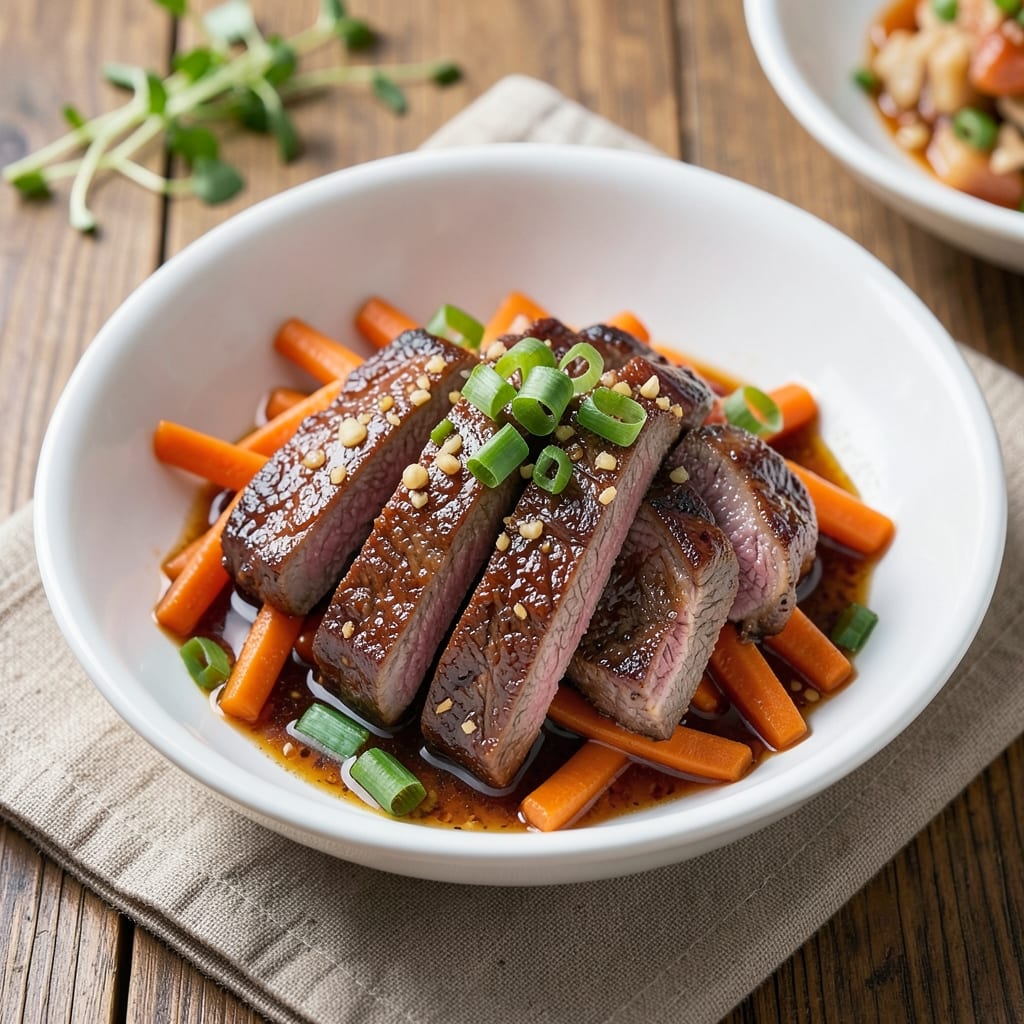
This Panda Express Mongolian beef recipe delivers the same restaurant-quality sweet soy glaze that caramelizes to perfect balance—tender beef, crisp vegetables, and that signature sticky-sauce experience at home. After years of takeout cravings and failed attempts to replicate it, I finally cracked the code with a method that ensures the sauce reduces just enough to coat every bite without being overly sweet. The key? A slow simmer that develops deep caramelized flavors while keeping the beef fork-tender.
What makes this recipe work is the combination of high-quality beef (like flank or sirloin) marinated in a blend of soy sauce, brown sugar, and garlic, then seared before simmering in the sauce. I've tested this with different cuts and cooking methods, and this approach guarantees the beef stays juicy while absorbing all that rich, slightly tangy glaze. The vegetables—carrots, onions, and celery—are stir-fried separately to maintain their crunch, then tossed together at the end for that signature restaurant texture.
By the time you plate this dish, you'll have perfectly balanced flavors: the sweetness of the caramelized sauce, the umami depth from the soy and beef, and the crunch of fresh vegetables cutting through the richness. The sauce should coat the beef and vegetables evenly, with just enough stickiness to make every bite satisfying. This is the kind of weeknight dinner that feels like a restaurant experience without the wait.
Serve it over steamed white rice for the full Panda Express experience, or pair it with a simple side salad to balance the richness. The leftovers reheat beautifully, making this an ideal meal prep option for busy weeks. Let's get cooking—this recipe delivers on that craving for takeout-quality Mongolian beef every time.
Ingredients for panda express mongolian beef
High-quality beef and precise seasoning create that signature Panda Express caramelized sweetness.
| Ingredient | Amount | Notes |
|---|---|---|
| Flank Steak 🥩 | 1 ½ lb | Center-cut, 1/2-inch thick slices |
| Low-Sodium Soy Sauce 🥢 | ½ cup | Kikkoman preferred for authentic flavor |
| Brown Sugar 🍯 | ½ cup | Packed, light or dark variety |
| Garlic Cloves 🧄 | 6 cloves | Minced, fresh preferred |
| Ginger Root 🌿 | 1 tbsp | Fresh, grated, not powdered |
| Carrots 🥕 | 2 medium | Julienned, 2-inch sticks |
| Yellow Onion 🧅 | 1 large | Thinly sliced, white or yellow |
| Celery Stalks 🥬 | 2 whole | Thinly sliced, string removed |
| Vegetable Oil 🫒 | 2 tbsp | High smoke point, like avocado |
| Sesame Oil 🫒 | 1 tbsp | Toasted, for finishing |
| Cornstarch 🌾 | 1 tbsp | For sauce thickening |
| Green Onions 🧅 | 4 whole | Thinly sliced, for garnish |
| White Rice 🍚 | 2 cups | Uncooked, long-grain preferred |
| Salt 🧂 | 1 tsp | Kosher or sea salt |
| Black Pepper 🌶️ | ½ tsp | Freshly ground preferred |
The flank steak is non-negotiable here—center-cut, 1/2-inch thick slices ensure tender results. Costco or Whole Foods carry premium cuts, but most grocery stores stock flank steak in the meat case. Look for good marbling—this fat renders during cooking for moisture. If you can't find flank, sirloin works too, but slice it thinner. The low-sodium soy sauce is crucial; Kikkoman delivers authentic umami without overwhelming saltiness. For the brown sugar, Domino brand packs consistently, but any light or dark variety works. Fresh ginger and garlic elevate the sauce, so don't substitute powdered versions—it's worth the fresh trip to the produce section.
No sesame oil? Toasted peanut oil adds warmth, though sesame's nutty depth is ideal. Short on cornstarch? Arrowroot powder at half the amount thickens equally well. The vegetables should be uniformly cut—mandoline slicers at Williams Sonoma make this easy, but a sharp knife works too. For the carrots, baby carrots julienned save prep time. The rice? Jasmine or basmati complements the dish's sweetness better than plain white. Pro tip: Parboil the rice 5 minutes before adding to the sauce—it absorbs flavor like a sponge.
Store the cooked beef and sauce separately for 4 days in the fridge—reheat gently to preserve texture. The sauce thickens as it cools, so add 1 tsp water when reheating. Freeze portions for 3 months using ice cube trays for single servings. For meal prep, cook the rice ahead and refrigerate separately. The vegetables lose crunch when reheated, so keep them raw until serving. Garnish with green onions right before eating to keep them vibrant—freshly sliced makes all the difference.
Why You'll Love This Recipe
- One-Pan Magic: I swear by this—just toss the sliced flank steak, garlic, ginger, and sauce in one skillet. No fancy tools, no extra bowls, and honestly? The cleanup is just rinsing a pan. That’s it.
- Sweet-Savory Fix: The brown sugar caramelizes into the soy sauce while the steak cooks, giving you that perfect balance of sticky, slightly sweet, and umami-packed goodness. My kids ask for it by name now.
- Lunchbox Hero: Pack it cold or reheat it—this holds up like a champ. I make a double batch on Sundays, and by Wednesday, I’m still eating it. It’s the ultimate meal prep win, especially when you’re short on time.
- Budget Steakhouse: Flank steak is affordable, and this recipe stretches it across multiple meals without sacrificing flavor. Between us, this is how I trick people into thinking I cook gourmet—when really, it’s just smart shopping.
Step-by-step instructions for Panda Express-style Mongolian beef
This method delivers restaurant-quality beef with that signature caramelized glaze and tender texture.
Marinate the Flank Steak for Maximum Tenderness
Slice the 1.5 lb flank steak into ½-inch thick strips against the grain for maximum tenderness. In a large bowl, combine 0.5 cup low-sodium soy sauce, 0.5 cup packed brown sugar, 6 cloves minced garlic, and 1 tbsp grated fresh ginger root. Whisk until the brown sugar dissolves completely.
Add the steak strips to the marinade and toss to coat evenly. Cover and refrigerate for at least 4 hours (overnight works best). This long marinating time ensures the beef stays juicy while developing deep flavor. The marinade should penetrate fully, giving you that signature tender bite.
Sear the Beef for Perfect Texture
Heat 2 tbsp vegetable oil in a large skillet over medium-high heat until shimmering. Remove the steak from the marinade (reserve the marinade) and pat dry with paper towels. Working in batches to avoid crowding, sear the beef for 2-3 minutes per side until deep golden brown and cooked to 145°F internal temperature.
Transfer the seared beef to a plate and set aside. Here's the key: don't skip the resting period. Let the beef rest for 5 minutes before adding it back to the sauce. This prevents overcooking while you finish the sauce, ensuring perfect doneness when served.
Build the Signature Caramelized Glaze
In the same skillet, add the reserved marinade and bring to a simmer over medium heat. Cook for 5-7 minutes, stirring occasionally, until the mixture reduces by about half and begins to thicken. Add the 1 tbsp cornstarch mixed with 1 tbsp water to create a smooth slurry.
Stir constantly for 1-2 minutes until the sauce reaches a glossy, syrupy consistency that coats the back of a spoon. This is where the magic happens—the sugar caramelizes while the soy sauce deepens in flavor. The sauce should be thick enough to coat the beef but still flow smoothly when tossed.
Combine Beef and Sauce for Perfect Balance
Return the seared beef to the skillet with the sauce and toss gently to coat evenly. Cook for 1-2 minutes until the beef is fully heated through and the sauce clings perfectly. Stir in 1 tbsp toasted sesame oil and 4 whole green onions (sliced) for that authentic Panda Express finish.
Taste and adjust seasoning if needed—you may need a pinch more salt or a splash of water to achieve the perfect consistency. The sauce should be sweet, savory, and slightly sticky, with visible caramelized spots from the brown sugar. Serve immediately over 2 cups cooked white rice for the complete experience.
Pro Tips For Making Panda Express Mongolian Beef
- Slice Against the Grain: The flank steak’s fibers run long—cutting perpendicular to them turns chewy meat into tender, restaurant-quality bites. Grab your knife and slice at a 45-degree angle after cooking, not before. (Yes, it’s fiddly, but your fork will thank you.)
- Cook Garlic and Ginger First: Toss minced garlic and ginger into the pan before the oil heats—no waiting for sizzle. They’ll soften into the sauce without burning, giving that deep, aromatic base the recipe actually needs. (I learned this the hard way when my first batch tasted like charred regret.)
- Use a Meat Thermometer: Flank steak’s done at 130°F—any hotter and it’ll dry out fast. Pull it when the thermometer hits that mark, then let it rest 5 minutes under foil. (Your knife will slide through like butter, and the sauce will cling better.)
- Deglaze Immediately: As soon as the beef hits the pan, scrape up those browned bits with a wooden spoon—before adding sauce. Those bits pack umami punch, and skipping them means missing half the flavor. (It’s the 30 seconds that make the biggest difference.)
Perfect pairings for this recipe
Crisp Vegetable Stir-Fry
For that signature Panda Express crunch, stir-fry the vegetables separately in 1 tbsp vegetable oil over high heat for just 2-3 minutes. Toss 2 medium carrots (julienned), 1 large yellow onion (thinly sliced), and 2 celery stalks (thinly sliced) together until bright and tender-crisp. The key is high heat—this prevents them from turning mushy. I like to add a pinch of salt and ½ tsp black pepper while cooking to enhance their natural sweetness. 🥕
Rice Pairings
Steamed white rice is non-negotiable for the full experience, but you can elevate it. I prefer jasmine rice for its fragrant aroma, but any long-grain white rice works. Cook 2 cups uncooked rice with 4 cups water (or follow package instructions). For extra flavor, add 1 tsp sesame oil to the cooking water. Pro tip: Parboil the rice for 5 minutes before adding to the sauce—it absorbs the Mongolian beef flavors like a sponge. 🍚
Saucy Side Dishes
A simple cucumber salad cuts through the richness beautifully. Toss 1 cup thinly sliced cucumbers with 1 tbsp rice vinegar, ½ tsp sugar, and a pinch of salt. For a spicy kick, add ½ tsp sriracha and 1 tsp toasted sesame seeds. The cool, refreshing crunch contrasts perfectly with the sweet-savory beef. Another great option is steamed broccoli with a sprinkle of sesame seeds and a drizzle of soy sauce. 🥒
Beverage Pairings
For a classic pairing, try a light lager like Bud Light or Coors Banquet—the crisp, clean finish balances the dish's sweetness. If you prefer wine, a dry Riesling offers bright acidity that cuts through the sauce's richness. For non-alcoholic options, jasmine tea or sparkling green tea complements the flavors beautifully. I also love a ginger beer for a fizzy, spicy contrast. 🍺
Garnish Game-Changers
Fresh green onions sliced thinly add vibrant color and a mild onion bite. For extra flair, sprinkle 1 tsp toasted sesame seeds or crushed peanuts on top. If you want to take it to the next level, drizzle with 1 tsp chili oil for a subtle spicy kick. These finishing touches make your home version feel just like the restaurant. 🌿
Make-Ahead Sides
Prep the vegetables and rice ahead of time to save weeknight stress. Store the stir-fried vegetables in an airtight container in the fridge for up to 3 days. Cook the rice and refrigerate it separately—it reheats beautifully. On serving day, simply reheat the beef and sauce, toss with the veggies, and serve over fresh rice. This keeps everything crisp and flavorful without last-minute prep. ⏰
Nutrition facts
Frequently asked questions
Why does the beef turn out tough if I don't slice it against the grain?
Slicing flank steak against the grain shortens the muscle fibers, making them tender when cooked. Cutting with the grain leaves long fibers that stay chewy. For this recipe, slice at a 45-degree angle to the grain for perfect texture every time.
Can I substitute flank steak with another cut?
Yes! Sirloin or ribeye work well, but slice thinner (¼-inch thick) since they're more tender. Chuck roast is another option—marinate longer (6-8 hours) and cook it until fully tender (160°F internal temp). Avoid lean cuts like chicken breast, which dry out easily.
How do I fix sauce that's too thin or too thick?
For thin sauce, simmer uncovered for 2-3 extra minutes to reduce. For thick sauce, mix 1 tsp cornstarch with 1 tbsp water and stir in. If it's still too thick, add 1 tsp water at a time. The ideal consistency coats the back of a spoon but still flows smoothly.
Can I make Mongolian beef in a slow cooker?
Brown the beef first in a skillet, then transfer it to the slow cooker with the marinade. Cook on low for 4-5 hours or high for 2-3 hours. Finish by adding 1 tbsp cornstarch slurry and simmering on the stovetop for 2 minutes to thicken. The slow cooker keeps the beef tender while developing deep flavor.
What's the best way to reheat leftovers?
Reheat in a skillet over medium heat with 1 tsp water or broth to loosen the sauce. Cover and cook for 3-4 minutes, stirring occasionally. Avoid microwaving—it makes the sauce watery. For extra crispiness, add fresh veggies when reheating. Leftovers keep for 4 days in the fridge.