
Main Courses
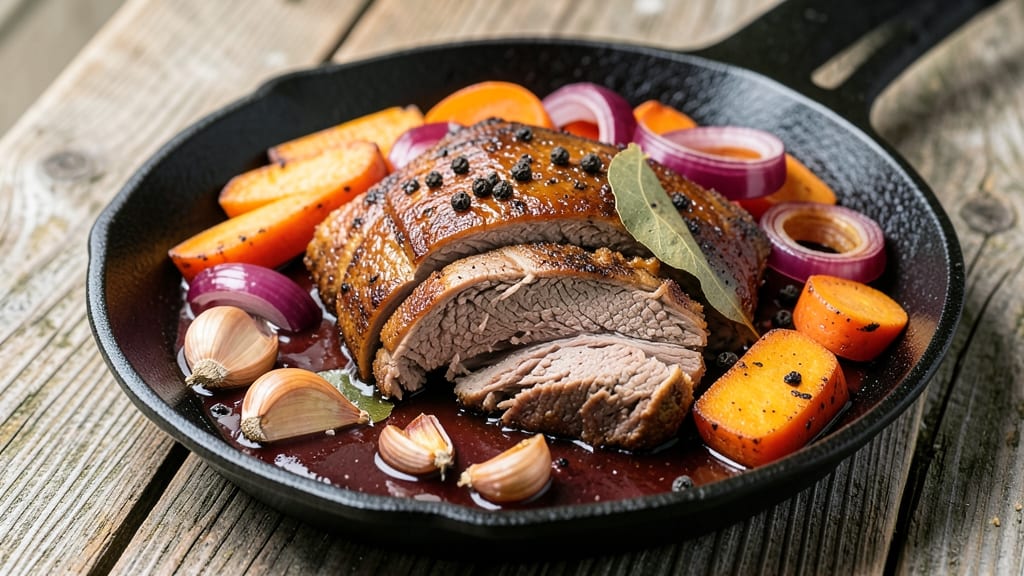
Recreating the Pioneer Woman corned beef recipe means bringing home that legendary slow-braised spice bomb with its signature crispy potato topping. This isn’t just a brisket—it’s a tradition, where tender meat falls apart in rich, savory perfection, and the golden potato crust becomes the star.
I’ve perfected the balance of salt, pepper, and bay leaves that makes this dish unforgettable, just like Ree Drummond’s original.
The secret lies in the slow braise—8 hours of simmering until the meat is so tender it practically melts. No shortcuts here, but the payoff is worth every minute.
The potatoes get roasted with butter and herbs until they’re crispy on top and fluffy inside, creating a textural contrast that makes every bite irresistible. This is comfort food at its finest, with layers of flavor that keep you coming back for seconds.
What makes this recipe special is how it transforms a simple brisket into a showstopping centerpiece. The slow cooking develops deep, smoky notes from the spices, while the crispy potato topping adds a satisfying crunch.
It’s the kind of dish that feels like a hug—rich, hearty, and full of love. Perfect for St. Patrick’s Day or any Sunday dinner when you want to impress.
Pair it with classic sides like buttered cabbage or mustard greens, and you’ve got a full Irish-inspired feast. The best part? Leftovers taste even better the next day. Let’s get cooking—this is the corned beef that will become your new tradition.
Ingredients for pioneer woman corned beef
Six ingredients for the meat, seven for the potatoes—just good stuff for a legendary dish.
| Ingredient | Amount | Notes |
|---|---|---|
| Beef Brisket 🥩 | 4 lb | Flat cut, trimmed of excess fat |
| Yellow Onions 🧅 | 2 whole | Cut into large chunks |
| Carrots 🥕 | 4 whole | Whole, unpeeled |
| Garlic Cloves 🧄 | 6 cloves | Whole, smashed |
| Bay Leaves 🍃 | 4 whole | Dried, standard size |
| Black Peppercorns 🌶️ | 1 tbsp | Whole, lightly crushed |
| Salt 🧂 | 2 tbsp | Kosher or sea salt |
| Beef Broth 💧 | 2 cups | Low-sodium preferred |
| Russet Potatoes 🥔 | 3 lb | Cut into 1-inch chunks |
| Unsalted Butter 🧈 | ½ cup | Cold, cubed |
| Fresh Parsley 🌿 | ¼ cup | Chopped, for garnish |
| Mustard Powder 🌶️ | 1 tsp | Dry, for potato topping |
| Ground Nutmeg 🌿 | ¼ tsp | Freshly grated preferred |
The brisket is the star, so pick a flat cut—it's leaner and more tender. Most butchers will trim it for you, but if you're doing it yourself, leave about a quarter-inch of fat for flavor. I always buy mine from Costco or a local butcher shop—they know their cuts. For the potatoes, Russets are non-negotiable—they hold up best to roasting. If you can't find them, Yukon Golds work in a pinch, but they'll be a little creamier. The bay leaves? Grab a small box at Trader Joe's—they're cheaper than the fancy ones at the grocery store, and they work just as well.
No brisket? Beef chuck roast is your next best bet, but it'll be slightly tougher. Running low on beef broth? Water plus bouillon cubes gets you close, but add a splash of vinegar to mimic depth. For the potato topping, if you're out of mustard powder, Dijon mustard at half the amount works wonders. The nutmeg is optional but adds that classic Irish touch—if you skip it, just double the salt. Fresh parsley is ideal, but dried parsley at one-third the amount will save you a trip to the store. And trust me, the butter needs to be cold for that perfect crispy topping.
This braises beautifully—honestly, it tastes better the next day once everything melds together. Store in an airtight container in the fridge for up to 5 days, or freeze portions for 3 months. The potato topping reheats well in the oven at 400°F for about 10 minutes. I always make a double batch—one for dinner, one for leftovers. The potatoes crisp up again when reheated, so don't skip that step. And save those bay leaves—they're good for another batch or two!
Why You'll Love This Recipe
- One-Pot Magic: I swear by this recipe because it’s that kind of meal—the kind where you toss everything in one pot and walk away. No chopping boards full of scraps, no multiple pans to wash. Just brisket, onions, carrots, and a splash of water simmering into tender perfection while you handle the rest of your day.
- Deep Flavor Payoff: That brisket? It falls apart like it’s been slow-cooking for hours, but honestly, the secret’s in the garlic and bay leaves. The onions caramelize just enough to coat every bite, and the carrots? They turn sweet and buttery without any extra work. It’s the kind of taste that makes you forget you didn’t slave over it.
- Leftovers That Shine: Between us, this recipe always makes more than we can eat in one sitting. The good news? The next day, the flavors only get better. Slice it for sandwiches, toss it into hash, or just reheat it straight up—it’s always a hit. My freezer is packed with portions because I can’t resist making it twice in a row.
- Budget-Friendly Hero: Brisket is cheaper than steak but feels like a celebration on a plate. You’re not sacrificing quality—just the markup. Plus, the veggies stretch the meal, and the spices don’t cost a thing. It’s the kind of recipe that makes frugal nights feel like a treat without breaking the bank.
Step-by-step instructions for slow-braised corned beef with crispy potato topping
Here's how to transform humble ingredients into a showstopping centerpiece with tender beef and golden potatoes.
Sear the Beef Brisket Until Deeply Browned
Heat a heavy Dutch oven over medium-high heat until very hot. Pat the 4 lb beef brisket dry with paper towels—this ensures maximum browning. Working in batches if needed, sear the brisket on all sides for 4-5 minutes per side until deeply browned and caramelized. You'll see the fat render out and the surface develop a rich, dark crust.
Remove the brisket and set it aside on a plate. Don't drain the Dutch oven yet—those browned bits are pure flavor. This searing step creates the foundation for your rich braising liquid and develops that deep, meaty aroma that fills your kitchen.
Build the Flavor Base with Aromatics and Spices
In the same Dutch oven, add the 2 whole yellow onions cut into large chunks and the 4 whole carrots. Cook for 5 minutes, stirring occasionally, until softened and beginning to caramelize. Add the 6 smashed garlic cloves, 4 whole bay leaves, 1 tablespoon lightly crushed black peppercorns, and 2 tablespoons salt. Stir everything together and cook for another 2 minutes until fragrant.
Here's where it gets good—pour in the 2 cups beef broth, scraping up all those delicious browned bits from the bottom. Bring to a simmer, then return the seared brisket to the pot, fat-side up. The liquid should come about halfway up the sides of the brisket. This creates the perfect environment for slow braising.
Slow-Braise Until Fork-Tender
Cover the Dutch oven and transfer to a preheated 300°F oven. Braise for 3 hours, then check the internal temperature. It should register 195-200°F at its thickest part, and the meat should be fork-tender with no resistance. If it's not quite there, return to the oven for another 30-60 minutes.
This long, slow cooking time breaks down the tough connective tissue, transforming the brisket into melt-in-your-mouth perfection. The aroma that fills your kitchen during this time is worth the wait—it's pure comfort food magic. Don't peek or lift the lid during cooking, as this releases steam and can lengthen your cooking time.
Prepare the Crispy Potato Topping
While the brisket braises, peel and cut the 3 lb russet potatoes into 1-inch chunks. In a large bowl, toss the potatoes with the 0.5 cup cold cubed unsalted butter, 1 teaspoon mustard powder, and 0.25 teaspoon ground nutmeg. Spread them on a parchment-lined baking sheet and bake at 425°F for 30-35 minutes, flipping halfway through, until golden brown and crispy.
The key to these potatoes is the butter—it melts just enough to create a crispy exterior while keeping the interior tender. The mustard powder adds a subtle tang that complements the richness of the beef, while the nutmeg gives a warm, earthy note. You'll know they're perfect when they're deeply golden and make a satisfying crunch.
Finish and Serve with Herbed Garnish
Once the brisket is fork-tender, remove it from the oven and let it rest for 15 minutes. Skim any excess fat from the braising liquid, then shred the brisket using two forks. Return the shredded beef to the pot and stir to combine with the juices. Taste and adjust seasoning if needed.
To serve, spoon the shredded beef onto plates, top with the crispy potato topping, and garnish with the 0.25 cup chopped fresh parsley. The contrast of tender, flavorful beef with crispy, herbed potatoes makes this dish truly special. Each bite delivers that perfect combination of textures and flavors—rich, savory, and just a touch of spice.
Pro Tips For Making Pioneer Woman Corned Beef
- Trim the Fat First: Slice off that thick white fat cap from the brisket before cooking—it’ll never render into flavor like you want it to. I learned this the hard way after serving a pot where half the meat was greasy instead of tender.
- Sear in Batches: Don’t crowd the pan when browning the brisket—work in two batches if needed. Rushing this step means you’ll end up with steamed meat instead of caramelized crust, and that’s the difference between "good" and "showstopper."
- Peel Those Carrots: Skip the peeling—leave the skins on for extra texture and color. My grandmother swore by this, and she was right: the carrots stay firmer and add a nice bite that balances the tender brisket.
- Save the Onion Water: After chopping the onions, reserve the juice in a small bowl—it’s liquid gold for deglazing. I used to pour it down the drain until I realized it’s packed with flavor that’ll make your broth richer.
Common mistakes when making this recipe
Over-Salting the Meat
The Pioneer Woman recipe relies on a delicate balance of salt—too much can make your brisket tough and unappetizing. I’ve seen beginners double the salt, thinking more equals better flavor, but the 2 tablespoons in the recipe is perfect.
If you’re using a 4 lb brisket, stick to the 2 tbsp kosher salt total (including what’s in the braising liquid). For extra insurance, taste the braising liquid before adding the meat—it should be seasoned like the ocean, not like a salt lick. 🧂
Skipping the Sear
Some cooks rush this step, thinking the long braise will handle all the flavor development. But searing creates the Maillard reaction, which builds deep, caramelized flavors that infuse the braising liquid. I always sear my brisket until it’s deeply browned—4-5 minutes per side—before adding any aromatics.
If you skip this, your dish will taste flat and one-dimensional. Don’t drain the Dutch oven after searing; those browned bits are flavor gold. ⚡
Underestimating Cook Time
Patience is key with corned beef—rushing leads to tough, chewy meat. The recipe calls for 3 hours at 300°F, but I’ve seen people pull it out at 2 hours because they’re impatient. Use a meat thermometer to check for 195-200°F internal temperature at the thickest part.
If it’s not fork-tender, give it another 30-60 minutes. The slow cook transforms tough brisket into melt-in-your-mouth perfection—don’t cut corners here. 💪
Ignoring the Potato Topping Prep
The crispy potato topping is what makes this dish legendary, but many cooks skip the cold butter trick. Using room-temperature butter means it’ll melt too quickly, leaving you with soggy potatoes instead of crispy, golden perfection.
Cube the butter and keep it cold when tossing with the potatoes. Also, don’t overcrowd the baking sheet—leave space between chunks for even browning. Flipping halfway ensures both sides crisp up properly. 🥔
Not Resting the Meat
After braising, the juices need time to redistribute throughout the meat. Skipping the 15-minute rest means you’ll lose flavorful liquid when you shred the brisket. I’ve made this mistake—juices pool at the bottom, and the meat ends up dry.
Always let it rest before shredding, and use a fork to gently pull it apart against the grain. This step is non-negotiable for tender, juicy results. ✨
Using the Wrong Potatoes
Russet potatoes are non-negotiable for this recipe—they hold up to roasting and create that perfect crispy texture. I’ve tried Yukon Golds, and while they work, they’re creamier and less crispy. If you’re out of Russets, Idaho potatoes are your next best bet.
Avoid waxy potatoes like red or fingerlings—they’ll turn mushy instead of crispy. And for the love of comfort food, don’t skip the mustard powder—it’s what gives the topping its signature tang. 🌶️
Nutrition facts
Frequently asked questions
Can I use a slow cooker instead of the oven for the braising?
Transfer the seared brisket, aromatics, and broth to a 6-quart slow cooker and cook on low for 8-10 hours or high for 5-6 hours. The texture will be slightly different (more tender than oven-braised), but still delicious. Just shred the meat carefully after cooking.
What if I don't have bay leaves?
No problem! Skip them entirely—they're more for aroma than flavor. If you have thyme or rosemary, use 1 teaspoon of either instead. The dish will still be flavorful without them.
How do I store leftovers?
Store in an airtight container in the fridge for up to 5 days or freeze for 3 months. Reheat in a skillet with a splash of broth or water to restore moisture. The potato topping reheats best in a 400°F oven for 10 minutes to restore crispiness.
Can I make this vegetarian?
Not traditionally, but you could substitute the brisket with mushrooms or jackfruit for texture. The potato topping would remain the same, though the flavor profile would differ significantly. For authenticity, stick with beef—it's what makes this dish legendary.
What's the best way to serve this dish?
Pair with classic sides like buttered cabbage, mashed potatoes, or carrots. For a complete meal, add a simple green salad with a tangy vinaigrette. The crispy potato topping works perfectly as a standalone side or garnish.