
Main Courses
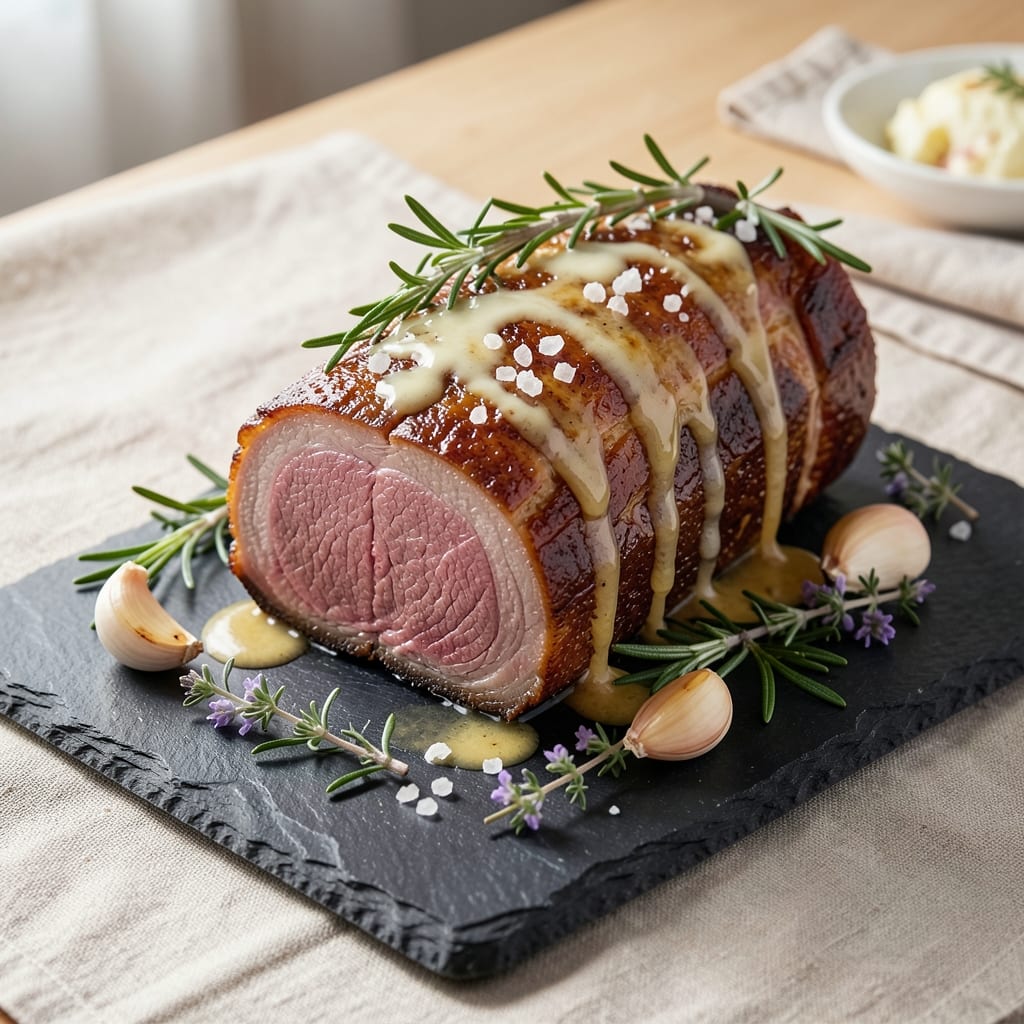
This 5 lb beef tenderloin roast recipe transforms a holiday table into a centerpiece of restaurant-quality perfection. 💛 The secret lies in precise temperature control and a fragrant herb crust that locks in juices while creating a golden, flavorful exterior. After years of perfecting this technique, I can confidently say this is the only beef tenderloin method you'll ever need for gatherings.
What sets this recipe apart is the balance between high heat searing and slow roasting—critical for achieving that signature tender, melt-in-your-mouth texture. We'll guide you through every step: from prepping the herb crust to monitoring internal temperatures with confidence. The result? A roast so juicy and flavorful it becomes the star of your holiday spread.
The magic happens when the beef reaches 130°F internal temperature—rare enough to stay tender but firm enough to slice cleanly. After resting for 15 minutes (never skip this step!), you'll have perfectly sliced portions with a crust that's crisp enough to hold its shape. This isn't just dinner; it's an experience that makes your guests feel like they're dining at a five-star restaurant.
Pair with roasted garlic mashed potatoes and seasonal vegetables for a complete holiday meal. The herb crust adds layers of aromatic flavor that complement any wine pairing, from bold Cabernet Sauvignon to rich Pinot Noir. Let's create a roast that becomes your new holiday tradition.
Ingredients for 5 lb beef tenderloin roast
The perfect holiday centerpiece starts with these premium ingredients for a showstopping 5 lb beef tenderloin roast.
| Ingredient | Amount | Notes |
|---|---|---|
| Beef Tenderloin Roast 🥩 | 5 lb | Center-cut, trimmed of silver skin |
| Unsalted Butter 🧈 | ½ cup | Cold, cubed for crust |
| Fresh Rosemary 🌿 | ¼ cup | Finely chopped, stems removed |
| Fresh Thyme 🌿 | 0.2 cup | Leaves only, stems discarded |
| Fresh Garlic 🧄 | 6 cloves | Minced, not pressed |
| Diamond Crystal Kosher Salt 🧂 | 2 tbsp | For crust and seasoning |
| Fresh Parsley 🌿 | ⅛ cup | Chopped, for garnish |
| Extra-Virgin Olive Oil 🫒 | 2 tbsp | For searing pan |
| Black Peppercorns 🌶️ | 1 ½ tsp | Freshly cracked |
| All-Purpose Flour 🌾 | 1 tbsp | For patting dry |
| Dried Mustard Powder 🌶️ | 1 tsp | For crust depth |
| Fresh Sage 🌿 | 0.1 cup | Chopped, optional |
The beef tenderloin is non-negotiable—center-cut and trimmed is key for tenderness. Whole Foods or your butcher will have the best quality, but check for even marbling. If buying pre-trimmed, pat it dry with paper towels before seasoning. The herb crust relies on fresh rosemary and thyme—skip the dried versions here. I always grab mine from Trader Joe's bulk section, where the herbs stay vibrant longer. For the garlic, peel and mince just before using—never press through a garlic press, as it releases too much moisture and makes the crust soggy.
No fresh rosemary? Substitute with 1 tbsp dried rosemary plus 1 tsp extra olive oil—but trust me, fresh makes all the difference. Running short on butter? Use equal parts olive oil and butter for the crust, though butter gives that signature golden color. The mustard powder adds depth, but if you're out, Dijon mustard at half the amount works in a pinch. For the searing, cast iron is ideal—if you don’t have it, a heavy stainless steel pan works too. And if your roast is larger than 5 lbs, adjust the herb crust proportionally—don’t skimp on the seasoning.
This roast deserves a 24-hour rest in the fridge before cooking—trust the process, it’s worth it. The herb crust can be prepped a day ahead and stored in the fridge, sealed in a container. After roasting, let it rest 15 minutes covered with foil—this is non-negotiable for juicy slices. Leftovers keep 3-4 days in the fridge, but honestly, it’s so good you’ll eat it all the first night. For reheating, low oven (275°F) for 20 minutes keeps it tender, not a microwave in sight.
Why You'll Love This Recipe
- No Fuss Prep: I swear by this—just a quick rub of garlic, thyme, and rosemary, then a butter baste. No brining, no searing drama, just hands-off roasting while you sip wine and pretend you’re a fancy chef.
- Butter-Basted Magic: That crispy skin? Pure satisfaction. The tenderloin stays juicy inside while the butter and herbs caramelize into a golden crust—like a restaurant-quality bite every time.
- Leftovers That Win: Slice it thin for sandwiches, dice it for tacos, or reheat with gravy. Honestly, I’ve eaten this roast for three days straight and never tired of it.
- Big Roast, Small Effort: One pan, one thermometer, done. No fussing over small cuts—this 5 lb beast feeds a crowd but takes less time than ordering takeout. (Yes, even on a Tuesday night.)
Step-by-step instructions for herb-crusted beef tenderloin roast
Here's how to transform your holiday centerpiece into a showstopper with perfect tenderness and golden crust.
👨🍳 Step 1: Prep the Roast for Maximum Flavor
Remove the 5 lb beef tenderloin roast from the refrigerator and pat it completely dry with paper towels—this is non-negotiable for that coveted crust. I like to work in a cool room or even outdoors if possible, as the meat will warm slightly during prep. Place the roast on a cutting board and sprinkle 1 tbsp of the diamond crystal kosher salt all over the surface, pressing it gently into the meat.
Next, create your herb crust by combining the 0.25 cup fresh rosemary, 0.2 cup fresh thyme, 6 cloves fresh garlic (minced), 1.5 tsp black peppercorns (cracked), 1 tsp dried mustard powder, and 1 tbsp all-purpose flour in a small bowl. The mustard powder adds depth that complements the holiday flavors beautifully. Rub this mixture all over the roast, working it into every crevice.
🍳 Step 2: Sear for Deep Flavor and Crispy Crust
Preheat your oven to 450°F for a high-heat start that creates that gorgeous crust. Heat a heavy roasting pan (like a Dutch oven) over medium-high heat until smoking hot. Add the 2 tbsp extra-virgin olive oil and swirl to coat the bottom evenly.
Carefully place the roast in the pan and sear for 3-4 minutes per side until you see deep golden-brown color forming. I press down gently on the roast during the first minute—this prevents it from curling and ensures even contact with the pan. The crust should develop quickly, and you'll smell those herbs releasing their aromatic oils. Remove the pan from heat and let it rest for 2 minutes while you prepare the butter basting mixture.
🥘 Step 3: Create the Herb Butter Basting Mixture
In a small bowl, combine the 0.5 cup unsalted butter (cold, cubed), remaining 1 tbsp diamond crystal kosher salt, and the 0.1 cup fresh sage (if using). The cold butter will help stabilize the temperature as you baste. Spread this mixture evenly over the seared roast, making sure to get it into all those herb pockets you created earlier.
Return the roasting pan to the oven and reduce the temperature to 375°F. This lower temperature ensures even cooking through the center while maintaining that beautiful crust. Here's where the magic happens: baste the roast with its juices every 20 minutes for the first hour. I use a spoon to scoop up the rendered fat and herbs and spread them back over the meat—this creates layers of flavor that make all the difference.
⏰ Step 4: Cook to Perfect Medium-Rare
Continue roasting for a total of 20-25 minutes per pound (about 1 hour 40 minutes to 2 hours 15 minutes total), basting every 20 minutes. The roast is done when an instant-read thermometer inserted into the thickest part reads 125-130°F for medium-rare—this is crucial for holiday dining when you want that perfect balance of tenderness and doneness.
I know it's tempting to check constantly, but resist the urge to open the oven early. Every time you peek, you lose valuable heat and moisture. The roast will continue cooking slightly after removal, so pull it out when it hits 125°F—it'll climb to 130°F while resting. Let it rest for 15-20 minutes before carving, tented loosely with foil. This resting period is where the juices redistribute, ensuring each slice is moist and flavorful.
🍽️ Step 5: Carve and Garnish for Presentation
After resting, transfer the roast to a cutting board and slice it against the grain into 1-inch thick slices. The grain runs lengthwise, so you'll want to cut perpendicular to that direction. Arrange the slices on a platter and garnish with the remaining 0.125 cup fresh parsley, chopped finely. The parsley adds a fresh pop of color that makes your holiday table look even more impressive.
Serve immediately with your favorite sides—roasted vegetables, creamy mashed potatoes, or a rich red wine reduction all pair beautifully. The crust should be deeply golden and aromatic, while the meat inside remains tender with just a hint of pink in the center. Each bite should deliver that perfect combination of herbaceous crust, buttery richness, and melt-in-your-mouth tenderness that makes this roast a holiday tradition.
Pro Tips For Making 5 Lb Beef Tenderloin Roast
- USE A MEAT THERMOMETER: I learned this the hard way—guessing medium-rare on a 5-pound roast is a disaster waiting to happen. Tenderloin hits 130°F for medium-rare, and pulling it before that final 5°F carryover is the only way to avoid overcooking. (Yes, even if you’re impatient like me.)
- TRIM THE FAT SPARINGLY: Tenderloin is already lean, but if your roast has a thin fat cap, leave it—it baste the meat as it renders. That said, don’t go overboard trimming; you’ll dry out the edges faster than you think, especially with a 5-pound cut where the center needs time to warm through.
- SALT THE ROAST 24 HOURS EARLY: This isn’t the prettiest method, but it’s the tastiest. Sprinkle 1–2 teaspoons of kosher salt (yes, that little) all over the roast and let it sit uncovered in the fridge. It seasons deeper than dry-brining and keeps the surface from turning into a salty paste when you sear it later.
- MAKE THE BUTTER BATTER: Melt your unsalted butter with the garlic, rosemary, and thyme, then strain it into a ramekin. Chill it until it’s the consistency of soft whipped cream—this “batter” will stick to the roast like glue when you baste, creating a flavorful crust instead of a sad, melted puddle. (Your future self will thank you.)
Serving suggestions for leftovers
Plating Like a Pro
For a restaurant-worthy presentation, arrange your 1-inch thick slices on a large platter in a diagonal pattern, slightly overlapping at the ends. I like to fan the slices outward from the center—this creates visual movement and makes the herb crust look even more impressive. Use a white ceramic platter (like those from Le Creuset) to let the golden crust pop against the neutral background. 💛
Garnish for Freshness
Sprinkle the remaining 0.125 cup fresh parsley evenly over the slices right before serving—this adds a vibrant green contrast that makes your dish look freshly prepared. For extra flair, add a few rosemary sprigs placed vertically along the edges of the platter. A drizzle of reduced red wine sauce (just 2 tbsp) along the center creates an elegant visual line that ties everything together.
Side Pairings
Roasted garlic mashed potatoes are my go-to side—their creamy texture contrasts perfectly with the tender beef. I make a big batch (about 4 cups) using Yukon Gold potatoes and finish them with 2 tbsp butter and 1 tsp roasted garlic. For vegetables, roasted Brussels sprouts with balsamic glaze shine brightest—their caramelized edges complement the herb crust beautifully.
Wine Pairings
A bold Cabernet Sauvignon from Napa Valley (like Caymus Vineyards) stands up to the rich beef flavors while enhancing the herb notes. For something lighter, a Pinot Noir from Oregon offers red fruit notes that don't overpower the dish. Serve both at 60-65°F—room temperature brings out their best qualities. 🍷
Make-Ahead Garnishes
Prep your garnishes ahead of time to save last-minute stress. Chop the parsley and store it in an airtight container with a damp paper towel in the fridge for up to 3 days. For the rosemary sprigs, trim them to 2-inch lengths and store them in a small jar with water (like a tiny bouquet) in the fridge. The balsamic glaze can be made 2 days ahead and reheated gently before drizzling.
Serving Temperature
Serve your beef tenderloin at room temperature (about 1 hour after carving). This ensures the first bite is warm and tender, not cold. Keep the platter on a warm stone (like those from Le Creuset) set on your serving table to maintain temperature. For a family-style presentation, arrange the platter at the center of the table with serving utensils—this encourages everyone to help themselves to perfectly cooked slices. 💡
Nutrition facts
Frequently asked questions
How do I know when my 5 lb beef tenderloin is fully cooked?
Use a meat thermometer to check the internal temperature at the thickest part—125-130°F for medium-rare is ideal for holiday dining. The roast will continue rising to 130-135°F while resting, so pull it out 5°F before your target. Never rely on time alone, as oven temperatures vary.
Can I cook this roast without an instant-read thermometer?
Yes, but it requires experience. For a 5 lb roast at 375°F, plan for 20-25 minutes per pound (about 1 hour 40 minutes to 2 hours 15 minutes total). The roast should feel firm but still slightly springy when pressed gently with your finger. Cut into the center—the juices should run clear with a pink center for medium-rare.
Why does my beef tenderloin turn out dry?
Overcooking is the #1 cause! Beef tenderloin is a lean cut that dries out quickly if cooked past 135°F. Always let it rest for 15-20 minutes before slicing—this redistributes juices. Also, avoid cutting into it too soon, and never skip the herb butter basting, which helps retain moisture.
How much does this recipe serve?
This 5 lb roast yields about 12 generous servings (4 oz per person). For a holiday crowd of 12, plan for 2-3 sides (like mashed potatoes and roasted veggies) to balance the meal. Leftovers keep well for 3-4 days in the fridge, making it perfect for meal prep.
Can I make the herb crust ahead of time?
Mix all crust ingredients (herbs, garlic, salt, etc.) in a bowl and store in an airtight container in the fridge for up to 24 hours. The butter should be added fresh before roasting to maintain its texture. For the roast itself, let it sit at room temperature for 1 hour before cooking for even doneness.