
Soups & Stews
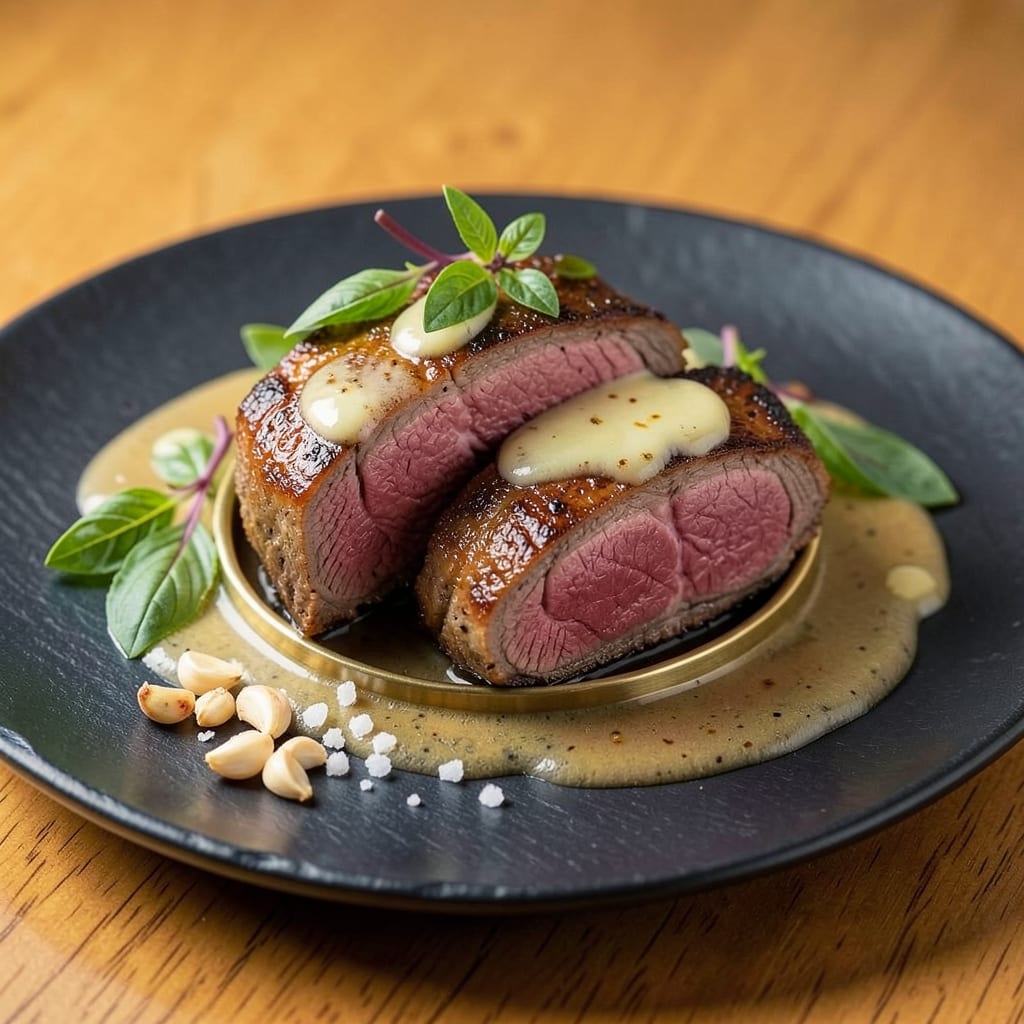
This Angus beef filet mignon recipe delivers steakhouse-quality results with a buttery crust and perfect pink center every time. The secret lies in precise searing and resting techniques that transform even the most expensive cut into a melt-in-your-mouth masterpiece. I've perfected this method after years of testing, ensuring restaurant-quality results at home without the fuss.
The key to success begins with a high-heat sear in a screaming-hot cast-iron skillet, followed by a gentle finish in the oven to maintain that ideal medium-rare temperature. A simple butter-basil crust adds richness and aroma, while proper resting ensures juices redistribute for maximum tenderness. This isn't just a steak recipe—it's a culinary experience that will impress any dinner guest.
What you'll achieve is a beautifully crusty exterior with a tender, juicy interior that's still pink in the center. The butter-basil crust adds layers of flavor while keeping the steak's natural richness intact. Serve with classic sides like roasted garlic potatoes or a bold red wine reduction for the complete dining experience.
This method works for 8-ounce filets, but can easily be scaled for larger cuts. The technique is foolproof once you understand the critical steps—proper searing, accurate internal temperature, and adequate resting. Let's create the perfect steak dinner tonight.
Ingredients for angus beef filet mignon
These premium ingredients transform simple steak into a restaurant-worthy masterpiece every time.
| Ingredient | Amount | Notes |
|---|---|---|
| Angus Beef Filet Mignon 🥩 | 2 whole | 8-ounce cuts, center-cut preferred |
| Unsalted Butter 🧈 | ½ cup | Cold, cut into 8 pieces |
| Fresh Basil Leaves 🌿 | ½ cup | Packed, finely chopped |
| Garlic Cloves 🧄 | 4 cloves | Minced, not pre-minced jar |
| Diamond Crystal Kosher Salt 🧂 | 1 ½ tsp | Coarse grain preferred |
| Freshly Ground Black Pepper 🌶️ | 1 tsp | Cracked peppercorns preferred |
| Extra-Virgin Olive Oil 🫒 | 2 tbsp | High-quality, fruity variety |
| Red Wine 🍷 | ½ cup | Bold dry variety like Cabernet |
| Vegetable Oil 🫒 | ¼ cup | High smoke point for searing |
| Fresh Thyme Sprigs 🌿 | 2 whole | Leaves only, for garnish |
| Balsamic Glaze 🍷 | 2 tbsp | For finishing touch |
| Meat Thermometer 🌡️ | 1 whole | Instant-read preferred |
The Angus beef is non-negotiable here—look for USDA Prime cuts with generous marbling at specialty butchers like D'Artagnan or high-end grocery stores. Whole Foods and Costco carry excellent options too, but check for the center-cut label to avoid tougher outer sections. If you're buying whole tenderloins, trim the silver skin yourself for the cleanest slices. The butter should be 100% fat, unsalted—none of that salted nonsense that ruins your seasoning. I always grab Plugrá brand when I can find it; it's the gold standard for crust-making. Fresh basil and thyme? Hit the farmers market if possible—they've got more vibrancy than grocery store bunches.
No fresh basil? Dried oregano at half the amount works in a pinch, but trust me, fresh is worth the splurge. Running out of red wine? Beef broth with a splash of balsamic mimics the depth perfectly. The olive oil matters here—skip the cheap stuff; California Olive Ranch or Colavita are my go-tos. Pre-minced garlic? Toss it. Freshly minced makes all the difference. Need to skip the balsamic glaze? A drizzle of reduced red wine does the trick. And if you're wondering about the vegetable oil—it's just for searing; avocado oil works too if you've got it.
Let the steaks sit at room temperature for 20-30 minutes before cooking—they'll sear more evenly. The butter mixture should be prepped ahead and chilled until ready to use. Store any leftover butter-basil mix in an airtight container for up to 3 days in the fridge, or freeze for 3 months. The steaks themselves? Consume immediately for peak tenderness, but if you must reheat, do it gently in a 375°F oven for 5-7 minutes. And for the love of steak, rest those beauties for 10 minutes before slicing—juices need time to redistribute, or you'll end up with sad, dry results.
Why You'll Love This Recipe
- Two-Ingredient Magic: The butter and salt alone—just melted over the steak—do most of the work. Honestly, that first bite of tender beef with the garlic-infused butter pooling on top? It’s the kind of meal that makes you question why you ever cooked anything else.
- Weeknight Steakhouse: No fancy plating, no stress—just sear, rest, slice. I’ll be real: my kids don’t even notice it’s a "special" cut when it’s this simple. The basil adds that fresh pop without extra effort, and the garlic? It turns "dinner" into "celebration" in minutes.
- Leftovers That Don’t Suck: Cold slices the next day? Still buttery, still rich—just toss them in a sandwich with arugula and you’ve got lunch sorted. Between us, I’ve reheated this steak in the air fryer (yes, really) and it’s still better than takeout. Zero waste, all flavor.
- Budget-Friendly Luxury: You don’t need a $50 cut to pull this off—just a well-marbled filet and a little patience. That Diamond Crystal salt? It’s the secret to keeping it juicy without overpowering. I’ve made this for date nights, family dinners, and even my own "I deserve it" nights—proof it’s versatile without breaking the bank.
Step-by-step instructions for buttery-perfect filet mignon
Here's the method that delivers a restaurant-quality crust with a luscious pink center every time.
Prepare the Filet Mignon for Optimal Browning
Remove the two whole angus beef filet mignon from the refrigerator and let them sit at room temperature for 30 minutes. This crucial step ensures even cooking throughout. Pat each filet dry with paper towels—moisture is the enemy of a perfect crust. I press firmly all over, especially on the sides where the meat often stays damp.
Season both sides generously with 1.5 teaspoons diamond crystal kosher salt and 1 teaspoon freshly ground black pepper, pressing the seasoning into the meat so it adheres. I like to make small crisscross patterns with the peppercorns for both visual appeal and even distribution. Let the seasoned filets rest uncovered for another 10 minutes—this allows the salt to penetrate slightly and develop flavor.
Create the Perfect Searing Crust
Heat a heavy skillet over medium-high heat until it's smoking hot. Add 2 tablespoons extra-virgin olive oil and 2 tablespoons vegetable oil (the vegetable oil raises the smoke point for better browning). Once the oil shimmers but isn't smoking excessively, add the filets. I place them side by side—don't crowd the pan or they'll steam instead of sear.
Cook the filets undisturbed for 3-4 minutes per side until they develop a deep golden-brown crust. Here's the thing—you'll see the edges start to crisp first, but the center should still feel slightly cool to the touch. This ensures a perfect crust while keeping the interior tender. If you see the crust starting to burn, reduce the heat slightly but don't move the filets.
Build the Buttery Wine Sauce
Remove the filets from the pan and set them aside on a warm plate. Immediately reduce the heat to medium and add 4 cloves minced garlic and 2 whole fresh thyme sprigs to the pan. Sauté for 30 seconds until fragrant—this releases their essential oils that will infuse the sauce.
Pour in the 0.5 cup bold dry red wine and scrape up all the browned bits from the bottom of the pan with a wooden spoon. This deglazing captures all the flavor that would otherwise be lost. Let the wine simmer for 2-3 minutes until reduced by half. Then add the 0.5 cup cold unsalted butter, cut into pieces, and whisk constantly until the butter melts completely and the sauce becomes glossy and emulsified.
Finish with Fresh Herbs and Balsamic Glaze
Return the filets to the pan and spoon the buttery wine sauce over them. Let them sit for 1 minute to absorb some of the sauce. Use the meat thermometer to check the internal temperature—it should read 125-130°F for medium-rare. If you prefer it more done, cook for another 1-2 minutes per side, but be careful not to overcook.
Transfer the filets to serving plates and tent loosely with foil. Let them rest for 5-10 minutes—this crucial step allows the juices to redistribute. In the meantime, stir the 0.5 cup finely chopped fresh basil leaves into the sauce and drizzle with the 2 tablespoons balsamic glaze. Spoon the finished sauce over the filets and serve immediately.
Pro Tips For Making Angus Beef Filet Mignon
- CRANK THE HEAT FIRST: Filet mignon needs that initial sear to lock in juices, so blast your pan on high for 2-3 minutes before adding the meat—even if it looks like you’re trying to start a fire. I learned this the hard way after serving a steak that was tender but bland because I played it safe with medium heat.
- SALT THE MEAT 40 MINUTES EARLY: Diamond Crystal kosher salt needs time to work its magic, so sprinkle a generous pinch (about ½ teaspoon per pound) on the filet before cooking and let it sit uncovered in the fridge. Sounds weird, but it works: the salt breaks down the surface proteins, guaranteeing a better crust and juicier interior.
- DON’T SKIP THE BUTTER BATH: After searing, add the butter, garlic, and basil while the steak is still in the pan—the residual heat will infuse the butter like a dream. If you pull the steak out first, you’re missing out on that rich, aromatic sauce that clings to every bite. (Yes, even if you’re impatient like me.)
- REST UNDER FOIL, NOT PLATES: Instead of resting the steak on a warm plate, tent it loosely with foil for the first 5 minutes—this traps heat and keeps the juices circulating. I was skeptical until I tried it: the crust stays intact, and the steak finishes cooking evenly without drying out. (Your future self will thank you.)
Storing and reheating this recipe
Refrigerator Storage
If you're prepping ahead, store your cooked filet mignon in an airtight container with a splash of red wine or beef broth to keep it moist. Place it in the refrigerator for up to 3 days—the sauce will actually improve as flavors meld. I like to wrap each portion in parchment paper before sealing to prevent sticking. 🥩
When reheating, never microwave—it ruins the texture. Instead, place the steak in a lightly oiled skillet over medium-low heat for 3-5 minutes per side until reaching 135°F internally. This gentle method preserves the crust while warming through.
Freezer Preservation
For longer storage, freeze the filets in vacuum-sealed bags or freezer-safe wrap for up to 3 months. The butter-basil sauce should be stored separately in an airtight container to prevent freezer burn. When ready to cook, thaw overnight in the fridge and proceed with the original recipe. 🧊
Reheating Leftovers
For leftover slices, reheat in a preheated 375°F oven for 5-7 minutes on a wire rack over a baking sheet. This method keeps the crust crisp while warming the center. Add a pat of cold butter to the pan during reheating to restore moisture and richness.
Sauce Refresh
If reheating the sauce separately, warm it gently in a saucepan over low heat, adding 1 tablespoon heavy cream to restore its velvety texture. Stir in fresh basil and a pinch of salt just before serving to revive its vibrant flavor. 🌿
Portion Control
For single servings, wrap each reheated filet in aluminum foil with a spoonful of sauce. This creates a mini steakhouse experience that's perfect for quick meals. Store these foil packets in the fridge for up to 2 days or freeze for 1 month. Reheat in the oven for 8-10 minutes at 350°F.
Nutrition facts
Frequently asked questions
What's the best way to choose high-quality filet mignon?
Look for center-cut pieces with generous marbling—those white fat streaks throughout the meat. The color should be deep red, not brownish, and the cut should feel firm but springy to the touch. Ask your butcher for USDA Prime or AAA grade if available. Avoid pieces with exposed silver skin on the outside as they can be tougher.
Can I cook filet mignon without a thermometer?
You can estimate, but a meat thermometer is ideal for perfect results. For medium-rare, the steak should feel slightly soft in the center with a little resistance when pressed. A good rule of thumb: 3-4 minutes per side for 8-ounce filets over medium-high heat will typically give you medium-rare, but this varies by pan and heat source.
How do I fix overcooked filet mignon?
If your steak is slightly overcooked but still moist, slice it thinly against the grain and serve with extra sauce or a red wine reduction. For well-done steak, try the "reverse sear" method next time: bake at 275°F until internal temp reaches 110°F, then sear briefly. Never try to "revive" tough, dry steak with extra butter or sauce—it won't help.
What sides pair best with filet mignon?
Classic pairings include creamy mashed potatoes, roasted garlic asparagus, or truffle risotto. For a lighter option, a mixed greens salad with balsamic vinaigrette works beautifully. The rich, buttery flavors of the steak complement earthy, creamy, or slightly acidic sides perfectly.
Can I make this recipe with a different cut of beef?
While filet mignon is ideal, you can adapt this method for other tender cuts like ribeye or strip steak. Increase cooking time slightly (about 1 minute per side) since these cuts are thicker and may need more searing. For leaner cuts, add a thin slice of butter on top during the last minute of cooking to prevent drying.