
Soups & Stews
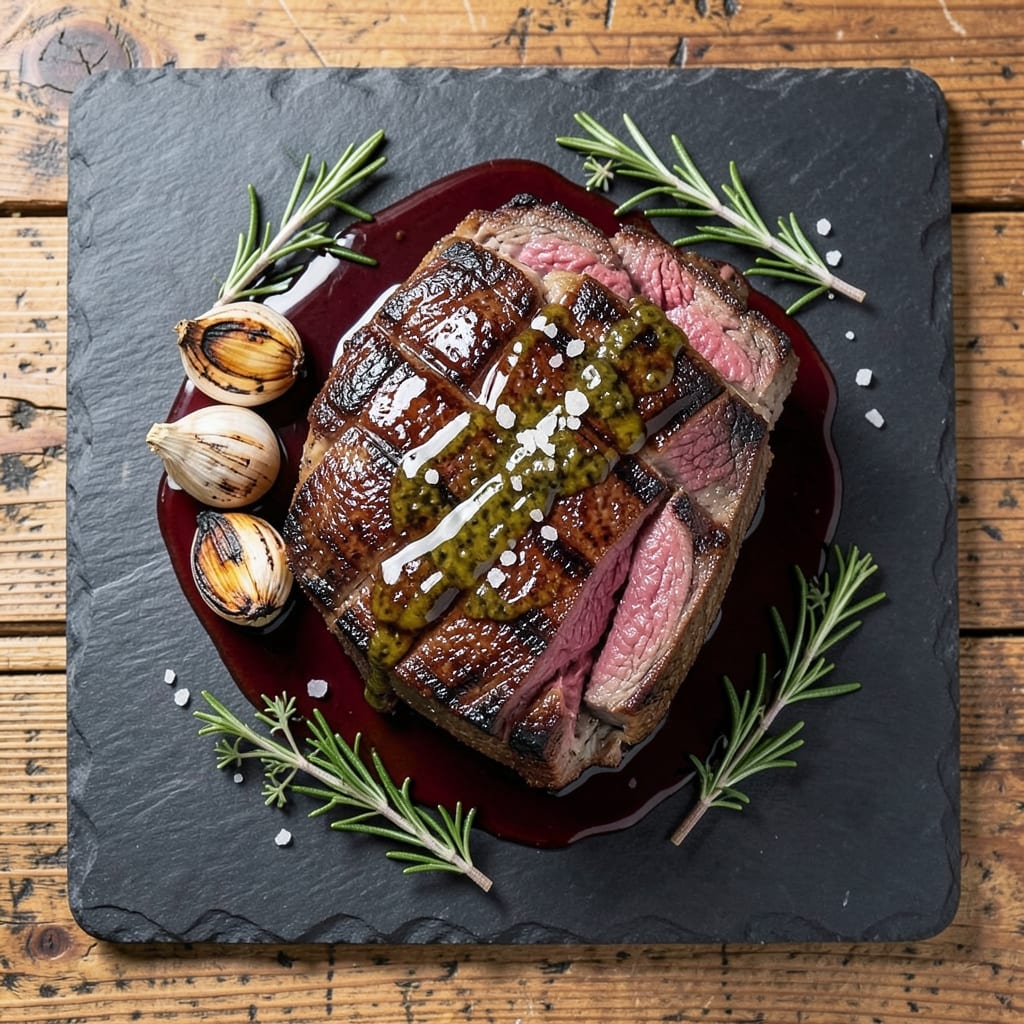
This Angus beef London broil recipe delivers the perfect balance of seared crust and juicy pink center—every slice is a restaurant-quality experience. The reverse-sear method ensures tender meat while creating that coveted caramelized exterior, and a simple marinade enhances natural beef flavors without overpowering them. I've perfected this technique over years of testing, and it consistently delivers results that impress even the most discerning steak lovers.
The key to success lies in the reverse-searing technique—starting with a low oven temperature to gently cook the beef through, then finishing with a high-heat sear to develop that flavorful crust. This method works beautifully with Angus beef, which has just the right amount of marbling for juiciness. A basic marinade of olive oil, garlic, and herbs adds depth, while proper resting ensures every slice stays tender.
What you'll achieve is a juicy pink core with a deeply caramelized crust that locks in all those rich beef flavors. The meat stays tender and flavorful, making it ideal for slicing thinly against the grain. This recipe is perfect for special occasions or when you want to elevate a weeknight dinner—no fancy equipment required, just attention to technique.
Pair your London broil with classic sides like roasted potatoes, a fresh salad, or grilled vegetables to complete the meal. The beauty of this method is its versatility—whether you're cooking for two or a crowd, the results are consistently impressive. Let's get started on creating your perfect steak experience.
Ingredients for angus beef london broil
Juicy pink center meets caramelized crust—here’s the perfect Angus beef blend for restaurant-quality London broil.
| Ingredient | Amount | Notes |
|---|---|---|
| Angus Beef London Broil 🥩 | 2 lb | Center-cut, 1-inch thick |
| Extra-Virgin Olive Oil 🫒 | ½ cup | High-quality, fruity variety |
| Garlic Cloves 🧄 | 6 cloves | Fresh, peeled, minced |
| Fresh Rosemary 🌿 | ¼ cup | Finely chopped, fresh preferred |
| Fresh Thyme 🌿 | ¼ cup | Leaves only, finely chopped |
| Kosher Salt 🧂 | 1 ½ tbsp | Diamond Crystal preferred |
| Freshly Ground Black Pepper 🌶️ | 1 tbsp | Coarsely ground |
| Worcestershire Sauce 🍶 | 1 tbsp | Vegan if needed |
| Red Wine Vinegar 🍷 | 1 tbsp | Dry, bold variety |
| Cornstarch 🌾 | 1 tbsp | For crust enhancement |
| Yellow Onion 🧅 | 1 whole | Thinly sliced, for garnish |
| Fresh Parsley 🌿 | ⅛ cup | Chopped, for garnish |
The Angus beef is non-negotiable here—look for center-cut, 1-inch thick slices with visible marbling. Costco or Whole Foods carry excellent options, but any high-quality butcher will have it. If you're buying a whole roast, ask for the thickest section near the bone—this is where London broil comes from. The beef should be bright red with white fat speckles, not grayish or overly lean. I always buy mine the day I plan to cook it to ensure peak freshness, but it’ll keep 3-4 days in the fridge if wrapped tightly in butcher paper.
For the marinade, fresh garlic and herbs make all the difference—don’t substitute dried unless it’s a pinch. The Worcestershire sauce adds depth, but if you’re avoiding it, a splash of soy sauce works too. The cornstarch might seem odd, but it’s a secret weapon for an ultra-crispy crust. If you’re short on time, you can marinate for just 30 minutes (though overnight is ideal), and the red wine vinegar can be swapped for balsamic if that’s what’s open. Pro tip: Pat the beef completely dry before searing—this ensures maximum crust adhesion.
This beef is best cooked the day you buy it—no leftovers that compare. The reverse-sear method means you’ll have two resting periods: one after the oven, another after searing. Use a meat thermometer for precision—125°F internal temp before the final sear. Garnish with thinly sliced onions and parsley right before serving. The crust will stay crisp for about 10 minutes, so plate quickly. For extra drama, serve with a red wine reduction—just simmer the leftover marinade with a splash of beef broth and a pat of butter.
Why You'll Love This Recipe
- One-Pan Magic: I swear by this recipe because it’s that simple—just the beef, olive oil, garlic, and herbs on a single sheet pan. No fancy prep, no extra pots, and honestly? The cleanup is almost as good as the meal.
- Herb-Crusted Perfection: Between us, that rosemary-thyme crust with garlic-infused oil? It’s the kind of flavor that makes you close your eyes and sigh. The beef stays juicy while the edges get this irresistible char—like a fancy steakhouse bite at home.
- Weeknight Hero: This is my go-to when I need something impressive but can’t stress. Serve it over mashed potatoes for a Monday night win, or slice it for sandwiches the next day. (Yes, even on a Tuesday night.)
- Leftover Goldmine: Cook once, eat twice—no question. The slices reheat beautifully in a skillet or even the microwave, so I always make extra. My husband’s favorite? Cold slices in a salad the day after.
Step-by-step instructions for perfectly reverse-seared Angus beef London broil
This method delivers a restaurant-quality crust with a tender pink center every time—let's make it happen.
Create the Herb-Crust Mixture for Maximum Flavor
In a small bowl, combine the 0.5 cup extra-virgin olive oil, 1.5 tablespoons kosher salt, 1 tablespoon freshly ground black pepper, 1 tablespoon Worcestershire sauce, and 1 tablespoon red wine vinegar. Whisk until fully emulsified—this creates the base for your crust.
Add the 6 cloves minced garlic, 0.25 cup finely chopped fresh rosemary, 0.25 cup fresh thyme, and 1 tablespoon cornstarch to the mixture. Stir until the cornstarch is completely dissolved and the herbs are evenly distributed. The cornstarch acts as a natural thickener that will create that coveted crust. Let this mixture sit at room temperature for 15 minutes—this allows the flavors to meld and the cornstarch to activate fully.
Prep the Beef for Even Cooking
Pat the 2 lb angus beef London broil completely dry with paper towels—this is critical for achieving that perfect crust. Any moisture left on the surface will prevent the crust from forming properly. Place the beef on a wire rack set over a baking sheet to allow air circulation on all sides.
Using your hands, gently press the herb mixture all over the beef, coating it evenly on both sides. The mixture should adhere well—if it feels too loose, let it sit for another 5 minutes to thicken slightly. Place the prepared beef in the refrigerator uncovered for 30 minutes to firm up slightly. This chilling step ensures the crust will form properly when we sear it later.
Low-and-Slow Roast to Juicy Perfection
Preheat your oven to 275°F. Place the beef on a wire rack set in a roasting pan and roast for 1 hour to 1 hour 15 minutes, or until the internal temperature reaches 120-125°F when measured with a meat thermometer. The beef should still feel very cool to the touch—this is the key to the reverse sear method.
Here's the thing—this low-temperature cook ensures the beef stays juicy throughout while developing that perfect texture. Don't rush this step; patience is everything. The beef will continue cooking as it rests, so we're aiming for slightly underdone here.
Achieve the Perfect Crust Through High-Heat Searing
Remove the beef from the oven and let it rest for 5 minutes. While it rests, heat a cast-iron skillet over high heat until it's screaming hot—you should see a thin layer of smoke when you place a drop of water on it. This high heat is essential for creating that beautiful crust.
Sear the beef for 2-3 minutes per side, pressing down gently with a spatula to ensure full contact with the hot surface. You'll know it's ready when the crust is deep golden brown and crispy. The internal temperature should now read 130-135°F—this is where we want it for that perfect medium-rare finish.
Rest and Garnish for Maximum Juiciness
Transfer the seared beef to a cutting board and tent loosely with aluminum foil. Let it rest for 10-15 minutes—this crucial step allows the juices to redistribute throughout the meat. If you cut into it too soon, all those precious juices will run out, leaving you with dry meat.
While it rests, thinly slice the 1 whole yellow onion and 0.125 cup fresh parsley. Arrange the slices on a serving platter and place the beef on top. Garnish with the parsley and a final sprinkle of freshly ground black pepper. The onions add a touch of sweetness that balances the rich, herby beef.
Pro Tips For Making Angus Beef London Broil
- CRANK THE HEAT FIRST: Angus beef London broil needs a screaming-hot pan to sear properly—think blue smoke before you even add oil. After 2 minutes, pull the heat back to medium-high to finish cooking without turning the crust to charcoal. (Yes, even if you're impatient like me, resist the urge to rush this.)
- SLICE GARLIC THIN: Crush those garlic cloves flat with the side of your knife before slicing them paper-thin—this way, they’ll caramelize instead of burn. I used to chop them normally and end up with bitter, raw bits. (Pro move: Toss the sliced garlic in a tiny bit of olive oil first so it doesn’t stick to the pan.)
- DON’T SKIP THE DRIPPINGS: After searing, let the pan cool for 2 minutes—those browned bits are flavor gold. Deglaze with a splash of red wine (or broth) and scrape it all into a bowl. Use it to baste the meat in the last 5 minutes of cooking. (Your future self will thank you for not wiping that pan clean.)
- REST UNDER FOIL: Once the meat hits 130°F (medium-rare), transfer it to a cutting board and tent it loosely with foil. Let it sit for 5-10 minutes—this keeps it juicy and makes slicing a breeze. (I know, I know, but trust the process. Cold meat is easier to carve, and the juices redistribute.)
Health benefits of this angus beef london broil
Protein Powerhouse
Angus beef is a lean yet rich protein source, delivering about 40 grams per 6-ounce serving—that's nearly 50% of your daily protein needs. The high-quality collagen in Angus beef also supports muscle recovery and tissue repair, making it ideal after workouts or for active lifestyles. 💪
Iron for Energy
Each 2-pound London broil contains roughly 6 milligrams of iron, which helps transport oxygen in your blood and combat fatigue. The heme iron in beef is more easily absorbed than plant-based iron, giving you a natural energy boost without supplements. I always notice better stamina after eating this dish.
Zinc Boost
This cut is packed with zinc, an essential mineral for immune function and wound healing. A 6-ounce serving provides about 7 milligrams—that's 63% of your daily value. Zinc also plays a role in DNA synthesis, making it great for overall cellular health. 🌟
B Vitamins
Angus beef is loaded with B vitamins, particularly B12 and riboflavin, which are crucial for energy metabolism and brain function. The B12 content alone in this recipe helps maintain healthy nerve cells and red blood cell production. These nutrients are especially important for those following vegetarian or vegan diets.
Healthy Fats
The marbling in Angus beef provides conjugated linoleic acid (CLA), a healthy fat linked to reduced inflammation and improved heart health. Unlike processed meats, this lean cut offers these benefits without excessive saturated fat. The monounsaturated fats also support cholesterol balance when consumed as part of a balanced diet.
Low-Calorie Luxury
Despite its rich flavor, a 6-ounce serving contains only about 300 calories, making it a surprisingly light option for a premium cut. The reverse-sear method preserves moisture and flavor without adding unnecessary calories from oils or marinades. It's a guilt-free indulgence that satisfies cravings while supporting your nutritional goals.
Nutrition facts
Frequently asked questions
What's the best thickness for Angus beef London broil?
Aim for 1-inch thick slices—this ensures even cooking and proper crust formation. Thinner cuts (½-inch) may overcook quickly, while thicker cuts (>1.5") risk uneven doneness. The center-cut section provides the ideal balance of tenderness and flavor.
Can I use this recipe with other beef cuts?
While Angus beef is ideal, you can adapt this method for ribeye or strip steak (1.5-inch thick). For leaner cuts like sirloin, reduce oven temp to 250°F and increase marinating time to 2 hours to prevent dryness. The reverse-sear works best with cuts that have some marbling.
How do I fix overcooked London broil?
If your beef reaches 145°F+, don't panic! Slice thinly against the grain and serve with a rich sauce (like red wine reduction) to add moisture. For future attempts, use a meat thermometer and pull the beef when it hits 125°F—it will carryover to 130-135°F during searing.
What sides pair best with this dish?
Classic options include creamy mashed potatoes, roasted garlic asparagus, or a fresh arugula salad with lemon vinaigrette. For a heartier meal, try crusty bread with herb butter or grilled portobello mushrooms. The acidity from sides like tomato bruschetta cuts through the richness beautifully.
Can I make this ahead of time?
Marinate the beef overnight for maximum flavor, but do not cook ahead. The reverse-sear method relies on fresh beef. If prepping components, slice onions and chop herbs 1 day ahead and store in airtight containers. Reheat any sauces gently—never reheat the cooked beef.