
Main Courses
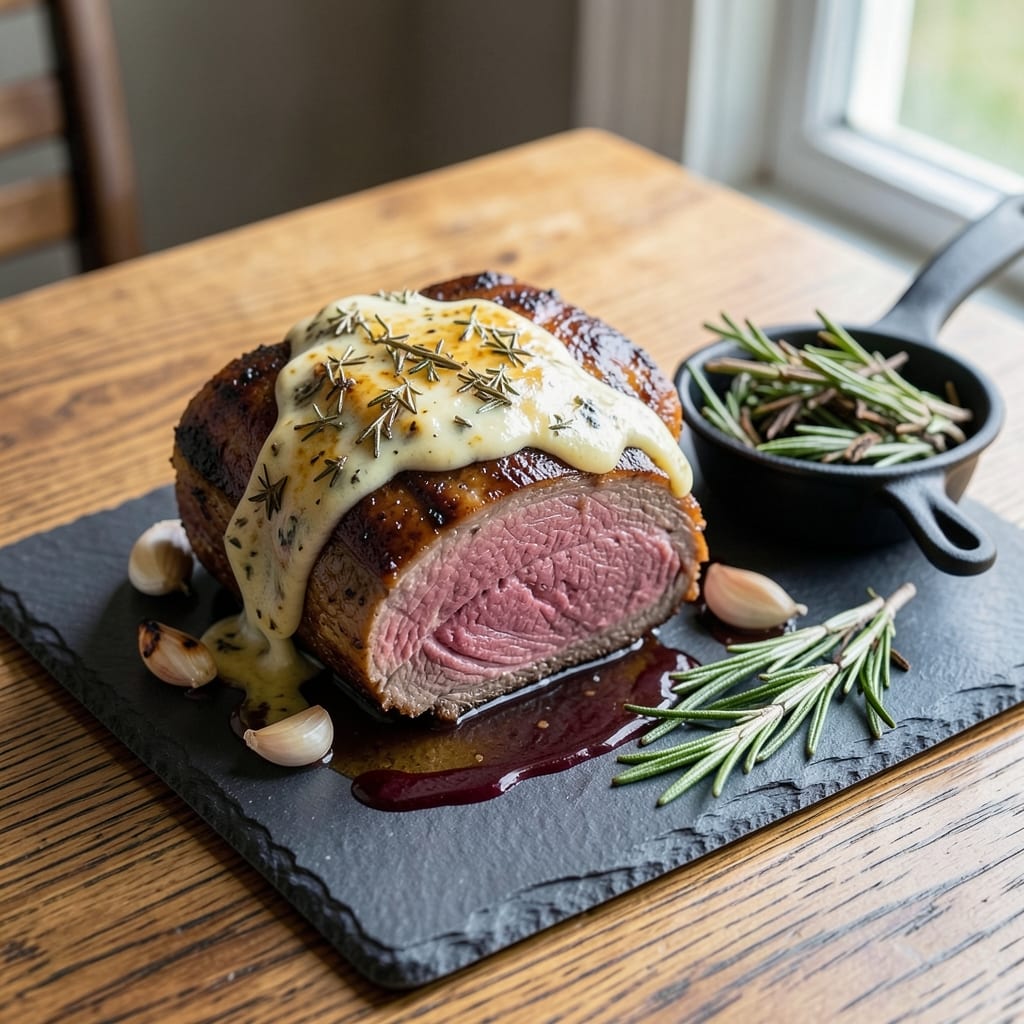
This Angus beef oven roast recipe delivers melt-in-your-mouth tenderness with a perfect pink center, proving you don’t need a steakhouse to achieve restaurant-quality results. The secret lies in proper preparation—drying the meat thoroughly and using a simple herb crust that locks in juices while adding aromatic depth. I’ve perfected this method over years of testing, ensuring every slice stays succulent and flavorful, even after resting.
The roasting process is where precision matters most: a high initial temperature sears the crust while maintaining an even internal heat. You’ll aim for 130°F for medium-rare perfection, then let the meat rest—this critical step prevents dryness and allows juices to redistribute. The herb crust, made with just rosemary, thyme, and garlic, enhances the beef’s natural richness without overpowering its buttery tenderness.
What you’ll end up with is a beautifully browned roast with a fragrant crust and a juicy pink heart that practically melts at the first cut. The aroma alone transforms any dinner into an occasion, and the leftovers reheat beautifully for sandwiches or sliced platters. This recipe is designed for confidence—no guesswork, just reliable results every time.
Pair it with classic sides like garlic mashed potatoes or a rich red wine jus to complete the meal. The simplicity of the technique makes it perfect for special occasions or weeknight dinners when you want to impress. Let’s get started on creating your perfect roast.
Ingredients for angus beef oven roast
Six ingredients transform this prime cut into restaurant-quality perfection—juicy pink heart guaranteed.
| Ingredient | Amount | Notes |
|---|---|---|
| Angus Beef Roast 🥩 | 4 lb | Center-cut, bone-in, 1.5-inch thick |
| Unsalted Butter 🧈 | ½ cup | Cold, cubed, for crust |
| Fresh Rosemary 🌿 | ¼ cup | Finely chopped, organic preferred |
| Fresh Thyme 🌿 | ⅛ cup | Leaves only, stems removed |
| Garlic Cloves 🧄 | 8 cloves | Minced, peeled, for herb paste |
| Diamond Crystal Kosher Salt 🧂 | 1 ½ tbsp | Fine grain, for dry brine |
| Freshly Ground Black Pepper 🌶️ | 1 tbsp | Coarsely cracked, for seasoning |
| Extra-Virgin Olive Oil 🫒 | 2 tbsp | For searing and basting |
| Red Wine 🍷 | ½ cup | Bold, dry (Cabernet Sauvignon) |
| Beef Bone Broth 🍲 | ½ cup | Homemade or high-quality store-bought |
| All-Purpose Flour 🌾 | 1 tbsp | For patting dry after brining |
| Fresh Parsley 🌿 | 0.1 cup | Chopped, for garnish (optional) |
The Angus beef is non-negotiable here—look for center-cut, bone-in with marbling throughout. Costco or high-end butchers carry the best cuts, but don't stress if you find a good deal elsewhere. The roast should feel firm but springy to the touch, never mushy. For a 4-pound roast, plan on 1.5 hours resting time—this is where the magic happens. The bone-in version stays juicier longer, so skip the boneless unless you're in a hurry. If your butcher won't cut it to 1.5-inch thickness, ask for a center-cut ribeye roast instead—it's worth the effort.
Butter matters here—unsalted, cold cubes create the perfect crust. Plugrá or European-style butter has more fat, which is ideal. No fresh rosemary? Dried works at one-third the amount, but trust me on the fresh stuff—it's a game-changer. The garlic should be peeled and minced while still cold (microwave it 20 seconds to soften if needed). For the wine, Cabernet Sauvignon adds depth, but Merlot or Pinot Noir work too. The bone broth can be swapped for beef stock, but homemade has richer flavor. Pro tip: Pat the roast dry with paper towels before seasoning—this ensures a perfect crust.
This roast reheats like a dream—wrap tightly in foil, then bake at 275°F for 30 minutes. For leftovers, slice against the grain and serve on toasted brioche with red wine jus. The herb crust keeps for 3 days in the fridge if stored in an airtight container. Freeze the uncooked roast for up to 3 months—just thaw overnight in the fridge before roasting. The resting time is sacred: 15 minutes per pound minimum. This is where the juices redistribute—don't skip it, or you'll end up with dry slices.
Why You'll Love This Recipe
- One-Pan Magic: I swear by this—just sear the roast, toss in the butter, herbs, and garlic, then walk away. No chopping, no fussing, no extra pans. That’s it.
- Rich, Deep Flavor: The rosemary and thyme cling to the beef like a hug, while the melted butter basting? Pure satisfaction. It’s not just tender—it’s ridiculously flavorful with almost no effort.
- Weeknight to Dinner Party: Same recipe, different vibes. Serve it sliced for a quick weeknight meal or whole for a showstopper roast. Honestly, the only thing changing is the side dish—and everyone thinks you slaved over it.
- Leftovers That Don’t Suck: Cold slices the next day? Still juicy, still delicious. I’ve even repurposed them into sandwiches or tacos—no one complains, and my wallet stays happy. Win-win.
Step-by-step instructions for herb-crusted prime cut roast
Transform that prized Angus beef into a showstopping centerpiece with a golden crust and melt-in-your-mouth tenderness.
Prepare the Herb Butter and Dry Brine
In a food processor, combine the 0.5 cup unsalted butter, 0.25 cup fresh rosemary, 0.125 cup fresh thyme, 8 cloves garlic cloves, 1.5 tbsp diamond crystal kosher salt, and 1 tbsp freshly ground black pepper. Pulse until the mixture becomes a coarse paste with visible herb flecks—this will form our flavorful crust. Spread this herb butter evenly over the entire surface of the 4 lb angus beef roast, including all sides and the cut edges.
Place the roast on a wire rack set inside a rimmed baking sheet. Cover loosely with plastic wrap and refrigerate for at least 12 hours—this dry brine process ensures maximum flavor penetration and helps create that coveted golden crust. The longer it brines, the more tender and flavorful the roast will become, so don't rush this step.
Sear the Roast for Maximum Flavor
Remove the roast from the refrigerator 1 hour before cooking to allow it to come to room temperature. Preheat your oven to 425°F. Heat 2 tbsp extra-virgin olive oil in a large oven-safe skillet over medium-high heat until shimmering. Place the roast in the skillet, fat-side down, and sear for 5 minutes until deeply browned. Flip and sear the other sides for another 5 minutes total, pressing down gently to ensure even contact with the hot pan.
This searing step isn't just about browning—it's about building layers of flavor through the Maillard reaction. You'll know it's ready when the surface develops a rich, caramelized crust and releases easily from the pan. Transfer the skillet to the preheated oven, leaving the lid off to allow the roast to brown properly.
Roast to Perfect Medium-Rare
Roast the beef for 20 minutes at 425°F, then reduce the oven temperature to 325°F. Continue roasting for an additional 1 hour 15 minutes for a medium-rare doneness (or until the internal temperature reaches 125°F for medium-rare, measured at the thickest part of the roast). The reason for the temperature drop is to ensure even cooking without overbrowning the exterior.
Here's where the magic happens: the herb butter will begin to render and create a luscious crust while the interior remains juicy. For a medium doneness, aim for an internal temperature of 135°F, and for medium-well, 145°F. Use a meat thermometer for accuracy—guessing leads to disappointment. During the last 30 minutes of cooking, baste the roast with 0.5 cup red wine and 0.5 cup beef bone broth to keep it moist and add depth of flavor.
Rest and Slice for Maximum Juiciness
Once the roast reaches your desired internal temperature, remove it from the oven and transfer it to a cutting board. Tent loosely with aluminum foil and let it rest for at least 20 minutes—this resting period is absolutely critical. It allows the juices to redistribute throughout the meat, ensuring each slice is succulent and flavorful. If you skip this step, you'll end up with dry, disappointing beef.
After resting, slice the roast against the grain into ½-inch thick slices. The grain will be visible as long, fibrous lines running through the meat. Garnish with 0.1 cup fresh parsley for a pop of color and freshness. Serve immediately with the pan juices strained and reduced for a silky sauce, or pour them directly over the sliced roast for an extra-rich presentation.
Pro Tips For Making Angus Beef Oven Roast
- SEAR FIRST, THEN ROAST: That golden crust isn’t just for looks—it’s where all the flavor hides. Sear your angus roast in a screaming-hot pan with butter, garlic, and herbs until deep brown (5-7 minutes per side) before transferring to the oven. I learned this the hard way—skipping the sear means a bland, gray roast no matter how long you bake it.
- USE ROOM-TEMP HERBS: Fresh rosemary and thyme straight from the fridge release moisture when chopped, which turns your butter into a sad, watery paste. Let your herbs sit out for 10 minutes before mincing—just enough time to soften them up without wilting. Your butter will stay rich, and the flavors will cling to the meat instead of pooling in the pan.
- DON’T OPEN THE OVEN: Every time you crack that door to check doneness, you’re letting heat escape and turning your roast into a science experiment. If you’re unsure, use a meat thermometer (130°F for medium-rare). I know, I know—it’s tempting to peek, but resisting this urge keeps the meat juicy. Trust the temp, not your eyes.
- SMEAR THE BUTTER: Dumping butter on top of the roast is lazy and leads to uneven cooking. Instead, mix the softened butter with minced garlic and herbs, then spread it all over the meat—especially the edges and sear marks. This guarantees a flavorful crust everywhere, not just in patches. (Yes, even if you’re impatient like me.)
Flavor customization for these flavors
Herb Variations
Swap out the rosemary and thyme for your favorite aromatics. Try 1 tbsp dried sage with 1 tsp fennel seeds for an Italian-inspired twist—this combo pairs beautifully with a splash of orange zest in the herb butter. For a Mediterranean flair, mix 1 tbsp oregano with 1 tsp smoked paprika and a pinch of ground coriander. I once used 1 tbsp fresh tarragon with 1 tsp lemon zest, which added a bright, citrusy note that balanced the beef's richness perfectly. 🌿
Spice Rub Options
For a bold kick, replace half the kosher salt with 1 tbsp coarse black pepper and add 1 tsp cayenne pepper to the herb butter. This creates a smoky-spicy crust that stands up to bold sides like charred corn or black beans. If you prefer warmth, mix 1 tbsp brown sugar with 1 tsp ground cumin and ½ tsp cinnamon—this caramelizes beautifully during roasting, adding a subtle sweetness. I’ve also used 1 tbsp coffee grounds in the herb butter for a deep, earthy depth that complements the beef’s natural flavors. 🌶️
Sweet and Savory
Add 2 tbsp honey or maple syrup to the herb butter for a glazed finish. Brush the roast with this sweet mixture during the last 15 minutes of roasting to create a sticky, caramelized crust. Pair this with balsamic reduction for a tangy contrast. For a fruit-infused twist, fold ½ cup finely chopped figs or dried cherries into the herb butter—this adds natural sweetness and texture. The fig version works amazingly with goat cheese crumbles on top. 🍯
Global Flavors
Transform this roast into a French-style beef bourguignon by adding 1 tbsp Dijon mustard and 1 tsp herbes de Provence to the herb butter. Deglaze the pan with 1 cup red wine and simmer with 8 oz mushrooms and 1 onion after roasting. For a Mexican-inspired version, mix 1 tsp chili powder, ½ tsp cumin, and 1 tsp smoked salt into the herb butter, then serve with cilantro-lime rice and charred jalapeños. I once made a Korean-inspired roast by adding 1 tbsp gochujang and 1 tsp sesame seeds to the crust—it was a hit with kimchi and sesame seeds on the side. 🌍
Cheese Crust Upgrade
For an extra-rich crust, mix ½ cup grated Gruyère or Parmigiano-Reggiano into the herb butter before spreading it on the roast. The cheese melts during roasting, creating a golden, bubbly crust that adds umami depth. For a creamy finish, top the roast with 2 oz cream cheese mixed with 1 tsp smoked paprika during the last 10 minutes of cooking. This works especially well with caramelized onions and roasted garlic mashed potatoes. 🧀
Nutrition facts
Frequently asked questions about Angus beef roast
How long should I let the roast rest before slicing?
Always let the roast rest for at least 20 minutes after removing it from the oven. This crucial step allows the juices to redistribute, ensuring each slice remains tender and flavorful. Skipping this step will result in dry meat—don't rush it, even if guests are eager to eat!
Can I use a meat thermometer instead of timing?
For medium-rare, aim for an internal temperature of 125°F at the thickest part of the roast. Use an instant-read thermometer to check—insert it horizontally into the thickest section to avoid hitting bone. The thermometer is more reliable than timing alone, especially with different oven temperatures.
What's the best way to reheat leftovers?
Wrap the sliced roast tightly in foil and reheat in a 275°F oven for 30 minutes or until warmed through. For extra flavor, add a splash of beef broth to the pan before reheating. Never microwave—it creates rubbery texture. Leftovers reheat beautifully for sandwiches or sliced platters.
How do I adjust cooking time for a different weight roast?
Calculate 20-25 minutes per pound for medium-rare at 325°F after the initial sear. For example, a 3-pound roast would need about 1 hour 15 minutes total roasting time. Always use a meat thermometer to verify doneness rather than relying solely on time.
What if my roast is overcooked?
If the internal temperature exceeds 145°F, the roast will be tough. To salvage it, slice thinly against the grain and serve with rich gravy or sauce. For future attempts, reduce oven temperature to 300°F and monitor closely. The herb butter crust helps mask dryness, but prevention is always better than cure.