
Soups & Stews
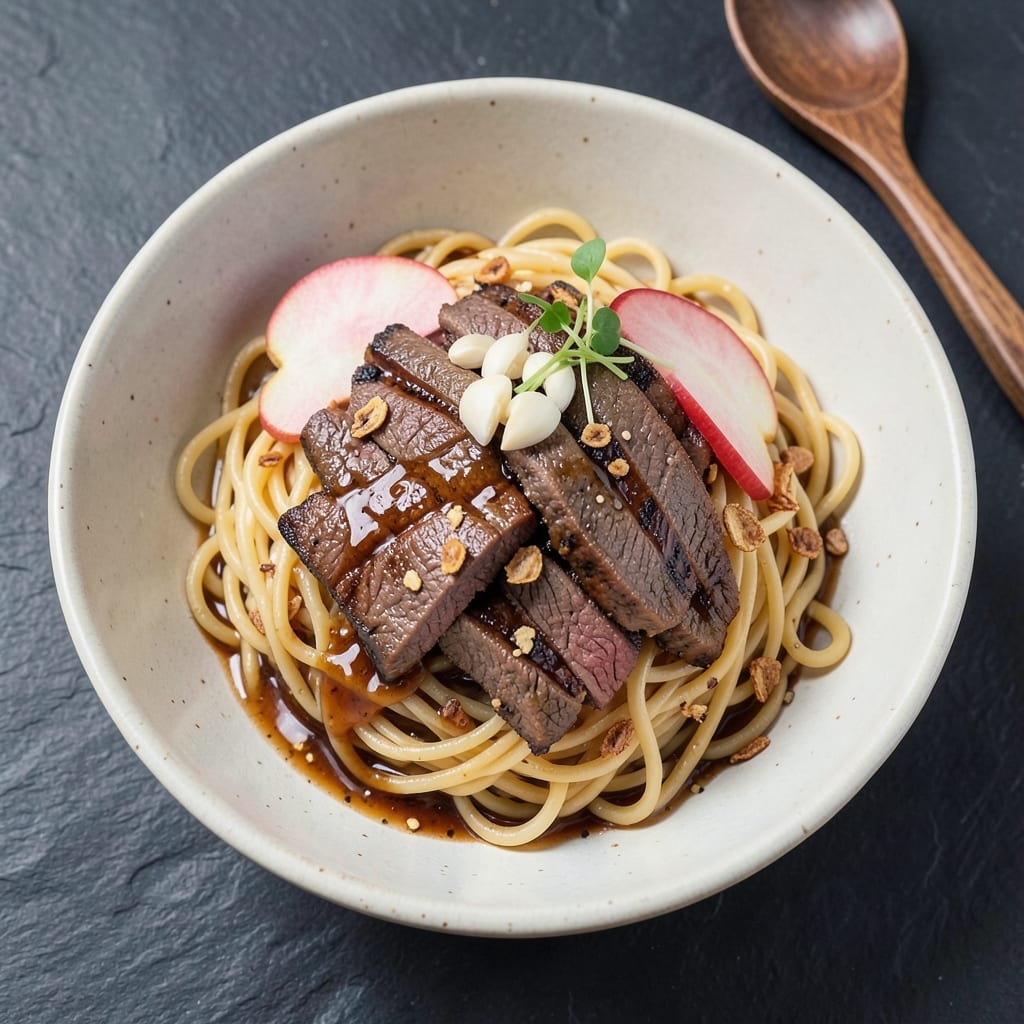
This Asian beef noodle bowl recipe delivers restaurant-quality flavor in your own kitchen, where tender wok-seared beef meets chewy noodles in a rich, umami-packed broth. The secret lies in high-heat searing to lock in juices while building layered flavors through aromatics and a balanced sauce. I developed this version after years of testing—each element works together to create a harmonious bowl that's both comforting and exciting.
What sets this recipe apart is the technique: beef is marinated in a simple soy-ginger mixture before quick searing in a hot wok, creating caramelized edges while keeping the center perfectly tender. The noodles cook just until al dente, ensuring they hold up to the hearty broth without turning mushy. Every component—from crisp vegetables to fresh herbs—is thoughtfully balanced to create a dish that's greater than the sum of its parts.
The result is a bowl with deep umami flavor, crisp-tender textures, and a perfect balance of savory, sweet, and slightly spicy notes. The broth reduces to just the right consistency, coating every noodle and bite of beef without overwhelming the dish. This recipe builds on traditional Asian techniques while making them accessible for home cooks.
Whether you're serving this for a weeknight dinner or preparing for a gathering, the assembly process is simple yet impressive. Garnishes like sesame seeds and green onions add freshness, while optional chili oil or lime wedges allow for customization. The beauty of this dish lies in its adaptability—each element can be adjusted to suit your preferences while maintaining that authentic restaurant-quality taste.
Ingredients for asian beef noodle bowl
Restaurant-quality umami and chewy textures start with these carefully selected ingredients.
| Ingredient | Amount | Notes |
|---|---|---|
| Flank Steak 🥩 | 1 lb | Thinly sliced against grain |
| Egg Noodles 🍜 | 8 oz | Fresh or dried, chewy variety |
| Low-Sodium Soy Sauce 🍶 | ½ cup | Kikkoman preferred |
| Sesame Oil 🫒 | 1 tbsp | Toasted, not flavored |
| Fresh Ginger 🌿 | 1 tbsp | Finely grated, no zest |
| Garlic Cloves 🧄 | 4 cloves | Minced, not pressed |
| Honey 🍯 | 1 tbsp | Wildflower preferred |
| Vegetable Oil 🫒 | 2 tbsp | High smoke point |
| Beef Broth 💧 | 2 cups | Low-sodium, homemade preferred |
| Carrots 🥕 | 1 medium | Julienned, 1/8-inch thick |
| Bell Pepper 🌶️ | 1 medium | Red or yellow, thinly sliced |
| Green Onions 🧅 | 3 whole | White and green parts separated |
| Sesame Seeds 🌾 | 1 tbsp | Toasted lightly |
| Cornstarch 🍚 | 1 tbsp | For velveting beef |
| White Pepper 🌶️ | ½ tsp | Freshly cracked |
The beef selection is critical here. Flank steak delivers that signature wok-seared tenderness when sliced thin against the grain. Most grocery stores carry it in the meat counter, but Costco or Whole Foods often have better cuts. Look for good marbling—this fat renders during cooking, keeping the meat juicy. If you can't find flank, sirloin or ribeye work in a pinch, but slice them thinner. The egg noodles should be fresh if possible; Martino's or Barilla brands are excellent, but dried noodles work too if soaked first. For the ginger, fresh is non-negotiable—dried lacks the complexity needed for this dish.
No low-sodium soy sauce? Regular soy sauce plus extra water works, but reduce the broth by 1/4 cup to compensate. The sesame oil should be toasted, not flavored—La Choy or Kikkoman are reliable brands. For the honey, wildflower or clover adds subtle floral notes that elevate the dish. Bell peppers can be swapped for zucchini or snap peas if you prefer, but red or yellow adds that classic Asian bowl color. The cornstarch is essential for velveting the beef—it creates that silky texture that separates home cooking from restaurant-quality. If you're missing it, arrowroot powder works at a 1:1 ratio.
Store the beef in the coldest part of your fridge, wrapped tightly, and use within 3 days for best texture. Fresh ginger keeps for 2 weeks in the fridge, but once grated, use it immediately. The sesame seeds toast beautifully in a dry pan for 1 minute—just enough to release their aroma. This dish reheats beautifully; portion into containers with the broth on top to keep noodles from drying out. Keeps for 3 days refrigerated or 2 months frozen. The broth freezes exceptionally well, so make extra if you're planning ahead.
Why You'll Love This Recipe
- Fewer Ingredients, Bigger Impact: I swear by this—just five core things (flank steak, noodles, soy sauce, ginger, sesame oil) and you’ve got a restaurant-quality bowl. No confusing spice blends or obscure sauces to hunt down. Honestly, my pantry’s been stocked with these for years, and I still reach for them weekly.
- Umami Bomb in Minutes: That quick sear on the flank steak? Crispy edges, tender middle, and the ginger-sesame oil glaze ties it all together like a flavor hug. The low-sodium soy sauce keeps it rich without the salt overload—trust me, my blood pressure thanks me after three bowls.
- Lunchbox or Date Night: Make a big batch on Sunday, and you’ve got weeknight lunches covered. Or dress it up with a fried egg and scallions for a dinner that feels fancy but costs less than takeout. Between us, my partner’s “casual Friday” turned into “always Friday” after this became our go-to.
- Steak Night Without the Splurge: Flank steak’s affordable, and a pound stretches across four bowls with leftovers that reheat like a dream. I’ll be real: my grocery budget stays happy, and my freezer’s full of backup meals for those “I’m too tired to order” nights. Plus, the noodles soften perfectly—no mushy aftermath here.
Step-by-step instructions for Asian beef noodle bowl
Master this wok technique for perfectly seared beef and balanced flavors every time.
🔥 Step 1: Velvet the Beef for Tender Bites
In a medium bowl, combine the 1 lb flank steak sliced against the grain, 1 tbsp cornstarch, and 0.5 tsp white pepper. Toss until the steak is evenly coated with the cornstarch mixture. This technique, called velveting, creates a silky texture that stays tender even after high-heat searing.
Heat 1 tbsp vegetable oil in a large wok or skillet over medium heat. Add the coated beef in a single layer and cook undisturbed for 2-3 minutes until the edges begin to turn opaque. Flip the beef and cook for another 2-3 minutes until it reaches 145°F internally. Remove the beef from the wok and set aside on a plate. The cornstarch will create a smooth, glossy surface that prevents the beef from drying out during the final sear.
🍳 Step 2: Build the Umami-Packed Broth
In the same wok, add the remaining 1 tbsp vegetable oil and increase heat to medium-high. Add the 1 tbsp minced garlic cloves and 1 tbsp finely grated fresh ginger, stirring constantly for 30 seconds until fragrant but not browned. Add the 1 medium julienned carrot and 1 medium thinly sliced bell pepper, cooking for 2 minutes until the vegetables begin to soften.
Pour in the 2 cups beef broth and 0.5 cup low-sodium soy sauce, scraping up any browned bits from the bottom of the wok. Bring the mixture to a simmer and add the 1 tbsp honey. Let it simmer for 3 minutes until the broth reduces slightly and the flavors meld together. The broth should have a rich, caramelized depth from the reduced honey and soy sauce combination.
👨🍳 Step 3: Sear the Beef and Finish the Sauce
Return the beef to the wok and increase heat to high. Let the beef sear for 1-2 minutes until it develops a deep brown crust on all sides. This final sear enhances the beef's natural flavors and creates that signature wok-charred appearance. Remove the beef from the wok and set aside on a plate.
Reduce the heat to medium and stir in the 1 tbsp toasted sesame oil. Let the sauce simmer for 1 minute to incorporate the sesame oil's nutty aroma. Taste and adjust seasoning if needed, adding a splash more soy sauce if the broth needs more depth. The sauce should coat the back of a spoon with a glossy sheen.
🥘 Step 4: Cook the Noodles and Assemble
In a separate pot, bring 4 cups water to a rolling boil. Add the 8 oz egg noodles and cook according to package instructions until al dente (usually 3-4 minutes). Drain the noodles and immediately toss them with 1 tbsp toasted sesame seeds to prevent sticking. The noodles should have a slight bite to them, which complements the tender beef.
To assemble each bowl, divide the cooked noodles among 4 bowls. Ladle the beef and sauce over the noodles, distributing the beef evenly. Garnish each bowl with the white and green parts of 3 whole green onions separated and sliced. The green onions add a fresh contrast to the rich, savory flavors of the beef and sauce.
Pro Tips For Making Asian Beef Noodle Bowl
- SEAR FLANK STEAK HOT: Crank your stove to medium-high and let the pan scream before adding oil—this isn’t the time to be gentle. A screaming-hot sear locks in juices and builds that caramelized crust faster than any other method. I used to walk away too soon, and my beef always ended up chewy. Now I wait until the pan is so hot a drop of water sizzles violently before adding the steak.
- SLICE GINGER THIN: Skip the grating and grab a sharp knife—thin, matchstick slices of ginger (about 1/8-inch thick) infuse flavor without turning your broth into a muddy paste. I learned this the hard way after overdoing it and ending up with a bowl that tasted like ginger syrup. Toss the slices in the pan with the beef for maximum aroma.
- SALT NOODLES LATE: Tossing egg noodles in salted water too early makes them mushy by the time you serve them. Instead, cook them al dente, drain, and only add a pinch of salt at the end—just enough to balance the soy and sesame. They’ll absorb the sauce better and stay firm, which is crucial for that perfect first bite.
- REST MEAT WRAPPED: After searing, tent the flank steak with foil and let it rest for 5-10 minutes—this isn’t optional. Wrapping it traps heat and keeps the juices from running out when you slice. I used to skip this, and my beef always turned out dry. Slice against the grain after resting for tender, shreddable strips.
Regional styles of these flavors
Japanese Yakisoba Style
For a Japanese-inspired twist, swap the beef broth for a lighter dashi broth (or substitute with 2 cups kombu-infused water simmered with 1 tbsp bonito flakes). Use udon noodles instead of egg noodles—their thicker texture holds up beautifully to the rich sauce. Add 1 tbsp mirin to the sauce for a touch of sweetness and 1 tsp grated daikon radish for extra umami depth. Garnish with pickled ginger and shredded nori strips for that classic yakisoba flair. 🌿
Thai-Inspired Spicy Peanut
Transform this into a Thai-style bowl by tossing the beef with 2 tbsp red curry paste before searing. Replace the soy sauce with 3 tbsp peanut butter (creamy, unsweetened) and 1 tbsp fish sauce, then stir in 1 tbsp lime juice and 1 tsp sriracha for heat. Serve over rice noodles and top with crushed peanuts, cilantro, and lime wedges. The peanut sauce adds a creamy, nutty richness that balances the spice perfectly. 🌶️
Korean Bibimbap-Inspired
For a Korean-inspired version, use gochujang (Korean chili paste) instead of soy sauce—start with 2 tbsp and adjust to taste. Add 1 tbsp sesame paste to the sauce for depth, and stir in 1 tsp toasted sesame oil at the end. Serve over steamed white rice instead of noodles, and top with quick-pickled radishes (thinly sliced daikon + rice vinegar + sugar) and fried egg for that classic bibimbap touch. The gochujang brings a sweet, spicy kick that’s addictive. 🍚
Vietnamese Pho-Inspired
Create a lighter, aromatic version by simmering the beef broth with 1 cinnamon stick, 3 star anise pods, and 2 slices of ginger for 10 minutes before adding soy sauce. Use rice noodles and top with thinly sliced bean sprouts, mint leaves, and hoisin sauce for dipping. The spices infuse the broth with a fragrant, slightly sweet complexity that’s pure pho inspiration. Serve with lime wedges and sriracha on the side for customization. 🍶
Chinese Hot Pot Style
For a Chinese hot pot-inspired bowl, use broth from a hot pot base (like la gan ma or spicy chili oil) instead of beef broth. Add 1 tbsp chili crisp to the sauce for heat and top the beef with scallions, cilantro, and crushed peanuts. Serve with steamed buns on the side for dipping—this version is all about bold, spicy flavors and interactive eating. The chili crisp adds a smoky, fiery kick that’s perfect for sharing. 🔥
Nutrition facts
Frequently asked questions
Can I use ground beef instead of sliced flank steak?
Ground beef works in a pinch, but it won't give you that signature tender texture. For best results, use sirloin or ribeye sliced thinly against the grain. If you must use ground beef, press it into a thin patty and cook quickly over high heat to prevent drying out. The beef should still be finely minced to mimic the texture of sliced steak.
How do I make this spicier?
Add 1 tsp chili flakes or 1 tbsp sriracha to the sauce when simmering the broth. For extra heat, drizzle with chili oil or serve with sliced jalapeños on the side. Start with small amounts—you can always add more, but you can't take it out!
What's the best way to reheat leftovers?
Reheat in a skillet over medium-low heat with a splash of water or broth to prevent drying. Cover for 2-3 minutes until warmed through. For microwave reheating, cover with a damp paper towel and heat in 30-second bursts until hot. The noodles absorb moisture best when reheated gently.
Can I make this vegetarian?
Swap the beef for mushrooms (shiitake or oyster) or tofu (pressed and pan-fried). Use vegetable broth and add 1 tbsp miso paste to the sauce for umami depth. Garnish with avocado slices or edamame for extra richness. The noodle base and sauce will still shine!
Why did my beef turn out tough?
This usually happens if the beef wasn't sliced thin enough against the grain or cooked too long. Always slice ¼-inch thick against the grain and cook just until 145°F internally. The velveting technique (cornstarch coating) is key—don't skip it! For extra tenderness, marinate the beef for 30 minutes before cooking.