
Main Courses
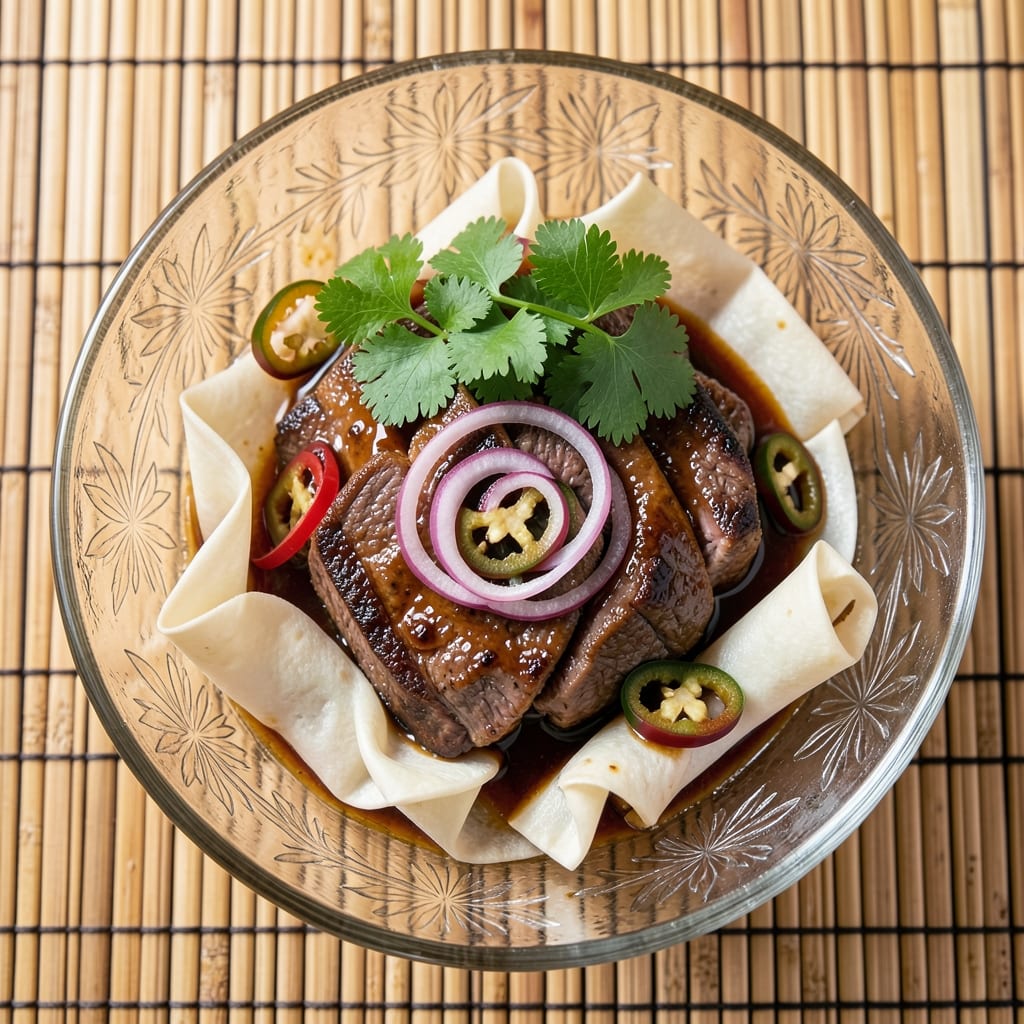
This Asian beef roll recipe transforms simple rice paper into delicate, flavor-packed wraps with tender beef and a sweet-chili crunch. The secret lies in marinating the beef with a blend of soy sauce, fish sauce, and garlic—creating layers of umami that sear perfectly when cooked. I developed this version after years of experimenting with Vietnamese bánh mì and Korean bulgogi wraps, streamlining the process for home cooks while keeping the restaurant-quality texture and flavor.
The silky rice paper wraps are the star here, requiring just a few minutes to soak and assemble. You'll layer thinly sliced, marinated beef with fresh herbs like cilantro and mint, then drizzle with a homemade sweet-chili sauce that adds just the right balance of heat and sweetness. The key to success is keeping everything fresh and working quickly—once the beef hits the pan, it cooks in under 3 minutes for that ideal tender-crisp finish.
What makes these rolls special is how they come together: crisp rice paper, juicy beef, and a sauce that ties every bite with a perfect harmony of flavors. Serve them with pickled vegetables, a side of rice, or extra sweet-chili sauce for dipping. This recipe is designed to be adaptable—swap the beef for chicken or tofu, or adjust the sauce to your preferred spice level.
The result is a dish that feels both elegant and approachable, perfect for weeknight dinners or special occasions. Each roll delivers a satisfying combination of textures and flavors, making it a crowd-pleaser that's as impressive as it is delicious. Ready to master this technique? Let's get started.
Ingredients for asian beef roll
These simple yet flavor-packed ingredients transform into restaurant-style Asian beef rolls in minutes.
| Ingredient | Amount | Notes |
|---|---|---|
| Flank Steak 🥩 | 1 lb | Thinly sliced against grain |
| Rice Paper Wrappers 🍱 | 8 pieces | Medium size, 8-inch diameter |
| Fresh Cilantro 🌿 | ½ cup | Stems removed, roughly chopped |
| Fresh Mint Leaves 🍃 | ¼ cup | Finely chopped |
| Small Red Onion 🧅 | 1 whole | Thinly sliced, divided |
| Jalapeño Pepper 🌶️ | 1 whole | Seeds removed, finely chopped |
| Soy Sauce 🥢 | ¼ cup | Kikkoman preferred |
| Fish Sauce 🍶 | 1 tbsp | Red Boat brand |
| Garlic Cloves 🧄 | 4 cloves | Minced |
| Brown Sugar 🍚 | 2 tbsp | Packed |
| Lime Juice 🍋 | 2 tbsp | Freshly squeezed |
| Vegetable Oil 🫒 | 2 tbsp | For cooking |
| Sesame Seeds 🌰 | 1 tbsp | Toasted |
| Salt 🧂 | ½ tsp | Kosher salt |
| Black Pepper 🌶️ | ¼ tsp | Freshly ground |
The beef is everything here—flank steak is lean but tender when sliced thin against the grain. Grab it from the butcher section at Whole Foods or your local grocery store's meat counter, where they'll slice it for you. If you can't find flank steak, sirloin or ribeye work too, but ask for it sliced paper-thin. The rice paper wrappers? Vietnamese markets or the Asian aisle at Trader Joe's have the best selection—avoid the brittle ones that crack when wet. Fresh herbs make all the difference, so grab cilantro and mint from the produce section (the ones in plastic bags are fine, but if you spot a bundle with vibrant leaves, splurge).
No fish sauce? Soy sauce plus a dash of Worcestershire gets you close, though it won't be exactly the same. Running out of lime juice? Lemon works in a pinch, but the acidity won't be as bright. The jalapeño is optional—skip it if you prefer mild rolls, but I always include it for that little kick. For the sweet-chili sauce, store-bought works (like Sweet Chili Sauce from the Asian aisle), but homemade (mix the brown sugar, lime juice, and a splash of water) tastes fresher. Pro tip: Toast the sesame seeds in a dry pan for 30 seconds—they add serious crunch and depth of flavor.
Keep the rice paper in a sealed bag until ready to use—exposed to air, they dry out fast. The beef marinade keeps for 3 days in the fridge, but the herbs lose their punch after 1 day, so prep them last. These rolls reheat beautifully—wrap them in a damp paper towel and microwave for 20 seconds to revive the crispness. Store leftovers in an airtight container for up to 2 days, or freeze the filled rolls (uncooked) for up to 1 month.
Why You'll Love This Recipe
- No-Marination Needed: I slice the flank steak thin against the grain—no fancy marinade, just salt, pepper, and a quick sear. That charred crust? Pure umami magic with zero effort.
- Herb-Packed Freshness: The cilantro and mint hit differently when you tear them by hand right into the roll—bright, cool, and just crisp enough to cut through the tender beef. (Yes, even my mint-hating husband asks for seconds.)
- Lunchbox Hero: Pack these in a container with a damp paper towel, and they stay fresh for days—perfect for work lunches or kids’ school meals. No reheating needed; just grab and go.
- Budget Stretch: Flank steak’s lean but mighty, and rice paper wrappers cost pennies. One pound of beef stretches to six rolls, meaning leftovers for dinner or a snack. Smart, simple, and satisfying.
Step-by-step instructions for Asian beef rolls
Here's how to make these tender, flavorful wraps with a perfect balance of sweet, spicy, and fresh.
Marinate and Cook the Flank Steak
In a bowl, combine the 0.25 cup soy sauce, 1 tbsp fish sauce, 2 tbsp brown sugar, 2 tbsp lime juice, 4 cloves minced garlic, 0.5 tsp salt, and 0.25 tsp black pepper. Whisk until the sugar dissolves completely, creating a glossy marinade. Add the 1 lb flank steak and coat thoroughly, making sure every surface is well-covered. Let it marinate for at least 30 minutes (or up to 2 hours for deeper flavor).
Heat 2 tbsp vegetable oil in a large skillet over medium-high heat until shimmering. Add the marinated steak and cook for 3-4 minutes per side until it reaches 145°F internally and develops a caramelized crust. The steak should be tender but still slightly firm to the touch. Remove from heat, let rest for 5 minutes, then slice thinly against the grain into strips about ¼-inch wide. This ensures each bite is tender and easy to roll.
Prepare the Fresh Herb and Vegetable Mixture
In a medium bowl, combine the 0.5 cup roughly chopped fresh cilantro, 0.25 cup finely chopped fresh mint leaves, half of the thinly sliced small red onion, and the finely chopped jalapeño pepper (seeds removed). Gently mix with your hands or a fork until evenly distributed. The herbs should look vibrant and fresh—this is where the bright, zesty flavor comes from. Set aside for later use.
Toast the 1 tbsp sesame seeds in a dry skillet over low heat for 1-2 minutes until fragrant and lightly golden. Let them cool slightly, then sprinkle them over the herb mixture. This adds a nutty crunch that balances the freshness of the herbs and the richness of the beef.
Assemble the Beef Rolls
Fill a large shallow dish with warm water (not boiling) and place 8 rice paper wrappers one at a time into the water. Let each wrapper soak for 10-15 seconds until pliable and translucent. Lift it out with tongs, letting excess water drip off, and lay it flat on a clean surface. Work quickly to keep the wrappers from drying out.
Place 2-3 strips of the sliced flank steak horizontally across the center of the wrapper, about 1 inch from the bottom edge. Top with 1 tablespoon of the herb and vegetable mixture, spreading it evenly over the beef. Fold the bottom edge of the wrapper up over the filling, then fold in the sides, and finally roll it tightly from the bottom up, like a burrito. Repeat with the remaining wrappers and filling.
Serve with Sweet-Chili Dipping Sauce
For the dipping sauce, combine the remaining half of the thinly sliced small red onion, 1 tbsp lime juice, 1 tbsp soy sauce, and 1 tsp brown sugar in a small bowl. Mix well and let sit for 5 minutes to allow the flavors to meld. The sauce should be slightly tangy and sweet, with a hint of onion sharpness.
Arrange the completed beef rolls on a platter and drizzle any remaining marinade from the steak over the top for extra flavor. Serve immediately with the sweet-chili dipping sauce on the side. The rolls are best enjoyed fresh, with the rice paper wrappers still slightly pliable and the filling warm and vibrant. Each bite should deliver a perfect balance of tender beef, fresh herbs, and a sweet-spicy kick.
Pro Tips For Making Asian Beef Roll
- Slice Against the Grain: Flank steak’s tough fibers run lengthwise, so cutting perpendicular to those lines makes each bite tender. I used to ignore this and ended up with chewy rolls—now I mark the grain with my knife first, then slice thinly after cooking.
- Soak Rice Paper Right: Fill a shallow bowl with warm water (not hot) and let wrappers soak just until pliable—about 10 seconds. Over-soaking turns them mushy; under-soaking makes them tear. Pat dry with a towel before filling, or your rolls will unravel like wet newspaper.
- Marinate Longer Than You Think: The beef needs at least 2 hours in the marinade (overnight is better), but don’t skip the final 30 minutes at room temp before cooking. Cold meat absorbs flavors unevenly, and you’ll end up with dry edges and under-seasoned centers.
- Balance the Herbs: Chop cilantro and mint separately and add them in layers—mint goes inside the roll, cilantro on top. Too much mint overpowers; too little cilantro makes the dish taste flat. I learned this after making a batch where the herbs fought for dominance.
Creative variations of this asian beef roll
Vietnamese Bánh Mì Style
Transform these rolls into a Vietnamese bánh mì-inspired dish by adding pickled carrots and daikon (about ½ cup each, thinly julienned) to the herb mixture. For the beef, use a 50/50 mix of flank steak and pork shoulder for extra richness. Serve with a side of cucumber slices and a sprinkle of crushed peanuts for texture. The key is balancing the tangy pickles with the sweet-spicy sauce—trust me, it’s a game-changer. 🌶️
Korean Bulgogi Wraps
Swap the marinade for a Korean-inspired blend: ¼ cup soy sauce, 2 tbsp brown sugar, 1 tbsp sesame oil, 1 tbsp grated ginger, and 1 tbsp gochujang. Cook the beef until caramelized, then slice it thinly. Add thinly sliced scallions and kimchi (about ¼ cup) to the herb mix. Serve with a side of ssamjang (Korean dipping sauce) for extra umami. The gochujang adds a deep, spicy-sweet depth that pairs perfectly with the crisp rice paper. 🍚
Japanese Gyudon Rolls
For a Japanese twist, use ribeye steak instead of flank steak and marinate it with ¼ cup mirin, 2 tbsp soy sauce, 1 tbsp sake, and 1 tbsp grated ginger. Cook the beef until tender, then slice it thinly. Replace the cilantro and mint with shredded nori strips and thinly sliced green onions. Serve with a side of steamed rice and a drizzle of tonkatsu sauce (or a mix of soy sauce and ketchup). The mirin adds a subtle sweetness that elevates the dish to another level. 🌟
Spicy Thai-Inspired Rolls
Add a Thai kick by incorporating 1 tbsp fish sauce, 1 tbsp palm sugar, and 1 tsp chili flakes into the marinade. Use longan or lychee juice (about 2 tbsp) instead of lime juice for a floral sweetness. For the herb mix, add thinly sliced Thai basil and shredded coconut (about 2 tbsp) for a tropical twist. Serve with a side of sweet chili sauce and a sprinkle of crushed peanuts. The combination of sweet, spicy, and herbal flavors is pure comfort food. 🌶️
Vegetarian Option
Swap the beef for thinly sliced tofu or shitake mushrooms (about 1 lb, marinated in the same sauce for 20 minutes). For extra protein, add crumbled tempeh (about ½ cup) to the herb mix. Use rice paper wrappers as usual, but add a layer of avocado slices or pickled jalapeños for moisture and flavor. The vegetarian version holds together just as well and is packed with fresh, vibrant flavors. 🌱
Nutrition facts
Frequently asked questions
How do I prevent the rice paper wrappers from tearing when rolling?
Work quickly and keep your hands moist with a damp paper towel—this prevents sticking. Soak each wrapper for exactly 10-15 seconds in warm water, then lay it flat on a clean, dry surface. Use 2-3 beef strips per roll and fold the bottom edge first, then roll tightly from the bottom up. If a wrapper cracks, just use another one—it happens to everyone!
Can I make these beef rolls ahead of time?
Prepare the marinated beef and herb mixture up to 1 day ahead, but assemble the rolls fresh for best texture. For leftovers, store uncooked filled rolls in an airtight container for up to 2 days or freeze them for 1 month. To reheat, microwave wrapped in a damp paper towel for 20 seconds—this revives the crispness.
What's the best way to adjust the spice level?
For milder rolls, remove the jalapeño seeds before chopping or reduce the amount of chopped pepper. For extra heat, add ½ tsp chili flakes to the marinade or include ½ cup sliced fresh Thai chilies in the herb mix. Always taste the sauce before serving—you can adjust sweetness with more brown sugar or tang with extra lime juice.
Why does my beef turn out chewy instead of tender?
This happens when you don't slice against the grain or overcook the meat. Always cut flank steak thinly against the grain (perpendicular to the muscle fibers) and cook it just until it reaches 145°F internally—no longer! Let it rest for 5 minutes before slicing to redistribute juices. For extra tenderness, marinate the beef for 2 hours instead of just 30 minutes.
What are good sides to serve with these beef rolls?
Pair them with classic Asian sides like steamed jasmine rice, pickled vegetables (carrots, daikon), or a simple cucumber salad. For extra crunch, serve with crushed peanuts or toasted sesame seeds. The sweet-chili sauce also makes a great dipping sauce for extra flavor. These rolls are perfect for a light lunch or as part of a larger Asian-inspired feast!