
Soups & Stews
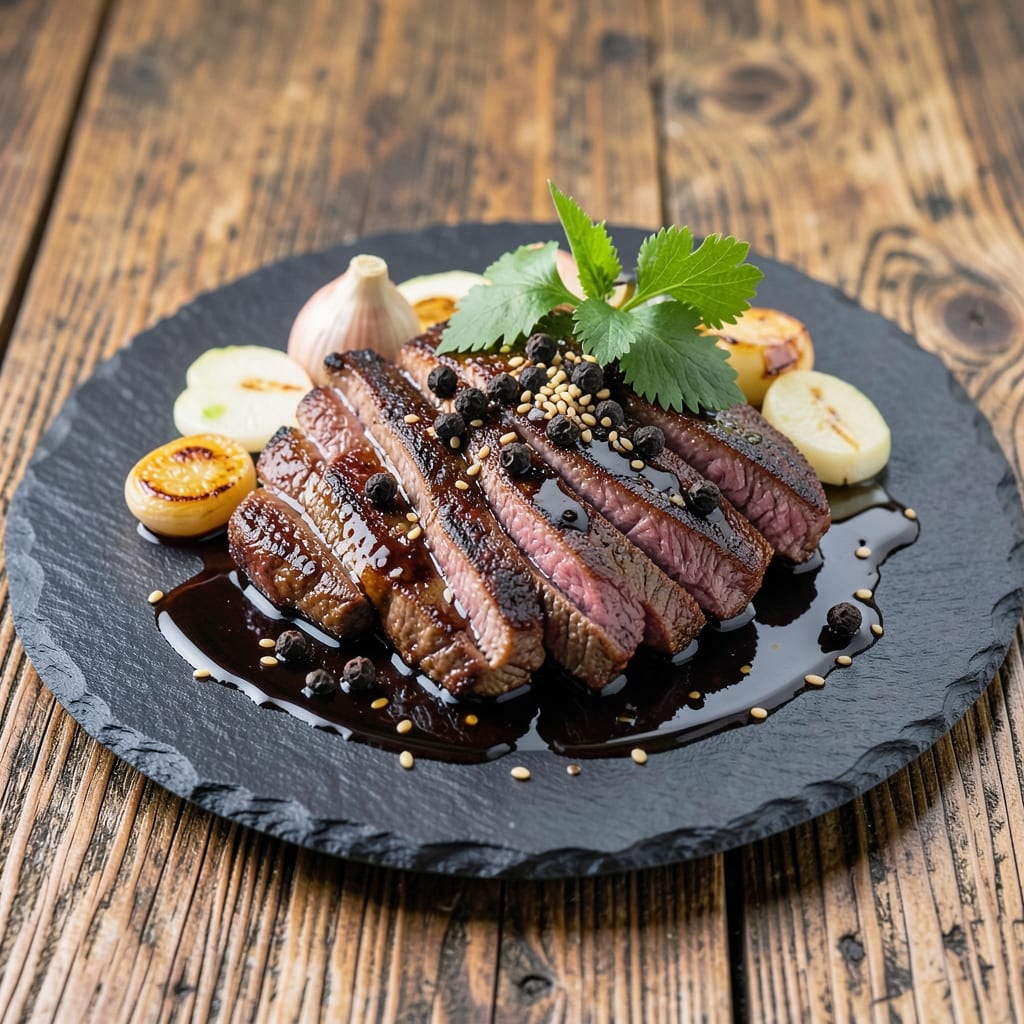
This Asian black pepper beef recipe delivers restaurant-quality wok-seared bites with a perfect balance of heat, char, and umami. The secret lies in a bold marinade of black peppercorns, soy sauce, and aromatics that transforms tender beef into irresistible, caramelized morsels. I developed this dish after years of experimenting with Asian stir-fry techniques, and the result is a dish that's both impressive and simple to execute.
The recipe begins with a 30-minute marinade that infuses the beef with deep, peppery notes while keeping the meat tender. High-heat wok searing creates those signature charred edges, while charred onions add sweetness and texture contrast. The combination of black pepper, garlic, ginger, and soy creates a flavor profile that's complex yet harmonious—bold enough to stand alone but flexible enough to pair with rice or noodles.
What makes this dish truly special is how the black pepper transforms from a simple spice into the star of the show. The crusty, peppery exterior gives way to tender, juicy beef with layers of savory depth. Each bite delivers a perfect balance of heat, char, and umami that will have everyone asking for seconds. The charred onions add a caramelized sweetness that rounds out the dish beautifully.
Serve this dish over steamed jasmine rice or with a side of stir-fried vegetables for a complete meal. The recipe scales perfectly for both weeknight dinners and special occasions, making it a versatile addition to your cooking repertoire. Let's get started on creating this flavor-packed masterpiece.
Ingredients for asian black pepper beef
Restaurant-quality wok-seared beef starts with these bold, aromatic ingredients.
| Ingredient | Amount | Notes |
|---|---|---|
| Flank Steak 🥩 | 1 ½ lb | Thinly sliced against grain |
| Black Peppercorns 🌶️ | 2 tbsp | Crushed coarsely for marinade |
| Soy Sauce 🍶 | ½ cup | High-quality, low-sodium preferred |
| Sesame Oil 🫒 | 1 tbsp | Toasted sesame oil for aroma |
| Garlic Cloves 🧄 | 6 cloves | Minced for marinade |
| Fresh Ginger 🌿 | 2 tbsp | Grated finely for marinade |
| Yellow Onions 🧅 | 2 whole | Cut into 1-inch slices |
| Neutral Oil 🫒 | 3 tbsp | Vegetable or canola oil |
| Brown Sugar 🍯 | 1 tbsp | Lightly packed |
| Cornstarch 🌾 | 1 tbsp | For tenderizing beef |
| Green Onions 🧅 | 4 whole | Sliced for garnish |
| Sesame Seeds 🌰 | 1 tbsp | Toasted for garnish |
| Jasmine Rice 🍚 | 1 ½ cups | Uncooked for serving |
| Salt 🧂 | 1 tsp | Kosher or sea salt |
The flank steak is non-negotiable here—its lean texture holds up perfectly to high-heat searing. Look for USDA Choice or Prime cuts at Whole Foods or your local butcher for optimal tenderness. Slice it thinly against the grain (about 1/4-inch thick) for maximum tenderness. The black peppercorns should be freshly crushed—pre-ground loses its punch. For the soy sauce, Kikkoman or Pearl River Bridge brands deliver that perfect balance of saltiness and depth. Fresh ginger and garlic are essential; dried substitutes won't cut it—they lack the bright, fresh complexity this dish needs. If you're short on time, frozen ginger works too—just grate it without thawing.
No sesame oil? Toasted peanut oil works in a pinch, though the flavor will differ slightly. The brown sugar adds just enough caramelization to balance the peppery heat—substitute with coconut sugar if you're avoiding refined sugar. For the cornstarch, arrowroot powder is a 1:1 substitute, though it may yield slightly different texture. The yellow onions should be firm and dry; avoid soft spots that indicate wilting. If you're serving a crowd, double the rice and beef quantities—this dish disappears fast. The green onions add freshness, but baby bok choy or scallions work equally well if you're out of stock.
Marinated beef keeps 3 days in the fridge, but the flavor deepens overnight—plan ahead. The charred onions can be prepped ahead and reheated in a dry pan for 2 minutes before serving. For leftovers, store everything separately: beef in one container, sauce in another, and rice in a third. Reheat beef and sauce together over medium heat for 3-4 minutes—never microwave, or the texture suffers. The rice reheats best in a steamer basket over boiling water for 5 minutes. Freeze beef portions for up to 3 months; thaw overnight in the fridge before reheating.
Why You'll Love This Recipe
- Pantry Magic: I swear by this one when I forget to grocery shop. Flank steak’s affordable, and the black peppercorns + garlic? Already lurking in my spice rack. Toss in soy sauce and sesame oil, and boom—dinner’s saved.
- One-Skillet Wonder: Between us, I don’t own a ton of fancy tools. This recipe lives in one pan, minimal chopping, and zero fuss. The steak caramelizes while the sauce reduces—no flipping, no stress, just done.
- Leftovers That Lie: I make this for four, eat it for six. The flavors only get better the next day—so tender, the black pepper’s warmth lingers, and the sesame oil adds this nutty richness. My coworkers always ask for seconds.
- Date Night Ready: Honestly, it’s the dish I pull out when I want to impress without slaving away. The garlic-soy glaze gives it restaurant vibes, and the black pepper’s bite keeps it from being too heavy. Serve with rice, and suddenly? Fancy.
Step-by-step instructions for Asian-inspired black pepper beef
Master this wok technique for perfectly seared beef with charred onions and aromatic spices.
🍳 Step 1: Marinate the Flank Steak for Maximum Flavor
Place the 1.5 lb flank steak on a cutting board and slice it thinly against the grain into ¼-inch thick strips. Transfer the sliced beef to a large bowl. In a separate small bowl, combine the 2 tbsp crushed black peppercorns, 0.5 cup soy sauce, 1 tbsp sesame oil, 6 cloves minced garlic, 2 tbsp finely grated ginger, 1 tbsp brown sugar, and 1 tsp salt. Pour the marinade over the beef and toss gently to coat evenly.
Cover the bowl and refrigerate for at least 2 hours, or preferably overnight. This long marinating time ensures the beef becomes tender and absorbs all the bold flavors. The black peppercorns will infuse the meat with their signature heat, while the soy sauce and sesame oil create a perfect balance of umami and aroma. Don't skip this step—it's what transforms tough flank steak into melt-in-your-mouth bites.
🍳 Step 2: Cook the Jasmine Rice for Serving
While the beef marinates, prepare the 1.5 cups jasmine rice according to package instructions. I use a 1:1.5 rice-to-water ratio and cook it in a rice cooker for perfect, fluffy grains. The rice should be fully cooked and slightly sticky when done—this texture helps it absorb the delicious beef juices when served together.
Keep the cooked rice warm in the rice cooker or covered pot. This dish is best served immediately with the rice, so having it ready when you finish the beef ensures you can enjoy everything at its peak. The aromatic jasmine rice complements the bold flavors of the black pepper beef beautifully, creating a complete meal.
🔥 Step 3: Sear the Beef and Char the Onions
Heat a large wok or skillet over high heat until it's smoking hot. Add 1 tbsp neutral oil and swirl to coat the bottom. Working in batches if needed (to avoid overcrowding), add the marinated beef strips and sear for 1-2 minutes per side until they develop a deep golden-brown crust. The high heat is crucial here—it creates that signature wok-seared texture while keeping the beef tender.
Remove the beef and set aside. In the same wok, add the remaining 2 tbsp neutral oil and the 2 whole yellow onions cut into 1-inch slices. Cook the onions over high heat for 5-6 minutes, stirring occasionally, until they develop deep char marks and caramelized edges. The onions should be slightly crispy around the edges but still tender in the center. This charring adds a smoky depth that complements the beef perfectly.
🥘 Step 4: Combine and Finish with Cornstarch Slurry
Return the seared beef to the wok with the charred onions. Add 1 tbsp cornstarch and toss everything together for 1-2 minutes until the cornstarch creates a light, glossy coating on the beef. This step not only adds texture but also helps thicken any juices that might pool in the wok.
Taste and adjust seasoning if needed, adding a splash of water or more soy sauce if the dish seems too dry. The beef should be tender with a perfect sear, and the onions should be charred yet still slightly crisp. Garnish with 4 whole green onions sliced and 1 tbsp toasted sesame seeds for added texture and aroma. Serve immediately over the warm jasmine rice for the ultimate dining experience.
Pro Tips For Making Asian Black Pepper Beef
- CRUSH PEPPERCORNS FIRST: Don’t toss whole peppercorns into the pan—they’ll just sit there like decorative rocks. Crack them with the flat side of a knife or crush lightly in a mortar (or ziplock bag with a rolling pin). This releases the oils and aroma that actually flavor the beef, not just garnish the plate.
- SALT THE STEAK 2 HOURS EARLY: Flank steak is tough if rushed. Wet-brine it in soy sauce (or saltwater) for 2 hours minimum—this tenderizes while letting the marinade penetrate. Pro move: Pat it very dry before cooking; moisture is the enemy of that perfect crust.
- STOP STIRRING AT 2 MINUTES: High heat sears the steak in the first 90 seconds. After that, constant stirring turns your beef into sad, gray shards. Let it develop a deep brown crust undisturbed, then flip and finish with garlic and black pepper. Trust the pan—it knows what’s up.
- USE SESAME OIL LAST: Add that golden sesame oil after the beef comes off heat—it burns fast and turns bitter if you toss it in too early. A teaspoon at the end brightens the dish without overpowering the peppery, savory notes. (Yes, even if you’re impatient like me.)
Dietary considerations for this recipe
Gluten-Free Adaptations
This recipe naturally accommodates gluten-free diets by using simple ingredients like beef, vegetables, and rice. The key is ensuring your soy sauce is gluten-free—I recommend Kikkoman Tamari or San-J Tamari, both of which deliver the same umami depth without gluten. Double-check all ingredients, especially if using pre-made sauces or marinades. 🌱
Low-Sodium Options
For a lower-sodium version, use low-sodium soy sauce (like La Choy) and reduce the salt to ½ tsp. You can also omit the salt entirely if your soy sauce is already low-sodium, but taste the marinade before applying it to the beef. The black pepper and aromatics provide enough flavor without extra salt. Balance is key—don’t overcompensate with other seasonings.
Dairy-Free & Vegan Substitutes
To make this dish vegan, replace the beef with firm tofu or mushrooms (like shiitake or king oyster). Marinate the tofu in the same sauce for 30 minutes and press it to remove excess water before cooking. For mushrooms, slice them thinly and sear them just like the beef. The charred onions and rice remain the same, creating a satisfying plant-based version. 🌿
Allergen-Friendly Swaps
If sesame allergies are a concern, skip the sesame oil and seeds—replace them with toasted walnut oil (for garnish) or additional toasted pepitas for crunch. For cornstarch allergies, use arrowroot powder (1:1 ratio) or a splash of water to create a light glaze. Always check labels on pre-made ingredients like soy sauce for hidden allergens.
Keto-Friendly Adjustments
This recipe is already keto-friendly, but you can enhance it further by skipping the rice and serving the beef over cauliflower rice or a bed of shredded cabbage. The high-fat content from the beef and sesame oil keeps it satisfying, while the charred onions add low-carb sweetness. Just ensure your soy sauce is gluten-free and low-carb—Coca-Cola’s soy sauce is a great choice. 🥦
Nutrition facts
Frequently asked questions
Can I use flank steak substitutes in this recipe?
Yes! Skirt steak or ribeye work beautifully—they're both tender when sliced thinly against the grain. For leaner options, try sirloin, but marinate it for 4 hours instead of 2 to ensure tenderness. Avoid tough cuts like chuck or round—they won't hold up to high-heat searing.
How do I adjust the heat level from the black pepper?
For milder heat, reduce crushed black peppercorns to 1 tbsp and add ½ tsp ground white pepper for a subtler flavor. For extra spice, increase to 3 tbsp crushed peppercorns and add a pinch of red pepper flakes. Remember, the marinade intensifies flavor—taste before applying to beef!
What's the best way to reheat leftovers?
Reheat in a skillet over medium heat for 3-4 minutes with a splash of water to restore moisture. Never microwave—it makes the beef rubbery. For charred onions, reheat separately in a dry pan for 1 minute to crisp them again. Store components separately to maintain texture.
Can I make this dish ahead of time?
Marinate the beef overnight for maximum flavor. Cook the beef and onions fresh, but you can prep the rice and char the onions 1 day ahead. Store all components separately—reheat beef and onions together just before serving for best results. The marinade keeps 3 days in the fridge.
What sides pair well with this dish?
Classic pairings include steamed jasmine rice, stir-fried bok choy, or crispy soba noodles. For a complete meal, add a quick cucumber salad with rice vinegar or a side of pickled vegetables. The bold flavors balance perfectly with light, fresh components.