
Sauces & Condiments
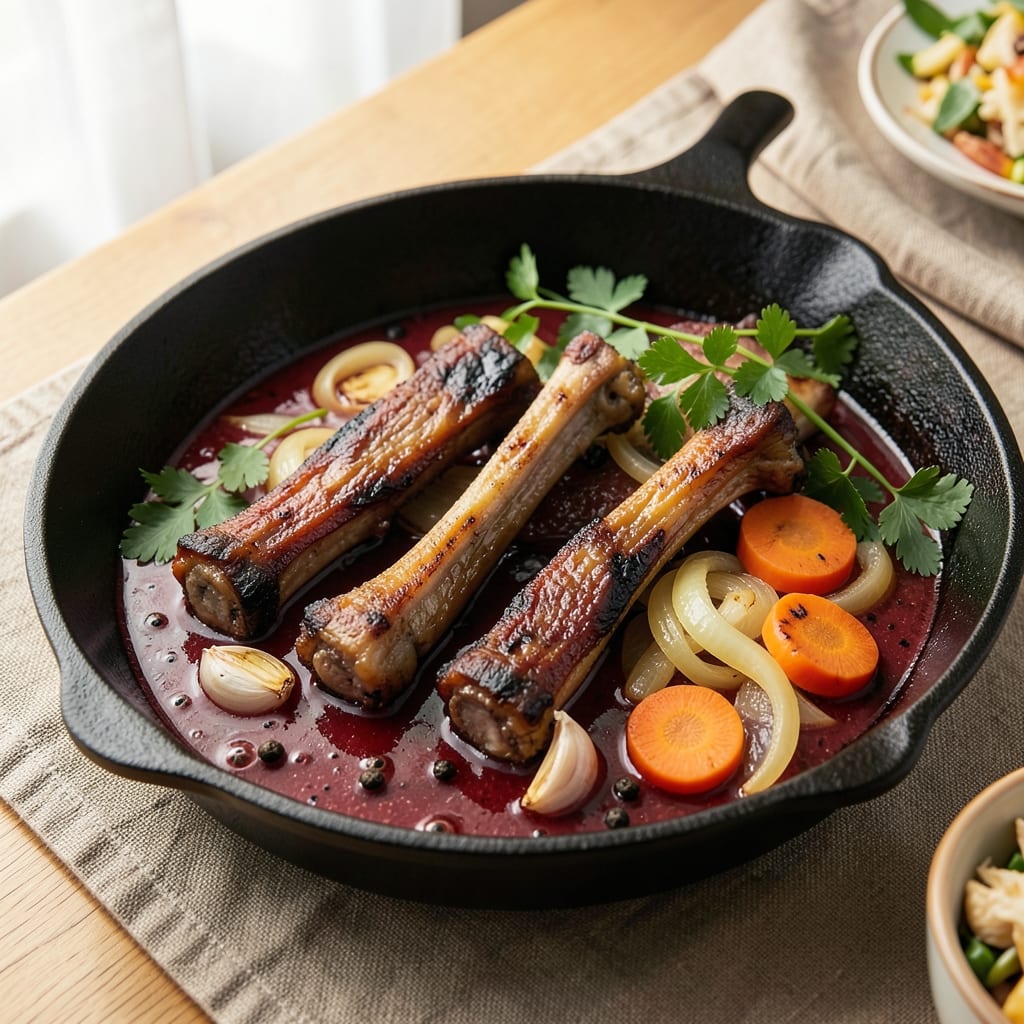
This au jus recipe with beef bones transforms humble beef bones into a deeply flavorful, golden broth that elevates any beef dish. The process begins with roasting bones until they develop a rich, caramelized crust—this step unlocks layers of umami that simmer into a velvety, aromatic sauce. What makes this recipe special is its simplicity: just bones, water, and aromatics, yet the result is a sauce so rich it feels like a restaurant secret.
The magic happens during the slow simmer, where collagen dissolves into gelatin, creating a sauce that coats every bite. You’ll need about 2 hours of hands-off cooking time, but the reward is a sauce that’s perfect for drizzling over roasted beef, steak, or even mashed potatoes. The key is patience—rushing this process will leave you with a broth that lacks depth and body.
By the end, you’ll have a golden, glossy au jus that’s fragrant with roasted beef notes and just the right balance of saltiness. The texture is silky yet robust, with a natural richness that comes from the bones themselves. This isn’t just a sauce; it’s a transformation of humble ingredients into something extraordinary.
Serve it warm alongside your favorite beef cut, garnished with fresh parsley or a sprinkle of black pepper for a touch of brightness. The leftovers keep well in the fridge for up to 5 days, making it a versatile addition to your meal prep. Ready to unlock this classic technique? Let’s get started.
Ingredients for au jus recipe with beef bones
Just bones, water, and aromatics transform into restaurant-worthy au jus.
| Ingredient | Amount | Notes |
|---|---|---|
| Beef Bones 🦴 | 2 lb | Knuckle or marrow bones preferred |
| Yellow Onions 🧅 | 1 whole | Peeled, halved lengthwise |
| Carrots 🥕 | 2 medium | Peeled, cut into 2-inch pieces |
| Garlic Cloves 🧄 | 4 cloves | Peeled, smashed slightly |
| Fresh Parsley 🌿 | ¼ cup | Chopped, for garnish |
| Black Peppercorns 🌶️ | 1 tbsp | Whole, lightly crushed |
| Water 💧 | 6 cups | Cold, filtered preferred |
| Worcestershire Sauce 🍶 | 1 tbsp | Vegetarian version if needed |
| Tomato Paste 🍅 | 1 tbsp | For depth, not sweetness |
| Bouquet Garni 🌿 | 1 whole | Parsley, thyme, bay leaf tied |
| Salt 🧂 | 1 tsp | Kosher or sea salt |
| Red Wine Vinegar 🍷 | 1 tsp | Balances acidity |
The beef bones are the foundation—knuckle or marrow bones give the richest flavor and most gelatin, but any beef bones work in a pinch. Local butchers often sell them cheaply or even for free, and they usually have the best quality. Look for bones with some meat still attached—the fat renders down for extra richness. If you can't find beef bones, chicken carcasses work too, though the flavor will be milder. The key is to roast them until deeply browned—this caramelization unlocks layers of umami that simmer into the sauce.
No Worcestershire? Soy sauce or balsamic vinegar adds a similar depth. The tomato paste is non-negotiable for that classic umami punch—don't skip it. If you're vegetarian, use a vegetarian Worcestershire and add a splash of beet juice for color. The bouquet garni can be made from whatever herbs you have (thyme, bay leaf, parsley), but if you're in a hurry, just toss in a few sprigs of each. For extra richness, add a tablespoon of butter at the end—it melts right into the sauce for a velvety finish.
This au jus keeps for 5 days in the fridge, but it actually tastes better the next day as flavors meld. For longer storage, freeze in ice cube trays—just thaw in the fridge before using. The sauce thickens as it cools, so reheat gently on the stove. I always make double batches—one for the meal, one to freeze for next time. Garnish with fresh parsley right before serving to keep it bright and fresh.
Why You'll Love This Recipe
- No-Fuss Simmer: The bones go in raw—no pre-braising, no fuss. Just chop onions, toss in garlic and carrots, cover with water, and let the pot do the work while you handle the rest. Honestly, I’ve made this while waiting for the oven to preheat.
- Umami Bomb: That first sip? Rich, deep, and meaty—like the marrow melts straight into your spoon. The onions caramelize just enough to sweeten the broth, while the parsley at the end brightens it up. (Yes, even on a Tuesday night.)
- Leftovers That Shine: Turn tomorrow’s dinner into today’s lunch. Use it to deglaze a pan for roasted potatoes, drizzle over grilled steaks, or freeze it for future soups. My freezer’s always stocked with this stuff—it’s my secret weapon for lazy days.
- Budget-Friendly Goldmine: Beef bones are cheap, and this recipe stretches them far. A pound of bones makes enough au jus to feed four, with leftovers to boot. Between us, this is how I keep fancy meals from breaking the bank.
Step-by-step instructions for bone-brewed au jus
This one-pot method extracts maximum flavor from beef bones—rich, velvety, and deeply savory.
Roast the Bones for Deep Flavor
Preheat your oven to 425°F. Place the 2 lb beef bones on a rimmed baking sheet and roast for 25-30 minutes, turning occasionally, until they develop a deep mahogany color. This step caramelizes the bone surfaces, unlocking layers of flavor that would otherwise stay hidden.
Watch for the bones to turn from pale to dark brown—this indicates the sugars in the bone marrow are breaking down. The aroma should be intense and meaty, almost like a cross between roasted coffee and grilled steak. Don't rush this step; patience here makes all the difference in the final richness of your au jus.
Sauté Aromatics and Build the Base
In a large Dutch oven, heat 1 tablespoon black peppercorns over medium heat for 1 minute until fragrant. Add the 1 whole yellow onion (halved) and 2 medium carrots (cut into 2-inch pieces), cooking for 5 minutes until softened and slightly caramelized.
Add the 4 cloves garlic cloves (smashed) and cook for another 30 seconds until the garlic releases its pungent aroma. Stir in 1 tablespoon tomato paste and cook for 1 minute, allowing it to darken slightly. This creates a flavorful paste that will thicken your au jus beautifully.
Simmer the Bones with Vegetables
Return the roasted bones to the Dutch oven. Add the 6 cups water, 1 whole bouquet garni, and 1 teaspoon salt. Bring to a boil, then reduce heat to low and simmer uncovered for 2 hours. Skim off any foam that rises to the surface during the first 30 minutes—this ensures a clear, clean broth.
After 2 hours, check the liquid level. If it's reduced too much, add ½ cup hot water to maintain proper simmering. The bones should be falling off easily when tested with tongs. This slow simmer extracts gelatin from the bones, creating that signature velvety texture that sets great au jus apart from ordinary broth.
Finish with Acid and Seasoning
Remove the bones and vegetables from the broth and discard. Strain the liquid through a fine-mesh sieve into a clean pot. Return the strained broth to medium heat and stir in 1 tablespoon Worcestershire sauce and 1 teaspoon red wine vinegar. Simmer gently for 5 minutes to allow flavors to meld.
The vinegar brightens the richness while the Worcestershire adds umami depth. Taste and adjust seasoning with additional salt if needed. The au jus should be rich but not salty, with a perfect balance of savory and slightly tangy notes. This is where all your hard work transforms into something truly special.
Serve Warm with Garnish
Ladle the au jus into serving bowls and garnish with the ¼ cup chopped fresh parsley. Serve immediately alongside roasted meats or use as a dipping sauce. The parsley adds a fresh contrast that makes each spoonful even more vibrant.
For best results, use within 2-3 days or store in the refrigerator for up to 5 days. The flavor actually improves as it sits, developing even more complexity. This au jus isn't just a sauce—it's a flavor experience that elevates any meal.
Pro Tips For Making Au Jus Recipe With Beef Bones
- Char the Bones First: I learned this the hard way—skipping the char ruins the depth. Get those bones deeply browned on all sides before adding liquid, even if it takes 10-15 minutes. The Maillard reaction pulls flavors from the bone marrow into the au jus, and that’s where the magic happens.
- Cut Onions in Even Slices: Thin, even slices caramelize faster and don’t turn to mush. Use a mandoline or sharp knife for ⅛-inch slices—no need for fancy dicing here. Uneven pieces burn on the edges while the centers stay raw, and you’ll be skimming them out later anyway.
- Don’t Rush the Reduce: After simmering, resist the urge to blast the heat to thicken faster. Let it bubble gently for 20-30 minutes, skimming fat as you go. I used to crank the stove and end up with a gluey mess—low and slow gives you a glossy, rich au jus that coats every bite.
- Save the Parsley for Last: Add fresh parsley only in the final 5 minutes. If you toss it in early, it turns bitter and slimy—trust me, I’ve made that mistake. A bright, fresh finish is what makes this dish feel restaurant-worthy without extra effort.
Perfect pairings for this recipe
Meat Pairings
This au jus is made for beef dishes—it's practically a love letter to roasted or grilled beef. I love serving it with beef tenderloin or ribeye steak because the sauce's richness complements the meat's natural flavors. For a showstopper, try it with herb-crusted beef or beef short ribs—the gelatinous texture clings beautifully to tender meat. 🥩
The sauce also works wonderfully with beef pot roast or braised beef cheeks, where it soaks into every bite. Even beef burgers get an upgrade when drizzled with warm au jus—imagine a juicy patty with a glossy, savory glaze! For a lighter option, pair it with beef tartare or steak tartare to add depth without overpowering the raw meat.
Vegetable Sides
Au jus isn't just for meat—it elevates simple vegetable sides too. A classic pairing is creamy mashed potatoes or buttery egg noodles, where the sauce adds a luxurious touch. I also love drizzling it over roasted Brussels sprouts or caramelized cauliflower for a savory-sweet contrast. 🥔
For a heartier meal, serve it alongside garlic roasted potatoes or truffle-parmesan fries. Even a simple green salad with arugula and shaved parmesan becomes gourmet when dressed with a spoonful of au jus. The acidity in the sauce cuts through rich sides beautifully.
Bread and Starches
Crusty bread is a must with au jus—think fresh baguette slices or sourdough toast for dipping. I often serve it with garlic bread or cheesy breadsticks to soak up every last drop. The sauce's velvety texture makes it perfect for mopping up plates. 🍞
For a more substantial starch, pair it with buttered egg noodles or wild rice pilaf. The sauce's richness balances the earthiness of rice, while the noodles provide a comforting base. Even roasted sweet potatoes get a gourmet upgrade when drizzled with au jus.
Cheese and Charcuterie
Au jus adds drama to charcuterie boards—drizzle it over aged cheddar or blue cheese for a creamy, savory contrast. I also love pairing it with prosciutto-wrapped melon or salami and pepperoni for a sweet-savory balance. The sauce's depth cuts through the saltiness of cured meats. 🧀
For a decadent appetizer, serve it with warm brie or goat cheese on toasted bread. The heat of the au jus melts the cheese beautifully, creating a rich, gooey bite. Even marinated olives or pickled vegetables benefit from a drizzle—it adds a luxurious finish to simple snacks.
Nutrition facts
Frequently asked questions
Can I use any beef bones for this recipe?
While any beef bones will work, knuckle or marrow bones yield the richest, most gelatinous au jus due to their high collagen content. Look for bones with some meat still attached—the fat renders down for extra richness. If you can't find these, chicken carcasses work in a pinch, though the flavor will be milder.
How do I know when the bones are roasted enough?
The bones are ready when they develop a deep mahogany color and emit an intense, meaty aroma. This usually takes 25-30 minutes at 425°F. The crust should be dark brown, almost black in spots—this caramelization unlocks maximum flavor.
Why does my au jus look cloudy after simmering?
Cloudiness usually means you didn't skim off the foam during the first 30 minutes of simmering. For crystal-clear au jus, skim frequently with a ladle. If it's already cloudy, strain through a fine-mesh sieve or cheesecloth for a smoother result.
Can I make this au jus in a slow cooker?
Yes! After roasting the bones, transfer everything to a 6-quart slow cooker and cook on low for 6-8 hours. The low-and-slow method works perfectly, though the flavor may be slightly less intense than stovetop simmering. Just be sure to skim foam regularly.
How long will the au jus keep in the fridge?
This au jus stays fresh for up to 5 days in the refrigerator. The flavor actually improves as it sits, developing deeper complexity. For longer storage, freeze in ice cube trays—thaw in the fridge before reheating gently on the stove.