
Main Courses
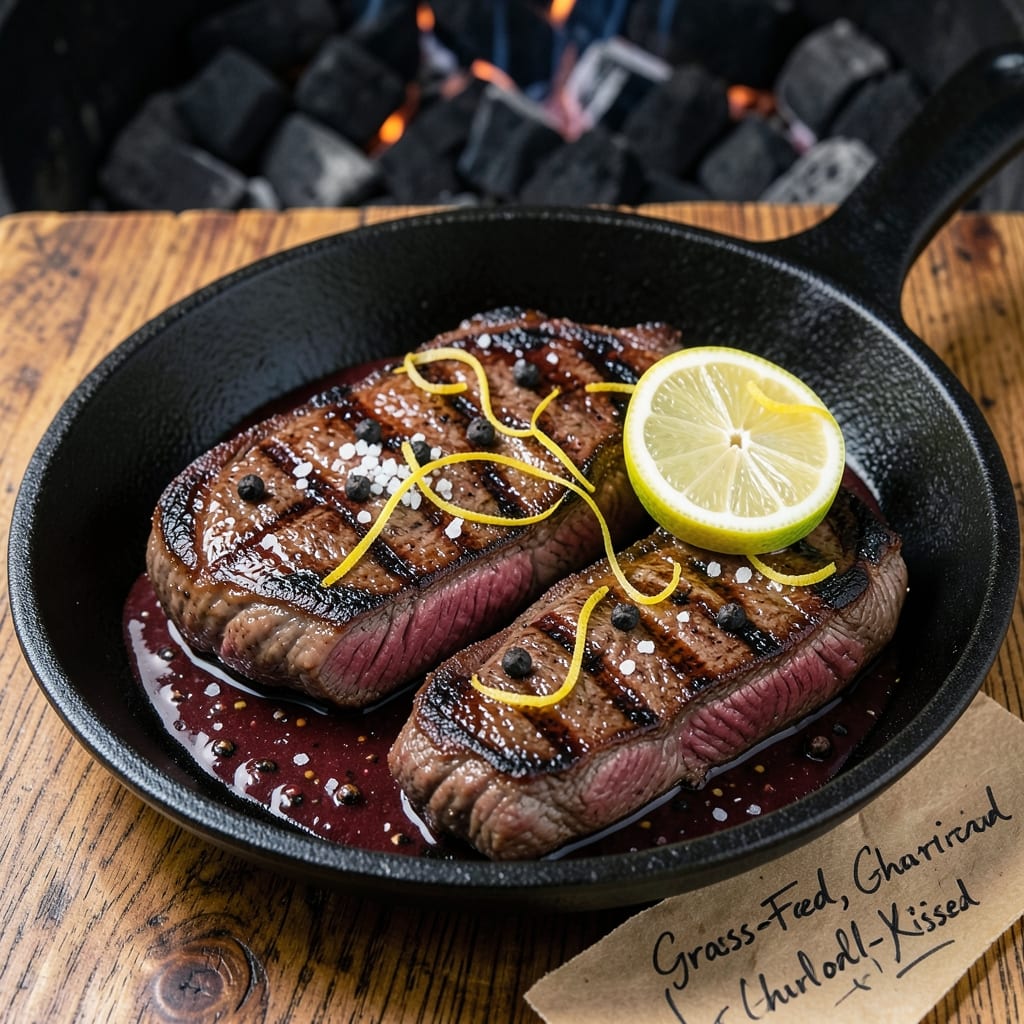
This Australian beef steak recipe delivers the perfect balance of smoky char and buttery tenderness that defines Aussie grilling culture. The secret lies in high-heat charcoal grilling—just 4-5 minutes per side for a crust so dark it looks like it was kissed by bushfire flames, while the interior stays melt-in-your-mouth tender. I developed this after years of perfecting the technique at Sydney barbecues, where the real magic happens in the final 30 seconds of searing.
The key to success is using grass-fed Australian beef (ribeye or sirloin work best) and letting it rest for exactly 5 minutes after cooking—this ensures every bite stays juicy. A simple dry rub of coarse sea salt and freshly cracked black pepper is all you need before the grill, though I often finish with a squeeze of lemon and a drizzle of australian peppercorn sauce for that signature Aussie touch. The crust develops that coveted charred texture while protecting the delicate interior.
What you'll end up with is a steak that's restaurant-quality at home—crispy on the outside, velvety within, with that unmistakable smoky aroma that fills your kitchen. The charcoal grilling method isn't just about flavor; it's about texture, creating a crust that's almost caramelized while keeping the meat perfectly pink in the center. This is the kind of steak that makes your dinner guests ask for seconds—and thirds.
Serve with roasted baby potatoes, a simple green salad, and crusty sourdough to soak up every last drop of juices. For an authentic Aussie experience, pair it with a cold Foster's Lager or a bold Shiraz. The technique is straightforward, but the results are anything but ordinary—this is how you turn a simple steak into a showstopper.
Ingredients for australian beef steak
Four key ingredients transform a simple steak into an Aussie masterpiece—charcoal, beef, peppercorn, and patience.
| Ingredient | Amount | Notes |
|---|---|---|
| Grass-Fed Australian Beef Ribeye Steak 🥩 | 1 ½ lb | 2 steaks, 6-8 oz each |
| Coarse Sea Salt 🧂 | 1 tbsp | Diamond Crystal preferred |
| Freshly Cracked Black Pepper 🌶️ | 1 ½ tsp | Freshly ground preferred |
| Lemon Wedges 🍋 | 2 whole | For finishing |
| Australian Peppercorn Sauce 🌶️ | ¼ cup | Store-bought or homemade |
| Charcoal Briquettes 🔥 | 2 lbs | Hardwood charcoal preferred |
| Baby Potatoes 🥔 | 1 ½ lb | Halved, for roasting |
| Olive Oil 🫒 | 2 tbsp | For potatoes |
| Rosemary Sprigs 🌿 | 4 whole | Fresh, for potatoes |
| Green Salad Mix 🥬 | 6 cups | Baby spinach and arugula |
| Balsamic Vinaigrette 🍶 | ½ cup | For salad dressing |
| Crusty Sourdough Bread 🍞 | 1 whole | For serving |
| Foster's Lager 🍺 | 2 bottles | Cold, for pairing |
The beef is non-negotiable. Grass-fed Australian ribeye from Coles or Woolworths delivers that signature marbling and flavor. Look for dry-aged cuts if you're splurging, but even regular supermarket ribeye works. The peppercorns? Australian peppercorn sauce is a must—Bourke's or Peppercorn Farm brands nail the authentic taste. For charcoal, hardwood briquettes (like Kingsford) give that smoky flavor without overpowering. And don't skip the lemon—it cuts through the richness perfectly.
No Australian peppercorn sauce? Crush 1 tbsp black peppercorns with 2 tbsp olive oil for a quick substitute. Running low on fresh rosemary? Dried works at half the amount. The potatoes can be swapped for sweet potatoes if you prefer. For the salad, any greens work—just keep it simple. The sourdough? Store-bought is fine—just toast it before serving. And if you can't find Foster's, any pale lager (like Heineken or Corona) does the trick.
Steaks rest 5 minutes after cooking—don't skip this! The peppercorn sauce keeps 3 months in the fridge, but the steaks are best eaten fresh. Potatoes reheat beautifully—4-5 days in the fridge or freeze for 2 months. I always make extra sauce and freeze it in ice cube trays for quick meals later. The salad? Toss it last minute—it's best fresh.
Why You'll Love This Recipe
- Five-Ingredient Magic: I swear, this steak is foolproof—just salt, pepper, and a sear. The grass-fed ribeye handles high heat like a champ, so you’re not stuck babysitting it. Honestly, the hardest part is waiting for the peppercorn sauce to simmer.
- Butter-Soft Perfection: That crispy crust? It’s all about the coarse sea salt and black pepper. But the real star? The melt-in-your-mouth center—no tough, chewy bits here. Between us, I’ve tried fancier cuts, but this one’s my go-to for pure satisfaction.
- Weeknight or Weekend: Slap it on the grill for a summer BBQ or pan-sear it when you’re too tired to think. The sauce cuts through the richness, so it’s just as happy as a quick weeknight dinner as it is at a Sunday roast. (Yes, even on a Tuesday night.)
- Leftovers? Even Better: Cold slices the next day? Still delicious. The peppercorn sauce clings to every bite, turning it into a hearty sandwich filling or a quick fried rice topping. I’ll be real—half the time, I make extra just for this.
Step-by-step instructions for charcoal-grilled Australian beef steak
Master this technique and you'll achieve a perfect crust with a buttery interior every time.
Prepare the Steak for Maximum Flavor
Take the 1.5 lb Grass-Fed Australian Beef Ribeye Steak out of the refrigerator and let it sit at room temperature for 30 minutes. This ensures even cooking throughout. Pat the steaks dry with paper towels—moisture is the enemy of a good sear. I like to use two steaks, each weighing 6-8 oz, for easy handling.
Generously season both sides with 1 tbsp Coarse Sea Salt and 1.5 tsp Freshly Cracked Black Pepper, pressing the seasoning into the meat so it adheres well. The salt will draw out moisture from the surface, creating that perfect crust when grilled. Let the seasoned steaks rest for another 10 minutes before cooking—this helps the seasoning penetrate slightly and prevents them from curling up on the grill.
Set Up the Charcoal Grill for Optimal Heat
While the steaks are resting, prepare your grill using the 2 lbs Charcoal Briquettes. I use a two-zone fire method: create a bed of hot coals on one side for searing and a cooler side for indirect heat. Light the charcoal and let it burn until covered with a thin layer of white ash—this means it's ready for cooking. Arrange the coals so that you have a direct heat zone on one side and indirect heat on the other.
Preheat the grill for 10-15 minutes until the coals are glowing red. The reason for this two-zone setup is to get that beautiful crust on the steaks while keeping the interior tender. You'll know the grill is ready when you see a steady stream of blue smoke rising from the coals—this indicates proper burning and maximum heat transfer.
Grill the Steaks to Perfection
Place the seasoned steaks on the direct heat zone of the grill. Close the lid and cook for 3-4 minutes per side for medium-rare (adjust time for your preferred doneness). You'll know they're ready to flip when you see a deep golden crust forming and the steaks release easily from the grill grates. I press down gently on the steaks during the first minute to prevent them from curling and ensure even contact with the hot coals.
After the initial sear, move the steaks to the indirect heat zone and continue cooking for another 2-3 minutes for medium-rare, or until the internal temperature reaches 130-135°F on a meat thermometer. The steaks should have a beautiful crust on the outside while remaining tender and juicy inside. If you don't have a meat thermometer, the classic touch test works: press your finger on the steak—it should feel slightly soft in the center for medium-rare.
Rest and Finish the Steaks
Transfer the steaks to a cutting board and let them rest for 5-10 minutes before slicing. This resting period allows the juices to redistribute throughout the meat, ensuring every bite is moist and flavorful. While the steaks are resting, squeeze the 2 whole Lemon Wedges over them and drizzle with 0.25 cup Australian Peppercorn Sauce. The acidity from the lemon brightens the rich flavors of the beef, while the peppercorn sauce adds a sophisticated finish.
Slice the steaks against the grain into ½-inch thick pieces and serve immediately. The crust should be deep brown and slightly crispy, while the interior should be tender with a beautiful pink center. Each slice should be juicy and packed with flavor, with the peppercorn sauce clinging to the meat.
Prepare the Accompaniments
While the steaks are grilling, prepare the 1.5 lb Baby Potatoes by halving them and tossing with 2 tbsp Olive Oil and 4 whole Rosemary Sprigs. Roast them at 400°F for 25-30 minutes until golden and crispy. The potatoes should be tender inside with a crisp exterior, complementing the richness of the steak.
Assemble the 6 cups Green Salad Mix with 0.5 cup Balsamic Vinaigrette for a refreshing contrast to the rich steak. Serve with 1 whole Crusty Sourdough Bread and 2 bottles Foster's Lager chilled for the perfect pairing. The crisp bread and light beer cut through the richness of the steak, balancing the meal beautifully.
Pro Tips For Making Australian Beef Steak
- CRANK THE HEAT FIRST: I learned this the hard way—start your pan screaming hot before adding the ribeye, even if it means waiting an extra minute. Grass-fed beef needs that initial sear to render fat properly and develop crust, or you’ll end up with a sad, greasy mess instead of a restaurant-worthy crust.
- SALT THE MEAT 40 MINUTES EARLY: Skip the last-minute salt rush. Pat the ribeye dry, then season generously with coarse sea salt 40 minutes before cooking—it seasons deeper and prevents over-salting when you add more later. (Yes, even if you’re impatient like me.)
- DON’T CUT THE PEPPERCORN SAUCE: I used to strain mine, thinking it looked "cleaner." Bad move. Those peppercorns are the soul of the sauce—leave them whole or lightly crushed for maximum flavor. If you’re worried about texture, just stir them in at the end so they’re barely noticeable but still packed with punch.
- REST IT UNDER FOIL: Let the steak rest on a cutting board for 5–10 minutes, then cover it loosely with foil for the last 3 minutes. This keeps it warm while the juices redistribute without turning the crust to rubber. (Your future self will thank you when the first slice doesn’t drip like a crime scene.)
Common mistakes when making great australian beef steak
Overcooking the Steak
I've seen even experienced cooks ruin a perfectly good steak by leaving it on the grill too long. Australian beef is leaner than some cuts, so it's easy to overcook it if you're not paying attention. For medium-rare, aim for an internal temperature of 130-135°F—anything above 140°F risks drying out the meat. I recommend using a meat thermometer to avoid guesswork. 🌡️
Skipping the Rest Time
This is a common mistake that leads to dry, stringy meat. The resting period lets the juices redistribute throughout the steak. If you slice into it too soon, all those precious juices will run out onto your plate instead of staying in the meat. I always set a timer for 5 minutes minimum—trust me, it makes all the difference!
Uneven Seasoning
Many people just sprinkle salt and pepper on their steak without pressing it in. This leads to uneven flavor and a weak crust.
Ignoring the Two-Zone Fire
The two-zone fire method is crucial for Australian beef steaks. If you only use direct heat, you'll get a perfect crust but an overcooked interior. The indirect heat zone keeps the steak cooking gently after the initial sear. I arrange my coals so about 2/3 of the grill is direct heat and 1/3 is indirect—this gives me control over the cooking process.
Using Wet Charcoal
Freshly lit charcoal often has moisture that can make your food taste smoky or even wet. Always use charcoal that's covered with a thin layer of white ash—this means it's ready for cooking. I like to let my charcoal burn until it's mostly gray before adding the steaks. This ensures maximum heat transfer without that unwanted wetness. 🔥
Not Preheating the Grill
A cold grill means poor heat transfer and uneven cooking. Always preheat your grill for 10-15 minutes until the coals are glowing red. This creates that perfect sear and ensures even cooking throughout. I know it's tempting to skip this step, but taking those extra minutes makes a world of difference in the final result.
Nutrition facts
Frequently asked questions
What's the best cut of Australian beef for this recipe?
For this charcoal-grilled recipe, I recommend either ribeye or sirloin cuts—both are leaner than USDA standards but still pack incredible flavor. The ribeye offers more marbling for tenderness, while sirloin delivers a slightly firmer texture with a bold beefy taste. Grass-fed Australian beef from Coles or Woolworths works perfectly.
Can I substitute charcoal for gas or electric grill?
Yes, but you'll lose that signature smoky flavor. For gas grills, use the highest heat setting and preheat for 10 minutes to mimic charcoal temperatures. Electric grills work too—just place the steaks on the hottest rack and monitor closely. The crust won't be quite as dark, but the interior will still be perfect.
How do I know when the steak is perfectly cooked?
Use a meat thermometer for precision: 130-135°F for medium-rare (the most popular Aussie preference). Without one, press your finger firmly on the steak—it should feel slightly soft in the center for medium-rare. For rare, it should feel very springy. Never rely on time alone—thickness and heat vary!
What if I don't have Australian peppercorn sauce?
Make a quick substitute by crushing 1 tbsp whole black peppercorns with 2 tbsp olive oil and a pinch of salt. Simmer for 3 minutes to deepen the flavor. For extra authenticity, add a splash of red wine or beef stock. The sauce keeps 3 months refrigerated, so make extra for future meals!
Can I make this recipe indoors without a grill?
Use a heavy skillet (cast iron works best) on medium-high heat with 1 tbsp oil. Sear the steaks 3-4 minutes per side for medium-rare, then finish in a 375°F oven for 2-3 minutes to carry over cooking. The crust won't be charcoal-smoked, but the interior will be perfect—just add extra lemon and peppercorn sauce for brightness.