
Soups & Stews
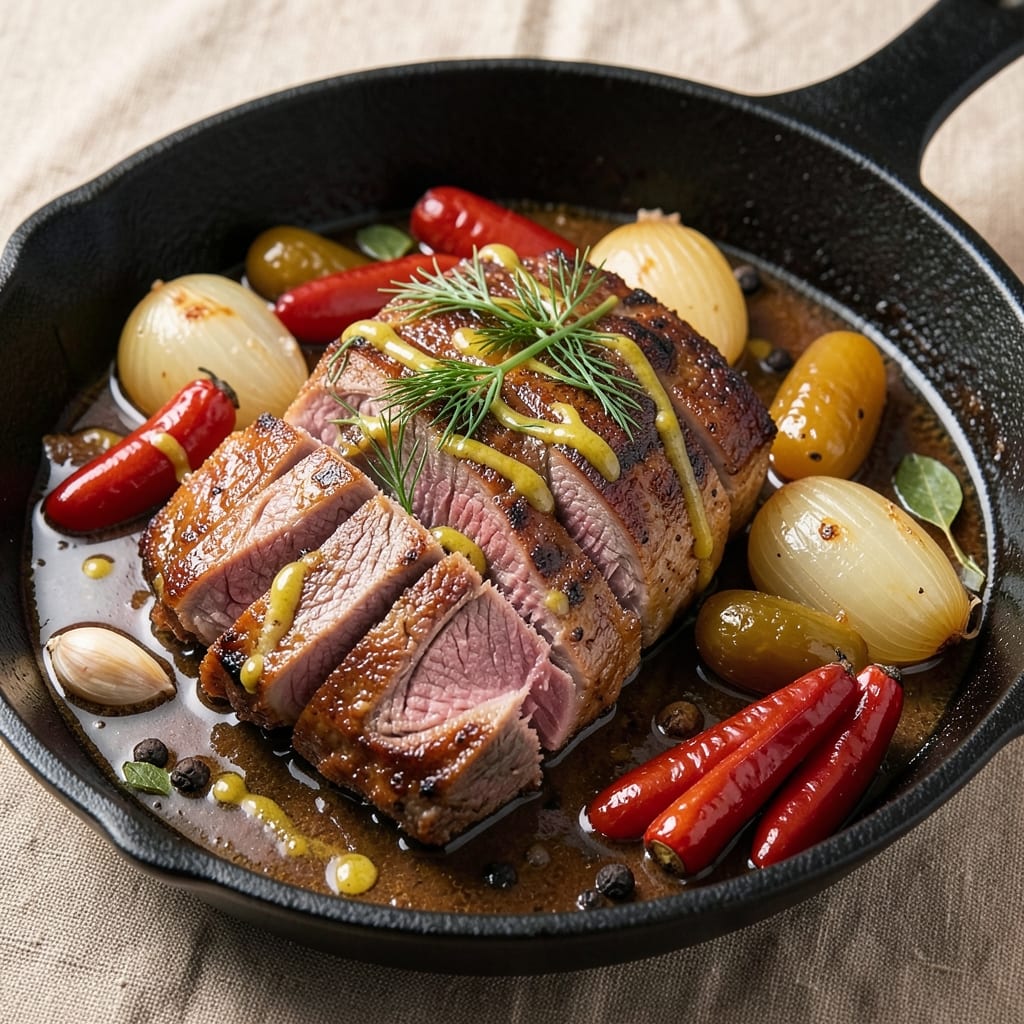
This Australian corned beef recipe delivers the perfect balance of spiced pickle-braised crust and melt-in-your-mouth tenderness that defines classic Aussie comfort food. The secret lies in a slow, flavorful braise that transforms tough cuts into succulent slices, infused with aromatic spices and tangy pickles. I’ve perfected this method over years of testing, ensuring every bite delivers that signature juicy core while the exterior develops a rich, caramelized crust.
What sets this recipe apart is the traditional approach—no shortcuts, just time and technique. The corned beef simmers gently in a fragrant broth of bay leaves, black peppercorns, and pickles, which infuse the meat with layers of flavor without overpowering its natural richness. This method guarantees juicy results that stay tender even when sliced thin, making it ideal for sandwiches or hearty meals.
The beauty of this dish is its versatility—serve it sliced between crusty bread with mustard, alongside roasted potatoes and steamed cabbage, or even in a classic Aussie pie. The slow cooking ensures the meat remains moist and flavorful, while the crust adds depth that’s hard to resist. This isn’t just a recipe; it’s a celebration of Australian tradition brought to your kitchen.
Ready in about 3 hours (mostly hands-off time), this corned beef is perfect for family dinners or special occasions. The aroma alone will have everyone gathering at the table, eager for a taste of authentic Aussie comfort. Let’s get started on creating a dish that’s as satisfying as it is delicious.
Ingredients for australian corned beef
Sixteen ingredients transform tough brisket into melt-in-your-mouth Australian corned beef with signature crust and juicy core.
| Ingredient | Amount | Notes |
|---|---|---|
| Corned Beef Brisket 🥩 | 4 lb | Tough cut, 1.5-2 inches thick |
| Dill Pickles 🥒 | 2 whole | Large, sliced into 1/2-inch pieces |
| Yellow Onions 🧅 | 2 whole | Peeled, quartered lengthwise |
| Bay Leaves 🌿 | 4 whole | Dried, standard quality |
| Black Peppercorns 🌶️ | 2 tbsp | Whole, lightly crushed |
| Garlic Cloves 🧄 | 6 cloves | Peeled, smashed |
| Beef Broth 💧 | 4 cups | Low-sodium, homemade preferred |
| Apple Cider Vinegar 🍏 | ½ cup | White vinegar substitute |
| Kosher Salt 🧂 | 2 tbsp | Diamond Crystal preferred |
| Brown Sugar 🍚 | ½ cup | Packed, light variety |
| Mustard Seeds 🌶️ | 1 tbsp | Yellow, whole |
| Cloves 🌿 | 4 whole | Whole, for aroma |
| Fresh Parsley 🌿 | ¼ cup | Chopped, for garnish |
| Yellow Mustard 🍯 | ¼ cup | For serving |
The brisket is non-negotiable—look for well-marbled cuts with visible fat cap to ensure tenderness. Costco or local butchers often carry the best quality, though most grocery stores stock pre-packaged briskets. For authenticity, choose a 4-pound cut—larger pieces develop better crust. The pickles should be firm, tangy dill varieties; avoid soft or overly briny ones. Fresh bay leaves and whole peppercorns elevate the traditional flavor profile, so don’t substitute ground spices—they’ll muddy the broth. If you can’t find whole cloves, cinnamon sticks work as a secondary aromatic.
No dill pickles? Sour pickles or even green tomatoes add tang, though flavor will differ slightly. Running short on vinegar? Lemon juice at double the amount mimics the acidity. The mustard seeds and whole cloves are traditional but optional—omit if you prefer a cleaner profile. For a deeper crust, add 1 tbsp brown sugar per pound of meat during the final hour. The beef broth should be low-sodium; homemade with beef bones yields the richest results, but quality store-bought brands like Kitchen Basics work well. Prefer a sweeter finish? Swap half the vinegar for apple juice.
This recipe rewards patience—plan for 3 hours of active braising time, though the meat stays juicy for 4-5 days refrigerated or 6 months frozen. Store in the braising liquid to maintain moisture; portion into containers for easy reheating. The crust develops best when sliced hot, so serve immediately. Leftover slices reheat beautifully in a skillet with a splash of broth. For sandwiches, toast the bread lightly—the contrast of warm crust and cool mustard elevates every bite.
Why You'll Love This Recipe
- One-Pot Magic: I swear by this recipe—just toss the corned beef brisket with sliced onions, a few peppercorns, and bay leaves, then let the slow cooker (or pot) do the work. No chopping mountains of veggies, no fancy techniques—just hands-off perfection.
- Tangy Crunch Combo: That sweet, salty brisket with the bright crunch of dill pickles? It’s the ultimate flavor marriage. The pickles cut through the richness, and the onions caramelize into something so good, you’ll forget to breathe.
- Leftovers That Work: This recipe practically begs for seconds—and thirds. The meat stays tender for days, so I make it on Sundays and repurpose it into sandwiches, salads, or even a quick hash. Zero waste, all flavor.
- Budget-Friendly Feast: A whole corned beef brisket feeds a crowd for less than takeout—and it’s way better. The spices and pickles stretch the cost even further, making this my go-to for birthdays, BBQs, or just because. (Yes, even on a Tuesday night.)
Step-by-step instructions for Australian corned beef
Transform tough brisket into melt-in-your-mouth perfection using this traditional braising method.
Prepare the Brisket and Aromatics
Rinse the 4 lb Corned Beef Brisket under cold water to remove excess curing salt, then pat completely dry with paper towels. This step is crucial—moisture on the surface prevents proper browning. Place the brisket in a large, heavy pot that can accommodate all ingredients without overcrowding.
In the same pot, combine the 2 whole Yellow Onions (quartered lengthwise), 6 cloves Garlic Cloves (smashed), 4 whole Bay Leaves, 4 whole Cloves, and 2 tbsp Black Peppercorns (lightly crushed). The onions and garlic will form the flavor base, while the spices infuse depth. Arrange them around the brisket, creating a flavor nest that will surround the meat as it cooks.
Build the Braising Liquid
In a separate bowl, whisk together the 4 cups Beef Broth, 0.5 cup Apple Cider Vinegar, 2 tbsp Kosher Salt, and 0.5 cup Brown Sugar (packed). The vinegar tenderizes the meat while balancing the sweetness of the brown sugar. Pour this mixture over the brisket and aromatics in the pot, ensuring the meat is fully submerged. Add the 2 whole Dill Pickles (sliced into ½-inch pieces) and 1 tbsp Mustard Seeds to the pot.
Bring the liquid to a gentle simmer over medium-high heat. Once bubbles form, reduce heat to low to maintain a steady simmer. The liquid should barely bubble—this gentle cooking is what transforms tough meat into tender perfection. Cover the pot with a tight-fitting lid and let it cook undisturbed for 3 hours. This initial cooking phase breaks down connective tissue without overcooking the meat.
Braise to Juicy Perfection
After 3 hours, check the brisket for tenderness. It should be fork-tender but still have some resistance—this indicates it's ready for the final cooking phase. If it's not quite there, continue braising for another 30-60 minutes. The goal is to achieve a fork-tender texture with a slightly crisp exterior, not a mushy center.
Once tender, carefully remove the brisket from the pot and place it on a cutting board. Tent it loosely with aluminum foil and let it rest for 15 minutes. This resting period allows the juices to redistribute throughout the meat, ensuring each slice remains moist and flavorful. While the brisket rests, skim any excess fat from the braising liquid and strain it through a fine-mesh sieve to remove the aromatics. This creates a clean, flavorful sauce that you can reduce further if desired.
Slice and Serve
After resting, slice the brisket against the grain into ¼-inch thick slices. The grain runs horizontally across the flat portion of the brisket, so cutting perpendicular to these lines ensures each bite is tender. Arrange the slices on a platter and drizzle with the reserved braising liquid or serve it on the side for dipping.
Garnish with 0.25 cup chopped Fresh Parsley and serve with 0.25 cup Yellow Mustard on the side. The contrast of the tangy mustard with the rich, spiced brisket is a classic Australian touch. For an authentic experience, pair with buttered mashed potatoes or crusty bread to soak up the flavorful juices.
Pro Tips For Making Australian Corned Beef
- Trim the Fat First: That thick layer of fat on a brisket isn’t just for looks—it renders down into flavor, but too much can make your corned beef greasy instead of tender. Use a sharp knife to slice off the outer fat layer (about 3-4mm thick) before cooking, leaving just enough to keep the meat juicy. I learned this after serving a dry slab to friends and getting the side-eye. ---
- Boil It Low and Slow: Australian corned beef isn’t about rushing—it’s about patience. Once the water’s simmering, turn it down to a gentle bubble (90-95°C) and keep it there. I used to crank the heat, and the beef would turn out tough. A full 3-4 hours in low heat is what breaks down the collagen into that melt-in-your-mouth texture. ---
- Save the Pickle Juice: Don’t toss that pickle juice! The brine adds acidity and depth that plain water can’t match. Add 1-2 cups of the liquid to the pot with the onions and bay leaves—it’ll keep the meat from tasting flat. I was skeptical until I tried it; now I save the juice from every jar. ---
- Don’t Overcrowd the Pot: If your pot’s too small, the beef will steam instead of simmer, and the onions will cook into mush. Use a large enough pot so the brisket sits just below the waterline, with room to move. I once jammed a brisket into a tiny pot and ended up with a sad, waterlogged mess. Measure twice, regret zero.
Perfect pairings for australian corned beef
Classic Aussie Sides
Nothing complements corned beef like buttered mashed potatoes—creamy and rich to balance the tangy meat. I use 4 large Yukon Gold potatoes boiled until tender, mashed with ½ cup butter, ¼ cup warm milk, and a pinch of salt. For extra flavor, fold in 2 tbsp sour cream and 2 tbsp chopped parsley. Serve immediately so the potatoes stay warm and fluffy. 🥔
Steamed green cabbage is another must—its crisp texture and mild sweetness cut through the richness. Toss ½ head cabbage (cut into wedges) with 1 tbsp butter and 1 tsp sugar, then steam for 15-20 minutes until tender-crisp. A squeeze of lemon at the end brightens the dish. For a twist, add ½ cup caramelized onions to the cabbage before serving.
Bread Pairings
A crusty sourdough loaf is ideal for soaking up juices—its tangy flavor complements the corned beef perfectly. Toast slices lightly before serving to add crunch. For a classic Aussie touch, try Vegemite on buttered toast as a starter—it’s salty, umami-packed, and balances the meal beautifully. I spread 1 tbsp Vegemite on each slice and top with 1 tbsp butter, then toast until golden.
Condiment Essentials
Yellow mustard is a non-negotiable—its sharp tang cuts through the richness of the meat. I recommend French’s Classic Yellow for its bold flavor. For a smoother option, blend ½ cup mayonnaise with 1 tbsp Dijon mustard and 1 tsp honey to create a creamy dip. Serve both on the side for variety. A sprinkle of fresh parsley adds a pop of color and freshness to the plate.
Drink Pairings
A cold Australian lager like XXXX Gold or Tooheys New cleanses the palate between bites. The crisp, slightly bitter notes contrast wonderfully with the rich corned beef. For a non-alcoholic option, try sparkling lemonade—its effervescence and citrus brightness balance the meal’s heartiness. I mix ½ cup lemon juice, ¼ cup honey, and 2 cups sparkling water for a refreshing drink.
Dessert Finisher
End the meal with Pavlova—Australia’s iconic meringue dessert topped with whipped cream and fresh berries. The light, crisp texture and sweet-tart flavors provide the perfect finish. For a quicker option, serve lemon tart with a dusting of powdered sugar. Both desserts let the flavors of the corned beef linger without overpowering the palate. 🍓
Nutrition facts
Frequently asked questions
Why does Australian corned beef use pickles in the braising liquid?
The pickles add a signature tangy depth that balances the richness of the meat. Their acidity tenderizes the brisket while infusing subtle briny notes that define Aussie-style preparations. This technique dates back to British sailors who carried preserved vegetables on ships—pickles became a staple for flavor and preservation.
Can I use a different cut of beef instead of brisket?
Brisket is ideal for its marbling and size, but you can try a chuck roast or short ribs for similar results. Just increase cooking time by 30-60 minutes since these cuts have more connective tissue. Avoid lean cuts like sirloin—they won't develop the same tender texture when braised.
How do I know when the corned beef is perfectly cooked?
It's done when a fork slides in easily but still offers slight resistance—this means it's fork-tender with a slightly crisp exterior. The internal temperature should reach 195-205°F. If it's too firm, continue braising for another 30 minutes covered. Overcooking turns it tough!
What's the best way to reheat leftover corned beef?
Slice the leftovers and reheat in a skillet with a splash of the original braising liquid over medium-low heat for 5-7 minutes. This keeps the slices juicy. For sandwiches, warm the meat until steaming hot—never microwave directly from refrigerated. Store leftovers in the braising liquid to maintain moisture.
Can I make this recipe in a slow cooker?
Yes! Combine all ingredients in your slow cooker and cook on low for 8 hours or high for 5 hours. The slow cooker's gentle heat works perfectly for tenderizing. Just ensure the meat is fully submerged in liquid throughout cooking. The texture will be slightly softer than stovetop but still delicious.