
Main Courses
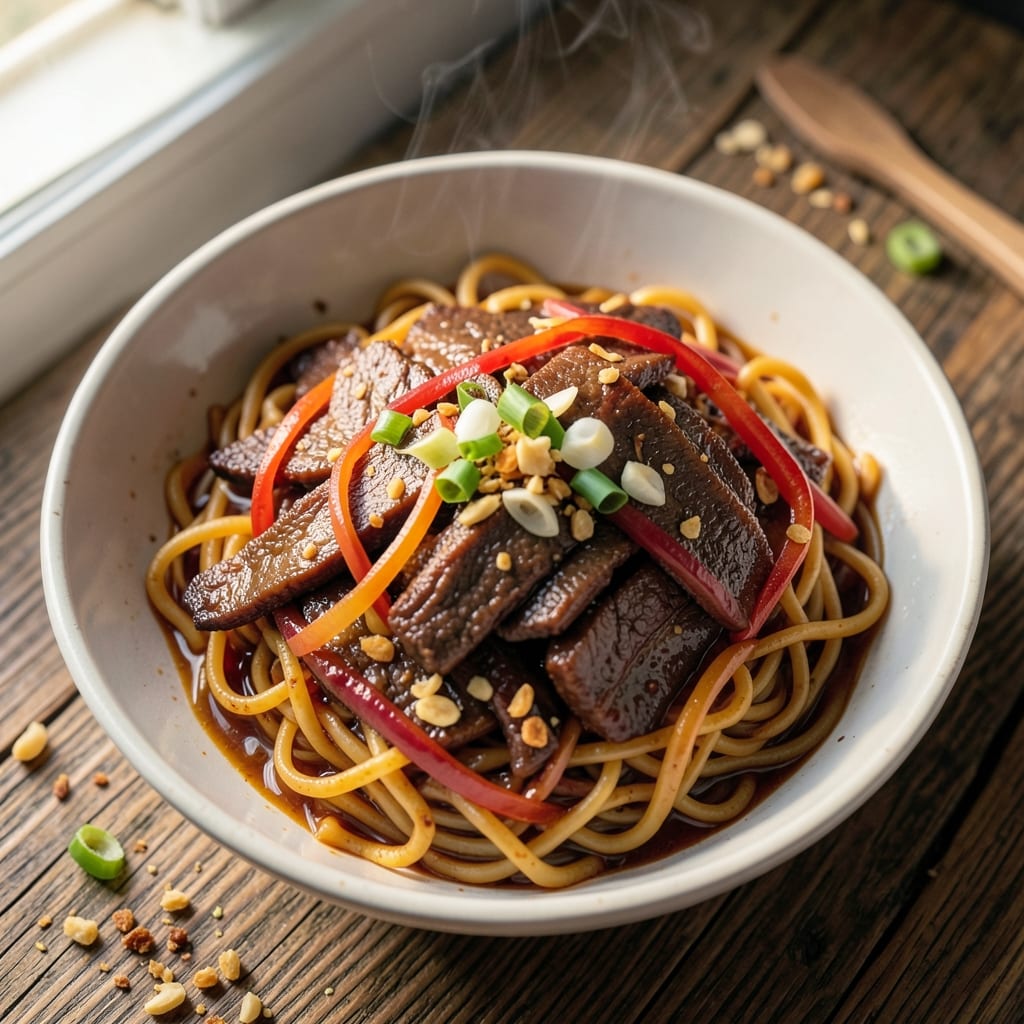
This authentic beef yakisoba recipe delivers the smoky, savory depth of Japan's most beloved stir-fried noodle dish right to your kitchen. The secret lies in properly marinating the beef for tender, flavorful bites and achieving that signature charred onion aroma that defines yakisoba. I've perfected the balance between rich umami sauce and the crisp-tender texture of wok-tossed noodles, creating a dish that's both restaurant-worthy and approachable for home cooks.
The foundation begins with properly prepared yakisoba noodles—thick, chewy, and perfectly cooked al dente. Thinly sliced beef tenderizes beautifully in a marinade of soy sauce, Worcestershire, and mirin, while the onions caramelize to sweet perfection in the wok. What sets this recipe apart is the layered umami flavor from dashi stock and a touch of sugar that balances the savory notes without overpowering the dish.
By the time you're done, you'll have a steaming plate of wok-tossed noodles coated in a glossy, slightly sticky sauce with tender beef slices, charred onions, and crisp vegetables. The aroma alone will have everyone at the table anticipating that first forkful—rich, smoky, and packed with authentic Japanese flavors. This is the kind of dish that transforms a simple weeknight dinner into a memorable experience.
Serve with pickled ginger on the side and a sprinkle of bonito flakes for that authentic touch. The recipe scales beautifully for feeding a crowd, making it perfect for gatherings or when you want to impress guests with restaurant-quality Japanese home cooking. Let's get started on creating your perfect bowl of yakisoba.
Ingredients for authentic beef yakisoba
Fourteen ingredients. One wok. Restaurant-quality yakisoba in your kitchen.
| Ingredient | Amount | Notes |
|---|---|---|
| Yakisoba Noodles 🍜 | 12 oz | Dried, fresh-cut preferred |
| Beef Top Round Roast 🥩 | 1 lb | Thinly sliced against grain |
| Yellow Onions 🧅 | 2 large | Thinly sliced for charring |
| Soy Sauce 🍶 | ½ cup | Japanese preferred, not reduced |
| Worcestershire Sauce 🍶 | 1 tbsp | For umami depth |
| Mirin 🍶 | 2 tbsp | Sweet cooking rice wine |
| Dashi Stock 🍲 | ½ cup | Instant or homemade |
| Granulated Sugar 🍚 | 1 tbsp | Balances savory notes |
| Vegetable Oil 🫒 | 2 tbsp | High smoke point |
| Fresh Ginger Root 🧡 | 1 inch | Peeled, grated finely |
| Garlic Cloves 🧄 | 4 cloves | Minced for marinade |
| Green Bell Pepper 🌶️ | 1 whole | Thinly sliced, optional |
| Sesame Seeds 🌰 | 1 tbsp | Toasted for garnish |
| Pickled Ginger 🍋 | ¼ cup | For serving, optional |
| Bonito Flakes 🐟 | 1 tbsp | For authentic aroma |
The beef is non-negotiable here—top round roast slices beautifully and stays tender. Grab it from the butcher counter, not pre-packaged. Japanese soy sauce (like Kikkoman) makes all the difference—it's sweeter and richer than American versions. For the onions, yellow onions caramelize best, but red or white work too. Fresh ginger and garlic? Buy it fresh—the dried stuff just doesn't cut it. I always grab extra ginger because it's used in both the marinade and the sauce. The yakisoba noodles? Fresh-cut if you can find them, but dried works in a pinch—just boil them al dente.
No mirin? Dry sherry plus 1 tsp sugar gets you close. Short on dashi? Vegetable broth plus 1 tsp kombu powder works. The Worcestershire sauce is key for that umami punch—Lea & Perrins is the classic choice. Skip the bell pepper if you're feeling traditional, but it adds a nice crunch. For the sesame seeds, toast them in a dry pan for 30 seconds—they'll smell amazing and taste even better. The bonito flakes are optional but worth it for that signature aroma. If you can't find them, skip it or use a pinch of dried seaweed flakes.
This sauce reheats beautifully—just add a splash of water to loosen it. Keeps for 4-5 days in the fridge. The noodles? Cook them fresh and keep them warm in a bowl of hot water while you finish the stir-fry. For serving, I always portion the noodles first, then top with the beef and sauce. The pickled ginger and bonito flakes go on just before eating—trust me on this. Leftovers? Freeze the sauce separately and toss with fresh noodles later.
Why You'll Love This Recipe
- No Boil, No Stress: I swear by the quick-soak method for those noodles—just hot water, a splash of oil, and 5 minutes later, they’re ready. That beef top round? It caramelizes into tender, flavor-packed strips with almost no effort, while the onions add sweetness without extra chopping.
- Umami Bomb: The combo of soy and Worcestershire on that beef? It’s like a secret weapon—deep, savory, and just a little tangy. The noodles soak up all the richness, and the crispy bits at the bottom? That’s where the magic happens.
- Lunchbox Hero: Between us, this is my go-to for packed lunches—it reheats like a dream and keeps well for days. Cold or warm, it’s a hit with coworkers (or my kid, who sneaks bites before school). Honestly, I make double batches just for this.
- Budget Powerhouse: Top round roast is cheap, and a single package of yakisoba noodles feeds four. Leftovers? Even better cold the next day. I’ll be real: this recipe saved me from takeout more times than I can count.
Step-by-step instructions for authentic beef yakisoba
Here's how to make restaurant-style yakisoba with that perfect charred onion crunch and umami-packed beef.
Prepare the Beef Marinade and Char the Onions
In a small bowl, combine the 0.5 cup soy sauce, 1 tbsp Worcestershire sauce, 2 tbsp mirin, 1 tbsp granulated sugar, 1 inch grated fresh ginger root, and 4 minced garlic cloves. Thinly slice the 1 lb beef top round roast against the grain and marinate for 15-20 minutes—this keeps the meat tender while adding deep flavor.
While the beef marinates, heat 1 tbsp vegetable oil in a wok or large skillet over high heat. Add the 2 large thinly sliced yellow onions and stir-fry for 5-6 minutes until deeply caramelized and slightly charred. Remove from heat and set aside—these onions are the star of your dish. Keep the wok hot for the next step.
Cook the Beef and Prepare the Sauce Base
Add the remaining 1 tbsp vegetable oil to the hot wok. Working in batches if needed, cook the marinated beef for 1-2 minutes per side until browned but still slightly pink inside. Remove the beef and set aside. The residual heat will finish cooking it later.
To the same wok, add 1 tbsp bonito flakes and let them sizzle for 10-15 seconds—this adds that authentic umami aroma. Immediately pour in 0.5 cup dashi stock and scrape up any browned bits. Add the 1 whole thinly sliced green bell pepper (if using) and toss for 1 minute until just tender.
Cook the Yakisoba Noodles and Combine Everything
Bring a large pot of water to a rolling boil and cook the 12 oz yakisoba noodles for 4-5 minutes until al dente. Drain well, reserving ½ cup pasta water, then rinse briefly under cold water to stop cooking. Toss the noodles with 1 tbsp toasted sesame seeds to add nutty flavor.
Return the wok to medium-high heat. Add the cooked noodles, beef, and charred onions to the wok. Pour in the sauce base along with the reserved ½ cup pasta water. Toss everything together vigorously for 2-3 minutes until the noodles are fully coated and heated through. The sauce should be glossy but not watery—add a splash more pasta water if needed.
Finish and Serve with Authentic Touches
Taste and adjust seasoning with a pinch of salt if needed. The dish should balance sweet, salty, and umami flavors. Transfer to serving plates and garnish with 0.25 cup pickled ginger on the side—this cuts through the richness and adds a refreshing tang.
Serve immediately while hot. The noodles should be tender but still have bite, the beef perfectly tender with charred edges, and the onions caramelized with crispy bits. This is where home-style yakisoba becomes restaurant-worthy—every element needs to shine.
Pro Tips For Making Authentic Beef Yakisoba
- CUT BEEF THIN AND LONG: Top round roast is tough—slice it against the grain into paper-thin strips (about 1/8-inch thick) before stir-frying. I used to chop it thicker, and the texture ended up chewy instead of tender. A sharp knife and steady hand make this easier than it looks.
- SWEAT ONIONS FIRST: Cook the yellow onions in oil over medium-low heat until translucent and slightly caramelized (about 5 minutes) before adding beef. Skipping this step means your onions stay raw and bitter, and the beef won’t brown properly. It’s the base flavor—don’t rush it.
- SAVE THE NOODLE WATER: Boil your yakisoba noodles, but drain them just enough to keep a cup of starchy water in the pot. Toss the noodles in the pan with a splash of this water—it adds silkiness and prevents them from sticking. I learned this after slurping dry noodles straight from the package.
- BALANCE SAUCE WITH ACID: For every tablespoon of soy sauce, add ½ teaspoon Worcestershire and a pinch of sugar (or a dash of mirin if you have it). The acid cuts the richness, and the sugar rounds out the bitterness—otherwise, the sauce tastes flat. Yes, even if the recipe doesn’t mention it.
Health benefits of authentic beef yakisoba
Protein Powerhouse
This beef yakisoba delivers a substantial 30-35 grams of protein per serving—perfect for muscle repair and satiety. The lean top round roast provides high-quality protein without excessive fat, making it ideal for balanced meals. Pairing it with yakisoba noodles (which contain 10-12 grams of protein per serving) creates a complete protein profile when combined with the sauce's soy and dashi components. 💪
Umami-Rich Flavor
The sauce's combination of soy sauce, Worcestershire, and dashi stock creates a powerful umami punch that enhances flavor without adding calories. Umami compounds like glutamate in soy sauce stimulate taste buds, making each bite more satisfying. The mirin and sugar add just enough sweetness to balance the savory notes, creating a harmonious flavor profile that feels indulgent yet light. This umami depth is why yakisoba is so universally loved.
Fiber for Digestion
Both the yakisoba noodles and charred onions contribute valuable fiber to this dish. The noodles provide 4-5 grams of fiber per serving, while the onions add 3-4 grams—especially when caramelized, which enhances their natural sweetness and digestive benefits. This fiber content helps keep you full longer and supports gut health. The optional green bell pepper adds another 2 grams of fiber, boosting the dish's nutritional value even further.
Balanced Carbs
The noodles serve as a smart carbohydrate source, providing 45-50 grams of complex carbs per serving to fuel your body with sustained energy. Unlike refined white noodles, yakisoba noodles often contain whole wheat or barley, offering additional nutrients like B vitamins and minerals. The charred onions and beef add natural sweetness and protein, creating a perfectly balanced plate that stabilizes blood sugar levels better than simple carbs alone.
Low-Fat, High-Flavor
With only 8-10 grams of fat per serving, this dish is surprisingly light for its rich flavors. The fat comes primarily from the vegetable oil used for stir-frying and the natural fats in beef, but the overall profile is lean. The secret to the dish's satisfying richness lies in the umami bomb of the sauce rather than heavy fats. This makes it a great option for those watching their fat intake without sacrificing taste. 🌟
Bonus Nutrients
Don't overlook the micronutrients in this dish! The charred onions provide vitamin C and quercetin (a powerful antioxidant), while the green bell pepper adds vitamin A and vitamin C. The ginger and garlic in the marinade contribute anti-inflammatory compounds, and the sesame seeds offer calcium, magnesium, and healthy fats. Even the pickled ginger garnish adds a touch of vitamin A from its natural ingredients. Every component works together to create a flavorful, nutrient-dense meal.
Nutrition facts
Frequently asked questions
Can I use regular spaghetti instead of yakisoba noodles?
While you can substitute spaghetti in a pinch, it won't be authentic. Yakisoba noodles are thicker, chewier, and specifically designed for stir-frying. For the best texture, look for fresh-cut yakisoba noodles at Asian markets or use udon noodles if you can't find yakisoba. If using spaghetti, cook it al dente and toss with a little sesame oil to mimic the texture slightly.
What's the secret to tender beef in yakisoba?
The key is slicing against the grain and marinating for 15-20 minutes in soy sauce, Worcestershire, and mirin. Thin slices cook faster and stay tender. For extra tenderness, slice the beef very thinly (about 1/8-inch thick) and avoid overcooking—it should be slightly pink inside when done.
Can I make this recipe without bonito flakes?
Yes, but you'll miss that signature umami aroma. For a substitute, use 1 tbsp dried shiitake powder or a pinch of MSG (if you're okay with it). Another option is to add 1 tsp fish sauce to the sauce base. The flavor won't be identical, but it'll still taste delicious. Just add it when you're building the sauce to infuse the flavors.
How do I prevent the noodles from getting mushy?
Cook the noodles al dente (about 4-5 minutes for fresh-cut yakisoba), then rinse briefly in cold water to stop cooking. Toss them with a little sesame oil before adding to the wok. Work quickly when combining everything—don't let the noodles sit in the sauce too long after cooking. Also, make sure your wok is properly heated before adding the noodles.
Can I make yakisoba ahead of time?
You can prep components ahead, but not the final dish. Marinate the beef and make the sauce base up to 1 day in advance. Store separately in the fridge. Cook the noodles fresh and assemble just before serving. The sauce reheats well, but the noodles are best when fresh and hot. For leftovers, store the sauce separately and toss with fresh noodles later.