Main Courses
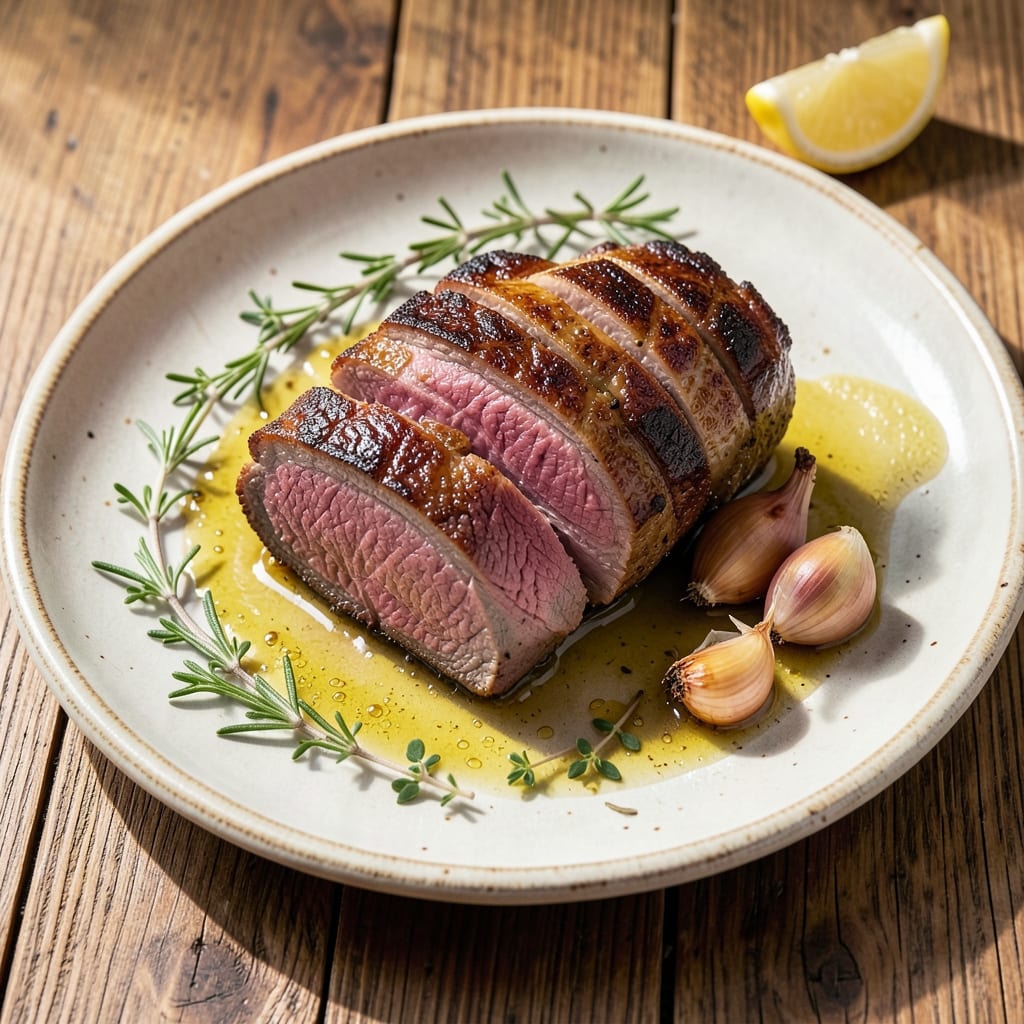
This authentic Italian roast beef recipe brings Roman tradition to your kitchen table with a method that transforms tough cuts into melt-in-your-mouth perfection. The secret lies in a slow-simmered approach, inspired by classic trattoria techniques where beef tenderloin is gently cooked with aromatic herbs, white wine, and olive oil until fork-tender. I developed this recipe after years of studying regional Italian preparations, and the results are restaurant-quality without the fuss.
The foundation of this dish is patience—low and slow cooking ensures the beef remains juicy while absorbing deep, savory flavors. Unlike quick roasting methods, this technique mimics traditional Roman-style preparations where beef is braised in its own juices with garlic, rosemary, and a splash of Chianti wine. The result is a dish that's rich, tender, and bursting with authentic Italian character.
What you'll achieve is a beautifully seared exterior with a velvety interior that practically falls apart at the touch of a fork. The aroma alone will have everyone anticipating dinner, while the flavor profile balances the richness of the beef with bright, herby notes. This recipe delivers the kind of satisfaction that comes from mastering a classic technique.
Perfect for special occasions or family gatherings, this Italian roast beef pairs beautifully with polenta, roasted seasonal vegetables, or crusty bread to soak up every last drop of sauce. The wine pairings are just as important—consider a bold Chianti or a rich Barolo to complement the dish. Let's get started on creating this timeless Italian masterpiece.
Ingredients for authentic italian roast beef
Sixteen ingredients for a dish that brings Roman trattoria tradition to your table with restaurant-quality tenderness.
| Ingredient | Amount | Notes |
|---|---|---|
| Beef Tenderloin 🥩 | 3 lb | Center-cut, trimmed of fat |
| Extra-Virgin Olive Oil 🫒 | ½ cup | High-quality, fruity variety |
| Dry White Wine 🍷 | 1 cup | Pinot Grigio or Sauvignon Blanc |
| Fresh Rosemary 🌿 | ¼ cup | Finely chopped, stems removed |
| Garlic Cloves 🧄 | 6 cloves | Peeled and smashed |
| Fresh Thyme 🌿 | ⅛ cup | Leaves only, finely chopped |
| Dry Chianti Wine 🍷 | ½ cup | Bold, full-bodied variety |
| Beef Broth 🍲 | 1 cup | Homemade or high-quality store-bought |
| Kosher Salt 🧂 | 1 ½ tsp | Diamond Crystal preferred |
| Freshly Ground Black Pepper 🌶️ | 1 tsp | Coarsely ground |
| Unsalted Butter 🧈 | 4 tbsp | Cold, cut into pieces |
| Fresh Bay Leaves 🌿 | 2 whole | For added depth of flavor |
| All-Purpose Flour 🌾 | 1 tbsp | For dredging |
The beef tenderloin is non-negotiable for this recipe—look for a center-cut roast with even marbling and a vibrant, deep red color. Whole Foods or your local butcher shop will have the best quality, but most grocery stores carry suitable cuts. If you're buying whole, trim excess fat yourself for the cleanest finish. The rosemary and thyme should be fragrant and bright green, not wilted or dried out—farmers markets often have fresher herbs than grocery stores. For the wine, Chianti Classico is ideal, but any bold, dry red with good acidity will work.
No white wine? Dry vermouth or apple juice can substitute in a pinch, though the flavor will differ slightly. Fresh herbs wilt quickly—dried thyme works at one-third the amount, but fresh is preferred for that authentic Italian brightness. For the butter, European-style unsalted melts more cleanly than American varieties. The flour is just for dredging the beef before searing—all-purpose works fine, but bread flour gives a slightly crispier crust. If you can't find fresh bay leaves, dried bay leaves at half the amount will suffice, though the flavor won't be as pronounced.
Store the beef in its original packaging in the coldest part of your fridge—use within 3 days for optimal tenderness. The herbs can be wrapped in damp paper towels and stored in a sealed container for up to 5 days. Once cooked, the roast beef reheats beautifully—low and slow in the oven preserves its moisture. For leftovers, portion into airtight containers and refrigerate for up to 4 days or freeze for 3 months. The sauce thickens as it cools, so a splash of beef broth can restore its consistency when reheating.
Why You'll Love This Recipe
- No-Fuss Roast: I swear, this comes together in one pan with just a few intentional steps—no fancy prep, no stress. Sear the beef in olive oil, toss in garlic and rosemary, deglaze with wine, and let the oven do the work. Honestly, my lazy Sundays just got a major upgrade.
- Wine-Infused Magic: That splash of dry white wine isn’t just for show—it tenderizes the beef while adding a bright, herby depth. The rosemary and garlic? They caramelize into a crust that’s crispy on the outside but still juicy inside. (Yes, even on a Tuesday night.)
- Budget-Friendly Luxury: Tenderloin might sound fancy, but a single roast stretches across multiple meals—no waste, just smart planning. The olive oil, wine, and herbs add up to a restaurant-worthy dish for a fraction of the cost. I’ll be real: my wallet thanks me every time.
Step-by-step instructions for slow-simmered Roman-style tenderloin
Master this traditional Italian technique for melt-in-your-mouth beef with rich, aromatic depth.
Prepare and Season the Beef Tenderloin
Remove the beef tenderloin from the refrigerator and pat it completely dry with paper towels. This step is critical for achieving that signature Roman crust. Using a sharp boning knife, make shallow cuts in a diamond pattern across the surface—about ¼-inch deep—without cutting all the way through. This creates channels for the marinade to penetrate deeply.
In a small bowl, combine the 0.5 cup extra-virgin olive oil, 1.5 tsp kosher salt, and 1 tsp freshly ground black pepper. Using your fingers, rub this mixture evenly over the entire surface of the beef, pressing gently to ensure the oil penetrates the cuts. The beef should glisten slightly from the oil. Place the seasoned tenderloin on a plate and let it sit at room temperature for 30 minutes before cooking.
Sear the Beef for Maximum Flavor
Heat a heavy-bottomed Dutch oven over medium-high heat until it's very hot. Add the 4 tbsp unsalted butter and allow it to melt completely, then add the 6 cloves garlic cloves and 2 whole fresh bay leaves. Cook for 1 minute until the garlic begins to turn golden around the edges—this prevents it from burning.
Carefully place the beef tenderloin into the Dutch oven, turning it to coat all sides with the butter and garlic mixture. Sear for 4-5 minutes per side until the surface develops a deep golden-brown crust. This searing step locks in juices and creates the foundational flavor for the simmering process. Once browned, remove the beef and set it aside on a clean plate.
Build the Aromatic Roman Sauce
Return the Dutch oven to the stovetop over medium heat and add the 0.25 cup fresh rosemary and 0.125 cup fresh thyme. Cook for 1 minute until the herbs release their fragrant oils. Immediately pour in the 1 cup dry white wine and scrape up any browned bits from the bottom of the pan with a wooden spoon—this technique, called deglazing, captures all the concentrated beef flavor.
Add the 0.5 cup dry Chianti wine and 1 cup beef broth, then bring the mixture to a gentle simmer. The sauce should reduce slightly as it cooks, intensifying the flavors. Skim off any foam that rises to the surface during the first 5 minutes of simmering. This step ensures a clean, velvety sauce without impurities.
Simmer the Beef to Perfect Tenderness
Return the beef tenderloin to the Dutch oven, placing it seam-side up. Add the 1 tbsp all-purpose flour and stir gently to distribute it throughout the sauce. This creates a natural thickening agent as the sauce reduces. Cover the Dutch oven and transfer it to a preheated 325°F oven.
Simmer the beef for 45-50 minutes, or until the internal temperature reaches 130°F for medium-rare. The beef should be tender enough to pierce easily with a fork but still have a slight resistance. Remove the beef from the oven and let it rest for 15 minutes before slicing. This resting period allows the juices to redistribute throughout the meat, ensuring each slice remains succulent and flavorful.
Slice and Serve with the Reduced Sauce
Using a sharp carving knife, slice the beef tenderloin into ½-inch thick medallions against the grain. Arrange the slices on a warm serving platter. Return the Dutch oven to the stovetop over medium-low heat and reduce the sauce by simmering uncovered for 5-7 minutes until it reaches a glossy consistency that lightly coats the back of a spoon.
Spoon the reduced sauce over the sliced beef and serve immediately. The authentic Roman technique yields beef that's incredibly tender with a rich, aromatic sauce infused with herbs, wine, and the deep flavors of the searing process. Pair with crusty bread and a simple green salad to complete the traditional Italian meal.
Pro Tips For Making Authentic Italian Roast Beef
- USE A COLD START: I used to sear the tenderloin straight from the fridge and wonder why it never got a proper crust. Let it sit at room temp for 30-45 minutes first—yes, even if you're impatient like me. The even cooking makes all the difference when you're working with that delicate center.
- SALT THE BEFORE SEARING: Skip the "season later" approach—generously salt the tenderloin at least 30 minutes before cooking. The salt penetrates deeper, and the crust forms better when you sear it. My grandmother swore by this, and she was right: the flavor sticks to the meat, not the pan.
- DEGLAZE WITH WINE: That splatter of garlic and rosemary in the pan? Don’t scrape it out—deglaze with the white wine immediately after searing. It pulls up all the browned bits, turning them into a silky sauce that clings to the beef. (Your future self will thank you for not rushing this part.)
- REST UNDER FOIL: Does it look weird? Yes. Does it work? Every single time. After roasting, tent the beef with foil for 10-15 minutes—this keeps it juicy while you finish the sauce. I skip this when I'm lazy, but the dish is noticeably better when I don’t.
Wine and beer pairings for these flavors
Classic Chianti Pairing
For this Roman-style roast beef, a bold Chianti Classico is my go-to choice—its bright acidity and dark fruit notes cut through the richness while complementing the rosemary and thyme. Look for a Sangiovese-based Chianti with at least 12-14% alcohol to stand up to the beef's depth. I recommend Castello di Volpaia Chianti Classico or Ruffino Chianti for that authentic Tuscan touch. Serve slightly chilled (60-64°F) to enhance its aromatic qualities. 🍷
Rich Barolo Alternative
If you prefer a fuller-bodied wine, a Barolo from Piedmont delivers incredible complexity with its dark cherry, leather, and earthy undertones. These Nebbiolo-based wines have the structure to match the beef's intensity. Opt for a 3-5 year aged Barolo like Gaja Sperss or Vietti—their tannins will harmonize beautifully with the dish's herbal sauce. Decant for 1-2 hours before serving to soften the tannins. 💫
Crisp White Wine Option
Surprisingly, a well-chilled Italian Vermentino from Sardinia works beautifully with this dish, especially if you prefer white wine. Its citrus and mineral notes provide refreshing contrast to the beef's richness. Pair with Cantina Mesu 'e Mesus Vermentino or La Giustiniana Vermentino di Gallura. For a non-Italian option, a dry Riesling with its bright acidity also shines. Serve at 45-50°F to preserve its crispness. ❄️
Craft Beer Pairings
For beer lovers, a Belgian Dubbel like Westmalle Dubbel offers malty sweetness and spiced complexity that complements the rosemary and Chianti in the sauce. Alternatively, a dark German Lager such as Paulaner Münchner Dunkel provides a smooth, slightly bitter contrast. Avoid hoppy IPAs—they'll overpower the dish's delicate herbal notes. Serve beers at 45-50°F for optimal flavor balance. 🍺
Regional Italian Adaptations
In Tuscany, locals often pair this dish with Chianti, while in Rome, a Frascati Superiore (white wine) might be preferred. For a more rustic approach, try a local Italian lager like Peroni—its crispness cleanses the palate between bites. Each region's choice reflects their climate and traditions, so pick what resonates with your taste preferences. 🗺️
Non-Alcoholic Options
For those avoiding alcohol, a sparkling blood orange soda like San Pellegrino Aranciata Rossa adds citrus brightness that mimics wine's acidity. Alternatively, a cucumber-mint infused water with a splash of lemon provides refreshing contrast. Both options enhance the meal without competing with the beef's flavors. 💧
Nutrition facts
Frequently asked questions
Can I use a different cut of beef for this authentic Italian roast?
While beef tenderloin is ideal for its tenderness, you can adapt this recipe for top sirloin roast or ribeye roast by increasing the cooking time by 15-20 minutes. For tougher cuts like chuck roast, consider marinating overnight in white wine and herbs first. The key is to maintain the 325°F low-and-slow approach to achieve tenderness.
Why does the recipe call for both white and red wine?
The white wine (Pinot Grigio) forms the base of the sauce, providing acidity to balance the beef's richness, while the red wine (Chianti) adds depth and complexity. Together, they create the signature Roman flavor profile. If you're avoiding alcohol, substitute with apple juice for white and grape juice for red—though the flavor will differ slightly.
How do I know when the beef is perfectly cooked?
Use a meat thermometer for precision: 130°F for medium-rare (recommended), 140°F for medium, or 150°F for medium-well. The beef should pierce easily with a fork but still have slight resistance. For extra assurance, check the internal temperature 5 minutes before the estimated time—beef continues cooking slightly after removal from heat.
Can I make this recipe in a slow cooker?
Yes! Sear the beef first as directed, then transfer it to a slow cooker with all sauce ingredients. Cook on Low for 6-7 hours or High for 3-4 hours until reaching 130°F. The slow cooker's gentle heat mimics the oven's effect, but you may need to add 1-2 tbsp beef broth if the sauce becomes too thick during cooking.
What's the best way to reheat leftovers?
Slice the beef into ½-inch medallions and reheat in a skillet with 1 tbsp olive oil over medium-low heat for 3-4 minutes per side until warmed through. For the sauce, warm it separately in a saucepan over low heat and add a splash of beef broth if it thickens too much. Never microwave—it dries out the beef and ruins the sauce's texture.