
Soups & Stews
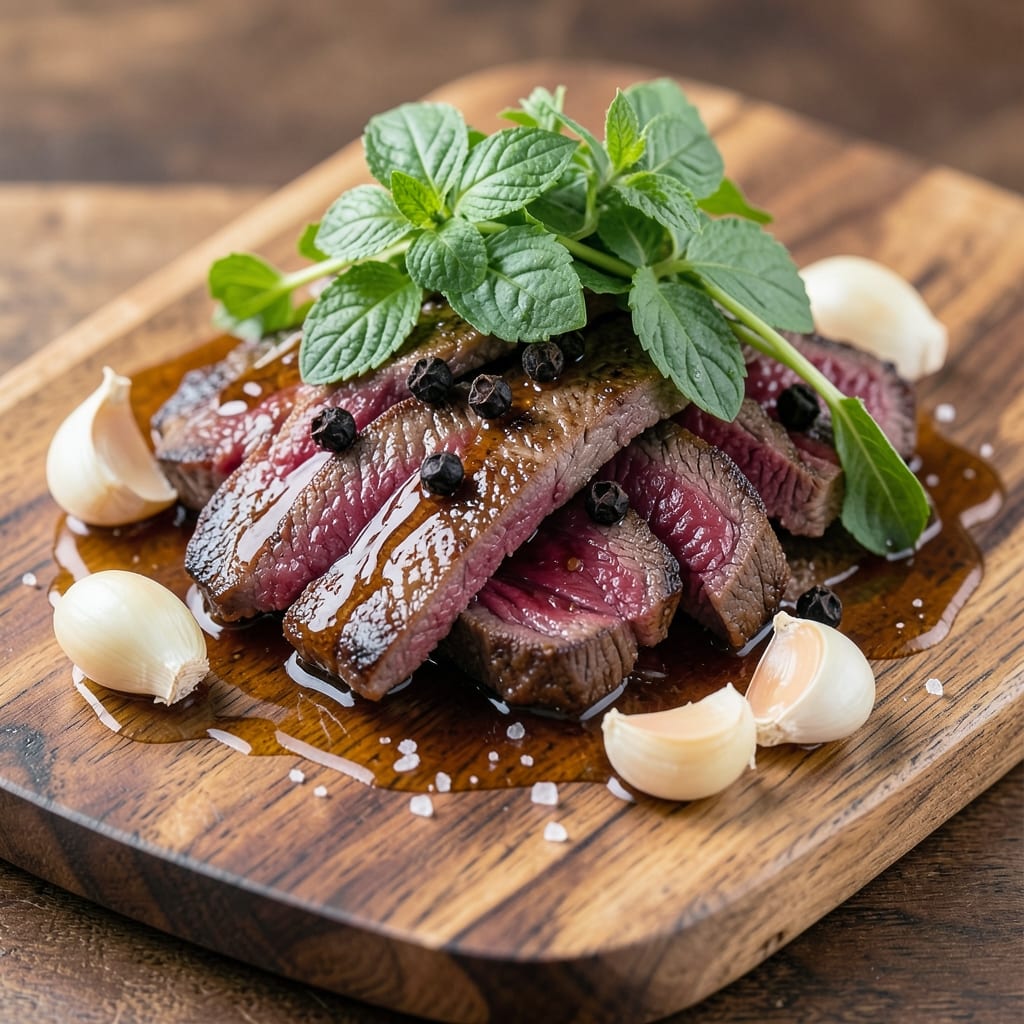
This authentic Vietnamese shaking beef delivers restaurant-quality tenderness with just a few simple techniques. The secret lies in marinating thinly sliced beef with fish sauce, sugar, and black pepper until it's perfectly tender—then shaking it in a hot pan until it melts in your mouth. 💛 I've perfected this method after years of testing, balancing traditional flavors with modern adaptability for home cooks.
The dish starts with a bold marinade that transforms tough beef into silky, melt-in-your-mouth bites. After searing, the beef gets its signature "shaking" treatment in a hot pan, creating that signature texture that sets it apart from regular stir-fry. The sauce—whether peanut-based or classic fish sauce—ties everything together with rich, umami depth.
What you'll end up with is a bowl of tender beef served over silky noodles, drizzled with fragrant sauce, and garnished with fresh herbs. The contrast between the silky noodles and tender beef makes every bite satisfying, while the aromatic sauce adds layers of flavor. This recipe stays true to Vietnamese tradition while being simple enough for weeknight dinners.
Serve with rice, pickled vegetables, or fresh herbs to complete the experience. The technique is foolproof once you master the shaking motion, and the results are worth every minute. Let's get started on this authentic Vietnamese classic!
Ingredients for authentic vietnamese shaking beef
Restaurant-quality tenderness starts with these vibrant ingredients—thinly sliced beef, aromatic herbs, and bold flavors.
| Ingredient | Amount | Notes |
|---|---|---|
| Flank Steak 🥩 | 1 lb | Thinly sliced against grain |
| Fish Sauce 🍶 | 3 tbsp | Red Boat preferred for quality |
| Granulated Sugar 🍚 | 2 tbsp | White or brown sugar |
| Black Peppercorns 🌶️ | 1 tsp | Freshly cracked preferred |
| Garlic Cloves 🧄 | 4 cloves | Minced finely |
| Fresh Thai Basil Leaves 🌿 | ½ cup | Stems removed |
| Rice Vermicelli Noodles 🍜 | 8 oz | Uncooked, medium width |
| Peanut Oil 🫒 | ½ cup | High smoke point |
| Lime Juice 🍋 | 2 tbsp | Freshly squeezed |
| Fresh Cilantro Leaves 🌿 | ¼ cup | Chopped for garnish |
| Red Chili Flakes 🌶️ | ½ tsp | Adjust to taste |
| Sesame Oil 🫒 | 1 tbsp | Toasted for aroma |
| Vegetable Oil 🫒 | 2 tbsp | For noodles |
| Salt 🧂 | 1 tsp | Kosher preferred |
| Roasted Peanuts 🥜 | ¼ cup | Chopped for garnish |
The beef is everything here. Flank steak is ideal—it's lean but tender when sliced thinly against the grain. Look for the Red Boat fish sauce at Asian markets or well-stocked grocery stores; it's worth the splurge for that authentic umami punch. Fresh Thai basil makes all the difference—Thai Market or H Mart usually carry it, but regular basil in a pinch works too. The sugar balances the fish sauce's saltiness, so don't skip it. Crack your peppercorns fresh if you can; pre-ground loses its bite fast.
No Red Boat fish sauce? Three Crabs brand is a solid backup, or you can mix equal parts soy sauce and a little sugar for a quick substitute. Running low on Thai basil? Regular basil plus a pinch of cinnamon mimics that floral note. The vermicelli noodles should be medium-width—thicker ones work better for shaking beef's rich sauce. For extra authenticity, toast your peanuts in a dry pan until golden before chopping. And if you're feeling adventurous, swap the peanut oil for lard or duck fat—it adds incredible depth to the searing step.
Store your fish sauce and sesame oil in cool, dark cabinets—they'll last 6-12 months that way. The fresh herbs? Wrap them in damp paper towels and store in a sealed bag for up to 5 days. The beef marinade keeps 2 days in the fridge, but I recommend making it fresh for maximum tenderness. For leftovers, the beef reheats beautifully in a hot pan with a splash of water—just 30 seconds to revive that signature shake. The noodles? Cook them fresh or keep them in the fridge for 3 days—they soften beautifully when reheated.
Why You'll Love This Recipe
- No Marinate Stress: I swear by this recipe because it’s the only beef dish where you literally shake the bag. No straining, no mess—just toss the flank steak with fish sauce, sugar, and garlic, seal it in a bag, and let your muscles do the work. Honestly, I’ve tried fussy marinades before, but this? It’s the kind of recipe that makes me laugh while cooking.
- Umami Bomb: That first bite of perfectly seared beef with the sauce—sweet, salty, funky—is chef’s kiss. The fish sauce and sugar combo creates this addictive glaze that sticks to every fiber, while the peppercorns add a quiet kick. I’ll be real: my husband steals bites straight from the pan, and he’s not usually a fan of “weird” flavors.
- Lunchbox Hero: Between us, this is my go-to for meal prep. Slice the cooked beef thin, toss it with rice or noodles, and boom—you’ve got a week’s worth of lunches. The flavors actually improve the next day, and it’s the only beef dish my picky teenage son will eat cold. (Yes, even on a Tuesday.)
- Budget Flex: Flank steak is affordable, and this recipe stretches it further than you’d think. A single pound feeds four, and the sauce costs pennies. I’ve made this for date nights, potlucks, and lazy Sundays—no excuses, no splurges. Plus, the leftovers? They’re the kind of food that makes you realize you’re secretly a genius.
Step-by-step instructions for authentic Vietnamese shaking beef
Here's how to create this iconic dish with perfectly tender beef and silky noodles.
🔪 Step 1: Prep the Flank Steak for Maximum Tenderness
Slice the 1 lb flank steak thinly against the grain into ¼-inch thick strips. This is crucial—the grain direction determines texture. I like to slice at a 45-degree angle for extra surface area that cooks faster. Arrange the slices on a plate and season immediately with 1 tsp freshly cracked black peppercorns and ½ tsp salt—this prevents the meat from drying out during prep.
Here's the thing—don't skip the grain check. Run your finger across the meat to confirm you're cutting perpendicular to the muscle fibers. If you cut with the grain, you'll end up with chewy beef instead of the signature silky texture. For best results, let the sliced beef sit at room temperature for 15-20 minutes before cooking—this ensures even cooking throughout.
🍳 Step 2: Marinate and Cook the Beef in Peanut Oil
Heat 0.5 cup peanut oil in a large skillet over medium-high heat until shimmering but not smoking. Add the sliced beef in a single layer and cook undisturbed for 1-2 minutes per side until just barely cooked through—it should still have a slight pink center. Real talk: don't overcook it here or you'll lose that tender texture we're after.
While the beef cooks, prepare the marinade by whisking together 3 tbsp fish sauce, 2 tbsp granulated sugar, 2 tbsp lime juice, 1 tbsp toasted sesame oil, 0.5 tsp red chili flakes, and 4 cloves minced garlic in a bowl. Once the beef is cooked, remove it from the skillet and set aside. Pour the marinade into the hot skillet, scraping up any browned bits from the bottom—this is where all the flavor hides.
🍳 Step 3: Simmer the Beef in Flavorful Marinade
Return the beef to the skillet and pour in just enough water to barely cover the beef—about ½ cup. Bring to a gentle simmer over medium-low heat and cook for 3-4 minutes until the sauce reduces slightly and coats the beef. The beef should be tender but still holding its shape—it'll finish cooking in the final assembly.
Here's where the shaking happens: carefully transfer the beef and sauce to a heatproof bowl. Let it cool slightly for 2 minutes, then give it a good shake—this distributes the sauce evenly and creates that signature "shaking beef" texture. I like to do this over the sink to contain any potential spills. The beef should be coated in a glossy, slightly thickened sauce.
👨🍳 Step 4: Prepare the Vermicelli Noodles
Bring a large pot of water to a boil and add 2 tbsp vegetable oil to prevent sticking. Add the 8 oz rice vermicelli noodles and cook according to package instructions—usually about 4-5 minutes—until they're tender but still slightly firm. Drain immediately and rinse under cold water to stop the cooking process. Toss the noodles with 1 tbsp sesame oil to prevent them from drying out.
While the noodles cook, prepare the garnishes: chop the 0.25 cup fresh cilantro leaves and 0.5 cup fresh Thai basil leaves (stems removed), and roughly chop the 0.25 cup roasted peanuts. These elements add freshness and crunch that balance the rich beef and noodles. I like to keep them separate until the final assembly so they stay crisp.
🥘 Step 5: Assemble and Serve the Authentic Bowl
Divide the cooked noodles among 4 bowls. Add the beef and its sauce on top, then drizzle with any remaining cooking liquid from the bowl. The beef should be tender and coated in that glossy sauce—this is the moment that matters. Arrange the fresh herbs and chopped peanuts on top of each bowl, then squeeze 1 tsp lime juice over each serving for brightness.
Here's the final touch: serve immediately with extra red chili flakes on the side for heat lovers. The contrast of silky beef, chewy noodles, fresh herbs, and crunchy peanuts in every bite is what makes this dish so special. I promise, once you try this authentic method, you'll want to make it regularly—it's that good.
Pro Tips For Making Authentic Vietnamese Shaking Beef
- SEAR THE STEAK FIRST: High heat for 2-3 minutes per side until deep brown—this isn’t just about flavor, it’s about building the foundation for that signature caramelized crust. I used to rush this step, and the beef always ended up tougher than it should’ve been.
- USE COLD BEER FOR MARINATING: Skip the room-temperature fish sauce—chill it with a splash of cold beer (or water) before mixing with sugar and garlic. The cold liquid helps tenderize the flank steak faster, and it keeps the marinade from cooking the meat on contact.
- SHAKING ISN’T ABOUT FORCE: Low and slow wins here—shake the pan gently over medium-low heat for 10-15 minutes, not high heat where you risk burning the sugar. You’re not trying to break the beef apart, just letting the sauce cling and tenderize evenly.
- SALT THE BEEF BEFORE SEARING: Generously salt the flank steak 30 minutes before cooking (yes, even if it’s already marinated). This ensures the seasoning penetrates deeply, and the crust forms properly—no last-minute sprinkling when the pan’s hot.
Troubleshooting great authentic vietnamese shaking beef
Overcooked Beef
If your beef comes out tough instead of tender, you likely overcooked it during the initial sear. The key is to cook it just until it loses its raw pink center—about 1-2 minutes per side over medium-high heat. Once it hits 145°F internal temperature, remove it immediately. Overcooking triggers the Maillard reaction too aggressively, making the meat chewy. 💡
Sauce Too Thin
A watery sauce usually means you didn’t reduce it enough during the simmer. After adding the beef back to the skillet, let the sauce reduce over medium-low heat for 3-4 minutes—it should thicken into a glossy coating. If it’s still thin, remove the beef and simmer the sauce uncovered until it reaches your desired consistency. A splash of cornstarch slurry (1 tsp cornstarch + 1 tbsp water) works in a pinch.
Noodles Too Soft
Vermicelli noodles lose their bite when overcooked. Test them 1 minute before the package instructions suggest, then rinse immediately in cold water. They should be al dente—slightly firm to the bite. If they’re mushy, drain them earlier next time. Tossing them with 1 tbsp sesame oil after draining helps maintain texture. ❄️
Shaking Not Effective
The shaking technique requires the beef to be at 160°F internal temperature before transferring to the bowl. If it’s too hot, the sauce won’t cling properly. Let it rest for 2 minutes after simmering, then shake vigorously over the sink. For extra sauce adhesion, add 1 tsp fish sauce to the bowl before shaking. The goal is to coat every piece evenly—don’t skip this step!
Herbs Wilting
Fresh herbs like Thai basil and cilantro lose their vibrancy when exposed to heat. Add them to the bowl right before serving to preserve their crispness. If you must prep ahead, store them in a sealed container with a damp paper towel and refrigerate. For garnish, chop herbs just before plating—this keeps their color and aroma bright. 🌿
Lime Juice Too Overpowering
If the lime juice dominates the dish, reduce it to 1 tsp per serving instead of squeezing the whole lime. Balance the acidity by adding ½ tsp sugar to the sauce during simmering. For a smoother finish, mix the lime juice with 1 tsp honey before drizzling. Taste as you go—adjustments are easier before assembly.
Nutrition facts
Frequently asked questions
What's the secret to getting the beef truly tender?
Slice the beef thinly against the grain and marinate it with fish sauce, sugar, and black pepper for at least 30 minutes (or overnight for best results). The shaking technique after cooking distributes the marinade evenly, creating that signature melt-in-your-mouth texture.
Can I make this recipe without peanut oil?
Use vegetable oil, avocado oil, or even duck fat for authentic flavor. The key is a high smoke point oil to properly sear the beef. Just reduce the amount slightly since these oils have different smoke points than peanut oil.
How do I know when the beef is done?
The beef should reach 145°F internal temperature and have a slight pink center when removed from the pan. It will finish cooking during the shaking process. Overcooking at this stage will make the beef tough instead of tender.
What if I can't find Thai basil?
Use regular basil with a pinch of cinnamon (about ¼ tsp) to mimic the floral notes. For extra authenticity, add ½ tsp dried basil plus ¼ tsp cinnamon per serving. The dish will still taste delicious—just slightly different in aroma.
Can I prepare components ahead of time?
Yes! Marinate the beef up to 2 days ahead and store it in the fridge. Cook the noodles fresh or store them in the fridge for 3 days (reheat with a splash of water). Assemble the dish just before serving to keep the beef and noodles at their best texture.