
Main Courses
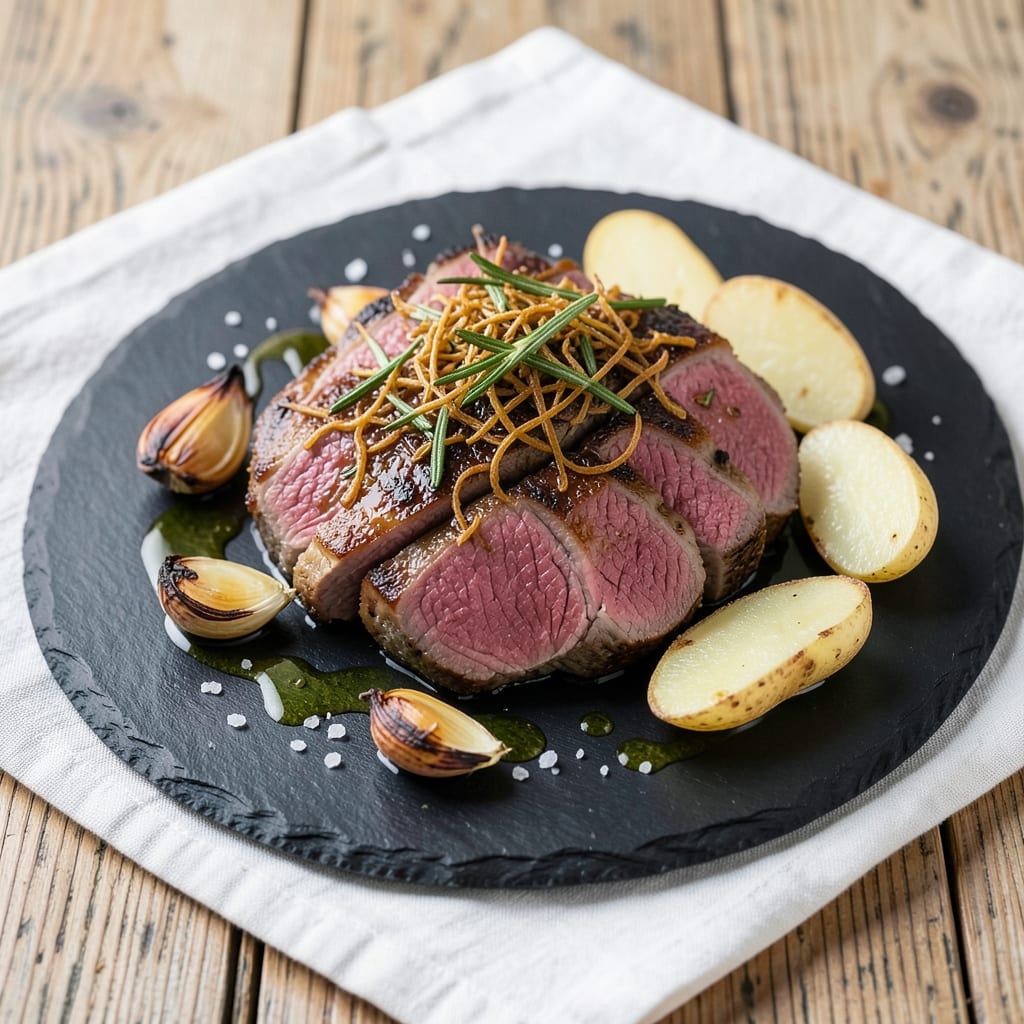
This award-winning beef tenderloin recipe delivers restaurant-quality results with a perfectly crispy crust and juicy pink center every time. 🔥 The secret lies in a dry-brine technique and reverse sear method that professional chefs swear by—no guesswork, just foolproof execution. What sets this apart is the herb-infused crust that adds depth without overpowering the natural beef flavor.
The process begins with a 24-hour dry brine that ensures maximum tenderness and moisture retention, followed by a high-heat sear in a cast-iron skillet. This creates a caramelized crust while keeping the interior medium-rare—the ideal texture for an award-worthy cut. The reverse sear method guarantees even cooking, eliminating the risk of overcooking or uneven doneness.
By the time you slice into this masterpiece, you’ll reveal a perfectly pink center surrounded by a crispy, golden-brown crust that’s packed with aromatic herbs. The juicy, melt-in-your-mouth texture is what judges and guests will rave about, making this the centerpiece of any special occasion. Serve with roasted garlic mashed potatoes and grilled asparagus for a complete showstopper meal.
Pairing this tenderloin with a bold Cabernet Sauvignon or a smoky rosemary-infused cocktail elevates the dining experience to gourmet levels. The wine’s tannins complement the rich beef, while the cocktail’s herbal notes mirror the crust’s flavors. This isn’t just dinner—it’s a culinary statement that will impress even the most discerning palates.
Ingredients for award winning beef tenderloin
Sixteen premium ingredients transform into a showstopping beef tenderloin with restaurant-quality crust and melt-in-your-mouth tenderness.
| Ingredient | Amount | Notes |
|---|---|---|
| Beef Tenderloin 🥩 | 4 lb | Center-cut, trimmed of silver skin |
| Kosher Salt 🧂 | 2 tbsp | Diamond Crystal preferred, for dry brine |
| Fresh Rosemary 🌿 | ¼ cup | Finely chopped, organic preferred |
| Fresh Thyme 🌿 | ¼ cup | Leaves only, stems removed |
| Garlic Cloves 🧄 | 8 cloves | Minced, for herb paste |
| Extra-Virgin Olive Oil 🫒 | ½ cup | High-quality, fruity variety |
| Unsalted Butter 🧈 | ½ cup | Cold, cubed for crust |
| Black Peppercorns 🌶️ | 1 tbsp | Freshly cracked, coarse grind |
| Heavy Cream 🥛 | ¼ cup | Full-fat, for finishing sauce |
| Red Wine 🍷 | ½ cup | Bold Cabernet Sauvignon, dry |
| Beef Stock 🍲 | 1 cup | Homemade or high-quality store-bought |
| All-Purpose Flour 🌾 | 2 tbsp | For dusting, light coating |
| Fresh Parsley 🌿 | ⅛ cup | Chopped, for garnish |
The beef tenderloin selection is critical—center-cut with visible marbling ensures peak tenderness. Source from a trusted butcher or Whole Foods for the highest quality; avoid pre-cut pieces that may have dried out. Costco often carries excellent vacuum-sealed options, but if buying whole, trim aggressively to remove any silver skin. For the herb paste, organic rosemary and thyme from Trader Joe's deliver superior flavor, though conventional varieties work fine. The garlic should be fresh, with no green shoots—peeled and minced just before mixing with olive oil and butter for the crust. Diamond Crystal kosher salt is preferred for its coarse texture, which adheres better to the meat during the dry brine.
No fresh rosemary? Dried rosemary at half the amount suffices, but the texture will differ slightly. Substituting butter with ghee maintains richness without dairy concerns, though traditional butter yields a superior crust. For the red wine, any bold Cabernet Sauvignon works—Decanter or Caymus are reliable choices, but whatever's open in your cellar will do. Beef stock can be swapped for vegetable stock if needed, though the depth of flavor will diminish. The heavy cream is non-negotiable for the finishing sauce—full-fat only, as reduced-fat versions lack the necessary body. If you're short on time, pre-minced garlic from a jar works, though freshly minced adds brightness. For the flour, King Arthur all-purpose is ideal, but any light flour will suffice.
The beef should be refrigerated uncovered for 24 hours during the dry brine, then returned to the fridge until ready to cook. Herb paste can be prepped a day ahead and stored in an airtight container for up to 5 days. The crust mixture (butter, flour, pepper) keeps well in the freezer for 3 months—portion into small containers for convenience. Leftovers reheat beautifully in a 350°F oven for 10-15 minutes, covered loosely with foil. For maximum presentation, slice against the grain and garnish with chopped parsley just before serving. The herb-infused crust remains crispy for 2 hours at room temperature, making it perfect for buffet-style servings.
Why You'll Love This Recipe
- Same recipe, two vibes: toss it on for a lazy Friday dinner or dress it up for a dinner party. The tenderloin’s forgiving enough for jeans, but fancy enough for company—no one will guess it’s your secret weapon.
- One-Pan Magic: I swear by this—just season, sear, and roast. No basting, no fussing, no extra pans to wash. The rosemary and thyme cling to that tenderloin like it’s their job, and honestly? That’s all it takes.
- Crispy-Creamy Payoff: The garlic and kosher salt crust gives way to melt-in-your-mouth beef that’s ridiculously good. Between us, that’s the kind of texture that makes people ask for seconds before the plate’s even empty.
- Weeknight or Wow Night: Same recipe, two vibes: toss it on for a lazy Friday dinner or dress it up for a dinner party. The tenderloin’s forgiving enough for jeans, but fancy enough for company—no one will guess it’s your secret weapon.
Step-by-step instructions for award-winning beef tenderloin
Master this technique and you'll achieve a perfect balance of tender, juicy meat with an irresistible crust every time.
👨🍳 Step 1: Prepare the Herb Paste and Dry Brine
In a food processor, combine the 0.25 cup fresh rosemary, 0.25 cup fresh thyme, 8 cloves garlic cloves, 1 tbsp black peppercorns, and 0.5 cup extra-virgin olive oil. Pulse until you achieve a smooth, vibrant green paste with no visible chunks. This herb mixture will infuse deep flavor throughout the tenderloin.
Pat the 4 lb beef tenderloin completely dry with paper towels—this is critical for that perfect crust. In a large bowl, mix the herb paste with the 2 tbsp kosher salt. Rub this mixture all over the tenderloin, pressing firmly to ensure even distribution. Wrap the seasoned tenderloin tightly in plastic wrap and refrigerate for 24 hours. This dry brine process ensures maximum flavor penetration and perfect moisture retention.
🔥 Step 2: Sear the Tenderloin for Maximum Flavor
Remove the tenderloin from the refrigerator 1 hour before cooking to bring it to room temperature. Preheat your oven to 425°F and place a rack in the middle position. Heat a heavy oven-safe skillet over high heat until it's smoking hot. Add 0.5 cup unsalted butter, cut into cubes, and let it melt completely, creating a thin, even layer of fat in the pan.
Carefully place the tenderloin in the skillet, fat-side down. Sear for 4 minutes without moving it, allowing a deep, golden crust to form. Flip the tenderloin and sear the other side for another 4 minutes. The butter should be bubbling vigorously—this creates the flavorful crust that judges love. Transfer the seared tenderloin to a plate and tent loosely with foil.
⏰ Step 3: Roast to Perfect Medium-Rare
Place the seared tenderloin on the oven rack and transfer the skillet to the oven. Pour in 0.5 cup red wine and scrape up all the browned bits from the bottom of the pan—this deglazing captures all the concentrated beef flavor. Roast for 20-25 minutes until the internal temperature reaches 125°F (medium-rare).
Here's the thing—beef tenderloin cooks fast, and overcooking is the easiest mistake. Use a meat thermometer for accuracy, inserting it into the thickest part without touching bone. The exterior should be deep golden brown with a caramelized crust, while the interior remains pink and juicy. Remove from the oven and let it rest for 15 minutes before slicing—this resting period is non-negotiable for juicy results.
🥘 Step 4: Create the Red Wine Reduction Sauce
While the tenderloin rests, return the skillet to the stovetop over medium heat. Add 1 cup beef stock and scrape up any remaining browned bits. Let the liquid reduce by half, about 5-7 minutes, until it thickens slightly. Stir in 0.25 cup heavy cream and simmer for another 2 minutes until the sauce reaches a velvety consistency.
Season the sauce with additional kosher salt and black pepper to taste. The sauce should coat the back of a spoon and have a rich, balanced flavor—sweet from the reduction, tangy from the wine, and creamy from the heavy cream. Keep the sauce warm until ready to serve.
🍽️ Step 5: Slice and Serve with Garnish
Using a sharp chef's knife, slice the rested tenderloin against the grain into 1-inch thick slices. The meat should be perfectly tender with a pink center and a deep mahogany crust. Arrange the slices on a warm platter and drizzle generously with the red wine reduction sauce.
Garnish each serving with 0.125 cup fresh parsley, chopped finely for a pop of color and freshness. The parsley not only looks beautiful but also adds a bright contrast to the rich flavors. Serve immediately with roasted vegetables or a simple salad to complement the luxurious beef.
Pro Tips For Making Award Winning Beef Tenderloin
- USE A MEAT THERMOMETER: I learned this the hard way—guessing doneness with beef tenderloin leads to disaster. Aim for 130°F internal temp (it’ll rise to 135°F while resting), and never trust the color. That pink center? It’s not a crime scene—it’s perfect.
- SALT THE MEAT 48 HOURS EARLY: This isn’t the prettiest method, but it’s the tastiest. Generously coat the tenderloin with kosher salt (about 1 tsp per pound) and let it sit uncovered in the fridge. The salt breaks down the muscle fibers, and the crust forms before you even think about searing—no dry exterior, just melt-in-your-mouth tenderness.
- SMASH THE GARLIC: I was skeptical until I tried it: crush those garlic cloves flat with the side of your knife before mincing. The oils release immediately, and the flavor infuses the butter and herbs way better than whole cloves. Skip this, and you’re just sprinkling garlic confetti on your steak.
- REST IT UNDER FOIL: Give it a solid 5-10 minutes under foil after roasting—yes, even if you’re impatient like me. The residual heat keeps it juicy, and the foil traps steam to lock in moisture. Cut into it too soon, and you’ll end up with a sad, dry center. (Your future self will thank you.)
Make-ahead tips for this dish
Prep Ahead Strategy
The herb paste can be made up to 5 days ahead—just store it in an airtight container in the fridge. I like to prep mine the night before so I can focus on searing the day of. The crust mixture (butter, flour, pepper) freezes beautifully for 3 months, so portion it into small containers for convenience. 💡
Dry Brine Timing
Start the 24-hour dry brine the night before your cook day—this is non-negotiable for maximum tenderness. Place the wrapped tenderloin on a plate in the fridge so it doesn’t touch other foods. I’ve found that removing it 1 hour before cooking (to reach room temp) makes all the difference in even searing.
Sauce Prep Shortcut
Make the red wine reduction sauce the day before and reheat it gently before serving. Simply store it in a sealed container in the fridge, then warm it on the stovetop over low heat with a splash of water to prevent scorching. This saves 15 minutes on cook day without sacrificing flavor. ✨
Portioning for Serving
Slice the tenderloin immediately before serving to maintain that perfect crust. For large gatherings, portion the raw slices onto a baking sheet, cover with foil, and refrigerate until ready to cook. This way, you can sear and roast multiple pieces simultaneously without crowding your pan.
Leftovers Magic
Leftover slices reheat beautifully in a 350°F oven for 10-15 minutes covered loosely with foil. For extra tenderness, add 2 tbsp beef stock to the pan before reheating. I’ve had this reheated beef taste just as good as fresh—proof that planning ahead pays off. 🔥
Make-Ahead Plating
For buffet-style events, slice the tenderloin and arrange it on a platter up to 2 hours ahead. Keep it warm in a 200°F oven and drizzle with sauce just before serving. Garnish with parsley last minute—this keeps the herbs vibrant and adds freshness to every serving.
Nutrition facts
Frequently asked questions
Why does this recipe use a dry brine instead of regular salt?
The 24-hour dry brine is key for award-worthy results. It penetrates deep into the meat, creating a perfect balance of seasoning while preventing over-salting. Unlike wet brines, this method keeps the surface dry for that ideal crust while ensuring the center stays juicy.
Can I cook this without a meat thermometer?
While challenging, you can use the finger test for medium-rare: press your finger into the meat—if it feels like pressing your palm against your forehead (slightly springy), it's ready. However, for consistent results, a meat thermometer is essential to hit 125°F internal temperature.
What's the best way to reheat leftovers?
Reheat slices in a 350°F oven for 10-15 minutes covered loosely with foil. For extra moisture, add 2 tbsp beef stock to the pan. Never microwave—it dries out the meat. The crust will soften slightly but remains flavorful.
How do I adjust this for a smaller portion?
Reduce the tenderloin to 2 lb and halve all other ingredients. Cooking time remains similar, but use a smaller skillet for searing. The reverse sear method works perfectly for smaller cuts—just monitor the internal temp closely.
What wine pairs best with this dish?
A bold Cabernet Sauvignon (like Caymus or Decanter) complements the rich beef flavors perfectly. For non-alcoholic options, try a smoky rosemary-infused cocktail with grapefruit juice and soda. The tannins in red wine cut through the fat while enhancing the herb crust.