
Soups & Stews
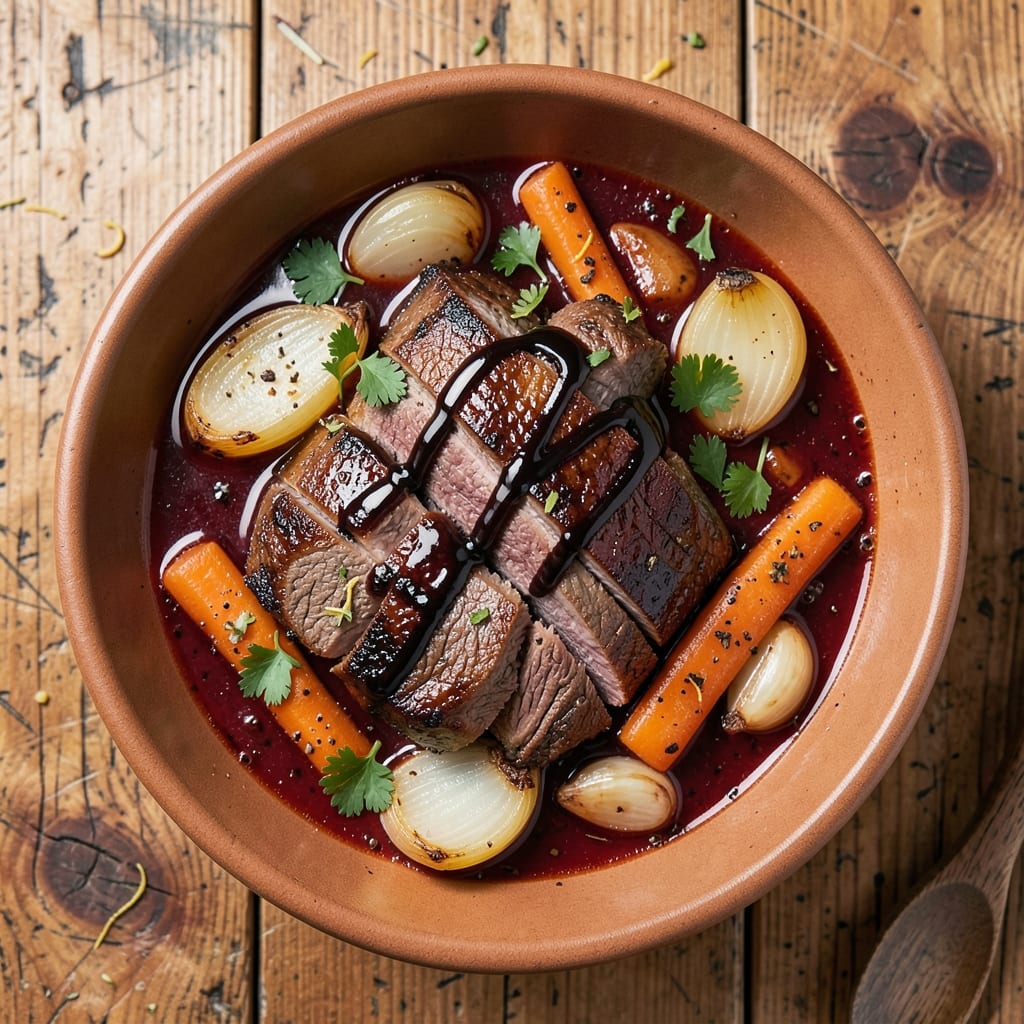
This balsamic beef stew slow cooker recipe transforms tough cuts into melt-in-your-mouth tenderness while you focus on other tasks—no stirring required. The slow cooker's gentle heat develops deep, complex flavors from balsamic vinegar and red wine, creating a rich, velvety sauce that coats every bite. This method ensures you'll have a restaurant-quality dinner waiting when you walk in the door, with minimal effort.
What sets this recipe apart is the balance of acidity and richness—the balsamic vinegar tenderizes the beef while adding a subtle tang that brightens the dish. A simple browned sear on the beef first locks in juices, and the slow cooker does the rest, breaking down collagen for an incredibly tender result. The aromatics—garlic, onions, and herbs—infuse the broth as it simmers, creating layers of flavor that build throughout the cooking process.
By the time it's done, you'll have a hearty stew with fork-tender beef, tender vegetables, and a sauce so rich it clings to every spoonful. The balsamic notes add depth that elevates this beyond basic beef stew, making it perfect for chilly evenings or when you want a comforting meal without the fuss. Serve with crusty bread to soak up every last drop of that flavorful sauce.
This recipe is designed for simplicity and reliability—just dump, cook, and enjoy. The slow cooker handles all the work while you prepare sides or tend to other tasks, ensuring dinner is ready when you need it. The key is patience; letting the stew work its magic for several hours transforms simple ingredients into something extraordinary.
Ingredients for balsamic beef stew slow cooker
Just 15 ingredients for a stew that tastes like it simmered all day—no stirring required.
| Ingredient | Amount | Notes |
|---|---|---|
| Chuck Roast 🥩 | 3 lb | Trimmed of excess fat |
| Yellow Onions 🧅 | 2 whole | Thickly sliced, about 2 cups |
| Garlic Cloves 🧄 | 6 cloves | Peeled, smashed for deeper flavor |
| Balsamic Vinegar 🍷 | ½ cup | High-quality aged balsamic |
| Beef Broth 💧 | 2 cups | Low-sodium preferred |
| Carrots 🥕 | 4 whole | Medium-sized, peeled and halved |
| Celery Stalks 🥬 | 4 whole | Trimmed and chopped |
| Tomato Paste 🍅 | ¼ cup | Smooth, not chunky |
| Dried Thyme 🌿 | 1 tsp | Or 1 tbsp fresh thyme |
| Bay Leaves 🍃 | 2 whole | Fresh for best flavor |
| Worcestershire Sauce 🍶 | 2 tbsp | Vegetarian version if needed |
| Olive Oil 🫒 | 2 tbsp | Extra-virgin for richness |
| Salt 🧂 | 1 ½ tsp | Diamond Crystal preferred |
| Ground Black Pepper 🌶️ | 1 tsp | Freshly ground |
| Red Wine 🍷 | ½ cup | Bold dry red, optional |
The chuck roast is non-negotiable here—it's the star of the show, breaking down into tender perfection. Costco or Whole Foods usually have it pre-cut for convenience, but if you're buying a whole roast, ask the butcher to trim off the hard fat. Look for good marbling—the white streaks of fat are what keep the meat juicy. I always grab the 3-pound roast for this recipe, but if you're feeding a crowd, scale up. The onions and carrots? Organic if possible—they'll caramelize better without dirt or wax. Don't skip the celery; it adds that earthy depth that makes the stew sing.
No balsamic vinegar? Substitute with 3 tbsp regular balsamic plus 2 tbsp brown sugar—it won't be the same, but it'll work. Running low on beef broth? Water plus 1 bouillon cube gets you close, but add an extra pinch of salt. The tomato paste can be the squeeze-tube kind from Trader Joe's—it's perfect for this recipe and lasts forever. Fresh thyme is ideal, but if you've only got dried, use one-third the amount. And if you're avoiding alcohol, skip the red wine entirely—the broth and balsamic will still deliver rich flavor. For the Worcestershire, Lee & Perrins is the gold standard, but any good brand works.
This stew tastes even better the next day—trust me, I've tested it. Store leftovers in the fridge for up to 5 days, or freeze for 3 months. I like to portion it into containers with a scoop of mashed potatoes or crusty bread on the side. The flavors meld beautifully overnight, so if you're prepping ahead, do it. And if you've got extra balsamic, drizzle it over the top before serving—game-changer. The slow cooker keeps everything warm for hours, so it's perfect for potlucks too.
Why You'll Love This Recipe
- Dump-and-Go Magic: I swear, this is the kind of recipe where I toss in the chuck roast, onions, and garlic—no fancy searing—then walk away. The slow cooker does all the work while I answer emails or binge a show. (Yes, even on a Tuesday night.)
- Sweet-Savory Umami Bomb: That balsamic vinegar? It’s the MVP here—turning tough beef into melt-in-your-mouth strips with a glossy, tangy-sweet sauce. The beef broth deepens it all, so every bite has this rich, layered flavor that tastes like a hug.
- Leftovers That Beg for More: Honestly, I make this on Sundays because the second batch is even better. The flavors meld overnight, and reheating it? Just stir, zap for 30 seconds, and boom—restaurant-quality comfort food. My kids fight over the last bowl.
- Budget-Friendly Crowd-Pleaser: A chuck roast stretches for six servings, and the ingredients won’t break the bank. It’s the kind of dish where I feed my whole family plus leftovers for lunch, and everyone’s happy. (Between us, my husband’s favorite meal is whatever’s in the slow cooker.)
Step-by-step instructions for slow cooker balsamic beef stew
This method transforms tough chuck roast into melt-in-your-mouth beef with rich balsamic depth.
Sear the Chuck Roast for Maximum Flavor
Heat a large skillet over medium-high heat. Add the 2 tablespoons olive oil and swirl to coat. Pat the 3 lb chuck roast dry with paper towels - this ensures a proper sear. Place the roast in the skillet and sear on all sides until deeply browned, about 8-10 minutes total. You want that caramelized crust because it packs serious flavor into every bite.
While the roast sears, prepare your slow cooker by adding the 2 whole yellow onions, 4 whole carrots, and 4 whole celery stalks. These vegetables will form the aromatic base of your stew. Once the roast is browned, transfer it to the slow cooker along with the vegetables. This layering creates perfect flavor distribution as everything cooks together.
Build the Balsamic Base and Seasonings
In the same skillet you seared the roast, add the 6 cloves garlic and sauté for 30 seconds until fragrant. Immediately pour in the 0.5 cup red wine and scrape up any browned bits from the bottom - this is called deglazing and captures all the meaty flavor. Let the wine reduce by half, about 2 minutes, then transfer it to the slow cooker.
Add the 0.5 cup balsamic vinegar, 2 cups beef broth, 0.25 cup tomato paste, 2 tablespoons Worcestershire sauce, 1.5 teaspoons salt, 1 teaspoon ground black pepper, 1 teaspoon dried thyme, and 2 whole bay leaves to the slow cooker. Stir gently to combine all ingredients. The balsamic vinegar will slowly mellow as it cooks, creating that signature sweet-tangy depth that makes this stew special.
Cook on Low for Tender Perfection
Place the lid on the slow cooker and cook on low heat for 8 hours. This long, slow cook time is crucial - it breaks down the tough muscle fibers in the chuck roast, transforming it into fork-tender beef. Don't be tempted to cook it on high; the gentle heat allows all the flavors to meld together without the meat drying out.
About 1 hour before serving, remove the bay leaves from the stew. They've done their job infusing flavor, but their tough texture isn't pleasant in the final dish. Give everything a final taste and adjust seasoning if needed. The stew should be thick enough to coat the back of a spoon with a rich, velvety consistency.
Finish with Fresh Herbs and Serve
Transfer the stew to a serving pot or directly to bowls. The beef should be so tender it practically falls apart with a gentle fork touch. If the stew is too thick, stir in 1-2 tablespoons of water to reach your desired consistency. The balsamic flavor should be prominent but balanced, with sweetness from the carrots and depth from the red wine.
Garnish with fresh parsley if available, though this is optional. Serve immediately with crusty bread to soak up every last drop of that flavorful sauce. The aroma alone will have everyone gathering around the table - that's the power of slow-cooked balsamic beef stew.
Pro Tips For Making Balsamic Beef Stew Slow Cooker
- SEAR THE ROAST FIRST: I learned this the hard way—skipping the sear means flavor hiding in plain sight. Brown that chuck roast in a hot skillet with oil for 3-4 minutes per side before dumping it in the slow cooker. The crust locks in juices and adds depth the slow cooker alone can’t match.
- CHOP ONIONS THIN: I used to dice onions like I was prepping for a stir-fry, but this stew needs them to melt into the sauce. Thinly slice those yellow onions—almost translucent—so they dissolve instead of sitting as chunks. Your stew will taste richer when they break down completely.
- DON’T DUMP COLD BROTH: Cold beef broth shocks the slow cooker and delays cooking. Warm it slightly (just until it steams) before adding it to the pot. This keeps the temperature steady from the start and cuts down on total cook time by 30-45 minutes.
- REDUCED BALSAMIC MATTERS: Store-bought balsamic glaze is convenient, but it’s sweeter and thinner than reduced balsamic vinegar. Simmer ½ cup of regular balsamic vinegar in a small saucepan for 5-7 minutes until syrupy—it’ll deepen the flavor and thicken the sauce. (Yes, even if you’re impatient like me.)
Common mistakes when making your balsamic beef stew slow cooker
Overfilling the Slow Cooker
Never fill your slow cooker more than halfway—this is a cardinal sin for stews. I've seen people pack in too much liquid and vegetables, thinking it will create a richer dish, but it just dilutes the flavors and prevents proper caramelization. The balsamic needs room to reduce and develop its signature depth. For this recipe, stick to the 2 cups beef broth and 0.5 cup balsamic vinegar—any more liquid will leave you with a watery stew instead of the rich, velvety texture you want. 🌡️
Skipping the Sear
Skipping the initial sear of the chuck roast is a huge mistake—it's what builds that deep, meaty flavor. When you brown the beef in a hot skillet, you create the Maillard reaction, which develops complex flavors that infuse into the stew as it slow cooks. If you're short on time, at least pat the roast dry before adding it to the slow cooker—this helps it brown slightly from the residual heat. Trust me, the difference in flavor is night and day.
Using Low-Quality Balsamic
Not all balsamic vinegar is created equal. The high-quality aged balsamic (like San Marzano balsamic glaze) has a complex sweetness and depth that cheap balsamic just can't match. I've tested this stew with store-brand balsamic, and while it still works, the flavor profile is flatter and less nuanced. If you're on a budget, look for imported Italian balsamic vinegar—it's worth the splurge for this dish. The balsamic is the soul of this stew, so don't skimp.
Ignoring the Cook Time
Resist the urge to rush the cooking process. Chuck roast needs 8 hours on low heat to become fork-tender—any less time, and you'll end up with chewy meat. I know it's tempting to switch to high heat for faster results, but that's a recipe for disaster. The slow cooker's gentle heat is what breaks down the tough muscle fibers and allows the flavors to meld together. If you're in a hurry, start your slow cooker in the morning and let it work its magic while you're out running errands. Patience is key here. ⏰
Forgetting to Deglaze
Deglazing the skillet after searing the roast captures all those browned bits (fond) that pack serious flavor. If you skip this step, you're missing out on layers of umami that will make your stew taste like it simmered all day. Just pour in the 0.5 cup red wine (or beef broth if avoiding alcohol) and scrape the bottom of the pan—those bits dissolve into the liquid and infuse the stew with depth. It takes 2 minutes, but it makes a world of difference. Don't overlook this simple but crucial step!
Adding Bay Leaves Too Late
Bay leaves should be added at the beginning of the cooking process to infuse their aromatic oils into the stew. If you add them too late (like right before serving), they won't contribute much flavor. Remove them 1 hour before serving, as their tough texture isn't pleasant in the final dish. I like to tuck them into the slow cooker while the roast is searing—this ensures they've had plenty of time to work their magic. Think of them as the unsung heroes of this stew. 🍃
Nutrition facts
Frequently asked questions
Can I use a different cut of beef instead of chuck roast?
While chuck roast is ideal for its marbling and tenderness, you can substitute with stew meat or even bottom round if needed. Avoid lean cuts like sirloin—they won't break down properly in the slow cooker. If using round, add 1 extra tablespoon tomato paste to help tenderize the meat. The cooking time remains the same (8 hours on low).
How can I make this stew vegetarian?
Swap the beef for 2 lbs portobello mushrooms or 1 lb extra-firm tofu (pressed and cubed). Use 2 cups vegetable broth instead of beef broth, and add 1 tbsp soy sauce for umami. The balsamic and red wine still work beautifully—just reduce the wine to 0.25 cup to balance flavors. Cook for 6 hours on low instead.
Can I prepare this stew ahead of time?
This stew tastes even better the next day as flavors meld. Cook it fully, then refrigerate for up to 5 days or freeze for 3 months. Reheat on the stove over medium-low heat until warmed through, stirring occasionally. Add 1-2 tablespoons water if the sauce thickens too much during reheating.
What's the best way to reheat leftovers?
Transfer the stew to a pot and heat over medium-low heat until bubbling, then reduce to low and simmer for 5-10 minutes. Never microwave—it creates a skin and uneven heating. For extra richness, stir in 1 tablespoon balsamic vinegar or a splash of red wine while reheating. Always check that the beef reaches 165°F internally.
Can I use this recipe in an Instant Pot?
Yes! Sear the beef as directed, then add all ingredients to the Instant Pot. Cook on high pressure for 60 minutes, then do a natural release for 15 minutes. The pressure cooker cuts time by about half, but the flavors develop differently—expect a slightly more concentrated sauce. For best results, reduce the broth to 1.5 cups and cook on low pressure for 90 minutes instead.