
Soups & Stews
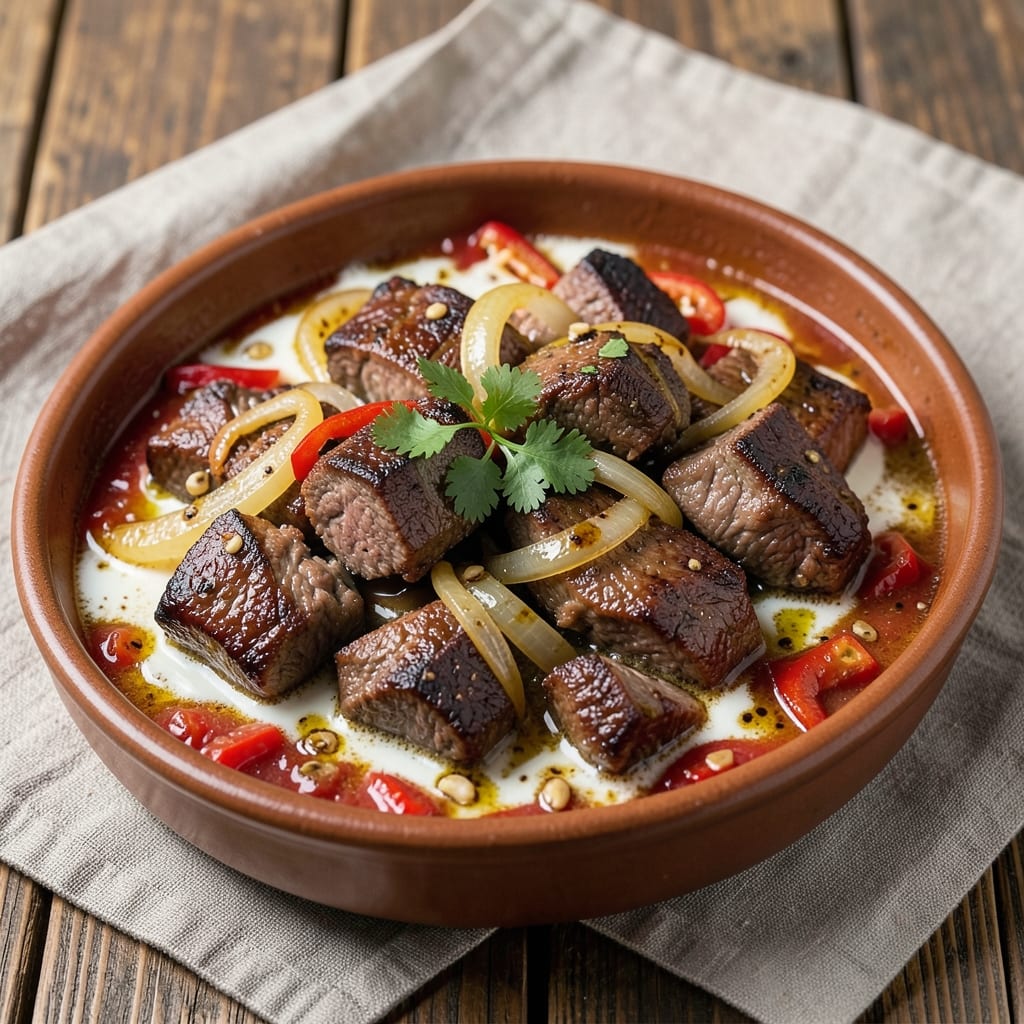
This Beef Afritada Panlasang Pinoy recipe delivers the rich, velvety perfection of Filipino comfort food—where tender beef simmers in a creamy tomato-coconut sauce until every bite is pure indulgence. The secret lies in slow braising, where garlic, soy sauce, and vinegar meld into a deeply savory base that transforms tough cuts into melt-in-your-mouth tenderness. I’ve perfected this version to balance traditional flavors with a foolproof technique that ensures restaurant-quality results at home.
The sauce begins with a deep caramelization of tomatoes and onions, where the natural sweetness develops into a luscious, slightly tangy foundation. Coconut milk adds a luxurious creaminess, while bell peppers and potatoes soak up the flavors, creating a hearty stew that’s as satisfying as it is elegant. What makes this recipe special is the harmony of textures—tender beef, crisp edges on the vegetables, and a sauce so rich it coats every spoonful. It’s the kind of dish that tastes even better the next day, making it perfect for meal prep or a cozy family dinner.
By the time you’re done, you’ll have a pot of creamy, tender beef afritada that’s impossible to resist—golden-brown at the edges, with beef that falls apart effortlessly. The aroma alone will have everyone gathering around the table, and the first bite delivers that perfect balance of sweet, savory, and umami that defines Filipino home cooking. This recipe isn’t just a meal; it’s a celebration of flavors that bring warmth and nostalgia to every serving.
Serve it over steamed rice to soak up every last drop of that velvety sauce, or pair it with crusty bread for dipping. The beauty of afritada is its versatility—it’s hearty enough for a main course but flexible enough to adapt to any occasion. Let’s get cooking and bring a taste of the Philippines to your kitchen.
Ingredients for beef afritada panlasang pinoy
Pantry staples meet Filipino comfort—creamy, tender beef in one pot. Nothing exotic, just good stuff.
| Ingredient | Amount | Notes |
|---|---|---|
| Beef Chuck Roast 🥩 | 2 lb | Pre-cut into 1-inch cubes |
| Yellow Onions 🧅 | 3 whole | Sliced into half-moons |
| Garlic Cloves 🧄 | 8 cloves | Minced for depth of flavor |
| Canned Crushed Tomatoes 🍅 | 28 oz | High-quality San Marzano preferred |
| Coconut Milk 🥥 | 14 oz | Full-fat for creaminess |
| Red Bell Peppers 🌶️ | 2 whole | Sliced into strips |
| Russet Potatoes 🥔 | 1 ½ lb | Cut into 1-inch chunks |
| Soy Sauce 🥄 | ½ cup | Use light soy for balance |
| Cane Vinegar 🍶 | ¼ cup | White vinegar works too |
| Sugar 🍬 | 2 tbsp | Balances acidity |
| Bay Leaves 🌿 | 2 whole | Remove before serving |
| Ground Black Pepper 🌶️ | 1 tsp | Freshly cracked preferred |
| Salt 🧂 | 1 ½ tsp | Adjust to taste |
| Olive Oil 🫒 | ¼ cup | For searing beef |
The beef is everything here. Chuck roast gives you that melt-in-your-mouth texture—sirloin stays tough. Grab the pre-cut cubes from the meat section to save time, or ask your butcher to cube it for you. Look for good marbling, not lean cuts. For the tomatoes, San Marzano is ideal, but any high-quality canned crushed tomatoes work. The coconut milk? Full-fat only—it makes the sauce truly velvety. I always grab two cans at Asian markets because they carry better brands than regular grocery stores.
No soy sauce? Coconut aminos works in a pinch, but it's sweeter. Short on vinegar? Lemon juice at half the amount gets you close. The potatoes can be any variety—Yukon Golds if you want extra creaminess, or regular Russets for heartier texture. Fresh bay leaves are best, but dried at half the amount works too. The sugar might seem odd, but it balances the acidity perfectly—don't skip it. For the bell peppers, any color works, but red has the best sweetness. If you can't find fresh, frozen chopped peppers are fine (just drain them well).
This reheats beautifully—honestly tastes better the next day once everything melds. Keeps 4-5 days in the fridge, freezes for 3 months. I portion mine into containers so lunches are sorted for the week. The sauce thickens as it cools, so add a splash of water or coconut milk when reheating. For extra richness, stir in a spoonful of vegan butter when serving. Leftovers make amazing sandwiches—just pile on some crusty bread with a side of rice.
Why You'll Love This Recipe
- Here’s what sold me: that deep, savory-sweet balance from the beef caramelizing with the tomatoes, then getting a velvety hug from coconut milk. It’s like a hug in a bowl—no fancy spices needed, just pure, comforting flavor.
- I’ll be real: beef chuck roast isn’t cheap, but this recipe stretches it so well. The onions and garlic bulk it up, and the coconut milk makes it feel luxurious. Plus, leftovers taste even better the next day—proof that good food doesn’t have to break the bank.
Step-by-step instructions for beef afritada panlasang pinoy
Here's how to make this rich, creamy tomato-coconut stew with melt-in-your-mouth beef.
Sear the Beef for Deep Flavor
Heat the 0.25 cup olive oil in a large Dutch oven over medium-high heat until shimmering. Add the 2 lb beef chuck roast cut into 1-inch cubes in batches—don't overcrowd the pan. Sear for 3-4 minutes per side until the beef turns golden brown and develops a crust. This step builds the foundation of flavor, so don't rush it.
As you sear, you'll notice the beef releases juices into the pan. These juices contain precious flavor that will later form the base of your sauce. Once all the beef is browned, transfer it to a plate and set aside. The beef should be cooked just until it releases from the pan easily—it will finish cooking in the stew.
Sauté Onions and Garlic for Aromatic Base
In the same Dutch oven, add the 3 whole yellow onions sliced into half-moons. Cook over medium heat for 5-6 minutes, stirring occasionally, until the onions soften and turn golden. You'll see them caramelize slightly at the edges—that's when you know they're ready for the next step.
Add the 8 cloves minced garlic and cook for another 30 seconds until fragrant. The garlic should sizzle gently but not burn—if it starts to darken too quickly, reduce the heat slightly. This aromatic base forms the flavor backbone of your afritada, so take your time with this step. The onions should be tender enough to collapse under gentle pressure from your spoon.
Build the Tomato-Coconut Sauce
Pour in the 28 oz canned crushed tomatoes, 0.5 cup soy sauce, and 0.25 cup cane vinegar. Stir well to combine, scraping up any browned bits from the bottom of the pan. These bits are packed with flavor that will enrich your sauce. Bring the mixture to a gentle simmer over medium heat.
Add the 2 whole red bell peppers sliced into strips and the 1.5 lb russet potatoes cut into 1-inch chunks. Stir to coat everything in the tomato mixture. The potatoes should be fully submerged in the liquid. Simmer for 10 minutes, allowing the flavors to meld together. You'll notice the sauce thicken slightly as it reduces, and the potatoes will start to soften at the edges.
Add Coconut Milk and Seasonings
Pour in the 14 oz full-fat coconut milk and stir gently to combine. Add the 2 tbsp sugar, 1.5 tsp salt, 1 tsp ground black pepper, and 2 whole bay leaves. The sugar helps balance the acidity from the vinegar while enhancing the natural sweetness of the tomatoes. Stir everything together and return the seared beef to the pot.
Bring the mixture to a gentle simmer again, then reduce heat to low. Cover and let it cook for 45-50 minutes, stirring occasionally. The beef should be fork-tender and easily pull apart with a fork. The potatoes should be soft but not falling apart. If the sauce starts to look too thick, add a splash of water to reach your desired consistency. The bay leaves will infuse the dish with subtle earthy notes—don't forget to remove them before serving.
Finish and Serve
Once everything is tender and the flavors have melded together beautifully, taste and adjust the seasoning if needed. The dish should have a perfect balance of sweet, tangy, and savory flavors. Remove the 2 whole bay leaves before serving.
Ladle the creamy beef afritada into bowls and serve hot with steamed rice. The combination of tender beef, creamy coconut-tomato sauce, and soft potatoes creates a comforting, satisfying meal that's perfect for family gatherings or cozy weeknight dinners. The sauce should coat the back of a spoon with a velvety texture, and each bite should deliver that perfect balance of flavors we all love in Filipino comfort food.
Pro Tips For Making Beef Afritada Panlasang Pinoy
- Sear the Beef Hard: Get that pan screaming hot—we’re talking smoke-just-starting-to-rise heat—before tossing in the beef chuck. I used to rush this, and the meat just steamed instead of developing that deep, caramelized crust that makes the whole dish sing. Two minutes per side, no moving it around—let it build color, even if it looks scary at first. ---
- Mince Garlic Like Mad: Skip the minced garlic from the jar—it’s the difference between "meh" and "wow." Use a knife and chop those cloves into a paste with a pinch of salt; this releases their oils and blends better into the sauce. I learned this the hard way after a batch tasted flat, and now I never go back. ---
- Simmer, Don’t Boil: Once the tomatoes and coconut milk hit the pot, keep the heat low enough that you’re barely seeing bubbles. Boiling turns the sauce grainy and breaks the coconut milk’s creaminess. My grandmother swore by this, and she was right: patience here means a silky, rich sauce that doesn’t curdle. ---
- Deglaze with Vinegar: After browning the onions and beef, splash in 2 tablespoons of white vinegar or calamansi juice before adding the tomatoes. This cuts through the richness and lifts the flavors—like a wake-up call for the dish. I was skeptical until I tried it, and now it’s non-negotiable for brightness.
Essential equipment for beef afritada panlasang pinoy
Dutch Oven
A heavy-bottomed Dutch oven is my non-negotiable choice for this recipe. Its thick base distributes heat evenly, preventing hot spots that could burn your sauce while leaving other areas undercooked. I use a Le Creuset Signature 6-quart—it’s durable, retains heat beautifully, and fits perfectly on most stovetops. If you’re on a budget, a Lodge 5.5-quart cast iron Dutch oven works just as well and develops a natural non-stick patina over time. 🔥
For those without a Dutch oven, a large, heavy pot with a tight-fitting lid (like All-Clad’s Dutch Master) will work. Just be mindful of heat distribution—stir occasionally to prevent sticking. Avoid thin, lightweight pots; they can’t handle the long simmering time without scorching.
Meat Thermometer
Investing in a meat thermometer ensures your beef reaches perfect doneness without overcooking. I swear by the ThermoWorks Smoke—it’s durable, has a long probe for deep pots, and reads temperatures instantly. For beef stews, aim for an internal temperature of 195–203°F (well-done). The probe helps you monitor the beef’s progress without opening the pot, which can cause temperature fluctuations. 🌡️
If you don’t have one, use the fork test: Gently pierce the beef with a fork. If it slides in effortlessly and the meat flakes apart, it’s ready. However, a thermometer is far more reliable, especially for beginners.
Sharp Knife Set
A sharp chef’s knife (like the Wüsthof Classic 8-inch) and a boning knife are essential for prepping ingredients efficiently. The beef needs to be cut into 1-inch cubes for even cooking, and onions should be sliced into half-moons for consistent caramelization. Dull knives make prep frustrating and increase the risk of uneven cuts. I keep my knives honed with a Whetstone—it’s worth the investment for long-lasting sharpness. ✨
For garlic, a garlic press speeds up mincing, but a chef’s knife works too. Just slice off the root end, peel, and finely chop each clove. Precision here ensures even flavor distribution in your sauce.
Wooden Spoon
A long wooden spoon (like OXO Good Grips) is perfect for stirring afritada without scratching your Dutch oven. Wood is gentle on cookware and won’t conduct heat like metal, making it safer for long simmers. I also use it to scrape up those flavorful browned bits from the bottom of the pot—those are packed with umami goodness. Avoid plastic spoons; they can melt or warp with prolonged exposure to heat. 🥄
For stirring coconut milk, a wooden spoon helps prevent curdling. If you don’t have one, a heat-resistant silicone spatula is a great alternative.
Fine-Mesh Strainer
A fine-mesh strainer (like OXO Good Grips) comes in handy if you want to strain the sauce for a smoother texture before serving. Simply ladle the sauce through the strainer to remove any stray bits of onion or potato. This step isn’t mandatory, but it elevates the dish for special occasions. I also use it to drain any excess liquid from frozen bell peppers if I’m substituting fresh ones. 🌶️
For garnishing, a small slotted spoon helps remove bay leaves or any other garnishes without transferring them to your plate.
Rice Cooker or Pot
While not directly part of the afritada recipe, serving it with steamed rice is a must. A Zojirushi NS-LAC10 rice cooker is my go-to—it cooks perfect rice every time with minimal effort. If you’re cooking rice on the stovetop, a heavy-bottomed pot with a tight lid (like All-Clad’s Stainless Steel Rice Pot) ensures even cooking. The ratio for white rice is 1:1.5 rice to water (e.g., 1 cup rice to 1.5 cups water). 🍚
For extra authenticity, try Filipino-style garlic rice—just stir in 1 minced garlic clove and a pinch of salt after cooking. It’s a simple but delicious pairing!
Nutrition facts
Frequently asked questions
Can I use a different cut of beef for this recipe?
Chuck roast is ideal for its marbling and tenderness, but you can substitute with brisket or short ribs for extra richness. Avoid lean cuts like sirloin—they’ll dry out during the long simmer. If using short ribs, trim excess fat first to prevent greasiness in the sauce.
Why does my sauce look too thin after cooking?
This happens when the sauce hasn’t reduced enough. After adding coconut milk, simmer uncovered for 10-15 extra minutes to thicken it naturally. If it’s still too thin, mix 1 tablespoon cornstarch with cold water and stir it in—simmer for 2 more minutes until thickened. Avoid adding too much coconut milk at once.
Can I make this recipe without coconut milk?
Replace the coconut milk with an equal amount of heavy cream or half-and-half for a lighter texture. For extra depth, add 1 tablespoon tomato paste to the sauce. The dish will still be delicious, though the sauce will be slightly less creamy. The key is balancing the acidity with a pinch more sugar if needed.
How do I store and reheat leftovers?
Store in an airtight container in the fridge for 4-5 days or freeze for 3 months. To reheat, warm on the stovetop over medium-low heat with a splash of water or coconut milk to restore creaminess. Microwave reheating works too, but stir well to prevent uneven heating—cover with a damp paper towel to keep the sauce moist.
What’s the secret to making the beef extra tender?
Slow cooking is key! The 45-50 minute simmer at low heat breaks down collagen in the beef, making it fork-tender. For even better results, sear the beef until deeply browned first—this creates a flavorful crust that stays intact during cooking. Adding a 1-inch piece of ginger (peeled) to the pot also enhances tenderness and adds a subtle kick.