
Main Courses
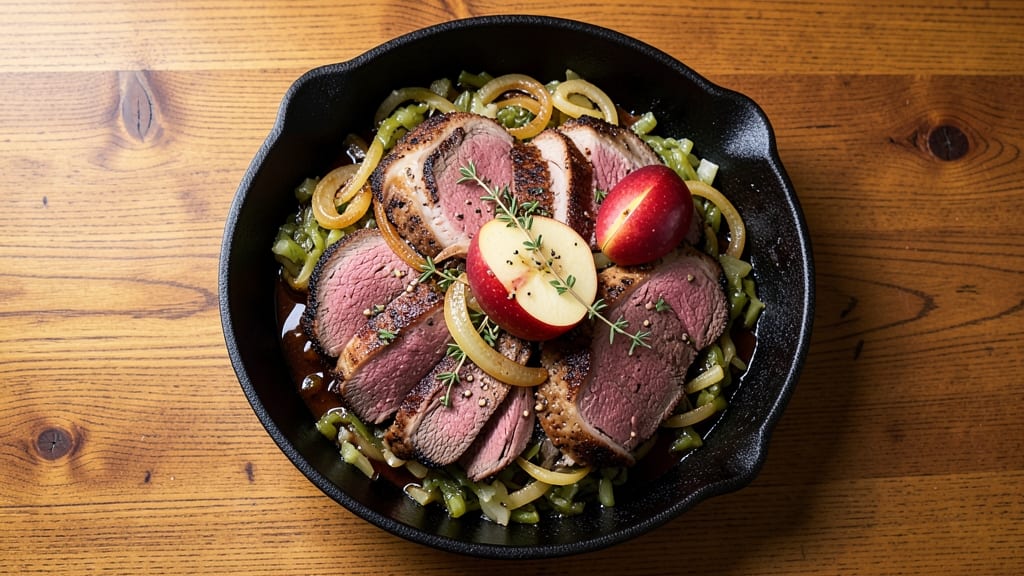
This beef brisket and sauerkraut recipe delivers tender, fall-apart meat paired with tangy, crunchy sauerkraut that cuts through the richness perfectly. After years of perfecting slow-smoked brisket, I discovered that adding sauerkraut—sautéed with apples and caraway—transforms this classic dish into something truly special.
The key lies in patience: letting the brisket smoke low and slow while the sauerkraut develops its signature tangy depth.
The brisket itself requires 12 hours of careful smoking at 225°F, resulting in meat so tender it practically melts in your mouth. Meanwhile, the sauerkraut gets a warm embrace from onions, apples, and a touch of caraway, balancing its sharpness with natural sweetness.
This isn’t just comfort food—it’s a restaurant-quality meal that feels like a Sunday supper, even on a weeknight.
What makes this recipe stand out is the harmony between textures and flavors: the smoky, juicy brisket and the crisp-tender sauerkraut create a perfect bite. The sauerkraut’s acidity keeps the rich brisket from feeling heavy, while its crunch adds contrast.
Serve with crusty bread to soak up every last drop of that flavorful juices—this is the kind of meal that disappears quickly.
Whether you're hosting a gathering or treating yourself to a slow-cooked feast, this recipe delivers foolproof results. The brisket stays moist, the sauerkraut retains its crunch, and the combination is impossible to resist. Let’s get started on creating a dish that feels like a celebration every time.
Ingredients for beef brisket and sauerkraut
Sixteen essential ingredients transform simple proteins and fermented cabbage into restaurant-quality brisket and sauerkraut.
| Ingredient | Amount | Notes |
|---|---|---|
| Beef Brisket 🥩 | 5 lb | Whole packer cut, 1.5-inch thickness |
| Yellow Onions 🧅 | 3 whole | Medium size, sliced into half-moons |
| Sauerkraut 🥬 | 2 cups | Unopened jar, drained and rinsed |
| Apples 🍎 | 2 medium | Honeycrisp or Fuji, peeled and diced |
| Ground Caraway Seeds 🌿 | 1 tbsp | Toasted for enhanced aroma |
| Fresh Thyme 🌿 | 1 tbsp | Leaves only, finely chopped |
| Garlic Cloves 🧄 | 6 cloves | Fresh, minced for sauerkraut |
| Wood Chips 🌳 | 1 cup | Hickory or applewood, soaked 1 hour |
| Beef Broth 💧 | 1 cup | Low-sodium, for spritzing |
| Brown Sugar 🍚 | 2 tbsp | Light or dark variety |
| Black Peppercorns 🌶️ | 1 tsp | Freshly cracked, coarse grind |
| Coarse Kosher Salt 🧂 | 2 tbsp | Diamond Crystal preferred |
| Crusty Bread 🍞 | 1 loaf | Sourdough or baguette, sliced |
| Unsalted Butter 🧈 | 4 oz | Cold, cubed for basting |
The beef brisket is the foundation, so prioritize quality cuts from butcher shops or specialty grocers like Whole Foods or D'Artagnan. Look for briskets with marbling throughout—this ensures tenderness. If your butcher offers a flat-cut brisket, it's leaner and requires slightly more attention during smoking. For wood chips, Traeger or Butcher's Broth brands deliver consistent flavor. The sauerkraut should be unopened and submerged in liquid—avoid pre-drained varieties, which lose their tang.
No honeycrisp apples? Fuji or Granny Smith work equally well—their balance of sweet and tart complements the sauerkraut perfectly. Short on caraway seeds? Substitute 1 tsp ground caraway*, but toast it first for depth. For the brisket, if you lack a smoker, use an oven at 225°F with a water pan to mimic indirect heat. The butter for basting should be cold and cubed—this prevents the bark from becoming soggy. Fresh thyme is ideal, but dried thyme at half the amount works in a pinch.
Store leftover brisket in its juices for 4-5 days in the fridge or 3 months frozen—portion into individual servings for convenience. The sauerkraut mixture reheats beautifully; keep it in the fridge for 5 days or freeze for 2 months. For the bread, toast slices and store in a paper bag at room temperature for up to 3 days. The wood chips can be pre-soaked and refrigerated for up to 2 weeks, making them ready whenever you are.
Why You'll Love This Recipe
- One-Pan Magic: I swear by this for lazy nights—just brown the brisket, toss in the onions and sauerkraut, and let it slow-simmer. No chopping, no fuss, just hands-off cooking while you sip wine or scroll through your phone.
- Tangy-Sweet Perfection: That sauerkraut’s sharp bite cuts through the brisket’s richness, and the apples? They melt into caramelized sweetness by the end. Honestly, the caraway seeds tie it all together like a secret handshake—earthy, warm, and impossible to resist.
- Leftover Hero: This dish begs to be made in bulk. The brisket stays tender for days, and the sauerkraut only gets better as it reabsorbs those juices. Pack it for lunches or freeze portions—your future self will thank you.
- Budget-Friendly Feast: Brisket’s cheaper than steak, and sauerkraut lasts forever in the fridge. Add apples and onions, and suddenly you’ve got a hearty meal that feeds four for under $15. (Yes, even on a Tuesday night.)
Step-by-step instructions for slow-smoked brisket with sauerkraut applesauce
Here's the method that delivers melt-in-your-mouth brisket with a perfectly balanced sauerkraut-apple topping.
Prepare the Brisket for Smoking
Begin by trimming the 5 lb beef brisket to remove any excess fat, leaving a thin layer (about ¼-inch) to protect the meat during cooking. Pat the surface completely dry with paper towels—this ensures maximum bark formation. In a small bowl, combine the 2 tbsp coarse kosher salt, 1 tsp black peppercorns, and 1 tbsp toasted ground caraway seeds. Rub this mixture evenly over all surfaces of the brisket, pressing firmly so the spices adhere.
Place the seasoned brisket on a wire rack set over a baking sheet and refrigerate uncovered for at least 4 hours, or preferably overnight. This dry-brining process enhances flavor penetration and creates that coveted crust. When ready to smoke, remove the brisket from the refrigerator 1 hour before cooking to allow it to come to room temperature—this ensures even cooking throughout.
Set Up the Smoker and Cook the Brisket
Soak the 1 cup wood chips (hickory or applewood) in water for 1 hour, then drain. Set up your smoker to maintain a consistent 225°F temperature. Once the smoker reaches temperature and produces clean, blue smoke, place the brisket fat-side up on the grill grates. The fat cap will render slowly, basting the meat as it cooks.
Smoke the brisket undisturbed for 12-14 hours until the internal temperature reaches 195-200°F in the thickest part of the meat. You'll notice the bark developing a deep mahogany color and the meat becoming fork-tender. Every 2 hours, spritz the brisket with ¼ cup beef broth using a spray bottle—this keeps the surface moist and prevents a dry bark. Avoid opening the smoker unnecessarily, as each time you do, you lose heat and extend cooking time.
Prepare the Sauerkraut-Apple Topping
While the brisket smokes, prepare the topping by combining the 2 cups sauerkraut, 2 medium diced apples, 6 minced garlic cloves, 1 tbsp finely chopped fresh thyme, and 2 tbsp brown sugar in a large skillet. Cook over medium heat for 10-12 minutes, stirring occasionally, until the apples soften and the mixture begins to caramelize. The sauerkraut should release its tangy juices, and the apples should break down into a chunky applesauce-like consistency.
Remove the skillet from heat and let the mixture cool slightly. Stir in the 4 oz cold cubed unsalted butter, allowing it to melt and blend into the mixture. This step adds richness and balances the acidity of the sauerkraut. Keep the topping warm until ready to serve, as it pairs beautifully with the tender brisket.
Rest and Slice the Brisket
Once the brisket reaches the target internal temperature, remove it from the smoker and transfer it to a cutting board. Tent loosely with aluminum foil and let it rest for 1-2 hours. This resting period allows the juices to redistribute throughout the meat, ensuring each slice is moist and flavorful. The brisket's internal temperature will rise another 5-10°F during this time—this is normal and desirable.
After resting, slice the brisket against the grain into ¼-inch thick slices. The grain direction will be visible as lines running through the meat. Serve the sliced brisket topped with the warm sauerkraut-apple mixture and accompany with slices of the 1 loaf crusty bread. The combination of tender brisket, tangy sauerkraut, and sweet apples creates a harmonious balance of flavors and textures.
Pro Tips For Making Beef Brisket And Sauerkraut
- Sear the Brisket First: Hit the brisket with a screaming-hot pan—no oil needed—until it’s deep brown in spots. I learned this the hard way: skipping the sear means the flavor stays stuck in the middle instead of building that crust that holds up through hours of cooking.
- Rinse the Sauerkraut: Drain and rinse the sauerkraut under cold water before adding it to the pot. The brine’s acidity can turn your apples mushy and the onions bitter—trust me, you’ll taste the difference if you skip this.
- Don’t Overmix the Apples: Chop the apples into chunks, not paste—think ½-inch pieces, not minced. Overworking them turns the dish into a sauce instead of keeping those bright, tangy bursts of fruit that cut through the richness of the brisket.
- Low and Slow from Start: Once the brisket hits the pot with onions and apples, reduce heat to a gentle simmer—no boiling. After burning three batches, I finally figured out that rushing the cook makes the meat tough instead of tender. Cover it and let it breathe.
Common mistakes when making this dish
Skipping the Rest
One of the biggest mistakes is slicing brisket immediately after removing it from the smoker. When you cut into brisket too soon, all the juices rush out, leaving you with dry, tough meat.
Instead, let it rest for at least 1-2 hours before slicing—this allows the juices to redistribute evenly throughout the meat. I’ve seen people rush this step and end up with brisket that’s disappointing instead of spectacular. 💡
Ignoring the Fat Cap
Many home cooks trim off too much of the fat cap before smoking, thinking it’s unnecessary. But that fat is your friend—it renders slowly during cooking, basting the meat and keeping it moist. Leave at least a ¼-inch layer of fat intact.
If you remove too much, you risk ending up with a dry brisket, no matter how long you cook it. The fat cap also adds incredible flavor as it smokes.
Temperature Swings
Brisket is unforgiving when it comes to temperature control. If your smoker dips below 225°F or spikes above 250°F, you’ll end up with uneven cooking—some parts overcooked and others underdone.
Invest in a good dual-probe thermometer like the Meater or ThermoWorks Smoke to monitor both the meat and the smoker temperature. Even a 10°F swing can throw off your entire cook.
Over-Sauerkraut Prep
The sauerkraut-apple topping needs balance, and overcooking it is a common mistake. If you cook it too long, the apples turn mushy and the sauerkraut loses its crunch. Keep the heat at medium and cook for only 10-12 minutes.
The goal is tender apples and slightly softened sauerkraut, not a mushy glaze. Adding the cold butter at the end helps preserve texture while adding richness. 🥬
Neglecting the Spritz
Spritzing the brisket every 2 hours with beef broth is crucial for developing that perfect bark. Without it, the surface can dry out and become tough. Use a spray bottle to apply a light mist—too much liquid can steam the meat instead of basting it.
I like to use a low-sodium broth so it doesn’t over-salt the brisket. Skipping this step is a surefire way to end up with a brisket that lacks depth of flavor.
Wrong Wood Choice
Using the wrong wood chips can ruin the flavor profile of your brisket. Hickory and applewood are classic choices, but avoid strong, resinous woods like pine or cedar—they can overpower the meat with a bitter or medicinal taste.
Stick to hickory for a bold, smoky flavor or applewood for a milder, slightly sweet note. Soak the chips for 1 hour before using to prevent flare-ups and ensure steady smoke production.
Nutrition facts
Frequently asked questions
Can I substitute sauerkraut with another fermented vegetable?
While sauerkraut is ideal for its tangy flavor, you can use kimchi or fermented cabbage, but the flavor profile will differ. Sauerkraut’s mild acidity balances the richness of brisket perfectly. If using kimchi, reduce the garlic to 4 cloves, as it already contains fermented garlic flavors. For a sweeter contrast, try pickled beets, but they’ll change the dish’s traditional character.
How do I know when the brisket is done without a meat thermometer?
If you don’t have a thermometer, use the fork test: A done brisket should feel like butter when pierced with a fork—no resistance at all. The meat should also pull apart easily. Look for a deep mahogany bark and check the internal temperature by inserting a clean knife into the thickest part—if the juices run clear (not pink or bloody), it’s ready. For safety, aim for 195°F, even without a thermometer.
Can I make this recipe in a slow cooker instead of smoking?
Yes! For the brisket, use the low setting, cook for 8-10 hours, and add ½ cup beef broth, covering it with foil to retain moisture. For the sauerkraut topping, follow the same skillet method. The texture will be slightly different—less bark, more tender—but it’s still delicious. Spritz the brisket every 2 hours, even in a slow cooker, to keep it moist.
Why does my sauerkraut topping taste too sour?
The tang comes from the sauerkraut’s natural acidity, but if it’s overwhelming, balance it with more apples (add 1 extra apple) or brown sugar (1 extra tbsp). The butter at the end also helps neutralize sharpness. If using store-bought sauerkraut, check the brine level—drained sauerkraut is less acidic than jar-packed. For extra balance, stir in ½ tsp honey, but add it at the very end to preserve texture.
How far ahead can I prepare the sauerkraut-apple topping?
You can make it up to 2 days ahead, but store it in the fridge. Reheat gently in a skillet over low heat, adding 1 tbsp water*, to prevent drying out. For best texture, reheat just before serving. The topping doesn’t reheat as well as the brisket, so plan to prepare it fresh if possible. If freezing, thaw overnight in the fridge and reheat slowly to avoid mushiness.