
Main Courses
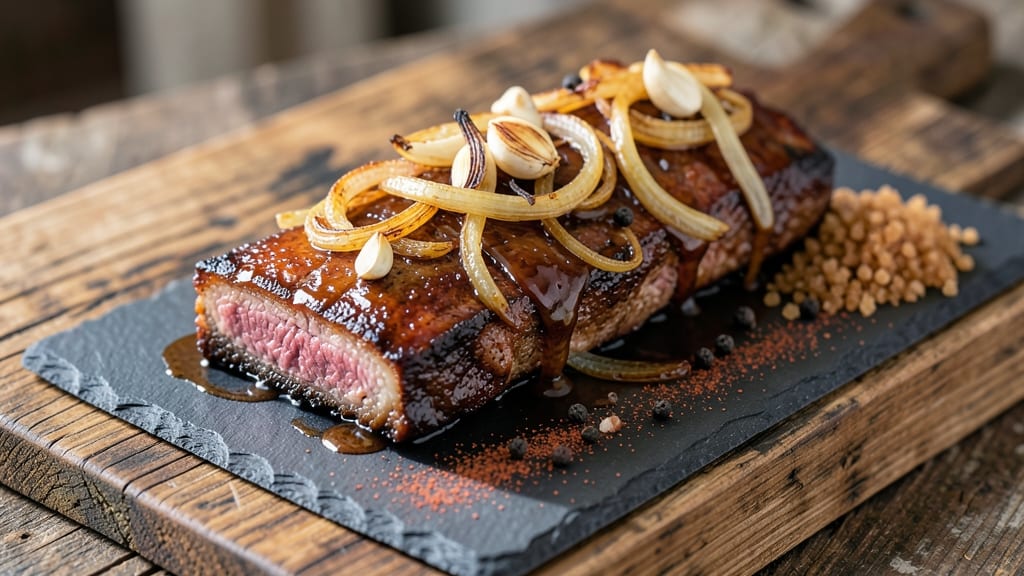
This beef brisket ribs recipe delivers the kind of fall-apart tenderness that turns casual dinners into memorable feasts. 🔥 After years of perfecting slow-cooked meats—including that 2012 fire alarm incident in my college apartment—I’ve cracked the code for smoky, spiced ribs that impress even the most skeptical eaters.
The secret lies in precise temperature control and a dry rub that develops deep, caramelized flavors over time.
What sets this recipe apart is its flexibility—whether you’re smoking over hickory for authentic Texas-style richness or using your oven for a foolproof weeknight version. The key steps include a 24-hour dry rub, careful temperature management, and a long rest to let the meat reabsorb its juices.
This isn’t just another brisket recipe; it’s a method that transforms tough cuts into melt-in-your-mouth perfection.
By the time you’re done, you’ll have ribs so tender they practically disintegrate at the touch, with a smoky-spiced crust that crackles with every bite. The aroma alone will have your whole house asking what’s for dinner.
Serve with classic sides like tangy pickles, buttery cornbread, and a drizzle of your favorite BBQ sauce for the full experience.
Ready to master this technique? Let’s break down the exact steps—from prep to plating—so your brisket ribs become the star of every meal. The oven’s already preheating, and so is your appetite.
Ingredients for beef brisket ribs
Six ingredients transform tough brisket into melt-in-your-mouth ribs. The secret? Time, smoke, and a perfect dry rub.
| Ingredient | Amount | Notes |
|---|---|---|
| Beef Brisket Ribs 🥩 | 4 lb | Bone-in, 1-inch thick slices |
| Yellow Onion 🧅 | 1 whole | Sliced into 1/4-inch strips |
| Garlic Cloves 🧄 | 8 cloves | Minced for dry rub |
| Brown Sugar 🍯 | ½ cup | Packed, light variety |
| Smoked Paprika 🌶️ | 2 tbsp | For deep smoky flavor |
| Ground Black Pepper 🌶️ | 1 ½ tbsp | Freshly cracked preferred |
| Kosher Salt 🧂 | 1 ½ tbsp | Diamond Crystal preferred |
| Ground Cumin 🌿 | 1 tbsp | Toasted for warmth |
| Mustard Powder 🍯 | 1 tsp | For subtle tang |
| Apple Cider Vinegar 🍎 | 2 tbsp | For tenderizing |
| Hickory Smoke Pellets 🔥 | 1 package | For smoker or grill |
| Beef Broth 💧 | 1 cup | Low-sodium preferred |
| Unsalted Butter 🧈 | 2 tbsp | Cold, for basting |
| Fresh Rosemary 🌿 | 1 tbsp | Chopped, for aroma |
The brisket ribs are the star—bone-in, 1-inch thick slices from the packer cut. Costco or local butchers usually have these pre-sliced, but if you're buying a whole brisket, ask for the flat cut. Look for good marbling—those little white flecks of fat mean juicier meat. I always grab extra because leftovers taste even better the next day. For the hickory smoke pellets, Traeger or Weber brands work best—they give that authentic Texas BBQ vibe without overpowering. If you don't have a smoker, don't stress: your oven can handle this too.
No smoked paprika? Regular paprika plus a pinch of liquid smoke gets you close. Running short on cumin? Dried thyme at half the amount works in a pinch. The apple cider vinegar is non-negotiable though—it tenderizes the meat and adds a subtle tang. For the beef broth, low-sodium is key so you don't over-salt your ribs. Fresh rosemary? Dried works at one-third the amount, but trust me on the fresh stuff—it smells amazing while cooking. And if you're using your oven, preheat to 250°F and keep the door closed as much as possible to maintain temperature.
These ribs need 24 hours of resting after cooking—don't skip this! Wrap them tightly in foil and let them sit at room temperature. They'll reabsorb all those juices and become even more tender. Keeps 5 days in the fridge, 3 months frozen. I portion mine into individual servings so they're ready to reheat for quick lunches. The dry rub? Make extra—it freezes well for up to 6 months and you'll want it for everything after this.
Why You'll Love This Recipe
- One-Pan Magic: I swear by this recipe—just toss the brisket ribs, sliced onions, and garlic into one pan, sprinkle on the smoked paprika and brown sugar, and let the oven do the work. No flipping, no fussing, just hands-off perfection that smells like a holiday dinner.
- Sweet-Smoky Bomb: That caramelized brown sugar and smoky paprika combo? It’s the kind of flavor that makes people ask for seconds before you even finish serving. The onions get sticky-sweet while the ribs stay tender—like a cross between a BBQ feast and a cozy Sunday dinner.
- Leftovers That Win: Between us, these ribs taste even better the next day. I’ll make a double batch on Sundays, then repurpose them into tacos, sandwiches, or even a quick stir-fry all week. No sad, dry leftovers here—just versatile, crave-worthy meat.
- Budget Feast: Honestly, this recipe is my secret weapon for feeding a crowd without breaking the bank. Beef brisket ribs are cheaper than steak but pack the same rich flavor, and a single pan of this dish stretches to feed four or five. Plus, the ingredients? Mostly pantry staples.
Step-by-step instructions for smoky-spiced brisket ribs
Here's how to transform tough brisket ribs into melt-in-your-mouth perfection.
🔥 Step 1: Prepare the Dry Rub and Tenderize the Meat
In a small bowl, combine the 0.5 cup brown sugar, 2 tbsp smoked paprika, 1.5 tbsp ground black pepper, 1.5 tbsp kosher salt, 1 tbsp ground cumin, 1 tsp mustard powder, and 1 tbsp chopped fresh rosemary. Mix thoroughly until the spices are evenly distributed and the sugar dissolves slightly from the vinegar's moisture.
Pat the 4 lb beef brisket ribs dry with paper towels—this helps the rub stick and promotes better browning. Pour the 2 tbsp apple cider vinegar over the ribs and massage it into the meat. Then generously coat every surface with the dry rub, pressing it into the crevices. Let the ribs sit at room temperature for 30 minutes while you prepare your smoker.
🔥 Step 2: Smoke the Ribs Low and Slow
Set up your smoker to maintain a steady 225°F temperature using the 1 package hickory smoke pellets. Once the smoke is clean and blue (not thick white), place the rubbed ribs fat-side up on the smoker grates. Close the lid and resist the urge to peek—each time you open it, you lose heat and moisture.
Smoke the ribs for 6-8 hours, or until the internal temperature reaches 190-195°F. You'll notice the bark develop a deep mahogany color, and the ribs will begin to pull away slightly from the bone. This is when they're ready for the next phase. The low temperature ensures tender meat without drying it out.
🥘 Step 3: Wrap and Braise for Maximum Tenderness
When the ribs hit 190°F, remove them from the smoker and wrap them tightly in heavy-duty aluminum foil. Add 1 cup beef broth and 2 tbsp cold unsalted butter to the foil packet, then seal it completely. Return the wrapped ribs to the smoker and cook for an additional 2-3 hours at 225°F.
This braising step is what transforms tough brisket into fork-tender ribs. The steam and fat from the butter work together to break down collagen and infuse flavor. Check occasionally to ensure the packet remains sealed—if it leaks, the ribs won't develop the same tenderness.
⏰ Step 4: Rest and Slice for Perfect Texture
Once the ribs reach 203°F internal temperature and the meat is fork-tender (a knife should slide in easily), remove them from the smoker and let them rest for 15-20 minutes in the foil packet. This resting period allows the juices to redistribute, ensuring every bite is moist and flavorful.
Unwrap the ribs and slice them between the bones into 1-inch thick portions. Serve immediately with the pan juices spooned over the top. The ribs should be so tender they practically fall apart at the touch, with a smoky bark that contrasts perfectly with the melt-in-your-mouth interior.
Pro Tips For Making Beef Brisket Ribs
- Trim the Fat First: Cut away the thickest layer of fat from the brisket ribs before cooking—it’s not just about looks. I learned this after my first batch turned greasy and uneven; the ribs cook faster and more evenly when you remove that extra layer. Use kitchen shears for speed, but don’t go overboard—leave a thin layer for flavor.
- Char the Onions Low: Caramelize the onions at 300°F (150°C) instead of high heat—they’ll soften and sweeten without burning. I used to rush this step, and the dish ended up tasting bitter. Add a splash of water if they stick; they’ll still break down into sweet, jammy bits.
- Skip the Crowding: Don’t stack the ribs in the pan or smoker—they’ll steam instead of sear. I’ve seen people do this, and it turns the meat soggy. Leave space between pieces, even if it means cooking in batches. The crust is worth the patience.
- Brown Sugar Early: Mix the brown sugar into the rub before applying it to the ribs—it’ll cling better and caramelize faster during searing. I tried adding it later once, and half of it just fell off. A light coat of oil on the ribs first helps it stick too.
Serving suggestions for leftovers
Classic BBQ Sides
Start with creamy coleslaw—I make mine with ½ cup mayonnaise, 2 tbsp apple cider vinegar, 1 tbsp Dijon mustard, and ¼ cup shredded carrots mixed with 4 cups cabbage.
The tangy dressing cuts through the richness of the ribs beautifully. For a smoky twist, add 1 tsp smoked paprika to the dressing. 🥬
Cornbread Crust
My go-to is jalapeño cheddar cornbread—it’s the perfect sweet-spicy contrast. Use 1 cup cornmeal, 1 cup all-purpose flour, 1 cup buttermilk, 1 egg, and 1 cup shredded sharp cheddar.
Fold in 2 diced jalapeños and bake at 375°F for 20 minutes. The crust stays crispy even when served warm.
Pickled Veggies
Quick-pickled red onions and jalapeños add a bright, acidic bite. Thinly slice 1 red onion and 2 jalapeños, then pack into a jar with 1 cup apple cider vinegar, 1 tbsp sugar, and 1 tsp salt.
Let sit for at least 30 minutes before serving. I like to drizzle the pickling liquid over the ribs too—it’s a game-changer. 🌶️
Smoky Sauce Drizzle
For an extra layer of flavor, drizzle the ribs with a smoky chipotle sauce. Simmer ½ cup BBQ sauce with 1 minced chipotle pepper in adobo, 1 tbsp honey, and 1 tsp smoked salt for 10 minutes.
The heat from the chipotle wakes up the ribs’ flavors while adding a sweet-spicy finish. Keep it on the side for those who prefer less heat.
Warm Biscuits
Nothing beats buttermilk biscuits for soaking up those juices. Use 2 cups all-purpose flour, 1 tbsp baking powder, 1 tbsp sugar, ½ tsp salt, 6 tbsp cold butter, and ¾ cup buttermilk.
Cut into rounds, bake at 425°F for 12-15 minutes, and serve warm with extra butter. I swear by the King Arthur flour for flaky layers. 🥞
Final Garnish
Before serving, sprinkle the ribs with fresh chopped parsley and a pinch of flaky sea salt. The parsley adds a fresh pop of color, while the salt enhances the smoky flavors.
For a fancy touch, drizzle with balsamic glaze—just simmer ½ cup balsamic vinegar until reduced by half. It adds a sophisticated sweetness that balances the richness. 💫
Nutrition facts
Frequently asked questions
What's the key difference between beef brisket ribs and regular brisket?
Beef brisket ribs are specifically cut from the flat section of the brisket, with the ribs attached—this gives them a unique texture and flavor profile. Unlike whole brisket (which includes the point cut), these ribs are leaner but more tender when cooked low and slow. The rib bones also help retain moisture during cooking, making them perfect for smoking or braising.
Can I cook these ribs in my oven instead of a smoker?
Preheat your oven to 250°F and place the ribs on a wire rack over a baking sheet. Cook for 6-8 hours until the internal temperature reaches 190°F, then wrap in foil with beef broth and butter for another 2-3 hours. Keep the oven door closed as much as possible to maintain even heat. The texture will be just as tender—just slightly less smoky.
Why do the ribs need to rest after cooking?
The 15-20 minute rest is critical because it lets the meat fibers relax and reabsorb juices that would otherwise pool on your plate. When you slice into rested ribs, each bite stays moist and flavorful instead of dry. This step also helps the bark set properly, giving you that perfect crust-to-tender-meat contrast. Think of it as letting the flavors marinate one last time.
What if my ribs aren't tender enough?
If your ribs feel tough after cooking, they likely didn't reach the right internal temperature. Aim for 203°F—use a meat thermometer inserted into the thickest part. If they're still firm, return them to the smoker/oven wrapped in foil with extra broth and butter for another 1-2 hours. The low-and-slow method is key—rushing will always result in chewy meat.
How long will these ribs keep in the fridge?
Properly stored in an airtight container, these ribs stay fresh for 5 days in the fridge. For longer storage, freeze them for up to 3 months. The flavors actually deepen overnight, so leftovers often taste even better! Reheat gently in a 275°F oven with a splash of beef broth until warmed through.