
Main Courses
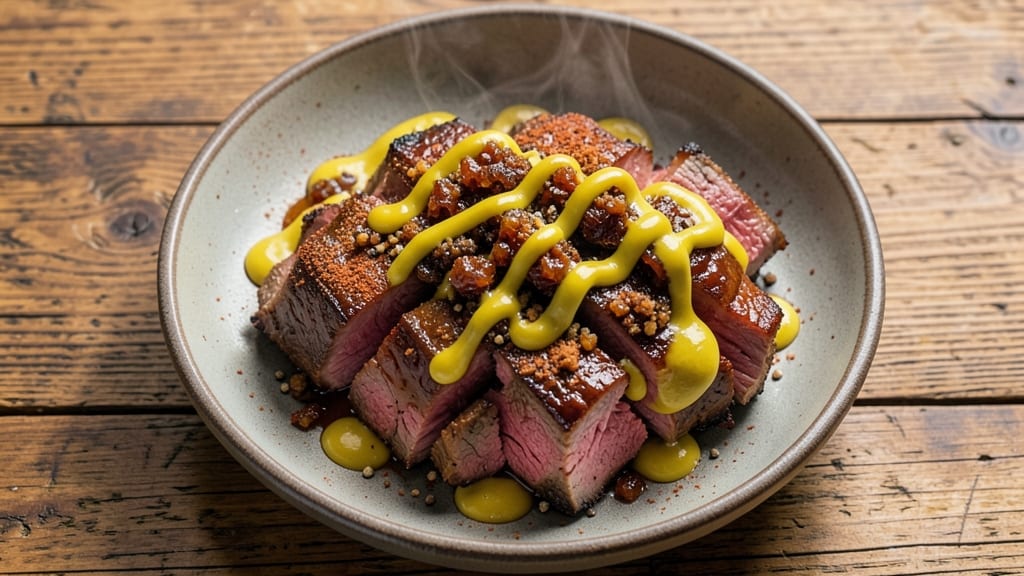
Transforming a tough cut of beef chuck roast into melt-in-your-mouth perfection is where this beef butt recipe delivers—where slow-smoked bark cracks under pressure, revealing tender meat that falls apart at the touch.
The key lies in low-and-slow cooking techniques that build deep, caramelized flavors while breaking down connective tissue into rich, juicy goodness. I’ve perfected this method over countless hours in the smoker, ensuring every bite delivers that signature Texas-style satisfaction without requiring a full day of babysitting.
What sets this recipe apart is the balance between traditional smoking methods and modern adaptations—whether you’re using a pellet grill, offset smoker, or even a precision oven. The secret weapon?
A well-prepared rub that clings to the meat, creating that coveted bark while the internal temperature climbs steadily to 203°F for fork-tender results. This isn’t just a recipe; it’s a method that transforms a simple chuck roast into a showstopping centerpiece for any gathering.
The final product is a masterpiece: a crust so dark and crackly it shatters when sliced, revealing meat so tender it practically dissolves on the tongue. The aroma alone—smoky, savory, and deeply satisfying—will have your guests asking for seconds before the plate even hits the table.
Pair it with classic sides like creamy mac and cheese or tangy coleslaw for a meal that feels both rustic and refined.
Ready to tackle this project? The process is straightforward, but the patience required pays off in every bite. Whether you’re a seasoned pitmaster or a home cook eager to master slow-smoked perfection, this recipe delivers restaurant-quality results with a technique you can trust.
Let’s get started on creating beef butt that will have everyone begging for the recipe.
Ingredients for beef butt
Six pounds of beef chuck roast and twelve simple ingredients transform into Texas-style perfection.
| Ingredient | Amount | Notes |
|---|---|---|
| Beef Chuck Roast 🥩 | 6 lb | Bone-in preferred for flavor |
| Yellow Mustard 🍯 | ½ cup | For rub binder, Dijon works too |
| Brown Sugar 🍚 | ½ cup | Light or dark preferred |
| Smoked Paprika 🌶️ | 2 tbsp | For authentic bark development |
| Kosher Salt 🧂 | 1 ½ tbsp | Diamond Crystal preferred |
| Ground Black Pepper 🌶️ | 1 ½ tbsp | Freshly cracked for intensity |
| Garlic Powder 🧄 | 1 tbsp | Not garlic salt |
| Onion Powder 🧅 | 1 tbsp | For depth of flavor |
| Ground Cumin 🌿 | 1 tsp | Toasted for enhanced aroma |
| Chili Powder 🌶️ | 1 tsp | Mild to medium heat |
| Wood Chips 🌳 | 4 cups | Hickory or oak preferred |
| Beef Broth 💧 | 1 cup | For spritzing during cook |
| Apple Cider Vinegar 🍎 | 2 tbsp | For spritz solution |
The beef chuck roast is non-negotiable for this recipe—its marbled fat and connective tissue create the signature tenderness. Look for cuts with visible fat marbling at Whole Foods or your local butcher shop, where they can often source high-quality, dry-aged beef. A 6-pound roast is ideal for six servings, but if you're feeding a crowd, scale up proportionally. The wood chips should be 100% natural, not flavored, to avoid imparting artificial smoke. Hickory delivers classic BBQ flavor, while oak adds a slightly sweeter profile. Soak them in water for at least 30 minutes before use to prevent flare-ups. For the rub, smoked paprika is essential—it's what gives that coveted dark bark. Penzeys or Simply Organic brands offer premium options, but the store-brand versions work fine if they're fresh.
No smoked paprika? Substitute 1 tbsp of regular paprika plus 1 tsp liquid smoke—though the bark won't be as authentic. Running low on yellow mustard? Dijon mustard works equally well for the binder. For a deeper smoky flavor without wood chips, add 1 tsp of chipotle powder to the rub. The beef broth and apple cider vinegar spritz solution keeps the bark moist and prevents drying. If you're short on time, skip the spritzing but increase the broth by 50% for basting instead. The brown sugar can be swapped for white sugar, though it may produce a slightly lighter bark. For a spicier kick, double the chili powder or add ½ tsp cayenne pepper to the mix.
Store the uncooked roast in the fridge for up to 5 days or freeze for 6 months by wrapping tightly in butcher paper followed by plastic wrap. The wood chips keep in a dry, airtight container for up to a year. Once cooked, the beef butt reheats beautifully—slowly in a 275°F oven for 1-2 hours with a cup of beef broth to maintain moisture. For leftovers, portion and freeze in airtight containers for up to 3 months. The bark stays crispy when reheated gently, so avoid microwaving. This recipe makes 6 generous servings, perfect for meal prep—just slice against the grain and store in portions for quick lunches.
Why You'll Love This Recipe
- Here’s what sold me: that rich, saucy beef butt begs to be reheated. Toss it in a sandwich the next day or shred it into tacos—it’s the same deliciousness, zero guilt. My freezer’s full of these, and I’m not sorry.
- Five-Ingredient Magic: Between us, this recipe tricks you into thinking it’s fancy. Brown sugar and smoked paprika? That’s your secret weapon—caramelized crust that doesn’t require hours of babysitting. I swear, the mustard ties it all together like a hug from your grandma.
- Weeknight Hero: Honestly, I’ve made this on Tuesdays when I’d rather be napping. Chuck roast forgives you—sear it, rub it, and let the slow cooker do the work. No one’s judging if dinner’s ready before the kids get home.
- Crowd-Pleaser Without the Drama: Between us, this feeds six but costs less than takeout for two. The salt and mustard cut through the richness, so it’s not too heavy—just that perfect balance. My picky eaters actually finish their plates. (Yes, even on a Tuesday night.)
Step-by-step instructions for slow-smoked beef butt
Mastering this technique delivers a perfect bark that cracks under pressure every time.
Prepare the Rub and Season the Beef Chuck Roast
In a medium bowl, combine the 0.5 cup yellow mustard, 0.5 cup brown sugar, 2 tbsp smoked paprika, 1.5 tbsp kosher salt, 1.5 tbsp ground black pepper, 1 tbsp garlic powder, 1 tbsp onion powder, 1 tsp ground cumin, and 1 tsp chili powder. Mix thoroughly until the mustard and spices form a cohesive paste—this ensures even distribution and maximum flavor penetration.
Pat the 6 lb beef chuck roast dry with paper towels, removing any excess moisture from the surface. This step is critical—wet surfaces prevent the rub from adhering properly and create steam instead of bark. Apply the spice mixture generously, pressing it firmly into every crevice of the meat, including the fat cap. The mustard acts as a binder, helping the rub cling even during the long smoke.
Let the seasoned roast rest uncovered in the refrigerator for at least 12 hours (overnight is ideal). This resting period allows the rub to penetrate deeply and the meat to dry slightly on the surface, both of which contribute to that coveted crackling bark. Real talk: Skipping this step results in a weaker crust and less flavorful meat.
Set Up the Smoker for Low and Slow Cooking
Fill your smoker's wood chip tray with the 4 cups wood chips (hickory or oak preferred) and soak them in water for 30 minutes before use. This prevents them from burning too quickly and ensures a steady, clean smoke output. Preheat the smoker to 225°F, maintaining a consistent temperature throughout the cook—fluctuations can lead to uneven bark development.
Position the beef chuck roast fat-side up on the smoker grate. The fat cap will render slowly, basting the meat and contributing to moisture retention. Place a water pan in the smoker to maintain humidity—this helps prevent the bark from becoming too hard or brittle. Once the smoker reaches the target temperature and you see thin, blue smoke (not thick white), you're ready to begin the cook.
Here's the thing—resist the urge to open the smoker lid during the first 4-6 hours. Every time you peek, you lose heat and moisture, extending cook time and potentially weakening the bark. Trust your thermometer and the visual cues: you'll know it's working when you see a thin layer of condensation forming on the meat's surface.
Spritz and Monitor for the Perfect Bark
After 4 hours of smoking, begin spritzing the beef every hour with a mixture of 1 cup beef broth and 2 tbsp apple cider vinegar. This combination prevents the surface from drying out completely while adding acidity that enhances bark formation. Use a spray bottle for even distribution—aim for a fine mist that doesn't soak the meat but keeps it moist enough to develop that dark, crackling crust.
Continue smoking at 225°F until the internal temperature reaches 195°F (this typically takes 12-16 hours total). The bark should be dark mahogany with visible cracks—this is your signal that the collagen has broken down and the meat is approaching tenderness. If the bark starts to look too dry or pale, spritz more frequently or reduce the smoker temperature slightly to 200°F to slow moisture loss.
Don't be tempted to rush this process. The slow cook is what transforms tough connective tissue into fork-tender beef. I've found that patience here makes all the difference—rushing leads to chewy meat and a weak bark. Use a meat probe to check doneness: when it slides in like butter with no resistance, you're ready for the next step.
Rest and Slice for Maximum Juiciness
Once the beef reaches 195°F, remove it from the smoker and transfer it to a cutting board. Tent loosely with aluminum foil and let it rest for at least 1 hour (2 hours is even better). This resting period allows the juices to redistribute throughout the meat, ensuring every slice is moist and flavorful. The bark will remain crispy during this time, but the internal temperature will rise another 5-10°F due to carryover cooking.
When ready to serve, slice the beef against the grain into ¼-inch thick slices. The grain runs lengthwise through the roast, so you'll need to adjust your cutting angle as you work your way around the piece. Each slice should pull apart easily with minimal resistance—this is the hallmark of perfectly cooked beef butt. Serve immediately with your favorite sides to enjoy the full depth of flavor and texture.
Pro tip: Save any accumulated juices from the cutting board and reduce them in a saucepan with a splash of the original beef broth. This creates a quick pan sauce that captures all the smoky, savory essence of your perfectly cooked beef butt.
Pro Tips For Making Beef Butt
- Trim the Fat First: A ¼-inch fat cap is fine, but if yours is thicker, slice it down to ⅛-inch—this helps the crust form evenly without grease pooling. I learned this the hard way when my first attempt turned into a greasy mess instead of a caramelized masterpiece.
- Mix Mustard and Sugar Early: Whisk the yellow mustard and brown sugar together before slathering it on—this lets the flavors meld while you prep the meat. I used to slap it on last minute, and the sugar always clumped or tasted harsh.
- Don’t Crowd the Pan: If searing in batches, walk away and let the beef rest 3–5 minutes between rounds—this keeps the pan hot enough to brown, not steam. I skipped this once and ended up with sad, gray edges instead of a deep crust.
- Use a Meat Thermometer: Pull the beef at 195°F internal temp—it’ll hit 203°F resting, but guessing leads to overcooked or undercooked results. After burning one batch by eye, I bought a cheap thermometer and never looked back.
Perfect pairings for beef butt
Classic BBQ Sides
Nothing complements smoked beef butt like creamy mac and cheese—the rich, cheesy sauce soaks up the smoky juices beautifully. I make mine with sharp cheddar and Gruyère, baked until the top forms a golden crust.
For a lighter option, try cornbread muffins with a hint of jalapeño for a sweet-spicy contrast. Both sides are crowd-pleasers that balance the beef's intensity. 🥓
Tangy Contrasts
Classic coleslaw with a vinegar-based dressing cuts through the richness of the beef butt. I use apple cider vinegar, Dijon mustard, and a touch of honey for a perfect balance of sweet, tangy, and sharp. For a smoky twist, add ½ cup smoked paprika to the dressing. Another winner is pickled red onions—their bright acidity refreshes your palate between bites.
Hearty Vegetable Sides
Grilled asparagus with lemon zest and toasted almonds adds a sophisticated touch. The charred edges and citrus brightness complement the smoky beef perfectly. For a rustic option, roasted sweet potatoes with brown butter and rosemary bring natural sweetness that pairs wonderfully. Both sides hold up well when served alongside the main dish. 🌿
Bread and Dips
Serve with crusty sourdough bread or brioche rolls for soaking up those delicious juices. I love pairing it with a smoky chipotle aioli—mix ½ cup mayonnaise with 1 tbsp chipotle in adobo, 1 tsp smoked paprika, and a squeeze of lime.
The creamy, spicy dip elevates every bite of beef butt and bread. 🍞
Drink Pairings
A bold amber ale like Goose Island Bourbon County Stout stands up to the smoky, rich flavors of the beef butt. For something lighter, a Texas-style lager such as Lone Star provides crisp refreshment.
Non-alcoholic options? Sparkling peach iced tea with a splash of lime adds a fruity contrast that cleanses the palate. 🍺
Dessert Harmony
End the meal with peach cobbler—the warm, spiced fruit complements the smoky beef without overpowering it. For a lighter finish, vanilla bean ice cream with a drizzle of honey and crushed pecans offers a creamy, sweet contrast. Both desserts tie the meal together beautifully. 🍑
Nutrition facts
Frequently asked questions
What's the best cut for this beef butt recipe?
Use a 6 lb beef chuck roast with bone-in for maximum flavor and tenderness. The chuck's marbled fat and connective tissue break down beautifully during slow cooking. Look for cuts with visible fat marbling at your local butcher shop for the best results.
Can I cook this without a smoker?
Yes! Use an oven set to 225°F with a water pan for humidity. Place a wood chip tray (or aluminum foil with soaked wood chips) on the bottom rack for smoky flavor. Cook for 12-16 hours until the internal temp reaches 195°F. A pellet grill also works perfectly with minimal setup.
Why does the bark crack when sliced?
The bark cracks because the slow cooking creates a thick, caramelized crust that hardens on the outside while staying tender inside. This happens when the rub develops properly and the meat's moisture evaporates gradually. The cracks are actually a sign of perfect bark—it should be dark mahogany with visible fractures.
How do I know when the beef butt is done?
Use a meat thermometer to check the internal temperature—it should reach 195-203°F. The probe should slide in like butter with no resistance. The bark will be dark and crackly, and the meat will pull apart easily when sliced against the grain. Never rely on time alone—temperature is key!
Can I make this recipe ahead of time?
Cook the beef butt up to 165°F (about 8-10 hours in), then refrigerate. Finish cooking to 195°F before serving. Alternatively, cook it completely, slice it, and store in airtight containers for up to 5 days. Reheat gently in a 275°F oven with beef broth to maintain moisture.